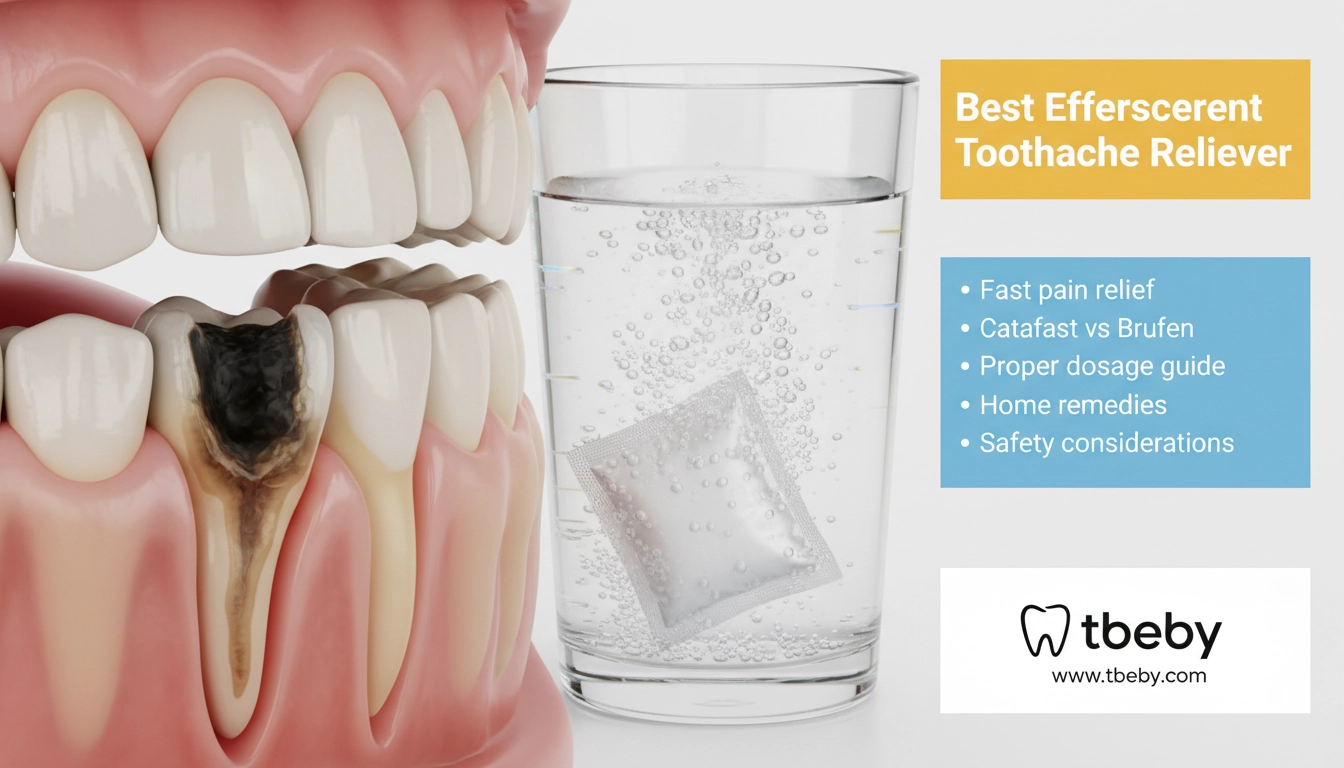

A toothache reliever is among the most urgently sought medications by individuals experiencing acute dental pain, a sensation widely regarded as one of the most difficult types of pain to endure. Dental pain can disrupt daily routines, interrupt sleep, and impair concentration, making access to fast-acting relief not merely a convenience but a necessity.
This comprehensive guide covers everything you need to know: the most common causes of toothache, the best effervescent toothache reliever options available at pharmacies, proper usage instructions, home remedies for temporary relief, and safety considerations for pregnant women.
Causes of Toothache
Understanding why dental pain occurs is the first step toward addressing it effectively. The causes vary in severity and origin, ranging from surface-level sensitivity to deeper infections involving the dental pulp or surrounding bone tissue.
1. Tooth Sensitivity
Tooth sensitivity is one of the most widespread causes of dental discomfort. It typically manifests as a sharp, sudden pain triggered by exposure to extremely cold or hot foods and beverages. Patients often describe an intense sensation that spreads throughout the mouth, making it difficult to pinpoint the exact source.
Experiencing pain after consuming ice cream or chilled drinks is a classic indicator of enamel sensitivity. In some cases, however, this symptom may also signal the early stages of tooth decay, which is why a dental consultation is strongly recommended.
2. Tooth Decay (Dental Caries)
Tooth decay is a primary driver of severe dental pain. The discomfort may emerge while chewing, arise intermittently throughout the day, or even wake a patient from sleep. When left untreated, decay can progress to structural damage, causing teeth to fracture or become brittle far beyond simple pain.
3. Dental Abscess
A dental abscess represents one of the most painful dental conditions. It results from bacterial infection within the oral cavity, producing a localised accumulation of pus that may extend to the tooth’s nerve. The pain is often excruciating and may cause tooth mobility; immediate professional treatment, including thorough drainage and root filling, is essential.
4. Gum Inflammation (Gingivitis & Periodontitis)
Gum-related conditions, including inflammation, redness, and swelling, are frequent contributors to dental pain. These conditions arise from inadequate oral hygiene, microbial infection, or tissue erosion within the gingival structures. Gum bleeding further compounds the discomfort, producing generalised pain throughout the mouth.
5. Sinusitis
Sinus infections can produce referred pain in the upper teeth, particularly those located in proximity to the nasal passages. This pain pattern results from bacterial or viral infection of the respiratory system, which places pressure on adjacent dental roots.
You can use Medical gauze to apply pressure on bleeding gums or protect a sensitive area after a dental procedure while managing a toothache at home.
Best Effervescent Toothache Reliever Options
When dental pain strikes, a fast-acting toothache reliever in effervescent form offers one of the quickest routes to temporary comfort. Below are the two most prominent options available at pharmacies.
| Feature | Catafast Effervescent | Brufen Effervescent |
| Active Ingredient | Diclofenac potassium | Ibuprofen |
| Dose per Sachet | 50 mg | 600 mg |
| Sachets per Box | 9 | 20 |
| Duration of Effect | 6–8 hours | 4–6 hours |
| Max Daily Dose | 3 sachets | 3 sachets |
| Key Benefit | Fastest-acting; peaks rapidly | Broad pain & fever relief |
| Main Caution | Blood pressure, renal stress | GI & cardiovascular effects |
| Safe in Pregnancy? | No | No |
Catafast Effervescent Top-Rated Toothache Reliever
Catafast effervescent sachets are widely considered the most effective and fastest-acting toothache reliever in effervescent form currently available. The active ingredient is diclofenac potassium, a well-established non-steroidal anti-inflammatory drug (NSAID) with both analgesic and anti-inflammatory properties.
Diclofenac potassium is absorbed into the bloodstream rapidly, reaching peak plasma concentration in a short time, which is why relief is felt quickly after administration. The drug works by inhibiting the body’s production of prostaglandins, the biochemical mediators responsible for inflammation and pain signalling.
Each box contains 9 effervescent sachets, with each sachet delivering 50 mg of the active compound. The medication’s analgesic effect lasts between 6 and 8 hours per dose.
How to Use Catafast as a Toothache Reliever
- Dissolve the contents of one sachet in half a glass of room-temperature water
- Stir gently until fully dissolved, then drink in a single dose
- Maximum dosage: 3 sachets per day, only when necessary
- Use only as a temporary measure until a dental appointment can be arranged
Brufen Effervescent Widely Available Dental Pain Reliever
Brufen effervescent sachets are another widely available toothache reliever, formulated with ibuprofen at 600 mg per sachet. Each box contains 20 sachets. Ibuprofen functions as both a potent analgesic and anti-inflammatory agent, making it effective for toothaches, musculoskeletal pain, and fever reduction.
You can use Sodium hydroxide teeth whitening powder to remove surface stains and support oral cleanliness alongside your pain relief routine.
How to Use Brufen Effervescent
- Empty one sachet into half a glass of water and consume immediately upon effervescence
- Standard dosage: once daily, which may be increased to a maximum of 3 times per day
- Do not exceed the maximum daily dosage to avoid gastrointestinal or cardiovascular side effects
You can use Tooth decay repair paste to temporarily seal a damaged or decayed tooth surface and reduce pain sensitivity between dental visits.
Home Remedies as a Natural Toothache Reliever
When pharmaceutical options are unavailable or as a complement to medication, several natural substances can function as an interim toothache reliever until professional dental care is accessed.
Clove
Clove is arguably the most effective herbal toothache reliever known in traditional medicine. It contains eugenol, a naturally occurring analgesic and antimicrobial compound. You may place a whole clove directly on the affected tooth, apply clove oil as a compress to the painful area, or prepare a natural clove rinse by simmering cloves in water and using the infusion as a daily mouthwash after meals.
Saltwater Rinse
A saltwater rinse is one of the most accessible and evidence-supported home remedies for dental pain. It acts as a mild anaesthetic, reduces inflammation, helps stop bleeding, and sanitises the oral environment. Dissolve one to two teaspoons of salt in a glass of warm water and rinse thoroughly for several minutes.
Garlic
Garlic functions as a natural analgesic and potent antibacterial agent. Rubbing the affected area with half a clove of garlic and allowing it to rest against the gum for a few minutes can provide temporary numbing. Its antimicrobial properties also help address the underlying bacterial causes of gum inflammation, decay, and infection.
Peppermint Green Tea
A blend of green tea and fresh peppermint, used either as a mouthwash or applied as a compress, can reduce pain and inflammation. Both ingredients contain antioxidants and soothing compounds that calm irritated tissue and provide mild relief.
Is There a Safe Toothache Reliever During Pregnancy?
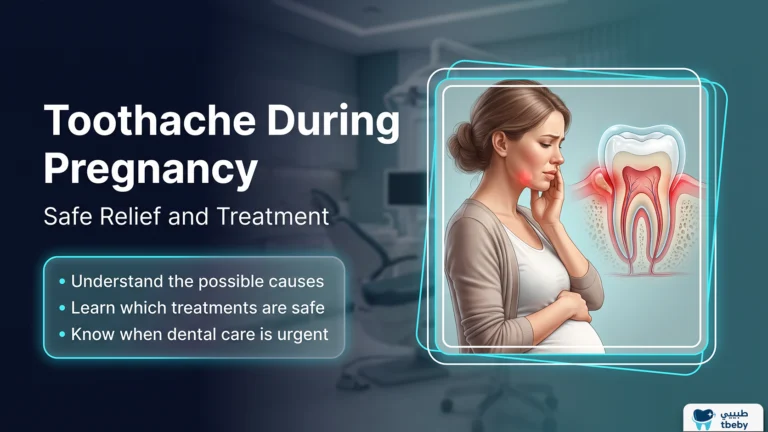
This is a critical safety question. As a general rule, most effervescent pain relievers, including NSAIDs such as diclofenac and ibuprofen, are contraindicated during pregnancy. These medications carry the risk of fetal developmental complications and should be strictly avoided throughout gestation.
In cases of absolute necessity, pregnant women may use medications containing paracetamol only (such as standard Panadol blue formulation), which carries a more favourable safety profile during pregnancy. However, no medication should be taken during pregnancy without prior consultation with a qualified obstetrician or pharmacist, regardless of its apparent safety.
Your Complete Guide to Overcoming Dental Pain
Dental pain can be a debilitating experience that disrupts the normal flow of daily life. Understanding its multifaceted causes, from sensitivity and caries to periodontal abscesses and sinusitis, empowers you to make informed decisions about temporary management and long-term treatment.
Fast-acting pharmaceutical options such as Catafast and Brufen effervescent sachets serve as effective short-term toothache relievers, while natural alternatives like clove, saltwater, and garlic offer accessible home-based support. It is essential to recognise that these solutions are temporary bridges, not curative treatments. Scheduling a dental appointment to address the root cause remains the only definitive path to lasting oral health.
FAQs About Toothache Reliever
What is the best effervescent toothache reliever for fast pain relief?
Which effervescent medication works fastest as a dental pain reliever?
Catafast (diclofenac potassium) is the fastest-acting option; Brufen effervescent is a strong alternative for broader pain and fever relief.
How do I use Catafast effervescent as a toothache reliever?
What is the correct dosage and preparation method for Catafast sachets?
Dissolve one sachet in half a glass of water and drink at once; maximum 3 sachets per day, used only when necessary.
How long does Catafast last as a toothache reliever?
What is the duration of Catafast’s analgesic effect after a single dose?
The pain-relieving effect of Catafast typically lasts 6 to 8 hours per dose.
Can pregnant women safely use an effervescent toothache reliever?
What dental pain relievers are permitted during pregnancy?
NSAIDs (diclofenac, ibuprofen) are contraindicated in pregnancy; only paracetamol-based options such as Panadol Blue are permitted, after medical consultation.
How can I use clove as a natural toothache reliever at home?
What is the best way to prepare a clove-based dental pain remedy?
Place a whole clove on the affected tooth, apply clove oil as a compress, or use a boiled clove infusion as a daily antiseptic mouthwash.
What are the most common causes of severe and sudden tooth pain?
Why do I experience intense, unexpected pain in my tooth or gum?
Tooth pain most commonly results from deep decay, enamel sensitivity, gum inflammation, dental abscess, or referred pain from sinusitis.
Does garlic genuinely help relieve dental pain?
How does garlic act as a natural toothache reliever for gum inflammation?
Yes, garlic acts as a natural anaesthetic and antibacterial agent; rub a clove against the affected gum and leave it briefly in place.
How is Brufen effervescent used to relieve molar pain?
What is the correct preparation method for Brufen effervescent dental sachets?
Empty one sachet into half a glass of water and drink upon effervescence; once daily, with a maximum of 3 doses per day to avoid side effects.
What is the benefit of saltwater rinsing for tooth pain?
Does a saltwater rinse effectively treat gum inflammation and dental pain?
A saltwater rinse reduces inflammation, provides mild numbing, stops bleeding, and sanitises the oral cavity against pain-causing bacteria.
Can an effervescent toothache reliever replace a dental appointment?
Is it safe to rely permanently on pain relievers instead of treating the underlying dental problem?
No effervescent relievers are temporary bridges only; a dentist must address the root cause, whether decay, abscess, or nerve inflammation.