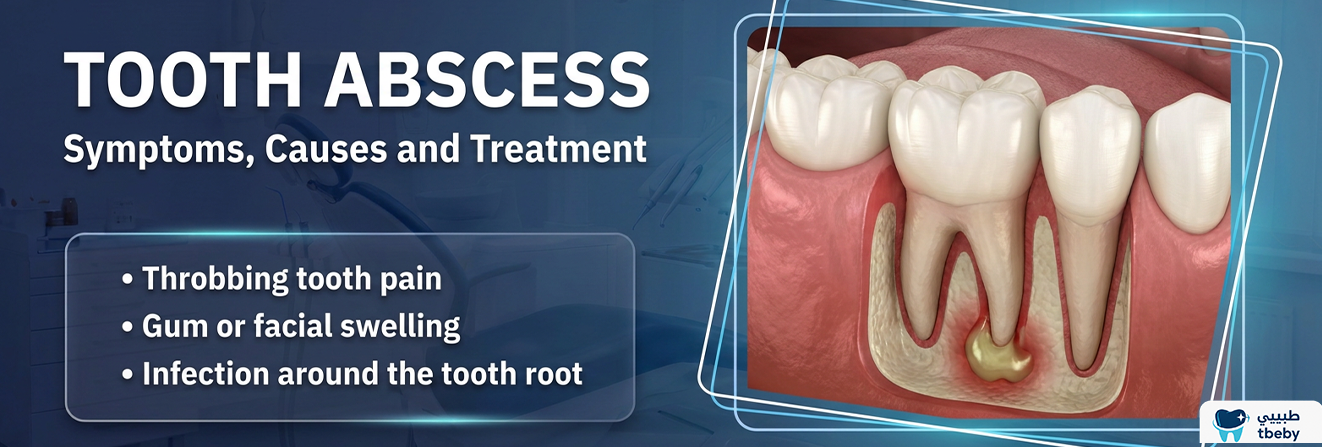

A tooth abscess is a pocket of pus caused by a bacterial infection in or around a tooth. It can cause throbbing pain, swollen gums, or facial swelling and needs prompt dental treatment, even if the discomfort improves.
The infection may develop when untreated decay, a damaged tooth, or gum disease allows bacteria to reach deeper tissues. Home measures can offer temporary comfort, but lasting relief depends on treating the source of the infection.
What Is a Tooth Abscess?
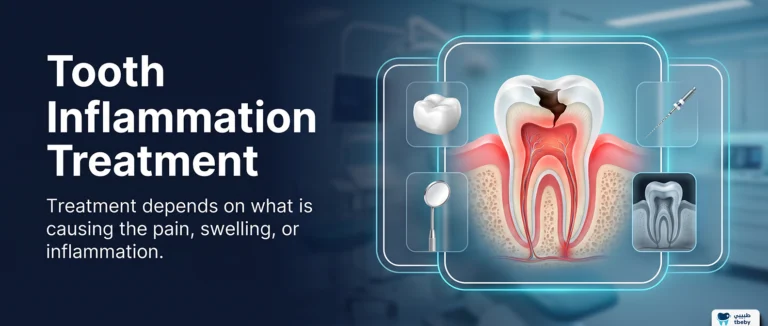
A tooth abscess can develop when bacteria reach the soft inner tissue of a tooth, called the pulp, which contains nerves and blood vessels. The infection may then spread through the root canal system and into the surrounding tissues.
An abscess can also form within the gum or the tissues supporting a tooth. Its location helps the dentist determine which treatment is needed.
A swollen lump on the gum does not always reveal where the infection began. A dental examination is necessary to identify the cause.
Tooth Abscess Symptoms
Symptoms depend on the location and extent of the infection. Common warning signs include:
- Persistent or throbbing toothache.
- Pain when biting or chewing.
- Sensitivity to hot or cold foods and drinks.
- Swelling in the gums, face, or jaw.
- An unpleasant taste, sometimes caused by draining pus.
- Fever or swollen glands in the neck.
These symptoms suggest a possible infection but do not confirm the diagnosis.
What Causes a Tooth Abscess?
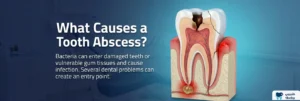
Bacteria can enter damaged teeth or vulnerable gum tissues and cause infection. Several dental problems can create an entry point.
1. Untreated Tooth Decay
A cavity can pass through the tooth’s protective layers and reach the pulp. Bacteria may then spread through the root canals into the surrounding tissues.
Treating decay early helps prevent a small cavity from becoming a more complicated infection.
2. Cracked or Injured Teeth
A crack, fracture, or injury may damage the pulp or allow bacteria to enter. Some cracks are difficult to see, particularly beneath an existing filling.
Persistent pain after an injury should be examined, even when the tooth looks intact, as timely dental restoration may help protect a damaged tooth from further deterioration.
3. Gum Disease
Advanced gum disease can create deep pockets between the teeth and gums. Bacteria and debris may collect in these spaces and cause an infection beside a root.
Trapped material, such as a popcorn husk, can sometimes contribute to a localized gum abscess.
4. Factors That Increase the Risk
- Factors that may increase the risk of developing a tooth abscess or another dental infection include:
Inconsistent brushing and not cleaning between teeth with dental floss or another suitable interdental cleaner.
- Frequent sugary snacks and drinks.
- Dry mouth.
- Delayed treatment for cavities or gum disease.
- A weakened immune system.
Some medicines cause dry mouth, indirectly increasing the risk of decay. They do not automatically cause an abscess.
Types of Tooth Abscess
The main types of tooth abscess are periapical, periodontal, and gingival abscesses. They differ primarily in where the infection begins. The table below outlines the main differences.
| Type | Location | Typical cause |
| Periapical abscess | Around the tip of a tooth root | Infection spreading from the pulp after deep decay or injury |
| Periodontal abscess | In supporting tissues beside a root | Infection within a gum pocket, often associated with gum disease |
| Gingival abscess | Within the gum tissue | A localized infection, sometimes involving trapped debris |
The location alone does not determine severity. The dentist also assesses symptoms, swelling, and the condition of the surrounding tissues.
How Is a Tooth Abscess Diagnosed?
A dentist examines the teeth and gums and asks about your symptoms. They may check for tenderness, swelling, drainage, deep gum pockets, and changes in how a tooth responds to testing.
Dental X-rays can help identify infection around a root and damage to nearby bone. If the infection appears to have spread beyond the immediate dental area, additional imaging such as a CT scan or specialist assessment may be needed.
Tell your dentist about medical conditions, medication allergies, and any medicines you take.
Tooth Abscess Treatment
Treatment removes the source of infection and manages the accumulated pus. The approach depends on the affected tissues and whether the tooth can be saved.
1. Drainage
The dentist may drain pus through the tooth, a gum pocket, or a small incision. This can reduce pressure, but additional treatment may still be necessary.
2. Root Canal Treatment
Root canal treatment may preserve a tooth that can be restored. The dentist removes infected pulp, cleans the canals, and seals them.
A filling or crown then restores and protects the remaining tooth structure.
3. Tooth Extraction
Extraction may be necessary when a tooth is too damaged to restore or has a poor long-term outlook.
Severe pain alone does not mean removal is required. The decision depends on the examination.
4. Gum Treatment
A periodontal abscess may require drainage and cleaning beneath the gumline. Further treatment helps address the gum pockets or deposits that contributed to the infection.
5. Antibiotics
Antibiotics are not necessary for every localized infection. Dental procedures are generally the priority when prompt treatment is available.
A dentist may prescribe antibiotics for a tooth abscess when the infection is spreading or causing fever or other systemic symptoms. Immune status and access to immediate dental treatment also affect the decision.
Never use leftover antibiotics or someone else’s prescription. Follow your dentist’s instructions if medication is prescribed.
Can You Treat a Tooth Abscess at Home?
Some measures for tooth pain relief at home may ease discomfort while you arrange dental treatment. However, they cannot remove infected pulp or reliably eliminate an abscess.
1. Temporary Pain Relief
Ibuprofen or paracetamol may help when appropriate for your health circumstances. Follow the product label and consult a pharmacist if you take other medicines, have medical conditions, or are pregnant.
Do not exceed the recommended dose or combine products containing the same active ingredient.
2. Gentle Oral Care
To make eating and cleaning more comfortable:
- Brush gently with an extra-soft toothbrush, taking care around the painful area
- Choose soft foods.
- Avoid very hot or cold foods if they trigger pain.
- Rinse gently with warm salt water and spit it out afterward.
Mouthwash cannot replace treatment for an infection inside a tooth or beneath the gums.
3. Practices to Avoid
Do not squeeze, puncture, or attempt to drain the swelling yourself.
Avoid placing aspirin directly on the gums or applying concentrated clove oil, which can irritate or burn oral tissues. Do not use hot compresses to try to make the abscess burst.
What If a Tooth Abscess Bursts?
When an abscess drains into the mouth, you may notice an unpleasant taste followed by reduced pressure or pain. This does not mean the infection has been cured.
Spit out the drainage, rinse gently, and contact a dentist for urgent assessment. Do not press the area to force out more pus.
The underlying problem may still require root canal treatment, gum treatment, or extraction.
How to Prevent a Tooth Abscess
Prevention focuses on daily oral care and early treatment of dental problems.
- Brush twice daily with fluoride toothpaste to help prevent decay that can lead to dental infections.
- Clean between teeth every day.
- Limit frequent sugary snacks and drinks.
- Attend dental checkups at recommended intervals.
- Treat cavities, damaged teeth, and persistent gum bleeding.
- Discuss ongoing dry mouth with a healthcare professional.
An electric toothbrush can support daily cleaning. An oral irrigator may be a useful additional tool for some people, but neither treats an existing abscess.
When to Get Help for a Tooth Abscess
A tooth abscess needs attention even when the pain is manageable. Arrange an urgent dental appointment to identify the cause and receive suitable treatment.
Pain relief and gentle cleaning may help while you wait, but recovery depends on treating the infection at its source.
FAQs About Tooth Abscess
These brief answers address common questions about symptoms, treatment, and recovery.
Can an Abscess Go Away on Its Own?
No. Symptoms may improve if it drains, but the underlying infection still needs dental treatment.
Can an Abscess Develop Without Severe Pain?
Yes. Some infections cause little pain, especially when pus can drain. Persistent swelling should still be examined.
Does Every Abscess Need Antibiotics?
No. Many localized infections require dental procedures. Antibiotics are prescribed when clinically necessary.
Can Salt Water Cure the Infection?
No. A salt-water rinse may provide temporary comfort but cannot remove the source of infection.
Is a Tooth Abscess Dangerous?
It can become serious if the infection spreads. Prompt treatment reduces the risk of complications.
Should I Pop a Lump on My Gum?
No. Attempting to drain it yourself can injure the tissue and delay appropriate treatment.
Will the Dentist Always Remove the Tooth?
No. Root canal treatment may save a restorable tooth. Extraction is considered when preservation is unlikely to succeed.
Can Mouthwash Replace Dental Treatment?
No. Mouthwash cannot clean infected root canals or eliminate an abscess beneath the gums.
How Long Does Recovery Take?
Recovery depends on the infection and treatment. Contact your dentist if symptoms worsen or do not improve as expected.
When Should I Seek Emergency Care?
Seek immediate help for breathing or swallowing difficulties, eye swelling, vision changes, extensive mouth swelling, or severe difficulty opening your mouth.
source
https://www.nhs.uk/conditions/dental-abscess/