
Dental implant surgery is currently among the most sought-after procedures in dental clinics worldwide, and for good reason; it represents the most effective and medically reliable solution for replacing missing or severely damaged teeth. Whether tooth loss results from advanced decay, trauma, or long-term neglect, dental implants restore both function and aesthetics with unmatched precision.
Unlike removable dentures or traditional bridges, dental implants integrate directly with the jawbone, offering a permanent, stable foundation that closely mimics the structure and performance of natural teeth. This makes them not merely a cosmetic choice, but a long-term investment in oral health, comfort, and self-confidence.
Why Do People Choose Dental Implants?
1. Tooth Loss Due to Decay
Tooth decay ranks among the most prevalent oral health conditions globally. When decay progresses to the nerve, and the tooth becomes unsalvageable, extraction becomes the only viable option. Left unreplaced, the gap can destabilize adjacent teeth and compromise jaw structure. Dental implants fill that gap permanently, preventing further deterioration.
2. Tooth Fracture from Trauma
A broken or chipped tooth resulting from physical impact can significantly affect a person’s smile, self-image, and willingness to engage socially. A dental implant restores the tooth to its original appearance, matching the neighbouring teeth in size, shape, and color, returning confidence alongside function.
3. Superior Comfort Compared to Traditional Prosthetics
One of the most commonly cited advantages of dental implants is the natural sensation they provide. Unlike removable dentures that can cause discomfort or shifting, implants feel and function identically to natural teeth, with no pain or irritation during everyday use.
You can use Teeth Whitening Toothpaste to maintain a bright, clean smile around your dental implants and natural teeth, helping to reduce surface stains and enhance the overall appearance of your restored smile.
How Does the Dental Implant Procedure Work?
1. Placement of the Metal Fixture
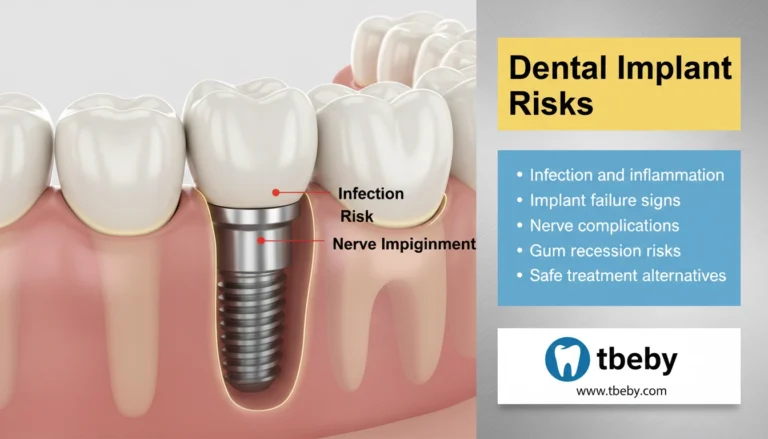
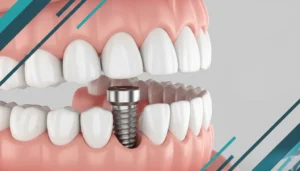
The procedure begins with a comprehensive clinical assessment of the gum tissue and bone density to confirm suitability. The surgeon then makes a precise incision in the gum at the site of the missing tooth and inserts a titanium post, the implant fixture, which functions as an artificial root. The gum is then sutured closed, leaving the fixture to integrate with the surrounding bone and tissue.
2. Osseointegration Period
This is the critical healing phase, typically spanning several months, during which the titanium fixture fuses fully with the jawbone in a biological process known as osseointegration. This fusion is what gives dental implants their exceptional stability and durability.
3. Abutment and Crown Placement
Once healing is complete, the surgeon reopens the gum, removes the sutures, and attaches a small connector piece to the abutment on the top of the implant fixture. The custom-fabricated artificial crown is then secured onto the abutment, completing the restoration. The final tooth matches the adjacent natural teeth in shape, dimension, and shade with remarkable accuracy.
The result is a fully functional tooth replacement that performs all the same roles as a natural tooth, including efficient chewing that supports healthy digestion.
You can use Medical Gauze to gently protect and clean the surgical site following abutment and crown placement, helping to manage any minor bleeding and maintain hygiene during the initial recovery period.
Daily Care After the Procedure
Maintaining the longevity of dental implants requires a consistent and appropriate oral hygiene routine:
- Electric toothbrush use is strongly recommended post-implant. It delivers superior cleaning around the gum line and implant crown, reduces plaque accumulation, and protects the prosthetic tooth without exerting harmful pressure on the implant site.
- Regular dental flossing is equally essential. It clears food debris and bacterial buildup from the spaces between teeth, around abutments, and along the gum margin areas that a standard brush cannot effectively reach.
Who Is a Suitable Candidate?
While dental implants are appropriate for the majority of adults experiencing tooth loss, candidacy depends on several clinical factors:
- Adequate bone density in the jaw to support osseointegration
- Absence of active gum disease or uncontrolled periodontal conditions
- Good systemic health, particularly the absence of unmanaged diabetes or autoimmune conditions
- Non-smoking status or willingness to cease smoking during healing
A thorough pre-operative examination, including radiographic imaging, is mandatory before any implant procedure is approved.
The Importance of Specialist Expertise
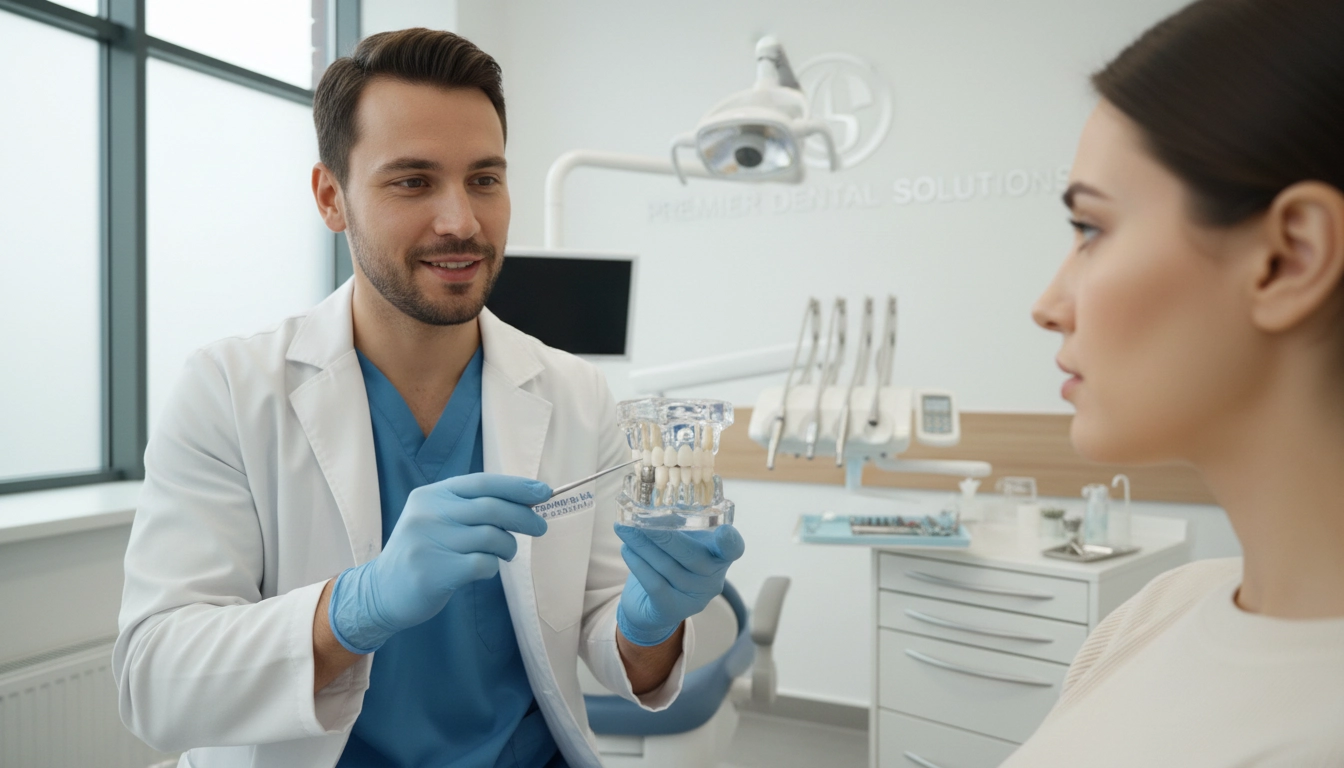
Implant surgery is a technically demanding procedure that requires both advanced surgical training and accumulated clinical experience. Selecting a qualified and experienced implant specialist is the single most decisive factor in ensuring procedural safety, minimizing complications, and achieving optimal long-term outcomes.
Patients are strongly advised to verify the specialist’s credentials, review documented case outcomes, and ensure the clinic is equipped with modern diagnostic and surgical technology.
You can use Gum Protection products to support gum health before and after implant surgery, helping to maintain healthy tissue condition that contributes to a safer procedure and a smoother long-term recovery.
Reclaim Your Smile with Confidence
Dental implants represent the pinnacle of restorative dentistry today, combining medical precision, functional excellence, and natural aesthetics into a single, lasting solution. From the initial titanium fixture placement to the final crown, every stage is engineered to restore your smile, your bite, and your quality of life.
Key Takeaways:
1. Safety and Efficacy
Implants replicate natural teeth in both form and function, backed by a thorough pre-operative assessment
2. Simple Daily Maintenance
An electric toothbrush and dental floss are all that is needed to maintain implant health long-term
3. Expertise Makes the Difference
Choosing a certified, experienced specialist is the cornerstone of a successful outcome
Do not allow tooth loss to compromise your quality of life or self-confidence. Schedule a consultation with a qualified implant specialist today and take the first step toward a complete, healthy, and radiant smile.
FAQs About Dental Implant Surgery
Is dental implant surgery a painful procedure?
Will I experience pain during or after the implant placement?
The procedure is performed under local anesthesia and causes minimal discomfort; once healed, the implant feels identical to a natural tooth.
How long does the complete dental implant process take?
What is the total time required from implant placement to final tooth fitting?
The full process spans several months to allow complete osseointegration of the fixture with the jawbone before the permanent crown is attached.
Is dental implant treatment suitable for everyone?
What are the medical prerequisites for undergoing implant surgery?
It is suitable for most adults, but requires a comprehensive examination to confirm adequate bone density and healthy gum tissue.
How should I care for my implants at home?
What is the best oral hygiene routine after completing implant surgery?
Daily use of an electric toothbrush and dental floss effectively removes plaque and food debris without damaging the implant site.
Will my implant look like a natural tooth?
Can others tell that I have had an artificial tooth placed
The crown is custom-fabricated to precisely match adjacent natural teeth in size, shape, and color, making it visually indistinguishable.
Can I chew food normally after receiving a dental implant?
Do implants perform the same chewing function as natural teeth?
Yes, implants are highly durable and fully replicate the chewing capacity of natural teeth, supporting efficient digestion.
How is the artificial crown connected to the implant fixture?
What role does the abutment play in the implant structure?
The abutment serves as a rigid connector secured to the top of the titanium fixture, onto which the final artificial crown is mounted.
Why are dental implants considered the best solution for missing teeth?
What distinguishes implants from traditional tooth replacement options?
Implants provide a permanent artificial root that integrates with the body, preserving adjacent teeth and preventing jawbone resorption.
Can any general dentist successfully perform implant surgery?
Why is it important to choose a specialist for dental implant placement?
Implant surgery is a complex procedure requiring advanced skills and experience to assess bone structure correctly and avoid surgical complications.
What happens if I do not replace a missing or extracted tooth?
What are the consequences of leaving a gap from a lost tooth untreated?
Untreated gaps negatively impact smile aesthetics, may cause adjacent teeth to shift, and can lead to difficulty chewing and progressive bone loss.
Source: