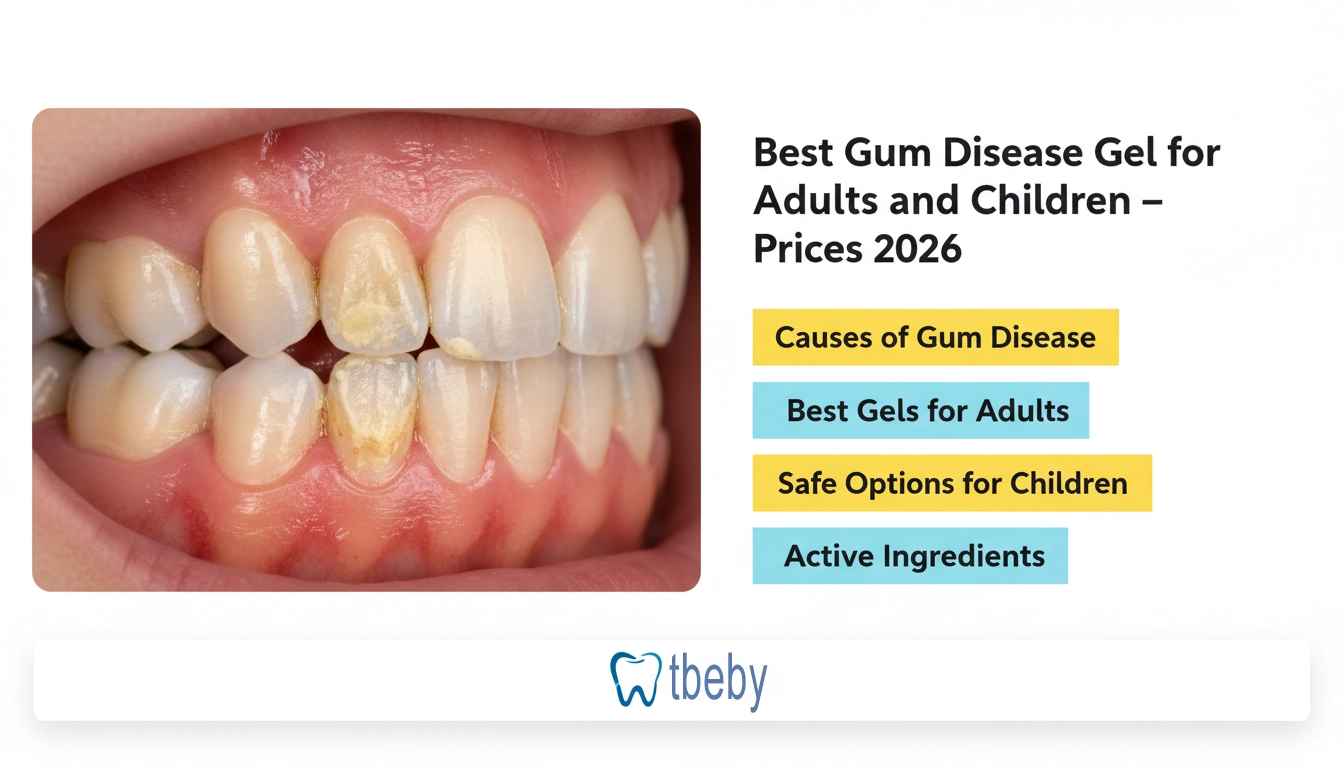

Gum disease gel is one of the most effective topical treatments available today for relieving gum inflammation, reducing bacterial buildup, and accelerating oral tissue recovery. Gum disease is among the most common dental conditions affecting people of all ages, and while it is generally not life-threatening, it should never be taken lightly. In this article, we explore the best gum disease gel options for both adults and children, review supporting medications, discuss natural home remedies, and provide up-to-date pricing information.
Causes of Gum Disease
Before identifying the most effective gum disease gel, it is essential to understand the underlying causes of gum inflammation and the symptoms that typically accompany it.
The primary cause of gum disease is poor oral hygiene, specifically, the failure to maintain consistent and thorough dental cleaning routines. Addressing sensitivity early is equally important.
You can use Toothpaste for Treating Sensitive Gums as a daily preventive measure to protect gum tissue before inflammation develops. Additional contributing factors include:
- Hormonal fluctuations associated with pregnancy
- Tobacco use and cigarette smoking
- Dental cavities and untreated tooth decay
- Genetic predisposition
- Diabetes mellitus and other metabolic conditions
Best Gum Disease Gel for Adults
Several pharmaceutical formulations are available for managing gum inflammation. Among these, gum disease gel is widely regarded as one of the most effective and gentle options delivering targeted relief without significant side effects.
1. Orature Gel
Orature Gel is a highly effective topical treatment for gum inflammation. Its active ingredient, methylpyridinium chloride, works by combating bacteria and fungi responsible for oral infections. The gel is rapidly absorbed into gum tissue and is well-tolerated even by sensitive users.
Beyond treating gum disease, Orature Gel is also suitable for managing mouth ulcers, teething pain, post-extraction discomfort, and various other oral conditions.
You can use Orature Gel to relieve gum inflammation and combat oral infections effectively from the comfort of your home.
2. Daktarin Oral Gel
Daktarin Oral Gel functions as a topical antifungal antibiotic and is considered one of the premier gum disease gel choices for adults. It targets fungal and bacterial infections that develop within the oral cavity and contribute to gum inflammation.
You can use Daktarin Oral Gel to target stubborn fungal and bacterial infections in the mouth with clinically proven antifungal action.
Fungal oral infections can be distinguished from bacterial ones by the following specific signs:
- A white coating on the tongue, gums, and occasionally the palate
- Bleeding when attempting to remove the white layer
- Cracking at the corners of the mouth
- Oral irritation causing difficulty in eating and swallowing
- Tooth pain and altered sensation
- Partial or complete loss of taste in some cases
3. JoJo gel (Jojoba Gel)
JoJo gel contains jojoba oil, a natural compound recognised for its anti-inflammatory and antibacterial properties. This gum disease gel can be applied directly to the affected area multiple times daily until satisfactory relief is achieved.
You can use JoJo gel (Jojoba Gel) as a gentle, natural daily treatment to soothe gum irritation and reduce inflammation without harsh chemicals.
4. Perigone Gel
Perigone Gel contains chlorhexidine gluconate, a clinically proven antiseptic agent. It is considered one of the most reliable options for treating gum disease, particularly due to its effectiveness in removing plaque deposits from tooth surfaces.
You can use Perigone Gel to eliminate plaque buildup and maintain a clean, bacteria-free oral environment with its powerful antiseptic formula.
Gum Disease Gel for Children
In addition to adult formulations, there are dedicated gum disease gel products specifically formulated for paediatric use.
1. Gingi Gel
Gingi Gel is one of the most widely used gum gels for both adults and children. Its formulation includes hyaluronic acid and xylitol, which provide a protective barrier between gum tissue and fungal agents, effectively preventing adhesion and supporting tissue healing.
The gel has a gentle, lightweight texture suitable for young children. It can be applied by placing a small amount on a clean fingertip and massaging it onto the affected area. It is approved for use in children aged three years and above.
You can use Gingi Gel to protect your child’s gums and support healthy oral tissue healing with its safe, hyaluronic acid-based formula.
2. Dent inox Teething Gel
Dent inox is specifically formulated for infants and young children in the early stages of teething. It is considered a safe and reliable option, containing:
- Lidocaine a local anaesthetic that provides rapid pain relief
| Product | For | Active Ingredient | Key Use |
| Orature Gel | Adults | Methylpyridinium chloride | Gum inflammation, mouth ulcers, teething pain, and post-extraction discomfort |
| Daktarin Oral Gel | Adults | Miconazole (antifungal antibiotic) | Fungal & bacterial oral infections |
| JoJo gel (Jojoba Gel) | Adults | Jojoba oil | Anti-inflammatory, antibacterial relief |
| Perigone Gel | Adults | Chlorhexidine gluconate | Plaque removal & antiseptic protection |
| Gingi Gel | Adults & Children (3+) | Hyaluronic acid & xylitol | Gum protection, tissue healing |
| Dent inox Teething Gel | Infants & Young Children | Lidocaine + Methylpyridinium chloride | Teething pain relief & tissue disinfection |
- Methylpyridinium chloride is an antiseptic agent that disinfects and protects inflamed tissue
- You can use Dent inox Teething Gel to quickly ease your infant’s teething discomfort with its fast-acting anaesthetic and antiseptic ingredients.
Best Medications for Gum Disease Treatment
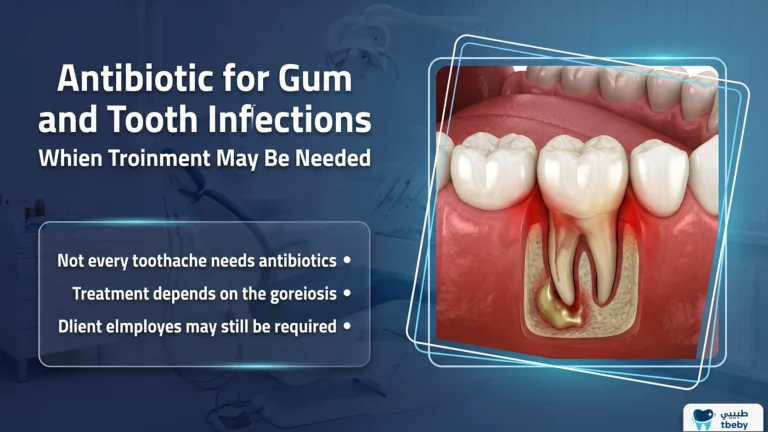
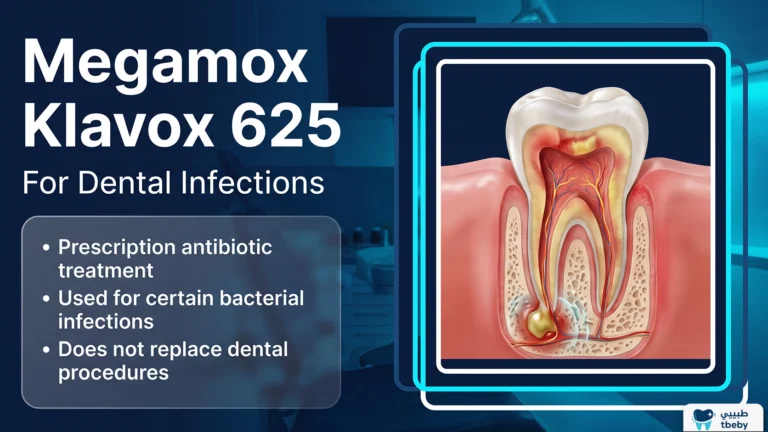
Beyond topical gum disease gel, several systemic medications are used in the clinical management of gum inflammation.
1. Minocycline
Minocycline is a potent antibiotic with pronounced anti-inflammatory properties. It is effective in eliminating the bacteria and fungi responsible for oral infections, facial swelling, tooth decay, and progressive tooth loss.
Important caution: Minocycline is contraindicated for pregnant women and individuals with cardiac or renal conditions. Medical consultation is mandatory before initiating treatment with this or any similar antibiotic.
2. Tetracycline
Tetracycline is another highly effective antibiotic for the rapid treatment of gum disease, attributed to its strong antibacterial mechanisms of action.
3. Azithromycin
Azithromycin is frequently prescribed by dental clinicians for patients presenting with gum disease, particularly in cases associated with chronic tobacco use. It is valued for its targeted antibacterial efficacy and patient tolerability.
Home Remedies for Severe Gum Inflammation
In addition to pharmaceutical gum disease gel options, several natural home remedies may provide meaningful symptomatic relief.
1. Clove
Clove is one of the most well-documented natural remedies for oral pain and gum inflammation. It functions as a natural analgesic and local anaesthetic. The most effective application method involves saturating a cotton swab with clove essential oil and applying it directly to the affected gum area.
2. Turmeric
Turmeric contains powerful anti-inflammatory and antifungal compounds. It helps reduce gum pain, redness, and swelling when applied topically as a paste or used in diluted form as an oral rinse.
3. Olive Oil
Olive oil is a well-regarded natural remedy for oral discomfort. A few drops can be massaged gently into the gum tissue using clean fingertips, and the process can be repeated several times daily for optimal results. For more advanced tissue recovery,
you can use Gum Repair Foam alongside natural remedies. Its lightweight formula penetrates gum tissue quickly to support healing after prolonged inflammation or dental procedures.
Essential Tips for Gum and Dental Care
Prevention remains the most effective strategy. The following evidence-based practices can significantly reduce the risk of gum disease:
- Brush teeth at least twice daily using fluoride toothpaste and after any dental procedure,
- You can use Medical Gauze to gently protect and clean sensitive gum areas, minimising the risk of post-treatment infection
- Use a soft-bristled toothbrush to minimise gum trauma
- Replace your toothbrush every three months
- Floss daily to remove food debris from between teeth
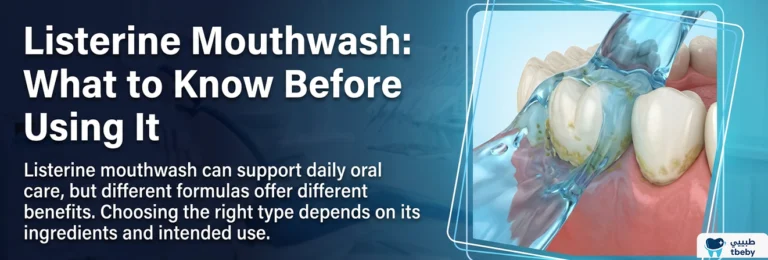
- Use an antiseptic mouthwash regularly to eliminate bacteria and neutralise bad breath
Cease tobacco use entirely
A Healthy Smile Begins with Healthy Gums
Gum disease is a widespread condition that deserves consistent attention and proactive management. The path to effective treatment begins with identifying root causes whether poor oral hygiene, hormonal changes, or systemic conditions. Whether you choose a clinically formulated gum disease gel such as Orature or Daktarin for their rapid action, or prefer systemic antibiotics and natural alternatives like clove oil and turmeric, maintaining a comprehensive daily oral care routine remains the most powerful preventive measure. Regular brushing, consistent flossing, and timely consultation with a qualified dental professional are the cornerstones of lifelong oral health.
FAQs About Gum Disease Gel
What is the best gum disease gel for adults?
Which gel provides the fastest pain relief for adult gum inflammation?
Orature and Daktarin are among the most clinically effective options for relieving pain and combating the bacteria and fungi that cause gum inflammation.
Is there a safe gum disease gel suitable for children?
What is the most appropriate topical treatment for teething pain in young children?
Yes, Gingi Gel and Dent inox are widely regarded as safe and effective options for children, providing teething relief and gum protection.
What is the primary cause of gum disease?
Why do gums repeatedly swell and bleed?
The main cause is poor oral hygiene, leading to bacterial accumulation, compounded by contributing factors such as smoking and diabetes.
Can severe gum inflammation be treated at home using natural remedies?
What are the most effective natural solutions for reducing gum swelling?
Clove oil, turmeric, and olive oil are effective natural ingredients that can locally relieve pain and reduce redness when applied consistently.
How do I know if I have gum disease?
What warning signs indicate a gum health problem?
Key symptoms include gum redness and swelling, bleeding during brushing, persistent bad breath, and heightened sensitivity to food and drinks.
How can I prevent gum disease in the future?
What is the ideal daily routine for maintaining healthy gums?
Brush at least twice daily, floss regularly, and replace your toothbrush every three months to maintain optimal gum health.
How can I distinguish between ordinary gum disease and an oral fungal infection?
What are the distinguishing signs of a fungal infection in the mouth?
Fungal infections are characterised by a white coating on the tongue and gums, bleeding upon removal, and difficulty swallowing.
Does pregnancy increase the risk of developing gum disease?
What is the relationship between hormonal changes during pregnancy and dental health?
Yes, the significant hormonal fluctuations during pregnancy render gum tissue more sensitive to inflammation and bleeding.
When should oral antibiotics be used for gum disease treatment?
Is topical gel alone sufficient, or is a medication like Minocycline sometimes necessary?
Oral antibiotics are prescribed by clinicians in cases of severe bacterial infection that do not respond adequately to topical treatment alone.
Does gum disease gel cause any side effects?
Is it safe to apply gum gel repeatedly over an extended period?
Gum disease gel is considered a safe and gentle treatment that rarely causes side effects when used according to the recommended guidelines.
Source: