

6 of the most common causes of tooth decay are what drive millions of people, adults and children alike, to seek dental care every year, and Egypt is no exception, where this problem ranks among the most widespread oral health concerns affecting people across all age groups.
Tooth decay does not appear overnight. It begins silently, often going unnoticed until it has already progressed through several layers of the tooth structure. Understanding what triggers, both directly and indirectly, is the first real step toward protecting your smile and avoiding costly, painful treatments down the line.
Causes of Tooth Decay
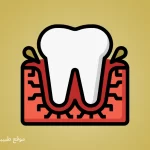
The primary cause of tooth decay lies in the initial damage to tooth enamel, the hard, protective outer layer of the tooth. Once portions of this layer are compromised, decay-causing bacteria find it easy to settle into those weakened areas. Over time, the decay deepens, penetrating further into the tooth and causing progressively greater structural damage.
You can use Interdental Brushes to clean the hard-to-reach areas around weakened enamel and prevent decay-causing bacteria from settling between your teeth.
6 of the Most Common Causes of Tooth Decay
When examining the 6 most common causes of tooth decay, it becomes clear that most are indirect factors that damage enamel and create favorable conditions for bacterial growth. Below is a breakdown of each:
1. Baby Bottle Feeding Habits in Children
Many children who experience severe early tooth decay share one common habit: falling asleep with a bottle of milk or a sugary drink in their mouth. The prolonged contact of sugar with teeth overnight creates an ideal environment for decay to develop rapidly.
2. 2. Gum Recession and Exposed Tooth Roots
When the gums recede from their natural position, a condition more common among older adults in Egypt and worldwide, the roots of the teeth become exposed. The outer layer covering tooth roots is significantly thinner and weaker than enamel, making them highly susceptible to bacterial attack and decay.
3. Poor Oral Hygiene
Neglecting to clean teeth properly allows food debris to accumulate on tooth surfaces. This debris serves as the primary food source for decay-causing bacteria. This is arguably the most prevalent of 6 of the six most common causes of tooth decay seen by dentists in Egypt and across the region.
4. Reduced Saliva Flow
Saliva plays a critical protective role in the oral environment; it neutralizes acidity and naturally washes away food particles. When saliva production decreases for any reason (medications, dehydration, or certain medical conditions), the mouth becomes more acidic, accelerating bacterial growth and increasing the risk of decay.
5. Enamel Weakness Due to Genetics or Illness
Some individuals are born with structurally weaker enamel or develop this weakness as a consequence of certain systemic diseases. This inherent vulnerability makes their teeth far more susceptible to decay, even with proper hygiene habits.
6. Acid Reflux and Digestive Disorders
Digestive conditions that cause stomach acid to travel upward into the mouth, most notably gastroesophageal reflux disease (GERD), lead to continuous enamel erosion. This acid exposure significantly increases the likelihood of tooth decay developing over time.
You can use a Children’s Toothbrush with Soft Bristles to gently clean teeth with acid-eroded enamel, as soft bristles minimize further irritation while maintaining effective daily oral hygiene.
Why Do Teeth Decay Despite Regular Brushing?
This is a question that puzzles many patients, particularly those in Egypt who maintain what they believe to be a consistent oral care routine. Among the key reasons:
1. Incorrect brushing technique
Using a toothbrush improperly can damage both teeth and gums over time, reducing rather than improving oral health.
2. Insufficient brushing frequency
Brushing less than twice daily leaves enough bacterial activity between sessions to initiate decay.
3. Skipping dental floss
A toothbrush cannot physically reach the contact points between teeth. Food debris trapped in these tight space’s feeds decay-causing bacteria even when the visible tooth surfaces appear clean.
4. A high-sugar, high-starch diet
Frequent consumption of sugary foods or spreading meals across four to five sittings per day sustains a near-constant supply of nutrients for oral bacteria.
Does Tooth Decay Spread Between Teeth?
This question requires a clear distinction. Tooth decay is not an infectious disease in the traditional sense; it cannot be “caught” from another person through normal interaction. However, decay can indirectly spread from one tooth to an adjacent one.
When decay forms on the side of a tooth, it creates a surface irregularity that makes it easier for food to become trapped between that tooth and its neighbor. Over time, the accumulated debris and bacteria feeding on it can initiate decay in the neighboring tooth as well. In Egypt, dentists frequently encounter this pattern of lateral decay spread, particularly in patients who delay treatment.
Stages of Tooth Decay
Regardless of which of the 6 of the most common causes of tooth decay initiated the process, decay itself progresses through five distinct stages:
| Stage | Name | Description | Tooth Condition |
| Stage 1 | White Spot Decay | Mineral loss from enamel causes a visible white spot to appear on the tooth surface | Intact, no cavity has formed yet |
| Stage 2 | Enamel Decay | Decay becomes visible and begins breaking through the outer enamel layer | Surface breach has not reached deeper structures |
| Stage 3 | Deep Decay (Dentine Involvement) | Decay penetrates through enamel into the softer dentine layer beneath, progressing toward the nerve | Moderate damage to the nerve has not yet affected it |
| Stage 4 | Pulp Involvement | Decay reaches the dental pulp, causing inflammation and significant pain that disrupts daily life | Severe nerve is inflamed and infected |
| Stage 5 | Tooth Collapse | Extensive structural destruction renders the tooth extremely difficult or impossible to restore | Critical extraction may be the only option |
Symptoms of Tooth Decay
Recognizing the symptoms of tooth decay early is essential for timely treatment. Common indicators include:
- Dark or black discoloration on the tooth surface
- Mild pain when consuming sweets or sugary foods
- Sensitivity to cold drinks that resolves quickly (indicating moderate decay)
- Sensitivity to cold or hot beverages that lingers (suggesting pulp involvement)
- Pain that intensifies at night or becomes persistent
- Difficulty chewing normally
- Food frequently becomes trapped in a specific area, often accompanied by recurring gum inflammation
Can Tooth Decay Be Treated?
Avoiding 6 of the most common causes of tooth decay can slow its progression, but definitive treatment always requires professional dental care. The appropriate treatment depends on the stage of decay:
1. White Spot Decay
The tooth surface is still intact. The dentist applies a fluoride-rich transparent varnish that penetrates the affected area and remineralizes the depleted enamel.
2. Enamel Decay
The dentist evaluates whether dietary modification and improved hygiene with close monitoring are sufficient, or whether the decay requires removal and filling.
3. Deep Decay
The decay is removed, and the cavity is filled with an appropriate restorative material selected based on the specific case.
4. Pulp Involvement T
he decays and the entire pulp tissue are removed, the root canal is thoroughly cleaned and disinfected, and root canal filling is placed. A dental crown is often required afterward to protect the weakened tooth from fracture.
Painkillers may offer temporary relief in severe cases, but they do not treat the underlying problem. Delaying dental care allows the condition to worsen, even if pain temporarily subsides.
- Tooth Collapse When the tooth is too damaged to be saved through any restorative method, extraction followed by a suitable replacement is the only viable option.
How to Prevent Tooth Decay from Spreading
Preventing the 6 of the most common causes of tooth decay from taking hold requires consistent daily habits. Key preventive measures include:
- Brush teeth at least twice daily using correct technique, with fluoride toothpaste
- After brushing, spit out excess toothpaste, but avoid rinsing completely, leaving a thin fluoride film on teeth, which enhances protection
- Use dental floss daily, before brushing, to clean interdental spaces
- Reduce sugar and starch intake as much as practically possible
- Drink plenty of water throughout the day to reduce oral acidity and flush away food debris
- Chew sugar-free gum to stimulate saliva production
Additional Preventive Practices
Complementing the above habits, several additional measures are particularly relevant for families in Egypt:
- Ensure children do not fall asleep with a bottle of milk or sugary liquid
- For young children unable to brush properly, clean the mouth and teeth with a damp cloth after feeding
- Maintain a balanced diet rich in fiber, vitamins, and minerals for both children and adults
- Avoid smoking and minimize exposure to second-hand smoke, which harms all oral tissues
- Schedule regular dental check-ups every six months. Early detection of 6 of the most common causes of tooth decay in their initial stages prevents significant long-term damage and expense
A Healthy Smile Starts with Prevention
Understanding 6 of the most common causes of tooth decay is not merely academic knowledge; it is the foundation of a lifelong approach to oral health. In Egypt, where access to dental care varies widely, prevention carries even greater importance. Tooth decay does not develop in isolation; it is the cumulative result of dietary habits, hygiene practices, genetics, and general health conditions working together over time.
Early detection, especially at the white spot stage, can spare patients considerable pain and expense. A daily routine built around proper brushing, consistent flossing, reduced sugar consumption, and regular dental visits is the most reliable defense against the progression of decay through its five stages.
Your smile is worth protecting. The steps required to do so are well within reach.
Related Dental Topics
FAQs About the 6 Most Common Causes of Tooth Decay
Can good brushing stop tooth decay from progressing?
Does returning to regular brushing reverse existing cavities?
Consistent brushing can halt decay in its earliest stages (white spots), but once a cavity has formed, professional dental treatment is required to restore the tooth.
Why are my teeth decaying even though I brush every day?
What causes tooth decay despite maintaining a daily brushing routine?
This typically results from incorrect brushing technique, failure to floss between teeth, or frequent consumption of sugary foods and drinks throughout the day.
Is tooth decay contagious, and can it be transmitted through contact?
Can the bacteria responsible for tooth decay spread from one person to another?
Tooth decay itself is not contagious, but the bacteria that cause it can transfer through shared utensils; decay can also spread indirectly between adjacent teeth.
What effect does dry mouth have on dental health?
How does reduced saliva production contribute to increased tooth decay?
Saliva neutralizes oral acids and clears food debris; when its production falls, bacteria thrive in a more acidic environment, significantly raising decay risk.
Does giving a child milk before bed cause tooth decay?
What are the risks of putting a child to sleep with a bottle?
Yes, sugar from milk that remains on teeth overnight leads to a condition commonly known as baby bottle tooth decay or early childhood caries.
When is tooth extraction the only remaining option?
Under what circumstances does a dentist choose extraction over restoration?
Extraction becomes necessary when the tooth has reached complete structural collapse and can no longer be restored through fillings or crowns.
Does mouthwash replace the need for dental floss?
Which is more effective for preventing interdental decay: mouthwash or dental floss?
Mouthwash does not substitute for floss; only floss can physically dislodge solid food particles and plaque from tight interdental spaces.
Does acid reflux cause tooth enamel erosion?
How do digestive disorders affect the integrity of tooth enamel?
Yes, stomach acid that reaches the mouth progressively erodes enamel, creating vulnerabilities that decay-causing bacteria readily exploit.
Why do dentists recommend fluoride toothpaste?
What role does fluoride play in protecting teeth from decay?
Fluoride actively remineralizes weakened enamel and strengthens it against the acid attacks produced by oral bacteria.
How can I tell if tooth decay has reached the nerve?
What are the signs that dental pulp has been affected by decay?
Persistent, intense pain that worsens at night or sharp sensitivity to hot and cold that does not resolve quickly strongly indicates pulp involvement.
Source:
https://www.mayoclinic.org/ar/diseases-conditions/cavities/symptoms-causes/syc-20352892