
Pain after a root canal usually lasts for a few days and gradually becomes less noticeable as the tissues around the treated tooth heal. Some tenderness when biting may continue slightly longer, especially if the tooth was severely inflamed before treatment. However, severe pain, visible swelling, an uneven bite, or symptoms that worsen rather than improve should be assessed by a dentist or endodontist.
How Long Pain After a Root Canal Usually Lasts
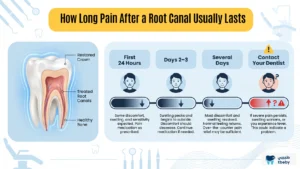
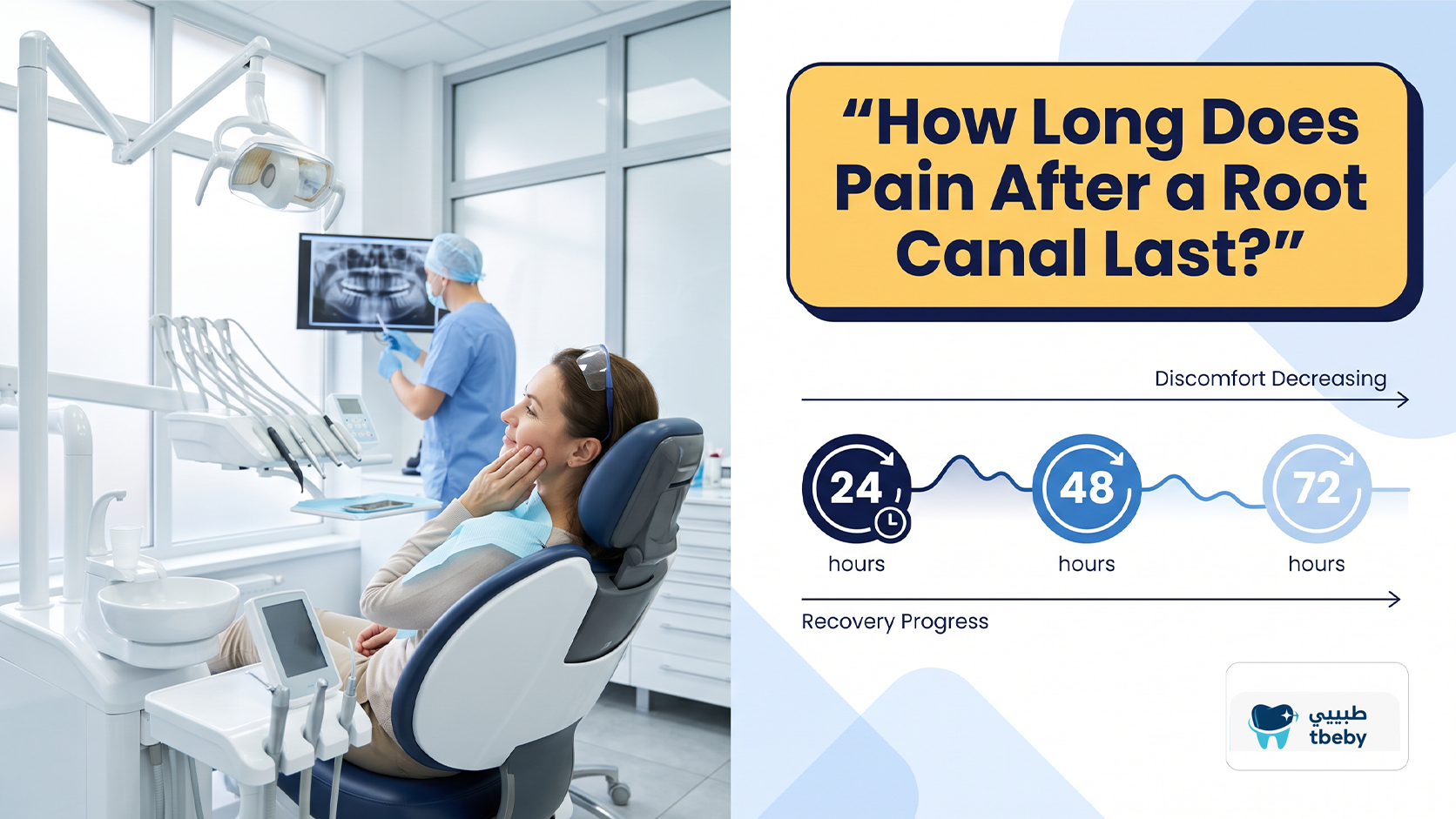
For most people, pain after a root canal starts as the anesthetic wears off and improves within 24–72 hours, though mild soreness may last several days.
The treated tooth may feel different temporarily due to irritated tissues around the root, especially while a temporary filling or crown is still in place.
| Time after treatment | What may be expected | What to do |
| First 24 hours | Tenderness, mild aching, or jaw soreness as numbness fades | Follow the dentist’s instructions and avoid heavy chewing |
| Days 2 to 3 | Discomfort should begin to ease, though biting may remain tender | Use suitable pain relief only as directed |
| Several days | Mild sensitivity can persist but should keep improving | Contact the dentist if improvement stalls |
| Beyond a few days | Severe, increasing, or unchanged pain should not be ignored | Arrange a dental review, especially with swelling or fever |
A temporary dental filling material may provide short-term protection when recommended by a dentist, but it should not replace the permanent filling or crown needed to restore the treated tooth properly.
Why Pain After a Root Canal Can Happen
Several factors can explain short-term soreness after treatment. Some are part of normal healing, while others need a dentist to correct them.
Pain during root canal treatment is usually controlled with local anesthesia, while the soreness felt afterward often comes from inflammation in the tissues surrounding the treated root.
1. Inflamed Tissues Around the Root
Root canal treatment removes tissue from inside the tooth, but the ligament and bone around the root can remain sensitive. Cleaning the canals may also temporarily irritate these tissues, causing pressure or tenderness when chewing.
2. A Bite That Feels Too High
If the temporary or permanent filling contacts the opposite tooth too early, the treated tooth receives extra pressure with every bite. This can prolong pain after a root canal. A dentist can usually adjust the bite quickly after examining it.
3. Severe Infection Before Treatment
A tooth with extensive inflammation or an abscess may take longer to settle. Occasionally, infection remains or returns because a canal was difficult to clean, the seal leaked, or the tooth developed a crack. These possibilities require a clinical examination and often an X-ray.
How to Relieve Pain After a Root Canal Safely
Simple aftercare often makes recovery more comfortable. The instructions from the treating dentist should take priority because the tooth, restoration, and medical history differ from one patient to another.
- Some toothache pain relief tablets may temporarily reduce discomfort after treatment, but they should only be used when medically appropriate and according to the product label or your dentist’s instructions.
- Choose soft foods for the first day or two and chew on the other side when practical.
- Avoid hard, sticky, or very crunchy foods until the tooth has its final restoration or the dentist says normal chewing is safe.
- Brush and floss as usual, but work gently around the treated tooth and any temporary filling. If the surrounding gums feel tender, using a toothpaste for sensitive gums may make routine brushing more comfortable, although it will not treat the cause of post-treatment pain.
- Do not place aspirin, undiluted clove oil, garlic, or other irritating substances directly on the tooth or gum.
- Keep the appointment for a permanent filling or crown. Delaying the final restoration can leave the tooth more vulnerable to fracture or leakage.
When Pain After a Root Canal Needs a Dentist
Contact the treating dentist or endodontist if pain after a root canal is severe, lasts more than a few days without improvement, returns after settling, or interferes with eating and sleeping.
Seek prompt dental advice if you notice:
- Visible swelling inside the mouth or swelling of the face or jaw.
- Fever, feeling unwell, pus, or a bad taste that may suggest infection.
- An uneven bite or sharp pain whenever the teeth meet.
- A temporary filling or crown that becomes loose or falls out.
- Rash, hives, itching, breathing difficulty, or another possible medicine reaction.
- The same symptoms that were present before treatment returning.
Facial swelling with difficulty breathing or swallowing can signal a spreading infection and requires urgent medical care. Do not wait for a routine dental appointment in that situation.
What Root Canal Treatment Does
Root canal treatment is used when the dental pulp becomes inflamed, infected, or dead. Under local anesthesia, the dentist or endodontist removes the damaged pulp, cleans and shapes the canals, then fills and seals them. The tooth is later restored with a filling or crown when needed.
Common reasons for root canal treatment include:
- Deep tooth decay.
- A leaking or damaged filling.
- Repeated dental procedures on the same tooth.
- A cracked or fractured tooth.
- Trauma that damages the dental pulp.
- Infection or an abscess inside or around the tooth.
Modern local anesthesia means the procedure itself should usually feel similar to having a regular filling. Temporary soreness afterward comes mainly from the healing tissues around the root, not from a living nerve remaining inside the treated tooth.
Regular brushing with an anti-cavity toothpaste can support daily plaque control and help reduce the risk of new decay, but it cannot treat an infected or damaged dental pulp.
Recovery From Pain After a Root Canal
Mild pain after a root canal should move in the right direction each day. Protect the tooth, follow the medication and restoration plan, and arrange a dental review if symptoms are severe, worsening, or accompanied by swelling.
Timely follow-up can identify a high bite, damaged temporary filling, crack, or continuing infection before the problem becomes harder to treat.
Frequently Asked Questions About Pain After a Root Canal
These brief answers cover the concerns patients most often have during recovery.
Is Pain After a Root Canal Normal?
Yes. Mild aching or tenderness for a few days is common and should gradually improve.
How Long Should Pain After a Root Canal Last?
It often improves within 24 to 72 hours, although mild tenderness can continue for several days.
Why Does the Tooth Hurt When I Bite?
The tissues around the root may still be inflamed, or the filling may make the bite feel too high.
Can Pain After a Root Canal Last a Week?
Mild and steadily improving tenderness can sometimes last close to a week. Persistent or worsening pain needs a dental review.
What Pain Relief Can I Take?
Use only a medicine that is safe for you and follow the label or your dentist’s instructions. Ask a pharmacist if you are unsure.
Can I Eat After Root Canal Treatment?
Wait until the numbness has worn off, then choose soft foods and avoid heavy chewing on the treated tooth.
Should I Use Heat or Ice?
A cool compress placed outside the cheek may ease soreness. Ask your dentist before using heat when swelling is present.
Does Swelling After Treatment Mean Infection?
Not always, but visible or increasing swelling should be assessed promptly by a dentist.
Can the Treated Tooth Become Infected Again?
Yes, although it is uncommon. Leakage, a crack, or an untreated canal may allow symptoms to return.
When Is Pain After a Root Canal an Emergency?
Seek urgent care for facial swelling accompanied by trouble breathing or swallowing, or if you become rapidly unwell.
- Medical Sources:
American Association of Endodontists: Post-Treatment Care
NHS 111 Wales: Root Canal Treatment