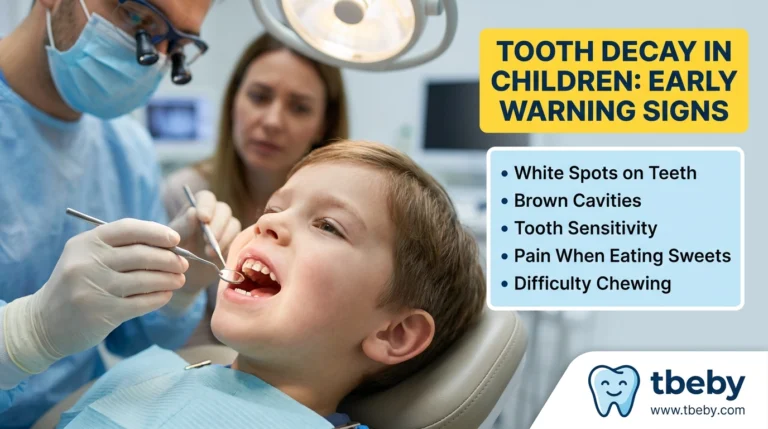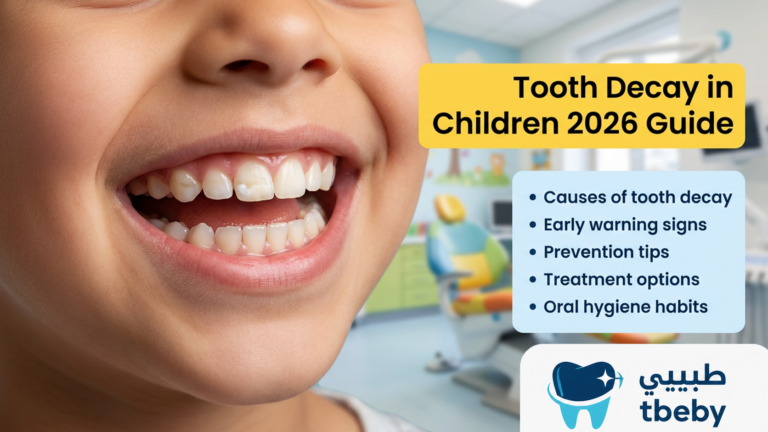
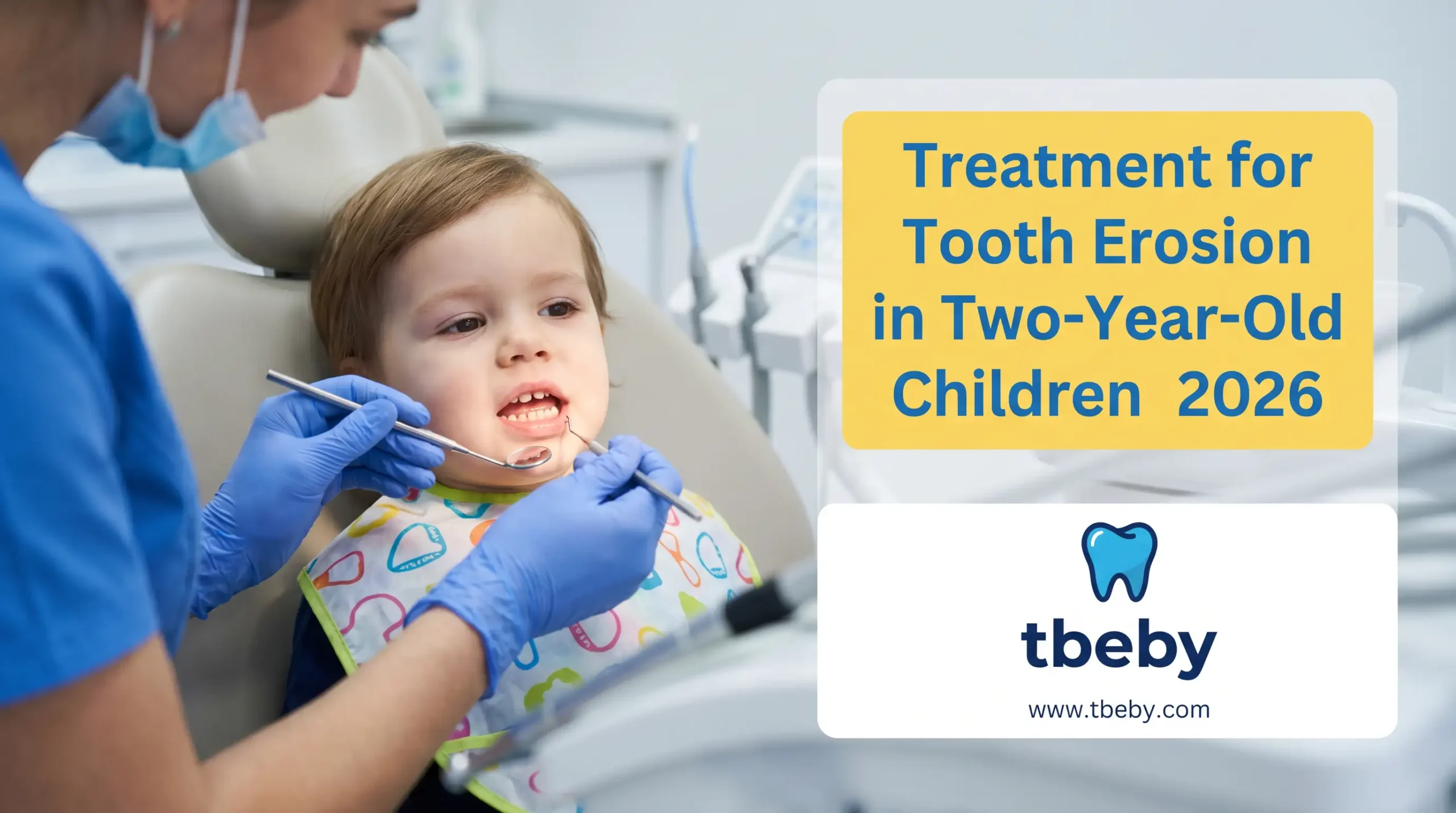

Treatment for tooth erosion in two-year-old children is one of the most pressing dental health concerns, affecting both the child’s well-being and the parents’ peace of mind. Since oral and dental health reflects a significant part of overall physical and psychological well-being, especially for young children, this article will examine the causes, types, and provide practical guidance on prevention.
What Is Tooth Erosion in Young Children
Tooth erosion refers to the loss of the outer white enamel layer that covers the teeth and molars. This enamel layer serves as the primary barrier protecting the inner layers of the tooth from the external factors it encounters daily.
These external factors are the leading cause of dental erosion, with chemical factors such as highly acidic substances and mechanical factors such as various forms of friction ranking among the most significant. Other contributing causes will be discussed further below.
What makes this condition particularly concerning is that erosion does not merely affect the appearance of the teeth. Over time, it exposes the weaker inner layers, including the dentin, dental pulp, and nerves, to these damaging factors, which can cause considerable and persistent pain for the child.
Using an oral irrigator is recommended, as it provides deep yet gentle cleaning through water pressure rather than aggressive mechanical friction. This protects exposed, weaker layers such as dentin from further erosion while gently removing harmful acids.
You can use the Children’s Toothbrush to gently clean your child’s teeth with the right size and soft bristles, reducing the mechanical friction that accelerates enamel erosion.
What Causes Tooth Erosion in Your Child
There are several causes that lead to tooth erosion, and each cause corresponds to a specific type of erosion requiring a different treatment approach. Some causes can be avoided, while others are natural and unavoidable but can be minimized.
1. Erosion Caused by Acids
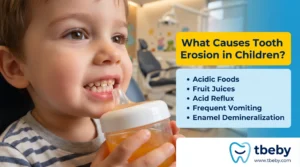
When the enamel layer is exposed to highly acidic foods or substances, it loses calcium, becoming more fragile and prone to erosion and chipping. Common contributors to increased oral acidity include digestive issues that cause stomach acid reflux into the mouth, health conditions that lead to frequent vomiting, excessive consumption of carbonated and sparkling beverages, frequent intake of acidic fruits or natural juices such as oranges and lemons, and the use of unknown mouthwash or toothpaste brands containing high acid concentrations.
Investing in a complete dental cleaning kit is recommended, as it provides the tools needed to maintain each tooth individually and remove microscopic acid residue, strengthening enamel and preventing ongoing erosion.
2. Erosion Caused by Mechanical Factors and Friction
This factor is among the most common causes of tooth erosion in children at this age and results in several distinct types of damage.
Improper brushing technique, particularly aggressive use of the toothbrush and toothpaste, accelerates erosion of the front teeth. This is known as mechanical abrasion. Harmful habits such as biting hard or sharp objects, including pens, toys, or fingernails, also contribute to erosion. When a child grinds or clenches their teeth, especially during sleep, the cutting edges of the teeth experience friction-induced wear known as attrition. Reliance on tough foods at this young age further increases the risk.
3. Erosion Caused by Physiological and Age-Related Factors
These causes are typically not the result of avoidable habits, though certain steps can help reduce their severity.
Nighttime bottle feeding has a notable effect once teeth begin to appear, particularly between one and two years of age, since milk can remain in the child’s mouth for extended periods during sleep, sometimes up to eight hours. The eruption of back teeth also influences the erosion of the front teeth, as their larger size increases friction between the upper and lower front teeth. Additionally, dry mouth and reduced saliva production accelerate tooth erosion, since saliva plays an essential protective role in maintaining oral health.
Using toothpaste formulated for sensitive teeth is recommended, as it contains compounds that seal microscopic pores in exposed dentin, forming a protective barrier that reduces pain signals reaching the nerves and allows the child to eat more comfortably during tooth development.
How to Treat Tooth Erosion in Two-Year-Old Children
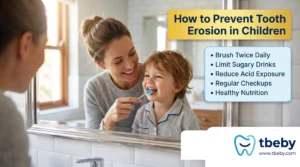
Once erosion has occurred, proper treatment is essential to preserve remaining teeth, slow further damage, and repair affected areas.
You can use the Cavity Relief Foam to neutralise acids in your child’s mouth and support enamel remineralisation as part of their daily oral care routine alongside professional treatment.
1. Medical Treatment for Tooth Erosion in Two-Year-Old Children
This treatment approach applies when an underlying medical condition causes the erosion, most often related to acid-related enamel damage. A physician may prescribe medication to reduce oral acidity or treat acid reflux.
2. Dental Treatment for Tooth Erosion in Two-Year-Old Children
Consulting a dentist promptly upon noticing any enamel erosion is essential. The following table summarizes the main dental procedures typically recommended by professionals.
| Treatment Method | Description |
| Fluoride Sessions | Regular fluoride gel or solution applications are scheduled by the dentist based on the severity of the case |
| Specialized Oral Care Products | Use of fluoride-rich mouth rinses and toothpaste containing essential minerals such as calcium and potassium |
| Cosmetic Restorations | Fillings are used to repair visibly damaged or worn tooth surfaces. |
| Crowns | Fixed restorations were applied in cases of severe erosion to protect the remaining tooth structure. |
| Root Canal Treatment | Performed when the nerve has been affected or damaged |
| Orthodontic Treatment | Used in some cases to better align teeth and reduce friction between surfaces |
Essential Tips to Protect Your Child From Tooth Erosion
Certain habits, when consistently followed, can prevent erosion altogether or slow its progression in cases where mild damage has already occurred.
| Prevention Category | Recommended Action | |
| 1 | Diet – Beverages | Limit carbonated and sparkling drinks, especially for young children. |
| 2 | Diet – Acidic Foods | Reduce acidic foods and drinks that increase tooth exposure to acid. |
| 3 | Oral Hygiene | Brush teeth twice daily — once upon waking and once before bed. |
| 4 | Dental Visits | Schedule routine dental checkups every 6–12 months. |
| 5 | Teeth Grinding | Consult a child psychologist if needed; have the dentist fit a protective night guard. |
| 6 | Oral Safety | Avoid biting hard or sharp objects; limit tough, hard-to-chew foods. |
| 7 | Night Feeding | End feeding at least 45 minutes before sleep; gently wipe teeth with a clean cloth or cotton pad after feeding. |
| 8 | Hydration & Nutrition | Drink water after acid-, sugar-, or starch-rich meals and follow a balanced diet. |
The First Step Toward a Pain-Free Future
Tooth erosion in two-year-old children is not merely a passing cosmetic concern. It is a warning sign that calls for conscious intervention to protect a child’s physical and psychological well-being. Understanding the range of causes, whether acidic, mechanical, or rooted in everyday habits such as nighttime feeding, empowers parents to take effective, proactive steps.
Prevention begins at home through proper oral hygiene habits and reducing contributing factors, but it is completed through specialized professional care. Do not let pain take away your child’s smile. Schedule a consultation with a trusted paediatric dentist today, and invest in the right oral care products to support strong, healthy dental development.
You can use Medical Gauze to gently wipe your child’s teeth and gums after night feeds, removing harmful milk residue before it sits on the enamel for extended periods.
FAQs About Tooth Erosion in Children
What is tooth erosion in children?
What does enamel loss in a child’s teeth mean?
It is the loss of the tooth’s protective outer enamel layer due to continuous exposure to chemical or mechanical friction factors.
What causes tooth erosion in a two-year-old child?
Why do baby teeth erode and chip early?
Erosion typically results from acids, such as food or reflux, aggressive friction, or milk remaining in the mouth for long periods at night.
How do acids affect a child’s teeth?
What role does acid erosion play in tooth damage?
Acids draw calcium out of the enamel layer, making it fragile, weak, and more prone to rapid erosion.
Does nighttime feeding cause tooth erosion?
How risky is milk remaining in a child’s mouth during sleep?
Yes, prolonged milk exposure overnight encourages bacteria to produce acids that attack and damage the enamel.
Does teeth grinding harm my child’s teeth?
What effect does nighttime clenching and grinding have on teeth?
Continuous grinding and clenching cause aggressive mechanical friction that erodes the cutting edges of the teeth.
What is the benefit of fluoride sessions for children?
How does fluoride help treat enamel erosion?
Fluoride remineralizes teeth and strengthens enamel, slowing erosion and protecting the remaining tooth structure.
How can I protect my child from tooth erosion?
What are the most important prevention methods for children’s teeth?
By reducing sugar and acid intake, brushing twice daily, wiping the mouth after feeding, and visiting the dentist regularly.
When should I take my child to the dentist?
What is the right time for a child’s routine dental checkup?
Visit immediately upon noticing any change or erosion, alongside a routine checkup every six to twelve months.
Does tooth erosion cause pain for the child?
Why does my child cry or feel discomfort when eating certain foods?
Yes, because erosion exposes sensitive inner layers, such as dentin and nerves, causing persistent and uncomfortable pain.
Is using toothpaste designed for children helpful?
How do I choose care products for a child experiencing erosion?
Yes, toothpaste for sensitive teeth and a gentle rinse help seal exposed dentin and reduce the child’s discomfort.
https://www.guysandstthomas.nhs.uk/health-information/dental-decay-treatment-children