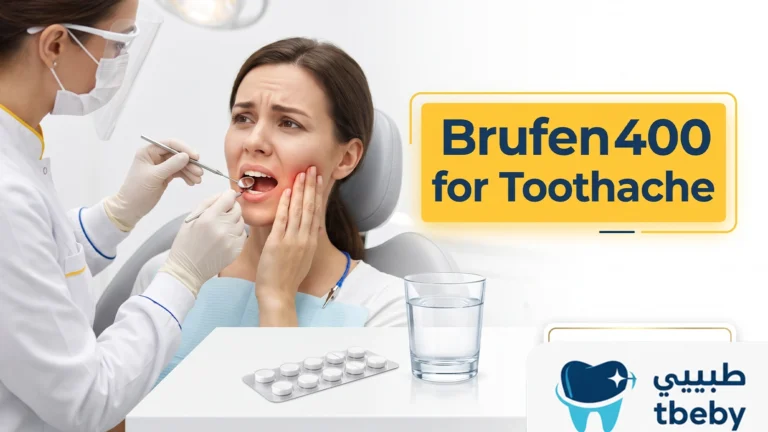
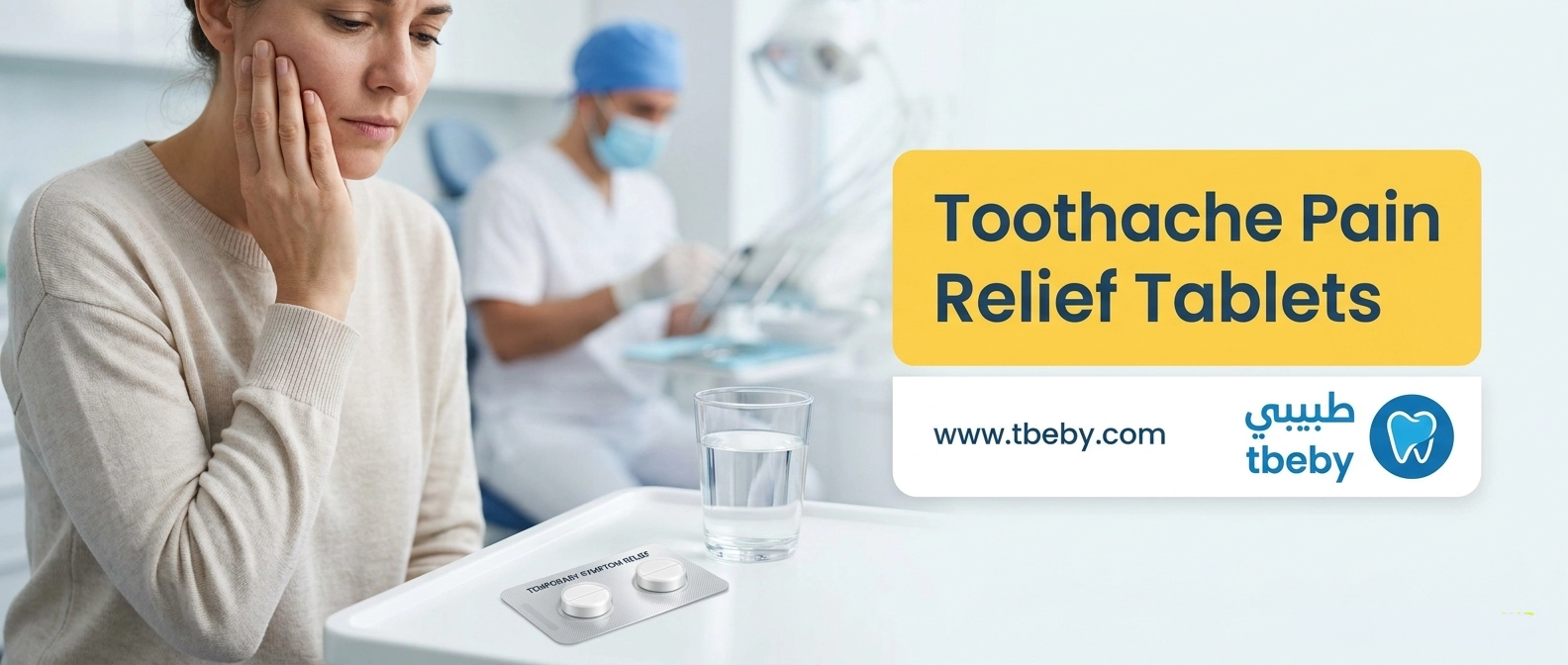

Toothache pain can range from mild sensitivity to intense throbbing that interferes with eating, sleeping, and daily activities. Toothache pain relief tablets may help control symptoms for a short time, but they do not treat the underlying cause.
Cavities, gum disease, cracked teeth, dental abscesses, and other problems often require professional dental treatment. This guide explains the most commonly used pain-relief options, other ways to make a toothache more manageable, important medication precautions, and the warning signs that mean you should seek dental care.
What Is Toothache?

A toothache is pain felt in or around a tooth. It may be constant or intermittent and can become more noticeable when biting, chewing, or consuming very hot, cold, or sweet foods and drinks.
Painkillers can reduce discomfort temporarily, but recurring pain usually means that the source still needs attention. Toothache pain relief tablets should therefore be viewed as short-term symptom management while you arrange appropriate dental care.
For irritated or sensitive gums, a gum care gel may provide temporary soothing relief when used according to the product instructions, but it should not delay diagnosis of persistent dental pain.
Common Causes and Symptoms of Tooth Pain
The intensity and character of dental pain can vary depending on its cause. Some people experience brief sensitivity, while others develop persistent or severe pain.
Common causes include:
- Tooth decay that has reached deeper layers of the tooth.
- Gingivitis or other conditions that cause inflamed or infected gums.
- A cracked, fractured, or damaged tooth.
- A dental abscess or infection.
- An erupting or impacted wisdom tooth.
- A loose or damaged filling or restoration.
Possible symptoms include:
- Pain while chewing or biting.
- Sensitivity to hot or cold temperatures.
- Throbbing pain.
- Swollen or red gums.
- Facial or jaw swelling.
- A bad taste in the mouth.
- Fever in some cases.
If sensitivity is the main problem, a toothpaste for sensitive teeth may help reduce discomfort over time, especially when sensitivity is related to exposed dentin. Persistent or severe sensitivity still deserves a dental assessment.
Best Toothache Pain Relief Tablets
Several over-the-counter medicines are commonly used for temporary dental pain. The best choice depends on age, medical history, other medications, allergies, pregnancy status, and the cause of the pain.
1. Ibuprofen and Other NSAIDs
Ibuprofen is a nonsteroidal anti-inflammatory drug (NSAID) that helps reduce dental pain and inflammation.
American Dental Association guidance recommends NSAIDs such as ibuprofen or naproxen as first-line options for acute dental pain, either alone or, when appropriate, with acetaminophen.
NSAIDs are not suitable for everyone, particularly people with certain stomach, kidney, cardiovascular, bleeding, allergy, or pregnancy-related concerns. Always follow the label or seek professional advice if unsure.
2. Acetaminophen (Paracetamol)
Acetaminophen, also called paracetamol in many countries, is another widely used pain reliever. It can help reduce toothache and fever, although it does not provide the same anti-inflammatory action as NSAIDs.
For some patients, acetaminophen may be an option when NSAIDs are unsuitable. In other situations, a healthcare professional may recommend combining an NSAID with acetaminophen because the medicines work differently.
Do not exceed the labeled dose, and remember that acetaminophen may also be present in combination cold, flu, or prescription products.
Quick Comparison of Common Pain-Relief Options
Choosing between toothache pain relief tablets depends on individual health circumstances as well as the type and severity of the pain.
| Option | Main Role | Potential Advantage | Important Note |
| Ibuprofen | Pain and inflammation relief | Often useful for inflammatory dental pain | Not appropriate for everyone |
| Naproxen | Pain and inflammation relief | Longer-lasting NSAID option in some settings | Follow local labeling and medical advice |
| Acetaminophen / Paracetamol | Pain and fever relief | May suit some people who cannot use NSAIDs | Excess dosing can seriously harm the liver |
| NSAID + Acetaminophen | Combined pain control | Can be effective for acute dental pain when appropriate | Stay within labeled or professionally advised limits |
Are Stronger Prescription Painkillers Necessary?
Stronger medication is not automatically better for dental pain. In many cases, non-opioid toothache pain relief tablets are preferred as the first option.
Most uncomplicated acute dental pain should not automatically require opioid painkillers. Current ADA guidance places non-opioid options first and reserves opioids for limited situations when first-line therapy is inadequate or cannot be used.
Any prescription medicine should be taken only as directed by a qualified clinician.
More importantly, stronger pain relief does not remove decay, drain an abscess, repair a cracked tooth, or treat an inflamed dental pulp. Definitive dental treatment is what addresses the cause.
Pain-Relieving Gels for Adults
Tablets are not the only products available for temporary dental discomfort. Some oral gels are designed to numb or soothe painful areas for a short period.
Oral pain-relieving gels contain different active ingredients depending on the product and country. Their approved uses and safety instructions can therefore vary.
A topical gel may briefly numb or soothe the affected area, but it should not be applied excessively or used as a substitute for dental care.
It is also important not to assume that every oral gel treats infection. Many products only reduce symptoms temporarily.
Effervescent Painkillers for Toothache
Some toothache pain relief tablets and other analgesics are available in soluble or effervescent formulations. The formulation itself does not necessarily make the medicine stronger or safer.
Some soluble products, for example, contain NSAIDs such as diclofenac. Availability and prescription requirements vary between countries.
Before using an effervescent painkiller, check:
- The active ingredient.
- Recommended dosage.
- Sodium content.
- Possible contraindications.
- Other medicines you are currently taking.
- Whether another medicine you use contains the same or a similar active ingredient.
Avoid taking two NSAIDs together unless specifically advised by a healthcare professional.
Natural and Home Measures for Temporary Toothache Relief
If you are waiting for a dental appointment, simple self-care measures can sometimes make the pain easier to tolerate. These methods may complement toothache pain relief tablets, but they cannot cure most underlying dental conditions.
1. Salt-Water Rinse
Adults can gently rinse with warm salt water to help clean the mouth and soothe irritated tissues.
Do not swallow the rinse, and avoid giving salt-water rinses to young children who may accidentally swallow them.
2. Cold Compress
A cold compress applied to the outside of the cheek for short intervals may help reduce swelling and temporarily numb discomfort.
Wrap ice or a cold pack in cloth rather than applying it directly to the skin.
A reusable Cold compress can be convenient for external application. For an acute toothache accompanied by swelling, cold application is generally the more appropriate temporary measure.
3. Clove and Clove Oil
Clove contains eugenol, a compound known for its local anesthetic properties. This is one reason clove has traditionally been used for temporary dental discomfort.
However, concentrated clove oil can irritate or burn oral tissues if used incorrectly. Direct or repeated application should be avoided unless a suitable product specifically instructs otherwise.
Clove oil does not treat tooth decay, infection, or other underlying causes of dental pain.
4. Gentle Oral Care and Food Choices
A few simple adjustments can make dental pain easier to manage while waiting for treatment:
- Choose soft foods.
- Chew on the opposite side when possible.
- Avoid very sweet foods and drinks.
- Avoid extremely hot or cold foods if they trigger sensitivity.
- Brush gently using a soft toothbrush.
- Carefully remove trapped food between teeth.
- Avoid aggressive flossing around a painful or swollen area.
- Keep your head slightly elevated when resting if lying flat worsens throbbing.
What Toothache Pain Relief Tablets Cannot Treat
Even when toothache pain relief tablets work well, the underlying dental problem may still be progressing. Conditions such as Dental Caries may continue to worsen even when the pain temporarily disappears. Pain relief should not be mistaken for treatment.
| Possible Cause | Can Painkillers Cure It? | Typical Dental Approach |
| Deep cavity | No | Filling, root canal treatment, or another procedure depending on severity |
| Dental abscess | No | Treatment to eliminate the source of infection; drainage or other care may be required |
| Cracked tooth | No | Restoration, crown, root canal treatment, or extraction depending on the crack |
| Gum disease | No | Professional cleaning and periodontal treatment when indicated |
| Impacted wisdom tooth | No | Treatment based on tooth position, symptoms, and presence of infection |
Medication Safety Tips
Using toothache pain relief tablets safely matters just as much as choosing an effective option. Over-the-counter availability does not mean a medicine is completely risk-free.
Keep these precautions in mind:
- Read the label and follow the recommended dose.
- Respect the recommended interval between doses.
- Check active ingredients to avoid accidentally taking duplicate medicines.
- Ask a pharmacist or clinician before combining painkillers if you are uncertain.
- Consider existing medical conditions and allergies.
- Ask for professional advice if you are pregnant or breastfeeding.
- Consider possible interactions with other medications.
- Never place aspirin or crushed painkiller tablets directly against the tooth or gum.
- Keep all medicines out of reach of children.
NSAIDs can cause gastrointestinal, kidney, cardiovascular, or other adverse effects in some people, while excessive acetaminophen can cause serious liver injury.
The safest medicine therefore depends on the individual rather than simply which painkiller seems strongest.
When Should You See a Dentist?
If toothache pain relief tablets only help temporarily and the pain keeps returning, the underlying cause needs to be investigated.
Seek dental advice if:
- Tooth pain lasts more than two days.
- Pain does not improve with painkillers.
- Pain repeatedly returns after medication wears off.
- You experience pain when biting.
- The gums become red or noticeably swollen.
- You notice a persistent bad taste in your mouth.
- You develop fever.
- Your cheek or jaw becomes swollen.
Seek urgent medical attention if swelling around the mouth, face, or neck makes it difficult to breathe, swallow, or speak, or if significant swelling is spreading toward the eye or neck.
If tooth pain is accompanied by Gum Bleeding, persistent swelling, or worsening tenderness, a dental evaluation may be needed to identify the underlying cause.
Managing Tooth Pain Safely
Toothache pain relief tablets can make dental pain more manageable while you arrange appropriate care, but they should not become a substitute for finding and treating the cause.
Use pain-relief medicines according to their instructions, avoid unsafe combinations, and seek a dental assessment when pain persists, repeatedly returns, or is accompanied by swelling or fever.
Frequently Asked Questions About Toothache Pain Relief Tablets
What are the best toothache pain relief tablets?
For many adults and adolescents, NSAIDs such as ibuprofen or naproxen, alone or with acetaminophen when appropriate, are recommended first-line options for short-term acute dental pain.
Is ibuprofen good for toothache?
Yes. Ibuprofen can reduce dental pain and inflammation when it is safe for the person taking it and used according to the label or professional advice.
Can I take acetaminophen for tooth pain?
Yes. Acetaminophen can relieve tooth pain and may be suitable for some people who cannot use NSAIDs, but the recommended dose should never be exceeded.
Can ibuprofen and acetaminophen be taken together?
They may be used together in some situations because they work differently, but follow product instructions or advice from a pharmacist, dentist, or doctor.
Do toothache pain relief tablets cure an infection?
No. Painkillers reduce symptoms but do not remove the source of a dental infection or abscess.
How long can I rely on painkillers for toothache?
Painkillers should be considered temporary relief. Pain lasting more than two days or repeatedly returning should be evaluated by a dentist.
Are pain-relieving dental gels better than tablets?
Not necessarily. Gels may provide short local relief, while oral medicines work systemically. The better option depends on the cause and individual safety factors.
Does clove oil cure toothache?
No. Clove oil may temporarily numb discomfort, but it does not treat the underlying dental problem and concentrated forms can irritate oral tissues.
When is toothache an emergency?
Seek urgent help if swelling causes difficulty breathing, swallowing, or speaking, or if significant swelling spreads toward the eye or neck.
Why does my toothache return after the medicine wears off?
Because painkillers control the symptom rather than fixing the cause. Decay, inflammation, infection, or a cracked tooth may continue until professionally treated.
source
https://www.nhs.uk/symptoms/toothache/