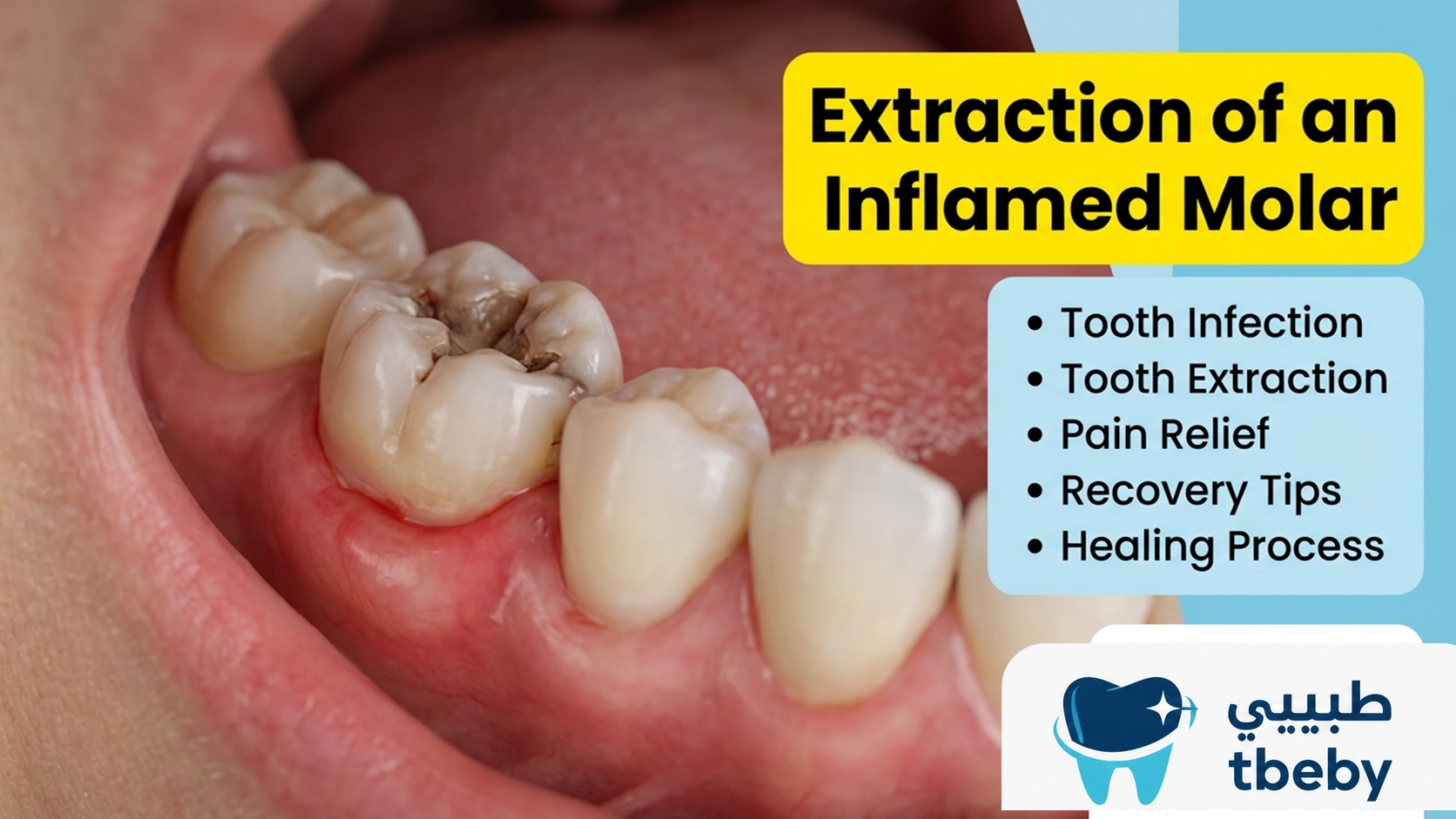

Extraction of an inflamed molar can be an anxiety-inducing experience for many patients, yet it simultaneously brings much-needed relief from otherwise unbearable pain.
Let us explore this procedure together, from the underlying causes that make it necessary to the clinical steps dentists follow to ensure a comfortable and safe removal.
We will also examine the potential challenges and risks associated with this important decision, along with practical guidance for managing pain and swelling effectively afterward.
The Pain of Extraction of an Inflamed Molar
When the time comes to address an inflamed molar, patients often face a real challenge, since the pain accompanying an inflamed nerve can be intense and deeply distressing.
However, it is important to understand that this step is often necessary to protect overall oral health and prevent more serious complications down the line.
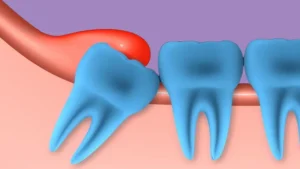
The discomfort associated with an inflamed molar frequently stems from gum inflammation and infection-related tissue damage, which causes irritation and swelling in the area surrounding the affected tooth.
Despite the discomfort, removing the affected tooth can help eliminate the infection and prevent it from spreading to surrounding areas.
If the pain becomes intolerable, dentists may prescribe analgesics to ease discomfort and make the procedure more manageable, typically loosening the tooth with a dental elevator before removal.
You can use Toothpaste for Sensitive Gums to soothe irritation around the affected tooth.
Symptoms of Extraction of an Inflamed Molar
This procedure is often accompanied by several symptoms, both before and after the appointment. Common signs include:
- Pain and swelling around the affected molar, ranging from moderate to severe and potentially lasting several days.
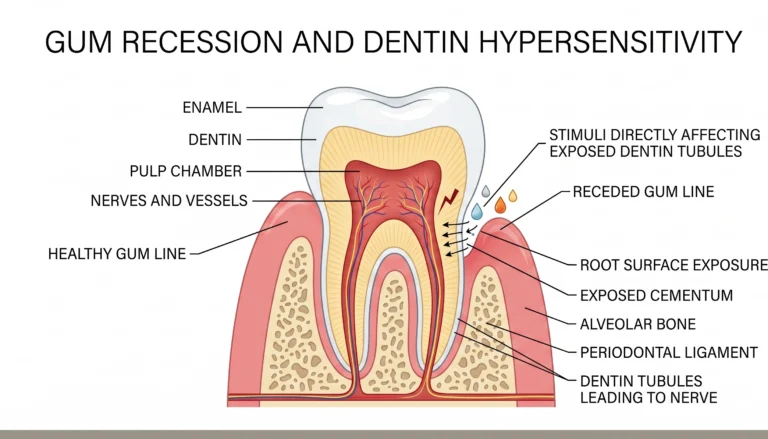
- Sensitivity and irritation in the gums and surrounding tissue, which may appear red and swollen.
- An unpleasant Odor originating from the site due to infection or inflammation.
- Mild fatigue or weakness in the first few days, reflecting the body’s natural response to the procedure.
- Difficulty eating or drinking during the initial recovery period, particularly when pain and swelling are present.
- Discomfort when light pressure is applied to the surrounding area.
Sterile dental cotton pellets can help manage bleeding and keep the site clean, gently absorbing fluid during the first hours of recovery.
Treating the Site After Extraction of an Inflamed Molar
Many patients search for effective aftercare methods. The following steps can support faster healing and reduce pain and swelling:
- Apply a cloth-wrapped ice pack to the area for 15–20 minutes during the first few days to reduce swelling and ease pain.
- Consult your dentist before taking any pain medication; options such as paracetamol or ibuprofen may help relieve discomfort.
- Get adequate rest and avoid strenuous physical activity for a few days.
- Eat balanced, nutrient-rich meals to support the healing process.
- Stay well hydrated and avoid alcoholic or carbonated beverages.
- Rinse gently with warm saline solution, especially after meals, to keep the area clean and reduce infection risk.
Extraction of an Inflamed Molar with an Abscess
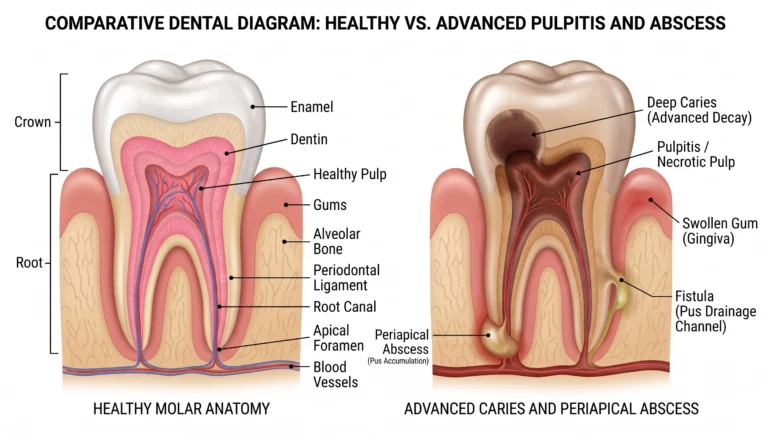
When inflammation is accompanied by an abscess (a collection of pus), the procedure must be performed by a qualified dental professional.
A tooth affected by an abscess can lead to serious complications if not properly managed, since an abscess often signals a significant underlying infection.
Attempting to manage this situation at home may allow the infection to spread and worsen. If an abscess is present, it is best to seek immediate dental care for proper evaluation and treatment.
Reusable cold compresses can help reduce swelling and calm the affected area following the procedure.
Extraction of an Inflamed Molar in Children
This type of procedure requires special care and is always performed under close dental supervision. If a child appears to need this treatment, the following steps are recommended:
- Schedule an appointment with a qualified pediatric dentist, who will assess the tooth and determine the appropriate course of action.
- Explain the procedure to the child in simple, reassuring language suited to their age to ease anxiety.
- Dentists use child-specific instruments and techniques to ensure the procedure is safe and comfortable.
Afterward, children typically need to follow the dentist’s guidance regarding aftercare and appropriate food and fluid intake.
You can use a children’s toothbrush to maintain gentle oral hygiene during recovery.
Complications of Extraction of an Inflamed Molar
As noted, this is a routine dental procedure aimed at resolving health issues and improving overall oral condition. However, certain complications can occur, though rarely:
- Infection at the extraction site, particularly if aftercare instructions are not properly followed.
- Delayed healing of the gum and surrounding tissue in some cases.
- Persistent swelling or pain beyond the expected recovery period.
- In rare instances, nerve or adjacent tissue damage during the procedure.
- Excessive bleeding requires prompt medical attention.
- Reopening of the extraction socket, which can allow food particles and bacteria to accumulate.
A single-use, portable mouth rinse can help reduce the risk of infection by gently cleansing the mouth and preventing bacterial buildup around the wound.
Tips After Extraction of an Inflamed Molar
The following recommendations can support healing and minimize swelling and pain:
| Recommendation | Purpose |
| Apply a cloth-wrapped ice pack for 15–20 minutes at intervals during the first hours. | Reduces swelling and discomfort |
| Rest adequately and avoid strenuous activity in the days following the procedure. | Supports overall recovery |
| Avoid chewing or biting on the affected side | Reduces pressure on the healing area |
| Consume nutritious meals rich in vitamins and minerals | Supports tissue repair |
| Follow your dentist’s aftercare instructions (e.g., warm saline rinses after meals) | Keeps the area clean and promotes healing |
When Does the Gum Heal After Extraction?
Healing time varies depending on individual factors and overall health. Generally, gum healing takes anywhere from a few days to two weeks, though some cases may require longer.
During this period, patients typically notice gradual improvement in pain, swelling, and irritation.
Proper aftercare and adherence to your dentist’s instructions are essential for a smooth healing process.
You can use Gum Repair Foam to support faster tissue healing after the procedure.
Is Extraction of an Inflamed Molar Dangerous?
Many patients wonder about the risks involved and whether bleeding is normal afterward.
In reality, this procedure is not inherently dangerous, though outcomes depend on the specific condition of the tooth and surrounding tissue.
In many cases, removing the affected tooth is necessary to prevent more serious health problems.
When inflammation results from gum disease or infection, extraction can eliminate the source of the problem and help prevent it from spreading further.
How Long Does Pain Last After Extraction of an Inflamed Molar?
Recovery time varies from person to person and depends on factors such as tooth size, the degree of surrounding gum inflammation, and procedural complexity.
Pain typically lasts a few days to two weeks, often peaking in the first 48 hours before gradually subsiding.
Tips from the tbeby website:
Tooth extraction is a dental procedure performed to treat an infected tooth and may sometimes require surgical intervention.
Tooth extraction may be necessary to relieve pain and irritation associated with infection or gum disease. The extraction process requires meticulous care both before and after the procedure to ensure its success and safety.
FAQs About Extraction of an Inflamed Molar:
Is removing an inflamed molar a dangerous procedure?
How risky is it to extract a severely infected tooth?
The procedure is not dangerous when performed by a qualified dentist and is often essential to prevent bacterial infection from spreading further.
When does the gum fully heal after a tooth extraction?
How long does it take for the extraction site to heal completely?
Surface healing typically takes a few days to two weeks, with gradual improvement in pain and swelling.
How long does pain last after removing an inflamed tooth?
When does discomfort disappear after treating an infected molar?
Pain usually lasts two days to a week, peaking within the first 48 hours before gradually fading.
Can a tooth be extracted if there is an abscess?
What does the dentist do if inflammation is accompanied by swelling and pus?
Yes, extraction is often the primary treatment to safely drain the abscess and eliminate the source of infection.
When can I eat normally after a tooth extraction?
What is the right time to resume eating after removing an inflamed tooth?
Wait until local anesthesia fully wears off to avoid biting your tongue, and stick to soft, cool foods initially.
Can I brush my teeth after a tooth extraction?
When can I resume brushing after surgical tooth removal?
Yes, but avoid the extraction site directly; gentle saline rinses are recommended after the first 24 hours.
How do I reduce swelling after removing an inflamed tooth?
What is the best way to ease cheek swelling after extraction?
Apply ice to the outside of the cheek for 15 minutes at intervals during the first 24 hours to reduce swelling.
Is smoking allowed right after a tooth extraction?
When can I resume smoking after tooth removal?
Smoking should be avoided for at least 48 hours to prevent wound contamination and painful dry socket.
Is the extraction of an inflamed molar safe for young children?
What is the standard procedure when a child’s tooth becomes severely inflamed?
Yes, it is completely safe, as pediatric dentists use specialized tools and anesthesia techniques for a comfortable experience.
What should I do if bleeding continues after a tooth extraction at home?
How do I stop persistent bleeding from an extraction site?
Bite firmly on sterile gauze for 45 minutes; contact your dentist immediately if heavy bleeding persists.
Sources
https://www.nhs.uk/tests-and-treatments/wisdom-tooth-removal/