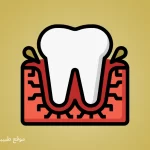
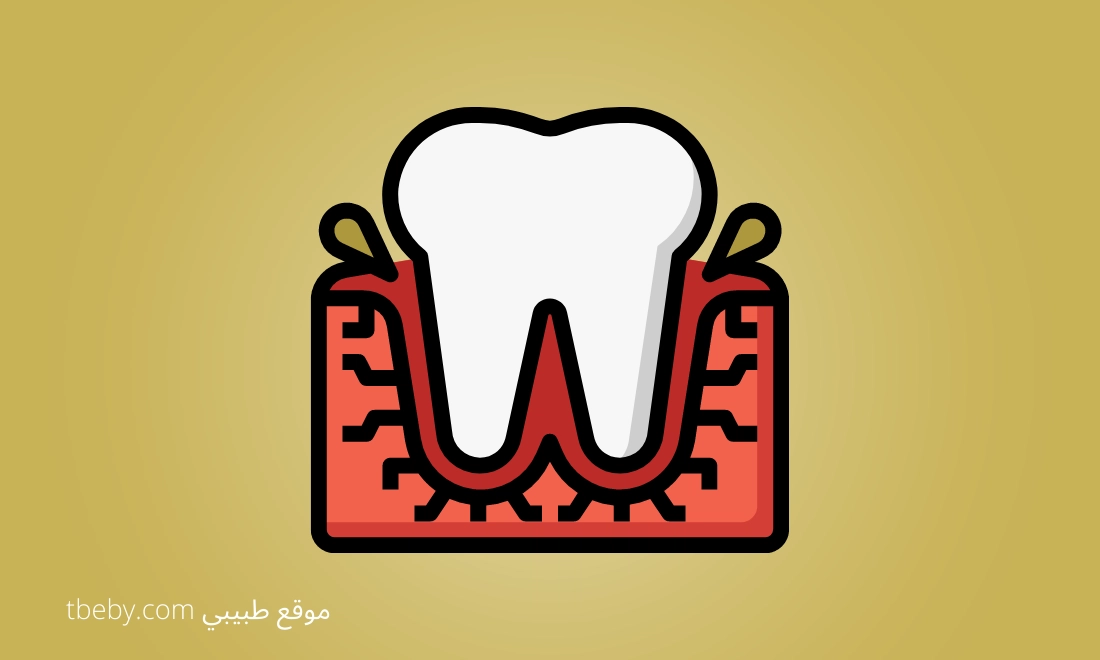

Treatment of Gum Inflammation: Tooth pain often requires urgent dental attention. Severe decay may necessitate extraction, which can cause swollen gums, inflammation, and puffiness.
Local anesthesia ensures a pain-free procedure. Post-operative symptoms in the first 24 hours, such as swollen gums, minor bleeding, or bacterial infection, are usually normal if they gradually improve, allowing safe recovery in Saudi Arabia.
Gum Pain After Tooth Extraction
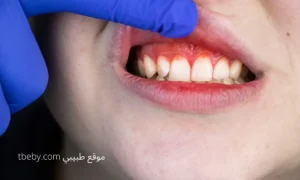
Treatment of Gum Inflammation: Several conditions can necessitate tooth extraction, potentially causing swollen gums that require careful management.
1. Tooth decay:
Severe decay may leave no restorative options, requiring extraction, which can lead to swollen gums. Mild decay may be treated with fillings or topical applications, but advanced decay that reaches the pulp may force extraction in Saudi Arabia.
2. Fractures and trauma:
Strong impacts causing tooth fractures, especially in the front teeth, can require extraction to maintain oral aesthetics and psychological well-being. Replacement options such as implants may follow.
3. Crowded teeth:
Improperly aligned teeth that lack sufficient space may require removal to preserve adjacent teeth alignment and the patient’s smile in Saudi Arabia.
4. Bacterial infection:
If decay reaches the tooth pulp, bacteria can cause an infection. Antibiotics may be prescribed, but persistent infection necessitates extraction to prevent spread to neighboring teeth.
5. Gum disease:
Diseases affecting the gums compromise the structural support of teeth, sometimes making extraction of one or more teeth necessary in Saudi Arabia.
Initial healing can be supported at home using sterile gauze, applying firm pressure to form a blood clot and protect exposed tissues and bone.
You can use a soft interdental brush to gently clean between teeth and support gum healing.
Gum Suturing After Tooth Extraction
Treatment of Gum Inflammation: Post-extraction bleeding is common. Dentists may use gauze or cotton to control bleeding and manage swollen gums. Sutures may be applied if bleeding persists; most dissolve naturally without requiring a return visit.
Before extraction, the dentist must be aware of all medications and pre-existing conditions, especially:
- Compromised immunity
- Heart valve issues
- Congenital heart defects
- Liver cirrhosis
- Artificial joint implants (e.g., knee)
- Endocarditis
Swelling and pain can be safely managed using external cold compresses to reduce inflammation and discomfort without interfering with medication or overall health in Saudi Arabia.
Gum Abscess After Tooth Extraction
Treatment of Gum Inflammation: After the procedure, follow-up instructions and prescribed medications, including painkillers, anti-inflammatory drugs, and antibiotics, help restore normal oral conditions quickly and reduce swollen gums.
Recovery tips:
- Apply firm pressure on gauze or cotton at the extraction site, replacing it hourly until bleeding stops.
- Use ice packs on the cheek opposite the extraction site in short intervals to reduce swelling.
- Rest for one to two days to minimize blood flow that may trigger additional bleeding.
- Avoid rinsing within the first 24 hours; gentle saline rinses may begin after this period.
- Refrain from smoking to prevent delayed healing.
- Avoid hard or rough foods initially; prefer soups, yogurt, or soft foods.
- Elevate the head during sleep to reduce bleeding.
You can use Toothpaste to improve enamel, reduce sensitivity, and support healing after extraction.
Optimal Care for Faster Recovery After Tooth Extraction
Treatment of Gum Inflammation: Tooth extraction is a safe and effective method to eliminate persistent pain and protect surrounding teeth. Minor side effects, such as mild swelling, swollen gums, or light bleeding, are normal. Adhering strictly to dentist instructions and avoiding harmful habits ensures rapid recovery without complications in Saudi Arabia.
Related Dental Topics
FAQ About Tooth Extraction
When can I eat after tooth extraction?
How long should I wait before eating after extraction?
You can eat soft, cold foods once anesthesia wears off and bleeding stops, avoiding chewing on the affected side.
Is smoking allowed after tooth extraction?
When can I smoke after extraction?
Avoid smoking entirely for at least 24–48 hours to prevent delayed healing and dry socket.
When can I rinse with salt water after extraction?
Can I use mouthwash on the same day as extraction?
Avoid rinsing on the first day; gentle saline rinses can begin after 24 hours.
How many days does pain last after extraction?
When will gum pain subside?
Normal pain and swelling last 2–3 days and can be managed with painkillers and cold compresses.
Can I brush my teeth after extraction?
How should I clean my teeth in the first days?
Yes, brush normally but avoid the extraction site to prevent irritation.
What should I do if bleeding continues after extraction?
How can I stop persistent bleeding?
Apply firm pressure with sterile gauze for 45 minutes and contact your dentist if bleeding persists heavily.
Are hot drinks harmful after extraction?
When can I drink tea or coffee after extraction?
Avoid hot drinks for the first 24 hours to prevent increased blood flow and renewed bleeding.
Is exercise safe after extraction?
When can I resume physical activity?
Avoid strenuous activity for 24–48 hours to prevent elevated blood pressure and bleeding.
Do sutures dissolve on their own?
When should surgical threads be removed?
Most sutures dissolve naturally within two weeks unless otherwise instructed.
Is using a straw risky after extraction?
Why is a straw prohibited after extraction?
Suction can dislodge the blood clot, causing severe pain and delayed healing.
Sources:
https://my.clevelandclinic.org/health/treatments/22120-tooth-extraction