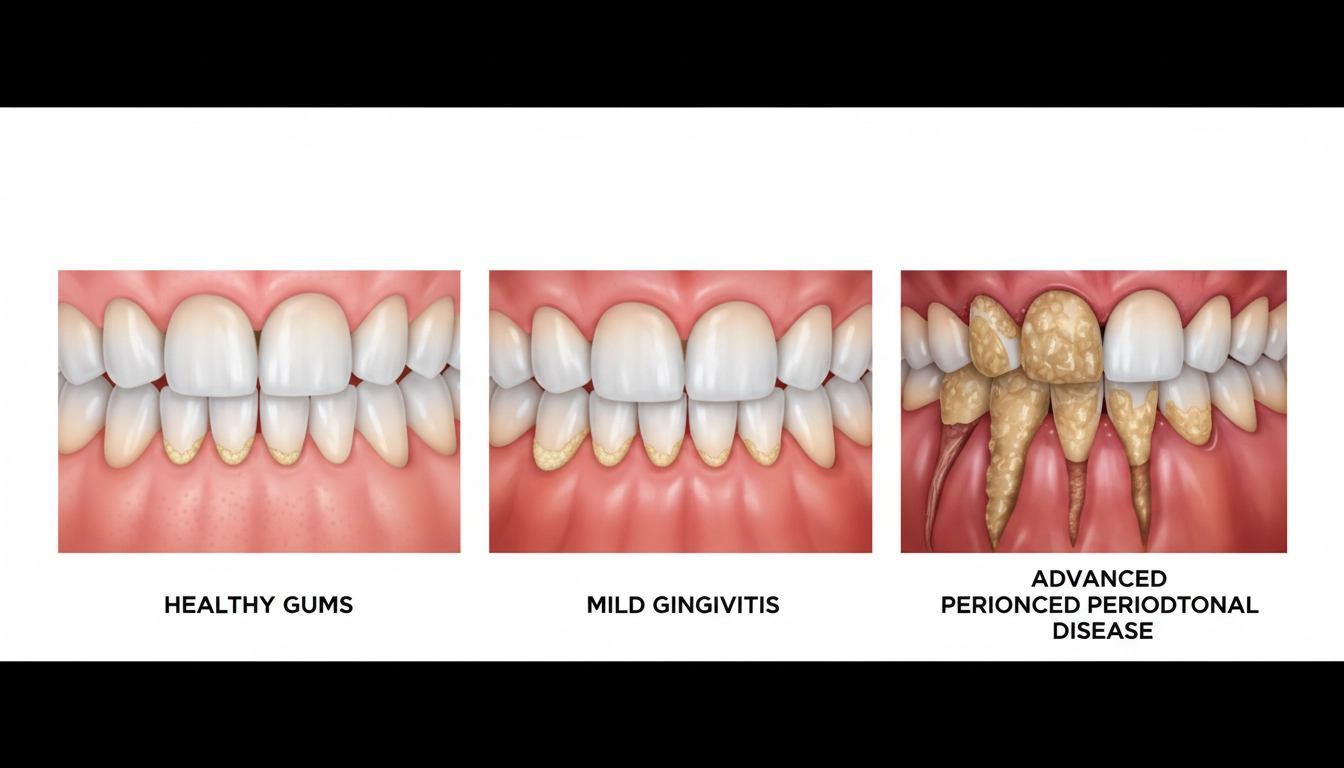

Types of gingivitis are among the most common oral health conditions affecting the soft tissues surrounding the teeth. These infections influence gum health and can significantly impact overall oral hygiene, particularly in Saudi Arabia, where awareness of preventive dental care has been steadily increasing.
Different types of gingivitis appear in various forms depending on their cause and symptoms. Some may present as white patches on the gums, while others appear as redness, swelling, or irritation in the affected area. Understanding the types of gingivitis is essential for early diagnosis and treatment, especially for individuals seeking dental care solutions in Saudi Arabia.
Gingivitis and periodontitis often occur due to the accumulation of dental plaque, a bacterial layer that forms on the tooth surface. This plaque consists of bacteria, food debris, and mucus. Over time, plaque reacts with saliva and forms hardened deposits known as tartar. In this article, we explore the most common types of gingivitis and effective treatment options, with insights relevant for dental health awareness in Saudi Arabia.
Fungal Gingivitis
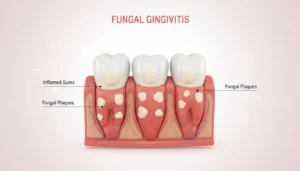
Fungal gingivitis is one of the well-known types of gingivitis, medically referred to as Gingival Candidiasis. This condition occurs when fungi from the Candida genus grow in the gum tissues and oral cavity.
Several factors contribute to the growth of these fungi:
- Excessive use of antibiotics, which disrupts the natural bacterial balance in the mouth.
- A weakened immune system due to illness or medical treatments.
- Dental appliances that allow plaque and food debris to accumulate.
When symptoms appear, patients should visit a dentist for proper diagnosis. Early treatment is widely recommended by dental professionals in Saudi Arabia.
Treatment usually involves topical antifungal medications along with improved daily oral hygiene. In more severe cases, dentists may prescribe oral antifungal medication. Using an oral irrigator at home can also help remove plaque and food particles that encourage fungal growth.
you can use the Protect Gum Care Oral Irrigator to effectively remove plaque and food particles that may contribute to fungal growth.
Hormonal Gingivitis
Hormonal gingivitis is another common form among the types of gingivitis. It occurs due to hormonal changes in the body, particularly fluctuations in estrogen and progesterone.
These hormonal shifts commonly occur during:
- Puberty
- Pregnancy
- Menstruation
- Menopause
Such changes can make gum tissues more sensitive and prone to inflammation. Dental clinics in Saudi Arabia frequently report gum irritation during these hormonal phases.
Managing hormonal gingivitis involves maintaining good oral hygiene, including brushing regularly, flossing daily, and scheduling routine dental checkups. In some cases, professional gum cleaning may be required.
You can use the Silicone Training Toothbrush to gently clean teeth and gums, helping maintain oral hygiene and reduce gum irritation during hormonal changes.
Acute Necrotizing Ulcerative Gingivitis
This severe condition is one of the most dangerous types of gingivitis. It is characterized by rapid destruction of gum tissue and the supporting bone structure.
Symptoms may include:
- Severe gum pain
- Bleeding gums
- Tissue ulceration
- Foul breath
Immediate dental care is essential. Dentists typically perform deep cleaning to remove plaque and tartar deposits and may prescribe medication to control infection. In advanced cases, surgical treatment may be necessary to restore damaged gum tissues.
Diabetic Gingivitis
Diabetic gingivitis is another important category among the types of gingivitis. It occurs in individuals with diabetes due to elevated blood sugar levels.
High glucose levels can weaken gum tissue and increase susceptibility to infection. Dentists across Saudi Arabia emphasize the strong link between diabetes and gum disease.
Managing this condition involves:
- Controlling blood sugar levels
- Maintaining regular dental visits
- Practicing proper oral hygiene
Soft toothbrushes, dental floss, and antiseptic mouthwash are recommended to maintain healthy gums.
Gingivitis Caused by Tooth Decay
This is one of the most widespread types of gingivitis and occurs when bacteria and acids in the mouth cause tooth decay.
When decay forms a cavity in the tooth enamel, bacteria can penetrate deeper layers and trigger gum inflammation. Dental practitioners in Saudi Arabia frequently observe this condition in patients with untreated cavities.
Plaque accumulation around decayed teeth leads to redness, swelling, and irritation of surrounding gums. Preventive measures include:
- Daily brushing and flossing
- Regular dental checkups
- Early treatment of cavities
These practices help reduce the risk of gum infection.
Periodontitis (Advanced Gum Disease)
Periodontitis represents the most advanced stage among the types of gingivitis. It occurs when plaque buildup triggers severe inflammation that gradually damages the supporting bone around teeth.
Bacteria within tartar deposits release toxins that destroy gum tissue. Over time, deep pockets form between the teeth and gums, allowing bacteria to accumulate and worsen the infection.
If untreated, this condition may lead to tooth loss. Dentists typically recommend professional cleaning, scaling, and root planing. In severe cases, surgical procedures may be required to repair damaged gum and bone structures.
Tips for Maintaining Healthy Gums and Teeth
To prevent gum disease and maintain oral health, follow these recommendations commonly advised by dental specialists in Saudi Arabia:
- Brush teeth twice daily with a soft toothbrush for two minutes.
- Use dental floss daily to remove plaque between teeth.
- Rinse with a medical mouthwash to eliminate bacteria.
- Avoid smoking and harmful habits affecting gum health.
- Maintain a balanced diet rich in vitamins and minerals.
- Visit a dentist regularly for checkups and professional cleaning.
You can use the Anti-Cavity Toothpaste to strengthen tooth enamel, help prevent tooth decay, and support overall gum and dental health as part of your daily oral care routine.
Conclusion
Understanding the types of gingivitis is essential for protecting oral health and preventing serious dental complications. With proper oral hygiene, early diagnosis, and regular dental visits, gum diseases can be effectively prevented and treated.
This awareness is increasingly important in Saudi Arabia, where dental health education continues to grow. Healthy gums are the foundation of strong teeth and play an important role in overall health.
Related Dental Topics
FAQs About Types of Gingivitis
Can inflamed gums heal?
Do swollen gums recover naturally?
Yes, inflamed gums can heal with early treatment and proper oral hygiene.
When does gingivitis become dangerous?
At what stage is gum inflammation serious?
Gingivitis becomes dangerous when it progresses to periodontitis and damages bone support.
What is the best antibiotic for gum infection?
Which antibiotic treats gingivitis effectively?
Only a dentist should prescribe antibiotics based on diagnosis.
What causes gingivitis most often?
What is the main reason for gum inflammation?
Plaque accumulation on teeth is the most common cause.
Can gingivitis lead to tooth loss?
Does gum disease cause teeth to fall out?
Yes, advanced untreated gum disease can result in tooth loss.
How long does gingivitis take to heal?
What is the recovery time for gum inflammation?
Mild cases may improve within one to two weeks with proper care.
Is gingivitis reversible?
Can gum disease be reversed?
Early gingivitis is reversible with professional cleaning and oral hygiene.
Does diabetes increase gum disease risk?
Are diabetics more likely to develop gingivitis?
Yes, uncontrolled blood sugar increases gum infection risk.
Can mouthwash cure gingivitis?
Does antiseptic mouthwash treat gum inflammation?
Mouthwash helps control bacteria but should accompany brushing and flossing.
How can gingivitis be prevented?
What is the best way to avoid gum disease?
Daily oral hygiene and regular dental visits are the most effective prevention.