
Gum bleeding is a key indicator of gingivitis, one of the most common oral health issues. It causes pain and redness in the gums, affecting your smile. To prevent gum bleeding, it is essential to understand the causes of gum bleeding to avoid it and address all related oral problems.
Gum Bleeding Overview
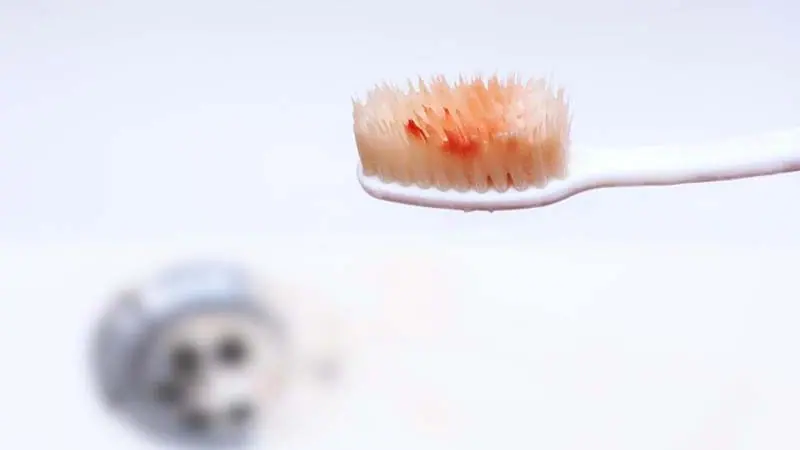
Many people experience gum bleeding, which may indicate serious gum disease or result from certain unhealthy habits. Causes of gum bleeding include aggressive tooth brushing that injures the gums, accumulation of food debris, or underlying diseases. In such cases, visiting a dentist is necessary to prescribe effective treatment.
This article presents the main causes of gum bleeding, treatment methods, and preventive measures to help maintain healthy teeth and gums in Egypt.
You can use Teeth Whitening Toothpaste to help reduce plaque buildup, maintain fresh breath, and protect your gums while addressing gum bleeding issues.
Causes of Gum Bleeding
1. Gum Infections
Gingival inflammation often results from accumulated food particles that form a plaque layer, which gradually hardens into yellow tartar. Symptoms include:
- Persistent bad breath
- Red, swollen gums
- Bleeding while brushing
- Weak teeth and difficulty eating hard foods
2. Vitamin Deficiency
A lack of essential vitamins, particularly vitamin C and vitamin K, is a major cause of gum bleeding. Even with proper oral hygiene, a deficiency can trigger bleeding. Incorporate fruits, vegetables, and citrus into your diet to maintain healthy gums in Egypt.
3. Hormonal Changes
Women are particularly affected due to hormonal fluctuations during pregnancy or menopause, which increase gum sensitivity.
4. Certain Diseases
Diseases such as diabetes impair the body’s ability to absorb sugars, while leukemia can cause spontaneous gum bleeding.
5. Medications
Some medications prevent normal blood clotting, increasing gum bleeding risk, including:
- Heparin
- Aspirin
- Warfarin
6. Genetic Factors
Inherited conditions like hemophilia affect blood clotting, making gums more prone to bleeding.
7. Specific Gum Disorders
- Dry Mouth (Xerostomia): Low saliva promotes bacterial growth, increasing bleeding risk.
- Periodontitis: Severe gum inflammation causes tissue damage, persistent bleeding, and difficulty eating acidic or spicy foods.
- Acute Necrotizing Ulcerative Gingivitis: Caused by bacterial overgrowth, stress, or poor oral hygiene. Symptoms include severe pain, bleeding, and bad breath.
- Gum Enlargement: Excessive gum tissue growth causes redness and facilitates bleeding.
8. Unhealthy Habits
- Smoking damages gum tissue and increases bleeding risk.
- Aggressive brushing and flossing can injure gums.
Treatment of Gum Bleeding
Excessive gum bleeding requires professional evaluation to identify the cause and provide effective treatment:
- Apply sterile gauze directly on the bleeding site.
- Remove tartar buildup using professional dental tools.
- Restore teeth using ceramic veneers if necessary.
- Painkillers may be prescribed if bleeding is accompanied by pain.
- Dental check-ups every six months are essential for prevention.
You can use Teeth Whitening Toothpaste to support gum health, reduce plaque buildup, and complement professional treatments for gum bleeding.
Tips to Prevent Gum Bleeding
- Brush teeth at least twice daily, preferably after each meal.
- Brush gently to avoid gum injury.
- Use dental floss and antiseptic mouthwash to reach areas a toothbrush cannot.
- Visit the dentist every six months to detect and treat gum inflammation.
- Follow a low-sugar, healthy diet.
- Limit smoking and caffeine consumption.
Gum bleeding is not a trivial symptom. It signals the health status of your oral cavity. Proper daily oral care and understanding its causes in Egypt can restore gum strength and maintain a confident smile.
Related Dental Topics
FAQs about Causes of Gum Bleeding
Is it normal for gums to bleed when brushing?
Does brushing teeth cause gum bleeding naturally?
No, it signals gum inflammation or aggressive brushing.
Which vitamin deficiencies cause gum bleeding?
Can lack of vitamins trigger gum bleeding?
Yes, deficiencies in vitamin C and K are primary causes.
How can I stop gum bleeding at home immediately?
What is the fastest home remedy for gum bleeding?
Apply sterile gauze with gentle pressure and rinse antiseptically.
Do hormonal changes cause gum bleeding in women?
Why do pregnant women experience gum bleeding?
Hormonal fluctuations increase gum sensitivity and bleeding.
When does gum bleeding become serious?
How do I know if gum bleeding needs urgent care?
Persistent bleeding with pain or loose teeth requires dental assessment.
Does smoking directly affect gum health?
How does smoking influence gum bleeding?
It weakens immunity and reduces blood flow, promoting bleeding.
Do blood-thinning medications cause gum bleeding?
Can aspirin or warfarin trigger gum bleeding?
Yes, these prevent clotting and increase bleeding risk.
Which toothpaste is recommended for bleeding gums?
What type of toothpaste helps stop gum bleeding?
Use antibacterial toothpaste formulated for sensitive gums.
Does plaque buildup lead to gum bleeding?
How does tartar affect gum health?
Can accumulated plaque cause gums to bleed?
Yes, it irritates tissue and promotes bacterial infection.
Can gum bleeding be permanently cured?
How can I prevent gum bleeding long-term?
Is it possible to stop gum bleeding forever?
Yes, with consistent daily care and professional tartar removal.
Sources:
Curaprox Blog: How to Combat Bleeding Gums