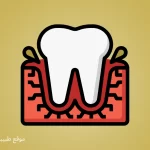


Gum disease is one of the most underestimated health threats in Egypt and around the world, yet its consequences extend far beyond the mouth. Have you ever woken up to an unpleasant breath Odor or noticed a faint streak of blood while brushing? These seemingly minor signs may be your body’s earliest warning of a condition that quietly connects to heart disease, diabetes, and even premature birth.
In Egypt, where awareness of oral health remains limited in many communities, gum disease continues to progress undetected in millions of people. Understanding its causes, symptoms, complications, and treatment options is no longer optional; it is essential to protecting your overall well-being.
What Is Gum Disease?
Gum disease refers to a spectrum of infections that affect the supportive tissues surrounding the teeth, including the gums and underlying bone. The condition typically begins with plaque, a sticky bacterial film that accumulates on tooth surfaces. When plaque is not removed consistently through brushing and flossing, it hardens into tartar, which irritates the gum tissue and triggers inflammation.
In Egypt, dietary habits rich in refined sugars, combined with inconsistent dental care routines, create an environment where gum disease can develop and escalate rapidly.
You can use White Gauze Medical Bandage to protect and cover sensitive gum areas after dental procedures, helping reduce irritation and support healing.
Symptoms of Gum Disease
Gum disease often begins silently, with symptoms so subtle that many individuals dismiss them entirely:
1. Gum bleeding:
Even gentle brushing may produce light bleeding, a hallmark of early indicators.
2. Redness and swelling:
The gum tissue becomes visibly inflamed, tender to the touch, and abnormally red.
3. Persistent bad breath:
Halitosis that returns shortly after brushing is frequently associated with bacterial accumulation in gum pockets.
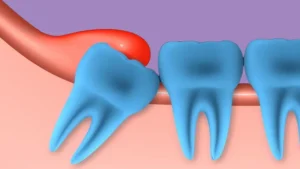
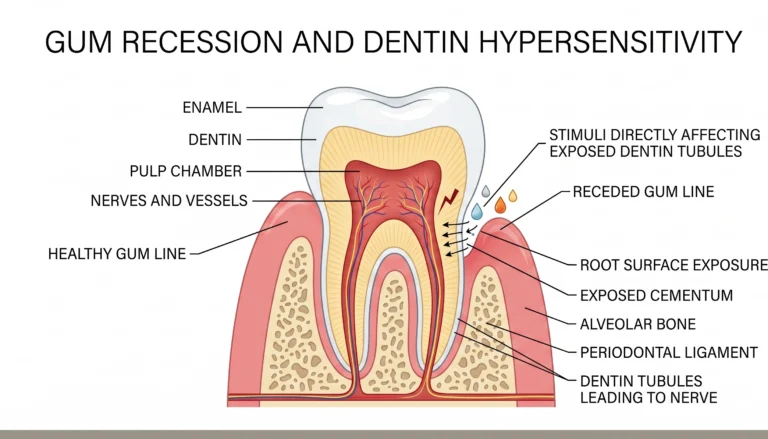
When left unaddressed, gum disease progresses into an advanced stage in which the gums begin to recede from the teeth, forming deep periodontal pockets. These pockets harbour bacteria that are increasingly difficult to reach through conventional oral hygiene, accelerating both bone loss and tissue destruction.
You can use Resin Temporary Tooth Repair Beads to temporarily fill gaps caused by broken or missing teeth while managing gum disease symptoms and awaiting professional dental treatment.
Complications of Gum Disease
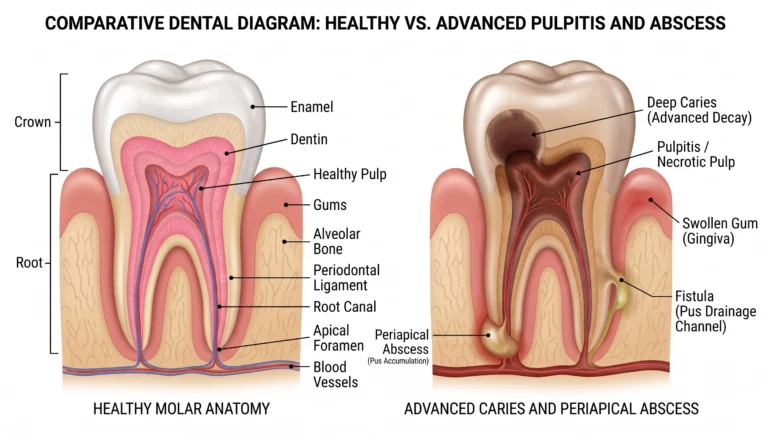
The impact of gum disease extends well beyond oral health. The bacteria responsible for periodontal infections are capable of entering the bloodstream, triggering a systemic chronic inflammatory response.
| Complication | Mechanism & Impact |
| Heart Disease | Oral bacteria associated with gum disease contribute to arterial plaque formation, increasing the risk of atherosclerosis and cardiac events. |
| Diabetes | The relationship is bidirectional: diabetes increases susceptibility to gum disease, while active periodontal inflammation makes blood glucose levels harder to control. |
| Premature Birth | Pregnant women with gum disease face a statistically elevated risk of preterm delivery and low birth weight, attributed to bacterial transmission through the bloodstream. |
| Tooth Loss | In advanced stages, gum disease destroys the bone and connective tissue supporting the teeth, ultimately leading to permanent tooth loss. |
Diagnosis and Treatment of Gum Disease
Diagnosis is performed by a dental professional through clinical oral examination, dental X-rays, and measurement of periodontal pocket depth using a specialized probe.
Treatment is tailored to the severity of the condition and may include:
1. Scaling and root planning:
A deep-cleaning procedure that removes accumulated tartar and bacterial deposits from both above and below the gumline.
2. Surgical intervention:
In advanced cases, periodontal surgery may be necessary to access deep pockets, remove infected tissue, and reshape the supporting bone.
3. Antibiotic therapy:
Systemic or locally applied antibiotics may be prescribed to eliminate persistent bacterial infections.
You can use L-shaped Interdental Brushes to clean deep between teeth and along the gumline, removing bacterial deposits that contribute to tartar buildup and support your recovery between professional scaling sessions.
Natural Remedies for Gum Disease
While these approaches do not replace professional dental care, certain natural remedies may help manage the symptoms of gum disease as a complementary measure:
1. Saltwater rinse:
Dissolve half a teaspoon of salt in a cup of warm water and rinse several times daily. Salt has natural antiseptic and anti-inflammatory properties that help reduce gum irritation.
2. Coconut oil pulling:
Swishing coconut oil in the mouth for 15–20 minutes daily leverages its antibacterial properties to reduce bacterial load.
3. Green tea:
Rich in antioxidants, warm green tea bags can be applied directly to inflamed gums to help reduce swelling.
4. Turmeric paste:
Turmeric’s active compound, curcumin, possesses well-documented anti-inflammatory properties and can be applied as a natural dental paste.
5. Aloe vera gel:
Applied directly to the gum tissue, aloe vera provides soothing, anti-inflammatory relief.
6. Clove oil:
Containing eugenol, a natural antibacterial and analgesic compound, diluted clove oil may be applied to affected areas for temporary symptomatic relief.
Prevention of Gum Disease
Prevention remains the most effective and least invasive strategy. In Egypt, building consistent oral health habits is a critical public health priority. The following practices form the foundation of periodontal disease prevention:
1. Daily oral hygiene:
Brush at least twice daily with fluoride toothpaste and use dental floss to remove interdental plaque.
2. Regular dental visits:
Schedule professional cleanings and examinations every six months.
3. Balanced nutrition:
Minimize consumption of sugary foods and carbonated beverages, which fuel bacterial growth.
4. Smoking cessation:
Tobacco use suppresses immune function and impairs gingival blood flow, dramatically increasing susceptibility to gum disease and slowing healing.
Conclusion
Oral health is an inseparable component of systemic health. Gum disease is not a cosmetic inconvenience; it is a chronic condition with documented links to some of the most serious illnesses affecting populations in Egypt and globally. The commitment to a consistent daily hygiene routine, a health-conscious lifestyle, and regular professional dental care represents the most reliable path to avoiding complex surgical interventions and preserving a healthy smile for life.
Invest in your oral health today, because every sign of bleeding or swelling deserves to be taken seriously, not tomorrow, but now.
Related Dental Topics
FAQs About Gum Disease
Can gum disease be completely cured?
Is gum recession a condition that can fully heal?
Yes, particularly in its early stages, gum disease can be effectively controlled and reversed through deep professional cleaning and consistent daily care.
What is the connection between gum bleeding and heart disease?
How does gum inflammation affect cardiovascular health?
Oral bacteria enter the bloodstream and contribute to arterial inflammation, increasing the risk of atherosclerosis and cardiac events.
How often should teeth be cleaned to prevent gum inflammation?
What is the ideal daily brushing frequency for gum health?
Brushing at least twice daily with fluoride toothpaste and using dental floss is the clinically recommended minimum for effective periodontal prevention.
Does gum disease always cause pain?
Is it possible to have gum inflammation without feeling any discomfort?
Gum disease frequently develops without pain, bleeding, and redness are the primary indicators, not discomfort.
How does smoking contribute to gum deterioration?
Why are smokers at significantly higher risk of tooth loss?
Smoking impairs immune response and reduces blood flow to the gums, hindering healing and intensifying the progression of inflammation.
Can home remedies replace a dental visit?
How effective are natural treatments for managing gum disease?
Natural remedies offer temporary symptom relief, but they cannot substitute for professional scaling, root planning, or clinical evaluation.
Why does gum disease cause bad breath?
Is morning mouth Odor a reliable sign of gum inflammation?
Odor originates from bacterial toxins accumulating in deep periodontal pockets that routine brushing cannot adequately reach.
How does diabetes affect gum health, and vice versa?
Is there a direct link between blood sugar levels and oral inflammation?
Diabetes reduces the body’s resistance to infection, while active gum disease makes glycaemic control significantly more difficult to maintain.
Does neglecting gum treatment lead to permanent tooth loss?
How does chronic gum disease cause teeth to fall out?
Yes, sustained inflammation gradually destroys the supporting bone and connective tissue, eventually causing teeth to loosen and fall out.
What risk does gum disease pose to pregnant women?
Can poor oral health affect the safety and development of the foetus?
Severe gum disease has been associated with an elevated risk of preterm birth and low birth weight, linked to bacterial transmission through the maternal bloodstream.
Source:
https://www.efp.org/press-media/study-links-poor-oral-health-to-chronic-diseases/