

Bleeding during brushing or flossing often indicates gum inflammation, although injury, certain medicines and medical conditions can also contribute.
Effective bleeding gums treatment depends on the cause. Gentle daily cleaning is essential, while persistent or recurrent bleeding needs dental assessment and may require professional cleaning.
Causes of Bleeding Gums
Identifying the cause guides treatment. Plaque-related gum inflammation is common, but other dental and medical factors can also contribute.
1. Gum Inflammation
Gum inflammation, or gingivitis, commonly causes bleeding during brushing or flossing. Other signs include redness and irritation, although pain may be absent.
Plaque buildup is the usual trigger for gum inflammation. Hormonal changes, smoking, diabetes, genetic susceptibility and certain medicines can increase the risk or affect its severity.
2. Food Debris Accumulating Between the Teeth
Dental plaque is a sticky bacterial film that forms on teeth. Inadequate brushing and cleaning between the teeth allow it to accumulate along the gumline.
Plaque bacteria trigger inflammation and bleeding. Plaque can also harden into tartar, which requires professional removal. Pregnancy-related hormonal changes can increase the gums’ response to plaque.
3. Certain Medical Conditions
Diabetes and immune deficiency can increase susceptibility to gum inflammation. Less commonly, bleeding disorders, vitamin deficiencies or leukaemia may contribute to gum bleeding.
4. Taking Certain Medicines
Some medicines can contribute to gum inflammation through gum enlargement or reduced saliva. Blood thinners may increase bleeding without causing inflammation. Do not stop prescribed medicines without advice from the prescriber.
5. Genetic Factors
Genetic susceptibility may increase the risk of gum inflammation and periodontal disease. However, family history alone does not establish the cause of bleeding or predict its severity.
You can use a home oral irrigator to help clean between teeth alongside brushing. It does not remove hardened tartar or replace professional treatment for deep periodontal pockets.
If you plan to buy a teeth whitening pen, have your gum health assessed before whitening.
Treating Bleeding Gums at Home
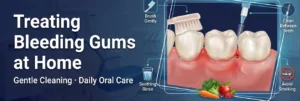
Daily oral care can help control plaque-related gum inflammation and bleeding. Home measures support treatment, but persistent symptoms need dental assessment.
1. Cleaning the Teeth and Mouth Properly
Inadequate cleaning allows plaque to build up, while forceful brushing or flossing can injure the gums. Use gentle movements rather than scrubbing.
Brush twice daily with fluoride toothpaste and clean between your teeth each day. Consistent plaque removal helps control inflammation; do not abandon cleaning simply because your gums bleed.
2. Using Hydrogen Peroxide as a Mouth Rinse
A dentist may recommend a hydrogen peroxide rinse in selected cases. Use only a formulation intended for oral use and follow its directions. It does not remove hardened tartar or replace professional cleaning.
3. Rinsing with Salt Water
A warm salt-water rinse may temporarily soothe gum inflammation. It does not remove plaque or tartar and should not replace daily cleaning or treatment of the underlying cause.
4. Using a Soft-Bristled Toothbrush
A soft-bristled toothbrush is preferable because it helps prevent gum irritation and redness, protecting against bleeding gums.
5. Using Ice
Gentle pressure with clean gauze moistened with cold water may help control minor bleeding. Avoid holding ice directly against the gums. Heavy bleeding or bleeding that does not stop needs urgent assessment.
6. Avoiding Smoking
Smoking increases the risk of gum disease and can impair healing. It may also mask gum bleeding, so an absence of bleeding does not necessarily indicate healthy gums. Quitting supports treatment and long-term gum health.
7. Improving the Diet
A balanced diet supports oral health, but dietary changes alone do not treat gum inflammation. Helpful measures include:
- Limiting frequent sugary snacks and drinks to reduce tooth decay risk.
- Choosing a varied diet rather than avoiding all carbohydrates.
- Eating fruit, vegetables and other nutrient-rich foods. Suspected vitamin deficiencies need assessment rather than self-treatment with supplements.
Use dental floss or appropriately sized interdental brushes daily to remove plaque between teeth. These tools support gum health; they do not prevent blood clot formation.
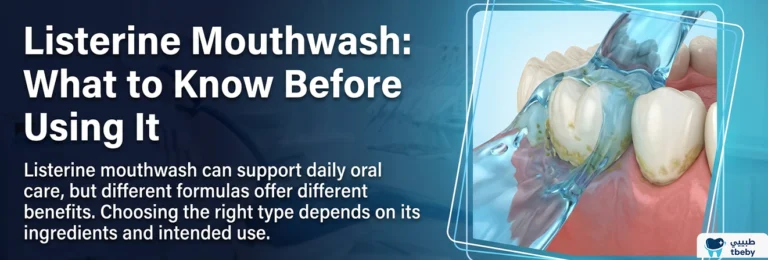
You can also use an antiseptic mouthwash as an addition to brushing and flossing.
Can Cloves Help Treat Bleeding Gums?
Clove oil contains eugenol, which is sometimes described as a natural pain reliever. Temporary toothache relief does not establish that it treats bleeding gums or the underlying oral inflammation.
Do not apply concentrated clove oil directly to inflamed gums. It can irritate or burn oral tissues and does not replace dental treatment.
A burning sensation is a warning of irritation, not a reliable sign that an anaesthetic effect is beginning.
Homemade clove rinses have no standardised concentration and should not be presented as an established treatment for gum bleeding.
Limits of Clove-Based Remedies
Cloves are not an established substitute for daily plaque removal.
Temporary pain relief does not treat the cause of bleeding.
Claims that cloves strengthen enamel or prevent tooth decay require stronger clinical evidence.
Persistent gum inflammation needs assessment.
Ongoing bad breath may indicate an underlying dental problem rather than a need for a clove rinse.
Use a soft-bristled toothbrush for gentle cleaning with fluoride toothpaste, rather than to apply clove oil or paste to inflamed gums.
Treating Bleeding Gums with Medicines
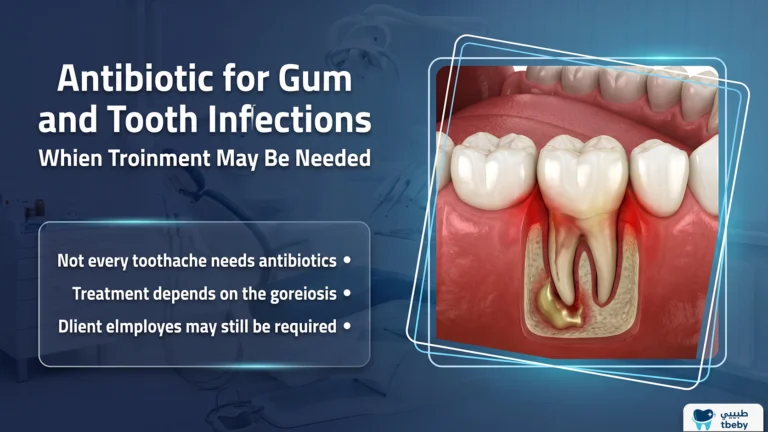
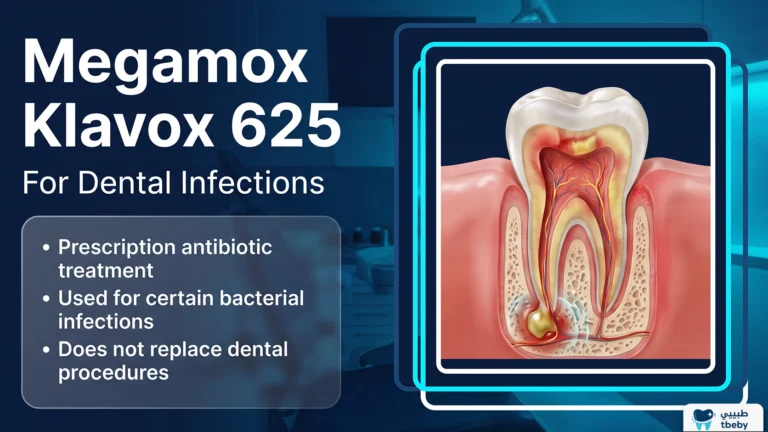
Antibiotics are not routinely needed for plaque-related gum inflammation or bleeding alone. Treatment usually focuses on daily plaque control and professional cleaning. A dentist may prescribe an antibiotic for gum and tooth infections when a specific diagnosis and clinical findings justify it.
1. Clindamycin
Clindamycin is reserved for selected bacterial infections when a prescriber considers it appropriate. It is not a routine treatment for bleeding gums, and its risk of serious antibiotic-associated diarrhoea must be considered.
2. Tetracycline
Tetracycline is among the best medicines for treating bleeding gums, but it is not recommended for children or pregnant women.
3. Penicillin
Penicillin is the first medicine used to treat gum inflammation. It is available as tablets and an oral liquid, and improvement is felt within a few days of use.
It is used during pregnancy and breastfeeding, although its adverse effects include allergic reactions and diarrhoea, as well as fatigue.
4. Amoxicillin
Amoxicillin is an effective medicine for treating gum inflammation, but it causes certain adverse effects, including vomiting, fatigue and diarrhoea.
You can explore gum repair drops, checking the ingredients and directions before use.
Conclusion
Daily oral hygiene is central to bleeding gums treatment, as neglecting cleaning contributes to gum inflammation and other dental problems. Understanding the underlying causes, cleaning the teeth gently and consulting a doctor before taking medicines are the main considerations discussed in this article.
Frequently Asked Questions
What is a common cause of bleeding gums?
Gum inflammation, also known as gingivitis, is a common cause of bleeding gums.
Can food debris between the teeth contribute to bleeding gums?
Food debris can contribute to plaque accumulation, gum inflammation and associated bleeding.
Can brushing too forcefully cause bleeding gums?
Forceful brushing with a hard-bristled toothbrush can irritate the gums and cause bleeding.
Which type of toothbrush is preferable for sensitive gums?
A soft-bristled toothbrush is preferable because it reduces irritation during cleaning.
Can smoking contribute to gum inflammation?
Smoking contributes to oral inflammation and can increase the risk of bleeding gums.
Can hormonal changes contribute to gum inflammation?
Hormonal changes are among the factors that can contribute to gum inflammation.
Can certain medical conditions be associated with bleeding gums?
Diabetes, leukaemia and immune deficiency are among the conditions associated with bleeding gums.
Can some medicines contribute to gum inflammation?
Certain medicines, including those used for heart disease and antidepressants, can contribute to gum inflammation.
Why is gentle daily cleaning important for gum health?
Gentle daily cleaning helps remove food debris and plaque while limiting gum irritation.
Should a doctor be consulted before taking antibiotics for gum problems?
A doctor should be consulted before using any of the antibiotics discussed in the article.
External Sources
NHS: How to Keep Your Teeth Clean
Verywell Health: How to Get Relief from Toothaches With Clove Oil