

Many individuals experience episodes of oral or gingival swelling that significantly interfere with their daily functioning and quality of life. Consequently, patients seek effective and safe treatment options for gum swelling and cheek inflammation solutions that are clinically sound and free from adverse side effects. Fortunately, several home-based remedies exist that can address this condition with reasonable efficacy.
This article outlines the most practical medical and traditional approaches used in treating gum swelling and cheek inflammation. Read on for a comprehensive overview.
Causes of Cheek Swelling

Multiple etiological factors may contribute to swelling of the mouth and cheek region, the most significant of which include:
1. Poor Oral Hygiene
Maintaining dental cleanliness is essential for eliminating food debris and preventing the accumulation of bacteria and fungal activity within the oral cavity. Failure to brush regularly predisposes individuals to dental caries and bacterial infection.
Such infections trigger severe gingival inflammation varying in intensity according to the severity of the infection resulting in pronounced gingival redness, swelling, and consequent cheek inflammation.
2. Gingival Tissue Deterioration
In certain cases, the connective tissue composing the gums sustains damage due to traumatic interventions, including orthodontic treatment, aggressive dental filling procedures, or ill-fitting dentures.
These factors can compromise gingival integrity, producing intense inflammation and pain, with gum and cheek swelling representing the terminal manifestation of such injuries.
3. Nutritional Deficiencies
Inadequate nutrition or malabsorption disorders may deprive the body of minerals essential to oral health, particularly B vitamins and Vitamin C both of which are critical for gingival integrity.
Vitamin C is integral to collagen synthesis, a foundational protein in gum tissue construction, while B vitamins support neurological health and red blood cell formation, ensuring adequate oxygenation and nutritional supply to all body tissues, including the oral cavity.
4. Allergic Reactions
Gingival and facial swelling may occur as an allergic response to certain medications, toothpaste formulations, or mouth rinses. Upon exposure to such substances, gingival inflammation becomes immediately apparent, necessitating immediate discontinuation of the offending agent.
5. Medication-Induced Swelling
Several pharmacological agents list gingival swelling as a recognized adverse effect, including antihypertensives, oral contraceptives, antiepileptics, immunosuppressants, and chemotherapeutic agents.
Should gingival inflammation emerge as a side effect of any such medication, prompt discontinuation and consultation with the prescribing physician is strongly advised.
You can use Coconut Pulling Oil to maintain a clean, alcohol-free oral environment that minimizes the risk of allergic gingival reactions.
Herbal Remedies for Gum Swelling and Cheek Inflammation
Several traditional formulations utilizing natural ingredients may assist in managing gum swelling and cheek inflammation:
- Warm and Cold Compresses
Alternating warm and cold compresses applied externally to the affected cheek can help alleviate facial swelling associated with gingival inflammation. Soak a clean cloth in warm water, apply it to the swollen cheek, then repeat with cold water. Consistent application typically yields a visible reduction in swelling. - Saline Rinse
One of the oldest and most efficacious remedies for dental and gingival conditions involves dissolving one teaspoon of salt in a cup of warm water and using it as a mouth rinse several times daily. This significantly reduces swelling and discomfort. - Tea Tree Oil
Tea tree oil extract contains antioxidant compounds that inhibit free radical activity responsible for inflammation. It may be applied topically to the swollen cheek or mixed with a few drops of mouthwash and water for use as an oral rinse. The regimen should be repeated until complete resolution of inflammation is achieved. - Sesame Oil
Sesame oil functions as a natural antimicrobial agent with demonstrated efficacy against oral bacteria. Swilling one tablespoon of sesame oil followed by rinsing with warm water can reduce gingival swelling effectively. - Aloe Vera Gel
Aloe vera possesses well-established soothing and anti-inflammatory properties. Its gel may be applied directly to the swollen cheek externally or massaged onto the inflamed gum tissue internally, provided the patient can tolerate its bitter taste. - Vitamin D Supplementation
Given its documented capacity to attenuate systemic inflammation, Vitamin D represents a valuable adjunct in managing gum swelling. It may be administered as oral tablets or drops, or obtained through dietary sources rich in this nutrient, such as salmon and eggs. - Turmeric
Turmeric powder, owing to its high antioxidant content and antimicrobial properties, constitutes an effective natural remedy for gingival inflammation. Prepare a paste by combining water with half a teaspoon of turmeric, apply it to the swollen gums, leave it as a mask for ten minutes, then rinse thoroughly.
You can use Kids Toothbrush to gently care for children’s gums and reduce the risk of early gingival inflammation.
Treatment of Cheek Swelling Caused by Dental Abscess
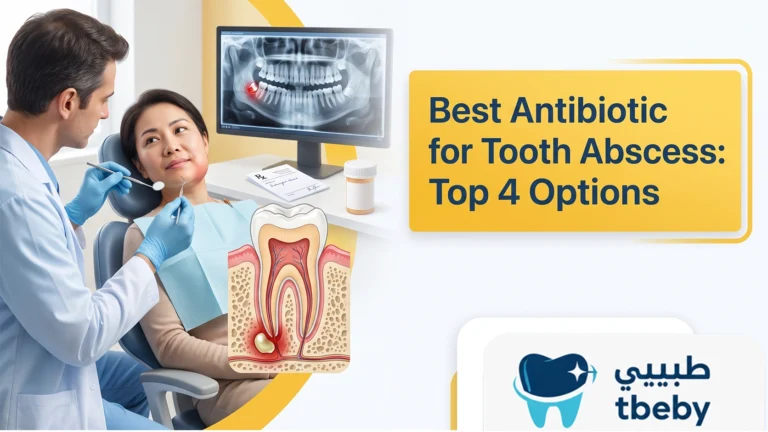
A dental abscess represents one of the primary causes of cheek swelling. In such cases, drainage of the purulent collection is essential for resolving both gum swelling and cheek inflammation. While temporary pain relief through analgesics and anti-inflammatory agents is possible, professional dental intervention is mandatory.
The treating physician will typically prescribe antibiotics to resolve the abscess and may perform a gingival incision to drain the site and prevent further dental complications.
Medical Treatment of Gum Swelling and Cheek Inflammation
Pharmacological management of gum swelling and cheek inflammation primarily involves analgesics and anti-inflammatory agents. It is important to emphasize that excessive use of such medications carries significant health risks, including hepatic and renal deterioration.
Therefore, analgesics should be reserved for cases of genuine necessity, while the underlying etiology of the swelling is investigated and appropriately treated. Patients are strongly encouraged to seek dental evaluation to identify the root cause and ensure targeted, effective management.
You can use Banana Baby Teether to soothe infant gum discomfort and support healthy oral development without the need for medication.
Preventive Measures Against Gum and Facial Swelling
- Prioritize oral hygiene by brushing teeth twice daily
- Select toothpaste and toothbrushes carefully to avoid gingival irritation
- Use dental floss after every meal to remove interdental debris
- Avoid chewing on the affected side during active inflammation
- Refrain from consuming excessively hot or cold foods
- Choose a fluoride-containing mouthwash, as fluoride is a highly effective oral hygiene agent
Your Next Steps Toward a Healthy, Pain-Free Smile
Effective management of gum swelling and cheek inflammation begins with rigorous oral hygiene as the primary line of defense. While home remedies and natural preparations may provide temporary symptomatic relief, they cannot substitute for professional dental consultation, particularly in cases involving abscess formation or severe infection. Always remember that oral health is a direct reflection of systemic health, and consistent preventive care is far preferable to prolonged treatment. Do not hesitate to consult a dental specialist at the onset of any abnormal symptoms to preserve a bright and healthy smile.
Related Dental Topics
FAQs About Gum and Cheek Swelling
How long does cheek swelling from gum inflammation last?
When does facial swelling from a dental problem resolve?
Swelling typically subsides within 3 to 7 days with appropriate treatment. Persistence beyond this period warrants immediate medical consultation.
Does salt water rinsing treat gum swelling?
What is the benefit of salt water for cheek inflammation? Y
es. Salt functions as a natural antiseptic, reducing inflammation and drawing out excess fluid to diminish swelling effectively.
Do cold compresses reduce cheek swelling?
How should compresses be used for facial inflammation?
Yes. Cold compresses induce vasoconstriction, which reduces swelling and provides localized pain relief.
Can a dental abscess cause cheek swelling?
What does a tooth abscess do to the face?
Yes. A dental abscess is a primary cause of cheek swelling and requires professional intervention for drainage to prevent the spread of infection.
Can vitamin deficiencies cause gum swelling?
What is the relationship between Vitamin C and gum health?
Yes. Deficiencies in Vitamin C and B vitamins weaken gingival tissue, leading to bleeding, inflammation, and notable swelling.
When does gum and cheek swelling become dangerous?
What signs indicate the need for urgent dental attention?
The condition becomes medically serious when accompanied by fever, difficulty breathing or swallowing, or when swelling extends below the eye region.
Is tea tree oil effective for gum inflammation?
How should natural oils be used to treat oral swelling?
Yes. Due to its antioxidant and anti-inflammatory properties, tea tree oil may be used as a diluted oral rinse to soothe inflamed gum tissue.
Do blood pressure medications cause gum swelling?
Why do certain medications cause gingival enlargement?
Yes. Certain antihypertensive and antiepileptic medications are known to cause gingival hypertrophy as a side effect, requiring physician consultation.
How can gum swelling be prevented in the future?
What are the most effective methods for protecting against oral inflammation?
Through twice-daily brushing, regular use of dental floss, and biannual professional dental examinations.
Does turmeric treat gum inflammation?
What is the benefit of a turmeric mask for cheek swelling?
Yes. Turmeric is a natural anti-inflammatory and antibacterial agent; applied as a paste, it assists in reducing both swelling and pain.
Source: Mayo Clinic Periodontitis: Symptoms and Causes