
Broken tooth extraction is one of the most commonly performed dental procedures, carried out to relieve severe pain or address underlying oral health complications. The procedure involves the surgical removal of a damaged tooth from the jawbone using specialized dental instruments.
Depending on the severity of the condition and the patient’s overall oral health, broken tooth extraction may be performed in a dental clinic or a hospital setting.
Broken tooth extraction is typically indicated when dental decay has progressed to a stage beyond repair through conventional fillings or surface restoration. It may also be recommended to alleviate intense pain caused by deep dental infection or in cases of significant tooth malformation. In Egypt, dental clinics widely perform this procedure as a first-line intervention for severely compromised teeth.
To safely manage the wound site upon returning home and to assist in controlling any minor post-procedural bleeding, it is essential to have sterile, dry cotton balls readily available to ensure optimal hygiene and infection prevention.
Procedure for Broken Tooth Root Extraction
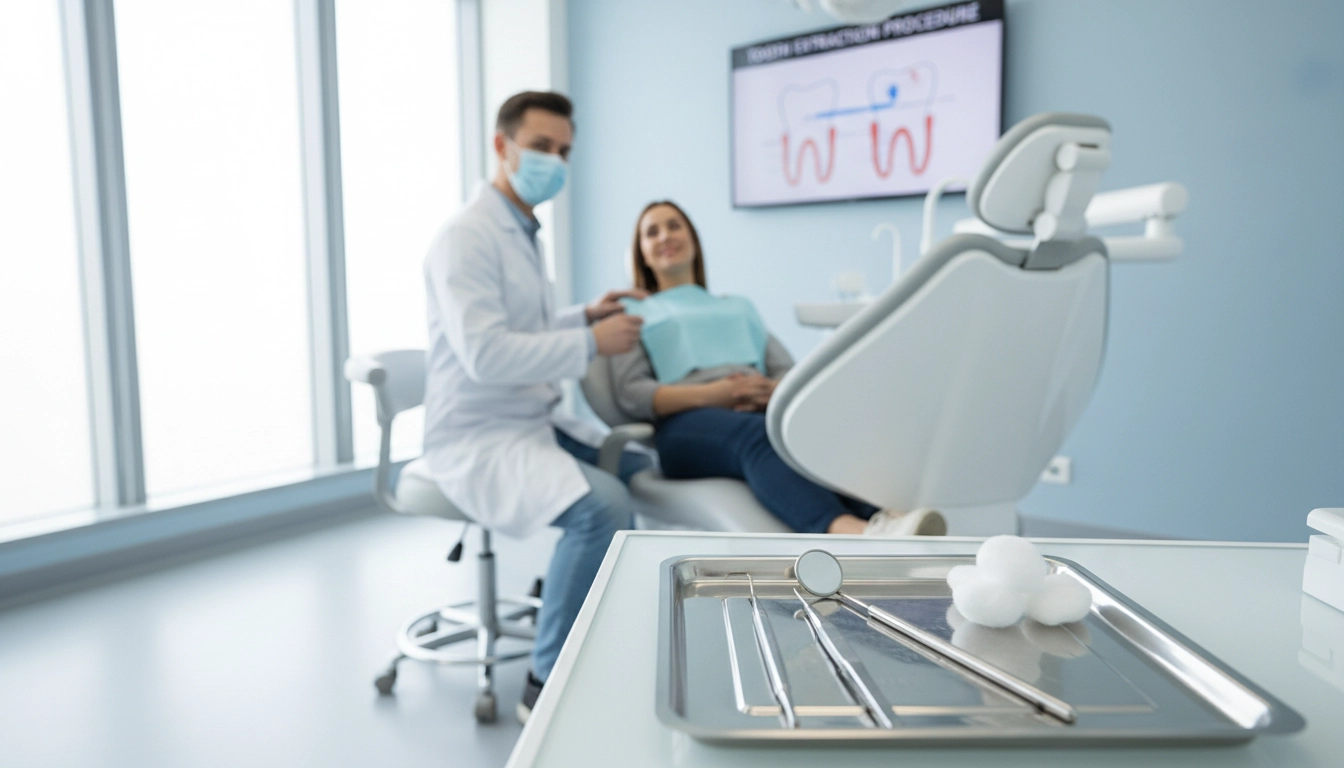
Broken tooth extraction at the root level is performed when the tooth cannot be removed in its entirety due to severe fracturing or structural damage. In such cases, the fractured roots are extracted individually using specialized dental instruments.
The following outlines the fundamental steps involved:
- The dentist conducts a thorough oral and dental examination to determine whether root extraction is necessary and to assess the condition of adjacent teeth.
- Local anesthesia is administered to the oral cavity to minimize pain and discomfort.
- A specialized instrument is used to section the broken tooth into smaller fragments, which are then removed progressively.
- The fractured roots are carefully extracted using precision dental tools, with particular attention to avoiding injury to the surrounding gum tissue and neighboring teeth.
- Following the procedure, the patient must adhere strictly to the dentist’s postoperative care instructions, including maintaining wound hygiene and avoiding hard, sticky, and sugar-rich foods for a designated recovery period.
In Egypt, oral surgeons emphasize strict compliance with postoperative instructions to minimize complications and accelerate the healing process. It is imperative that patients contact their dental provider immediately should any atypical symptoms or prolonged severe pain arise following broken tooth extraction.
You can use Coconut Pulling Oil with Tongue Scraper to maintain optimal oral hygiene and support wound cleanliness during recovery from broken tooth extraction.
Broken Tooth Root Extraction: A Closer Look
Broken tooth extraction at the root level is a specialized procedure reserved for cases in which the tooth structure is too compromised for complete intact removal. The process is carried out progressively; the fractured tooth is first sectioned into manageable fragments using a dedicated surgical instrument, followed by the meticulous removal of each root segment.
This procedure is executed with precision to safeguard the integrity of the surrounding gum tissue and adjacent teeth. Local anesthesia is a standard prerequisite for broken tooth extraction to ensure patient comfort throughout the intervention.
Post-procedurally, patients are advised to follow a structured aftercare regimen, including wound site maintenance and dietary modifications specifically avoiding hard, adhesive, and high-sugar foods until complete tissue healing is achieved.
To assist in reducing post-surgical swelling and managing pain following broken tooth extraction, the use of reusable cold compress packs with a head strap is strongly recommended. This provides the therapeutic benefit of cold therapy without requiring manual application throughout the recovery period.
You can use Banana Baby Teether to gently soothe and massage the gum area, providing mild relief during the early recovery phase following broken tooth extraction.
Foods to Avoid After Broken Tooth Extraction
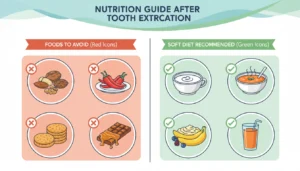
Following broken tooth extraction, certain food categories must be strictly avoided to prevent wound site irritation and delayed healing:
1. Hard and crunchy foods
including biscuits, chips, nuts, and crunchy cereals, which may traumatize the surgical site and impede healing.
2. Sticky foods
such as sweets, chocolate, and caramel, which may adhere to the wound and cause irritation or infection.
3. Spicy and heavily seasoned foods
including hot peppers, turmeric, and cumin, which can inflame the wound site and delay tissue recovery.
4. Caffeinated beverages
such as coffee, black tea, and carbonated drinks, which may intensify pain and contribute to oral dryness, thereby prolonging healing.
5. Difficult-to-digest foods
including grilled meats and fibrous raw vegetables, which place undue mechanical stress on the oral cavity during the recovery phase.
Patients in Egypt undergoing broken tooth extraction are advised to adopt a diet consisting of soft and liquid foods, including soups, juices, yogurt, mashed fruits, and well-cooked vegetables. Extreme temperatures, whether excessively hot or cold, should also be avoided to minimize discomfort and potential complications.
How Is Broken Tooth Extraction Performed?
The methodology of broken tooth extraction is determined by the extent of fracture, the tooth’s anatomical position, its structural condition, and the patient’s overall oral health status. In select cases, specialized repair techniques may be considered as an alternative to extraction. However, when the broken tooth causes acute pain or compromises the general health of the oral cavity, broken tooth extraction remains the most clinically appropriate intervention.
Home-Based Broken Tooth Extraction: Why It Is Not Recommended
Attempting a broken tooth extraction at home is strongly contraindicated, as it carries a significant risk of serious injury and medical complications. The procedure demands the clinical expertise and technical proficiency of a licensed dental professional to prevent trauma to the surrounding soft tissue and adjacent teeth.
Patients experiencing pain associated with a fractured tooth should seek appropriate analgesic medication from a licensed pharmacy and schedule an appointment with a dental specialist at the earliest opportunity. In Egypt, same-day emergency dental consultations are widely accessible through both public and private dental clinics.
Post-treatment adherence to the dentist’s care instructions remains essential, including proper oral hygiene, consumption of soft and cool foods, and avoidance of hard, sticky, and sugar-dense foods throughout the healing period.
Post-Extraction Care Tips Following Broken Tooth Extraction
Appropriate aftercare following broken tooth extraction is critical to preventing complications and ensuring an expedited recovery. The following evidence-based recommendations should be observed:
1. Dietary restrictions
Avoid hard foods, grilled meats, and sticky substances, as these may compromise wound integrity and elevate infection risk.
2. Cold therapy
Apply an ice pack to the cheek for 10 to 20 minutes at regular intervals to reduce swelling and alleviate pain following broken tooth extraction.
3. Physical rest
Allow adequate recovery time; strenuous physical activity and exercise should be avoided for a minimum of two days post-procedure.
4. Oral hygiene maintenance
Gently rinse the mouth with warm saline solution for the first 24 hours following broken tooth extraction, then resume careful brushing while avoiding the surgical site.
5. Pain management
Over-the-counter analgesics such as paracetamol or ibuprofen may be used to manage residual pain and swelling as directed.
6. Symptom monitoring
Monitor for signs of complications, including fever or excessive bleeding; any such symptoms warrant immediate dental consultation.
7. Medical compliance
Strictly follow the dentist’s prescribed treatment plan to ensure safe and complete recovery following broken tooth extraction.
Conclusion
Broken tooth extraction is among the most frequently performed procedures in contemporary dental practice. It is indicated when a fractured tooth causes severe pain or poses a threat to overall oral health. The procedure requires the clinical expertise of a qualified dental surgeon to ensure the safety of surrounding tissues and adjacent teeth.
Innovative techniques, including ultrasonic technology, are increasingly being employed to enhance the precision and efficacy of broken tooth extraction, while simultaneously reducing procedural discomfort. Strict adherence to postoperative instructions is fundamental to minimizing pain and supporting optimal tissue healing.
Ultimately, preventive oral health practices, including regular dental hygiene, avoidance of sticky and sugar-rich foods, and routine dental examinations, remain the most effective strategy for preserving long-term oral health and reducing the likelihood of requiring broken tooth extraction in Egypt and beyond.
Related Dental Topics
- Tips after tooth extraction
- Remove the Cotton Gauze After Tooth Extraction
- Relieving Tooth Extraction Pain
- Treatment of Bad Breath After Tooth Extraction
- Surgical Wisdom Tooth Extraction
- Manual tooth extraction
- Smoking After Wisdom Tooth Extraction
- Care after tooth extraction
- When Does Tooth Extraction Bleeding Stop
- Broken Tooth Extraction
- Tooth Extractionfor Children
- Decayed Tooth Extraction
- Persistent Pain After Tooth Extraction
- Does Tooth Extraction Affect Pregnant Women
FAQs About Broken Tooth Extraction
Is broken tooth extraction painful?
Does the patient feel pain during broken tooth extraction?
No, local anesthesia is administered prior to the procedure, ensuring the patient remains comfortable and pain-free throughout the broken tooth extraction.
Can I eat after a broken tooth extraction?
What can I consume immediately following broken tooth extraction?
Solid food should be avoided immediately after broken tooth extraction; however, drinking water is generally permitted once the anesthetic has worn off.
Can a broken tooth extraction be performed at home?
Is it safe to attempt broken tooth extraction without a dentist?
No broken tooth extraction must only be performed by a licensed dental professional; home attempts carry serious risks of injury and infection.
How long does recovery take after a broken tooth extraction?
What is the typical healing period following broken tooth extraction?
Recovery from broken tooth extraction generally takes between three and seven days, depending on the complexity of the case and the patient’s adherence to aftercare instructions.
Is swelling normal after a broken tooth extraction?
Should I expect facial swelling following broken tooth extraction?
Yes, mild to moderate swelling is a normal physiological response following broken tooth extraction and typically subsides within 48 to 72 hours with proper cold therapy.
When should I contact my dentist after broken tooth extraction?
What symptoms require urgent follow-up after a broken tooth extraction?
Patients should contact their dentist immediately if they experience prolonged bleeding, fever, severe unrelenting pain, or signs of infection following broken tooth extraction.
Can a broken tooth extraction affect neighboring teeth?
Does broken tooth extraction pose a risk to adjacent teeth?
When performed by a qualified dental professional, broken tooth extraction is conducted with precision to minimize any impact on surrounding gum tissue and adjacent teeth.
What anesthesia is used during a broken tooth extraction?
Is general anesthesia required for broken tooth extraction?
Broken tooth extraction is typically performed under local anesthesia; general anesthesia is reserved for complex surgical cases or patients with specific medical indications.
Are antibiotics prescribed after broken tooth extraction?
Is antibiotic therapy necessary following broken tooth extraction?
Antibiotics may be prescribed following broken tooth extraction at the dentist’s discretion, particularly in cases involving active infection or elevated risk of post-procedural complications.
How can I prevent the need for broken tooth extraction in the future?
What dental habits reduce the risk of requiring broken tooth extraction?
Maintaining consistent oral hygiene, attending regular dental check-ups, avoiding excessively hard foods, and seeking prompt treatment for dental decay are the most effective preventive measures against broken tooth extraction in Egypt and worldwide.
Sources
https://my.clevelandclinic.org/health/treatments/22120-tooth-extraction