

Tooth extraction is one of the most common dental procedures performed worldwide. Most people undergo at least one tooth extraction during their lifetime, often because no other treatment option remains viable.
For instance, when severe untreated tooth decay reaches an irreversible stage, extraction becomes the only effective solution. Similarly, trauma from an accident that results in a broken tooth especially a front tooth visible during speaking or smiling may require immediate extraction followed by dental implant replacement, both for aesthetic and psychological wellbeing.
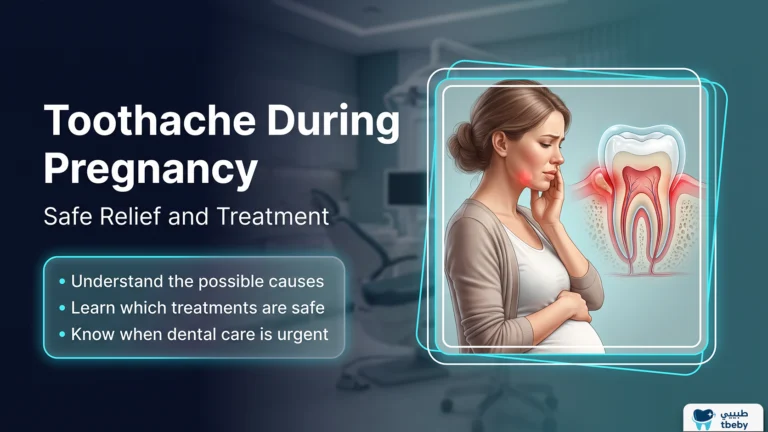
In Egypt, dental health awareness during pregnancy remains a critical topic that many women overlook, which makes understanding the facts about tooth extraction during pregnancy especially important.
Can a Pregnant Woman Have a Tooth Extracted?
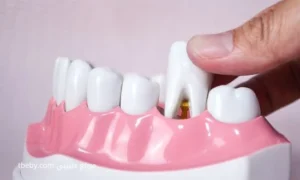
Tooth extraction during pregnancy is medically possible, but it requires prior consultation with a qualified dentist. In Egypt, where many women delay dental visits during pregnancy due to common myths, early consultation remains essential. Pregnancy demands special consideration regarding the type of anesthesia used and the medications prescribed following the procedure.
You can use Coconut Pulling Oil to support oral hygiene and maintain a fresh, bacteria-free mouth throughout your pregnancy alcohol-free and gentle on sensitive gums.
Can a Pregnant Woman Have Her Wisdom Tooth Extracted?
In most cases, wisdom tooth extraction during pregnancy can be performed without complications. However, consulting a dentist beforehand is essential a step that many pregnant women in Egypt tend to overlook due to fear or misinformation. Pregnancy may affect the woman’s overall health and increase the risk of procedural complications, making professional dental evaluation a non-negotiable priority.
Risks of Wisdom Tooth Extraction During Pregnancy Include:
Excessive Bleeding Since blood circulation is more active during pregnancy, the risk of post extraction bleeding is notably higher.
Infection The immune system may be weaker during pregnancy, increasing susceptibility to post extraction infection.
Numbness Local anesthesia may cause temporary numbness in the surrounding area due to its effect on nearby nerves.
Fetal Risk In rare cases, complications from wisdom tooth extraction could potentially affect the fetus.
To control bleeding after extraction, sterile dental cotton rolls are recommended they are gentle, absorbent, and help keep the wound clean during the critical first hours.
When Should a Pregnant Woman Have Her Wisdom Tooth Extracted?
Doctors generally recommend waiting until the second trimester before undergoing wisdom tooth extraction a guideline widely followed by dental specialists across Egypt to ensure the safest possible outcome for both mother and baby.
1. First trimester
Highly sensitive period; greater risk of bleeding or miscarriage
2. Second trimester
Safest window for dental procedures
3. Third trimester
Higher risk of infection and potential delivery complications
You can use Kids Round Toothbrush to gently introduce your child to oral hygiene early dentist-recommended with soft food-grade bristles, safe from the very first tooth.
How Should a Pregnant Woman Prepare for Wisdom Tooth Extraction?
Pre-Procedure Preparation:
- Inform your dentist that you are pregnant
- Discuss all concerns and questions openly with your dentist
- Eat a light meal before the procedure
- Get sufficient sleep the night before
- Wear comfortable, loose fitting clothing
- Arrange for someone to accompany you home after the surgery
Post Extraction Care for Pregnant Women
Aftercare Tips:
- Take pain relievers only as directed by your dentist
- Apply a cold compress to the area for 20 minutes every hour
- Avoid chewing on the affected side
- Consume soft, easy to chew foods
- Drink plenty of fluids to prevent dehydration
- Avoid smoking entirely
- Rest adequately
For swelling reduction, reusable ice packs applied externally to the cheek are safe, effective, and gentle on sensitive gum tissue.
Signs of Infection After Wisdom Tooth Extraction
Contact your dentist immediately if any of the following symptoms appear and for pregnant women in Egypt, prompt action is especially critical given that delayed treatment can lead to serious complications for both mother and fetus.
- Severe or worsening pain
- Progressive swelling
- Fever
- Yellow or green discharge from the wound
Does Anesthesia Affect the Fetus?
This is one of the most common concerns among pregnant women facing any surgical procedure in Egypt and across the Arab world.
The answer is reassuring: local anesthesia does not harm the fetus. Its effect is strictly limited to the oral region specifically the gum tissue and surrounding areas such as the lips without affecting any other part of the body or crossing to the fetus.
The dentist administers local anesthesia by injecting the numbing agent directly into the gum, completely eliminating pain sensation during the extraction. This ensures the procedure is performed smoothly and with minimal discomfort.
After extraction, using a single use portable mouthwash is recommended it acts as a gentle antiseptic that keeps the mouth fresh without irritating sensitive gum tissue.
Can a Pregnant Woman Take Pain Relievers After Extraction?
Generally, pain relievers may be taken after tooth extraction during pregnancy. However, the pregnant woman must consult her dentist before taking any medication to ensure it is safe for both mother and baby.
Can a Pregnant Woman Take Antibiotics After Extraction?
The dentist may prescribe specific antibiotics following extraction to prevent infection. Only dentist approved antibiotics that are confirmed safe during pregnancy should be taken.
Can a Pregnant Woman Breastfeed After Wisdom Tooth Extraction?
In most cases, breastfeeding can continue after wisdom tooth extraction. However, certain prescribed antibiotics may be contraindicated during breastfeeding, so always confirm this with your dentist.
How to Care for Your Teeth During Pregnancy
Dental care is among the most important health priorities for pregnant women both for the mother’s wellbeing and the developing fetus. Hormonal changes during pregnancy reduce the teeth’s natural defenses, making them more vulnerable to decay, pigmentation, and gum disease.
Essential Dental Care Tips During Pregnancy:
Brush Twice Daily Use a soft bristled toothbrush to avoid gum irritation. Gum sensitivity significantly increases during pregnancy, and hard bristles may trigger bleeding. All forms of gum bleeding should be avoided during pregnancy.
Floss at Least Once Daily Pregnant women are more susceptible to gum disease. Food debris trapped between teeth can lead to inflammation and decay, making daily flossing essential.
Reduce Sugar Intake Sugary foods promote bacterial acid production in the mouth, leading to progressive enamel erosion that can eventually reach the tooth nerve. If sugary foods are consumed away from home, drinking plenty of water helps minimize damage until proper brushing is possible.
Increase Calcium Rich Foods Calcium is essential for maintaining strong teeth during pregnancy. The recommended daily intake during pregnancy and breastfeeding is approximately 1,200 mg, achievable through milk, broccoli, spinach, and figs.
Monitor Gum Health Regularly Many pregnant women experience gum swelling at least once during pregnancy. Any pain or swelling should be evaluated by a dentist promptly.
You can use Banana Baby Teether to gently massage your baby’s gums and support healthy oral development from day one BPA-free, silicone-safe, and dentist-friendly.
Conclusion
Your oral health during pregnancy is an investment in both your safety and your baby’s wellbeing.
There is no need for excessive concern about tooth extraction during pregnancy when the procedure is medically necessary to prevent more serious complications. The second trimester represents the safest window for dental procedures, supported by modern medical techniques and local anesthesia that is completely safe for the fetus.
If you are experiencing any dental pain or gum inflammation, do not hesitate to consult a qualified dentist immediately and for pregnant women across Egypt, accessing specialized dental care during pregnancy has never been more available or more essential for a safe and healthy delivery.
Related Dental Topics
- Care after tooth extraction
- Persistent Pain After Tooth Extraction
- Tooth Extractionfor Children
- When Does Tooth Extraction Bleeding Stop
FAQs About Tooth Extraction During Pregnancy
Is tooth extraction safe for pregnant women?
Does dental extraction pose any risk to the fetus?
Yes, it is considered a very safe procedure especially during the second trimester and under direct medical supervision.
Does dental anesthesia negatively affect the fetus?
Is local anesthesia for tooth extraction harmful during pregnancy?
Local anesthesia is completely safe and poses no risk to the fetus, as its effect is limited entirely to the oral area.
Can a pregnant woman have her wisdom tooth extracted?
Is wisdom tooth removal surgery permitted during pregnancy?
It can be safely performed when absolutely necessary to avoid complications, though postponing it until after delivery is preferred when clinically feasible.
What is the best month for tooth extraction during pregnancy?
When is the safest time for dental treatment during pregnancy?
The second trimester from month three to the end of month six is the safest period for dental surgery during pregnancy.
Are pain relievers safe for pregnant women after tooth extraction?
What can a pregnant woman safely take to relieve dental pain after extraction?
Yes, pain relievers are permitted, but only those specifically prescribed by your dentist as safe for use during pregnancy.
Can a pregnant woman take antibiotics after tooth extraction?
Do dental antibiotics and anti inflammatory medications harm the fetus?
Yes, the dentist may prescribe specific antibiotics that are completely safe during pregnancy to prevent post extraction infection.
How can I stop bleeding after tooth extraction while pregnant?
What is the correct method to control extraction bleeding during pregnancy?
Gently and firmly bite down on a sterile cotton pad placed over the extraction site to promote rapid blood clotting.
How can I reduce cheek swelling after tooth extraction during pregnancy?
What is the treatment for facial swelling after dental surgery during pregnancy?
Apply cold ice packs externally to the cheek for 20 minutes every hour to calm inflammation and reduce swelling safely.
When should a pregnant woman visit the doctor immediately after tooth extraction?
What are the infection symptoms that require urgent medical attention?
Seek immediate medical attention if you experience fever, progressively worsening swelling, unbearable pain, or unusual discharge from the wound.
How can I protect my teeth from decay and extraction during pregnancy?
What are the best daily dental care methods for pregnant women?
Brush your teeth twice daily with a soft bristled toothbrush, use dental floss daily, and maintain a diet rich in calcium.
Source
https://www.ada.org/resources/ada library/oral health topics/pregnancy