
Tips after tooth extraction are among the most searched topics by patients in Saudi Arabia who want to reduce pain quickly, accelerate healing, and avoid post-procedural complications. Many cases suffer not from the extraction itself, but from the complications that follow, which are largely preventable with proper care.
Pre-Extraction Tips
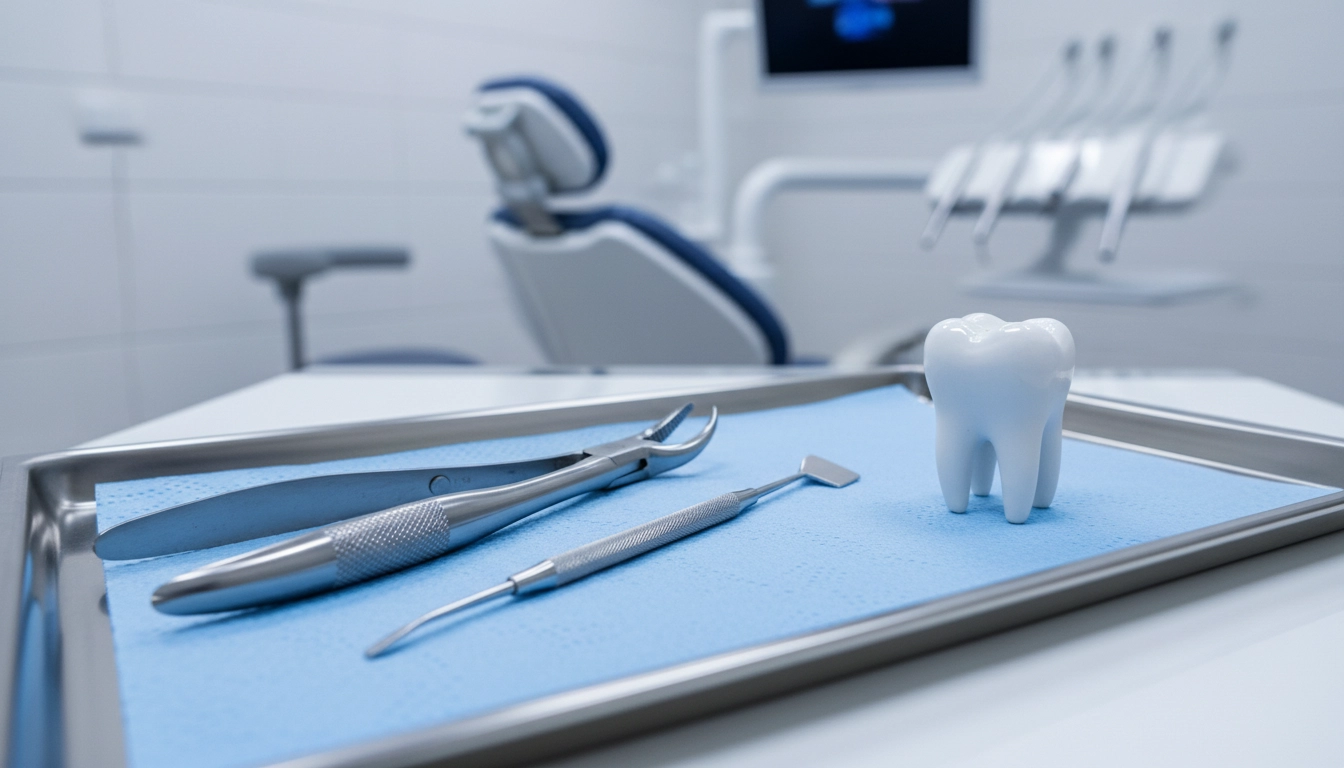
Understanding how to avoid post-extraction complications begins before the procedure itself. In Saudi Arabia and across the region, dentists emphasize that preparation is just as critical as aftercare. Several aspects require attention before any tooth is removed.
1. Treating Existing Inflammation
Any active inflammation in the tissues surrounding the tooth must be addressed prior to extraction. Inflammation reduces the effectiveness of local anaesthesia, intensifies procedural pain, and weakens surrounding tissue, making it more susceptible to damage during the procedure.
2. Nutritional Preparation
The patient should maintain adequate nutritional intake before the extraction, unless the dentist specifies dietary restrictions. Good nutrition supports tissue healing. This is particularly important because post-extraction eating is often difficult, especially when pain is present, when the extraction site is in the upper jaw, when the patient is under 26 years of age, or when the patient is female, as statistical data consistently reflects.
3. Oral Hygiene
Thoroughly cleaning the teeth and mouth before the procedure helps reduce bacterial load inside the oral cavity and improves overall oral hygiene, both of which contribute to a healthier extraction environment.
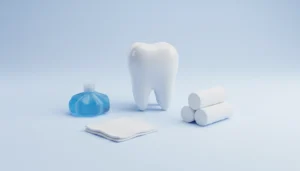
To support oral cleanliness and minimise bacterial presence before the procedure, sterile dental cotton swabs can be used to gently prepare the area for safe extraction.
4. Informing Your Dentist
Patients must disclose all medications currently being taken, particularly blood-thinning agents such as aspirin. The dentist may advise pausing, substituting, or adjusting the dosage accordingly. Any existing medical conditions must also be declared, especially immunodeficiency disorders, hepatic fibrosis, or a history of heart valve replacement or prosthetic joint implantation.
5. Psychological Readiness
There is no reason for anxiety. The anaesthesia will effectively manage pain, and the procedure is straightforward. Scheduling the extraction during morning hours is generally recommended for optimal outcomes.
These practices apply as pre-extraction tips for wisdom teeth specifically and all other teeth generally.
You can use Whitening Powder to maintain clean, plaque-free teeth and freshen breath as part of your daily oral care routine before your extraction appointment.
Tips After Tooth Extraction
Following any extraction, both the dentist and the patient have specific responsibilities to prevent potential complications. Tips after tooth extraction are divided between what the clinician does immediately post-procedure and what the patient must do during recovery.
What the Dentist Does After Extraction
The dentist will:
- Apply gentle pressure on the extraction site to initiate the clotting process
- Place a cotton or gauze pad over the wound to assist in stopping the bleeding and promoting closure
- Provide the patient with detailed post-operative instructions to prevent complications
You can use Whitening Powder to keep your remaining teeth clean and free of plaque while your extraction site heals.
Post-Extraction Instructions for the Patient
The patient bears the greatest responsibility in the recovery phase. Whether complications arise largely depends on how closely the patient follows or neglects post-extraction instructions.
1. Retaining the Cotton or Gauze Pad
The patient must not remove the cotton or gauze pad placed by the dentist. It should be held firmly in place by biting down on it, and the mouth should remain closed.
When should the cotton pad be removed after tooth extraction?
The cotton pad should remain in place for a minimum of thirty minutes. Removing it earlier can prevent proper blood clotting at the extraction site, making it difficult to stop the bleeding and potentially prolonging haemorrhage beyond what is necessary.
2. Avoiding Rinsing
The patient must refrain from rinsing or swishing the mouth on the day of extraction. Spitting should also be avoided unless absolutely necessary. Tips after tooth extraction consistently emphasize this point.
Why is rinsing prohibited after tooth extraction?
Rinsing dislodges the blood clot that is forming at the extraction site. Without this clot, bleeding continues unimpeded and may result in significant pain during the first two to three days.
When is rinsing permitted after tooth extraction?
Rinsing must be avoided during the first 24 hours. After this period, gentle rinsing is permitted.
3. Salt Water Rinsing After Day One
After the initial 24-hour period, rinsing with warm salt water is beneficial and actively promotes wound healing. This is done by dissolving a quarter teaspoon of salt in half a cup of warm water, then rinsing two to three times daily for three to seven days. A warm saline solution available from pharmacies is equally effective.
According to a relevant study, there is no significant difference between frequent and infrequent rinsing; a lower frequency may, in fact, be more suitable for most patients. However, the practice of rinsing itself is valuable in preventing serious complications, including jawbone infection and osteomyelitis.
To support oral hygiene after the first 24 hours, a single-use portable mouthwash can be used to gently disinfect the mouth and reduce the risk of infection during the healing process.
4. Avoiding Smoking
Smoking is harmful to oral tissues in general and particularly damaging during the healing period. It significantly delays wound closure and may prevent complete healing altogether.
When can smoking resume after a tooth extraction?
Smoking should be entirely avoided for at least the first three to four hours following extraction. Ideally, it should be avoided for a full 24 hours. A study on this topic confirmed that the harmful effects of smoking are most pronounced within the first week post-extraction, during which smokers face significantly elevated risks of pain, bleeding, inflammation, and infection.
5. Keeping the Tongue and Fingers Away
The extraction site must be protected from contact with the tongue and fingers at all times. Such contact can disrupt clot formation and halt the bleeding process, while fingers introduce the risk of bacterial infection through the open wound.
6. H3: Dietary Considerations
Diet plays a significant role in recovery. This is among the most practically important tips after tooth extraction.
During the first two hours, all food and beverages must be completely avoided, both to allow clotting and because the anaesthesia remains active, reducing the patient’s ability to detect pain or damage.
After this period, soft, lukewarm, or slightly cool foods are appropriate. All chewing should be done on the opposite side of the mouth to protect the clot and prevent contamination. Hot foods and beverages must be strictly avoided. Foods rich in nutrients, particularly Vitamin C, are recommended. Drinking through a straw should be avoided during the first 24 hours.
Regarding the extraction of an inflamed tooth: the term here refers to a tooth with an inflamed nerve, not one surrounded by inflamed soft tissue. The latter must have its surrounding inflammation fully treated before extraction can proceed.
7. Avoiding Physical Exertion
Exercise and strenuous physical activity during the first 24 hours post-extraction interfere with clotting and healing. This is especially true for activities involving significant effort or prolonged sun exposure. Adequate rest is essential. The head should be kept upright or elevated above the body to minimize bleeding from the extraction site.
8. Compresses
Cold and warm compresses are among the most effective tips after tooth extraction when applied correctly.
During the first 24 hours, ice compresses are recommended. This is done by wrapping ice in a cloth and applying it to the cheek over the extraction site, in intervals of ten minutes at a time; longer exposure risks cellular skin damage. Ice compresses help stop bleeding and reduce the likelihood of inflammation by constricting the blood vessels supplying the area. Multiple research studies support this practice.
After the first 24 hours, warm compresses are recommended. These increase blood flow to the extraction site, accelerating healing and tissue recovery.
Reusable hot and cold packs are particularly useful here, as they function in both modes: cold to stop early bleeding and warm to support circulation and gum healing later on.
9. Adhering to Medical Instructions
Full compliance with the dentist’s instructions is essential, particularly regarding medication. The dentist may advise avoiding blood-thinning agents and prescribe appropriate analgesics. If pain persists and becomes disruptive, it may indicate a failure in clot formation or the onset of infection. In either case, the patient must return to the dentist for professional evaluation and treatment.
Recovery Tips After Wisdom Tooth Extraction
Following wisdom tooth extraction, specifically, and any tooth extraction generally, recovery can be optimized through the following practices. Patients across Saudi Arabia are advised to treat this phase with the same seriousness as the procedure itself.
| # | Recovery Practice | Why It Matters |
| 1 | Maintain adequate rest and avoid all physical strain | Prevents bleeding and supports clot stability |
| 2 | Keep the extraction site away from the tongue, fingers, pens, or any other objects. | Reduces contamination risk and protects the healing wound |
| 3 | Maintain wound hygiene through appropriate salt water rinsing after 24 hours. | Eliminates bacteria and accelerates tissue closure |
| 4 | Refrain from smoking | Prevents delayed healing, infection, and dry socket |
| 5 | Avoid all hard or hot foods and beverages | Protects the clot and prevents thermal or mechanical trauma |
| 6 | Use prescribed medications as directed by your dentist | Controls pain and reduces inflammation effectively |
| 7 | Keep the head elevated while sleeping | Reduces blood pressure at the site and minimizes bleeding |
How long does the gum take to fully heal after tooth extraction?
Healing time varies depending on several factors:
| Factor | Impact on Healing Time |
| Volume of bone and gum tissue at the site | Larger wounds require longer recovery |
| Patient’s age | Younger patients generally heal faster. |
| Compliance with post-operative instructions | Strict adherence significantly shortens recovery. |
In general, full tissue recovery may take up to 14 days.
Tips After Surgical Wisdom Tooth Extraction
Certain cases require surgical intervention wisdom teeth being among the most common examples. This involves making an incision to expose and remove the tooth, followed by suturing the wound closed.
In addition to all the guidelines above, patients who undergo surgical extraction must not touch or disturb the sutures in any way. It is entirely normal for the stitches to remain in place for one to two weeks, after which the patient returns to the dentist for removal, once wound closure is confirmed.
Your Path to Recovery Commitment Is the Key to Healing
In conclusion, tooth extraction is a straightforward dental procedure, but its true success depends entirely on how carefully the patient follows post-operative care guidelines. Tips after tooth extraction in Saudi Arabia are widely available, yet many patients overlook their importance until complications arise.
We have covered the value of pre-procedural preparation, how to manage the critical first hours, and the daily habits that accelerate tissue healing, including dietary discipline, smoking cessation, and physical rest.
Patience in applying these guidelines will protect you from painful complications and ensure a safe, comfortable return to normal life as quickly as possible.
Related Dental Topics
FAQs About Tooth Extraction
When should the cotton pad be removed after extraction?
What is the appropriate time to remove the gauze placed at the extraction site?
The cotton pad should be held in place for at least thirty minutes to ensure proper blood clotting and cessation of bleeding.
Why is rinsing or gargling the mouth prohibited on the first day after extraction?
Why do dentists caution against spitting immediately after tooth removal?
To prevent dislodging the blood clot necessary for wound healing and to avoid bleeding or significant post-operative pain.
When can I begin salt water rinsing after a tooth extraction?
When is it safe to rinse the mouth with warm saline solution?
Gentle rinsing may begin after a full 24 hours have passed since the time of extraction.
When can I eat and drink after the procedure?
What is the permitted time for eating after a tooth extraction?
Wait two hours for the anaesthesia to fully wear off, then consume soft, lukewarm foods on the opposite side of the mouth.
Can a smoker smoke immediately after a tooth extraction?
When is smoking permitted after the extraction procedure?
Smoking must be avoided for at least 24 hours to prevent bleeding, inflammation, and delayed tissue healing.
Is physical exercise permitted after tooth extraction?
When can I return to workouts after having a tooth removed?
Any strenuous physical exertion should be avoided for the first 24 hours to minimise the risk of bleeding.
When should cold and warm compresses be applied to the face?
What is the correct order for using ice and warm compresses after extraction?
Apply ice during the first 24 hours to reduce swelling, then switch to warm compresses to enhance circulation and promote healing.
How long does the gum take to fully heal after extraction?
When does the extraction site fully close and the gum return to its normal state?
Full tissue recovery and wound closure typically take between one and fourteen days.
When are the surgical sutures removed after wisdom tooth extraction?
How long do the stitches remain in the mouth after surgical extraction?
Sutures remain in place for one to two weeks before the treating dentist removes them upon confirming wound closure.
What signs require an immediate return to the dentist after extraction?
When does post-extraction pain become abnormal and require medical consultation?
Return to your dentist immediately if severe bleeding persists or if sharp pain develops that does not respond to analgesics.
Sources:
https://www.mayoclinic.org/tests-procedures/wisdom-tooth-extraction/about/pac-20395268