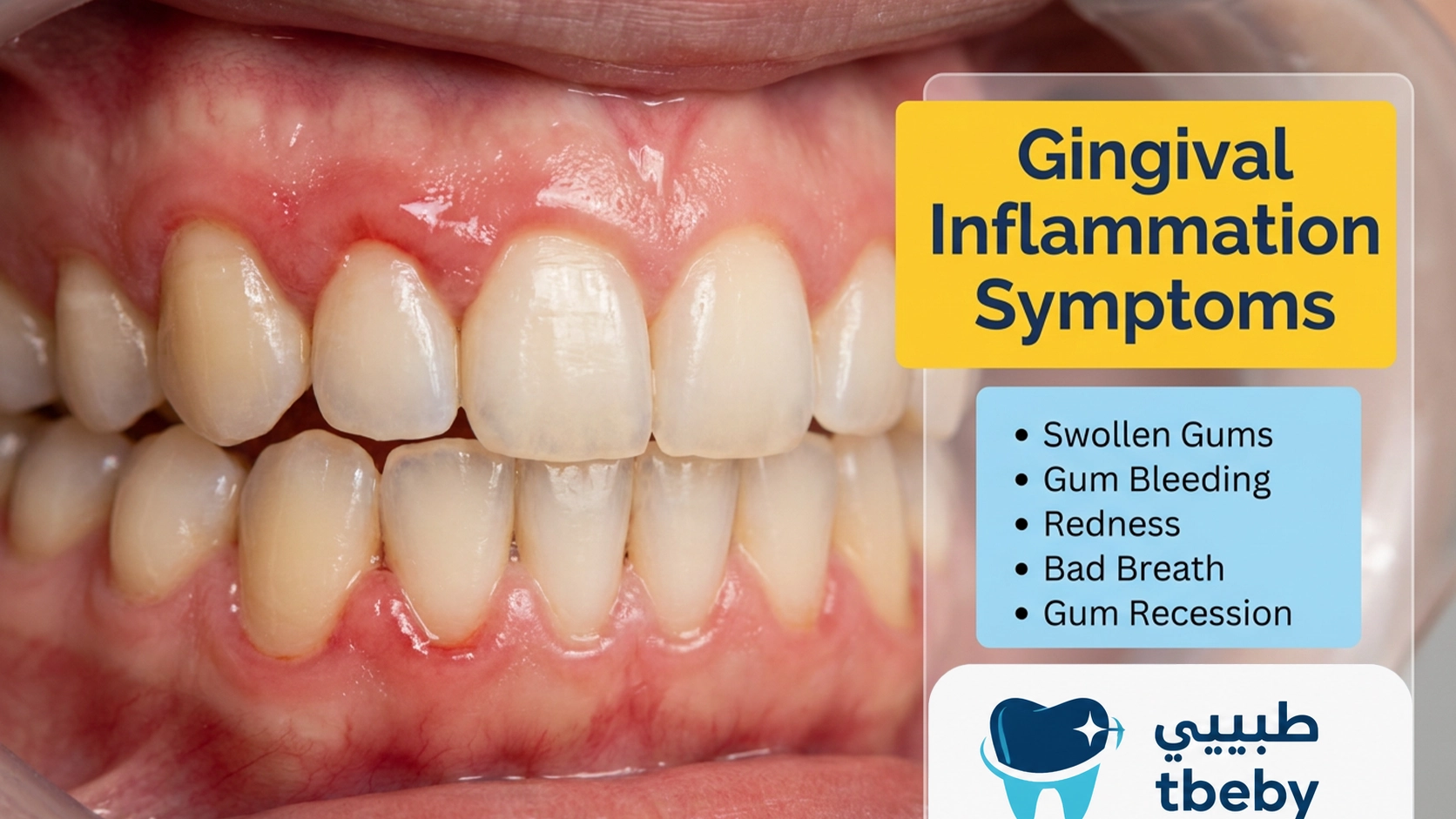

Gingival inflammation symptoms represent one of the most frequently encountered oral health concerns across all age groups worldwide. This condition causes considerable discomfort and often prompts individuals to seek immediate relief. Understanding what triggers this condition, how to identify it early, and what treatment options are available can make a significant difference in long-term oral health outcomes. This article provides a comprehensive, evidence-based overview of the most common symptoms of gingival inflammation, the underlying causes, and the most effective prevention and treatment strategies currently available.
Gingival Inflammation Symptoms: 6 Key Signs to Recognize
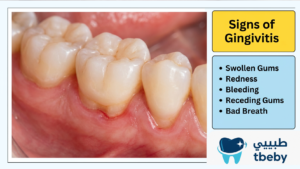
The clinical presentation of gingival inflammation symptoms varies from one individual to another. However, the following six manifestations are the most widely documented and recognized:
1. Abnormal Swelling of the Gum Tissue:
The gingival tissue appears visibly enlarged and puffy, deviating from its naturally firm and contoured appearance.
2. Redness and Color Change:
Healthy gum tissue is typically pale pink. Inflamed gums display an abnormal reddish discoloration, indicating increased vascular activity and immune response within the tissue.
3. Spontaneous or Provoked Bleeding:
One of the most telling gingival inflammation symptoms is the ease with which gum tissue bleeds, whether during brushing, flossing, or even upon gentle contact with the fingers or any object.
4. Persistent Halitosis:
Inflamed gum tissue creates an environment in which bacteria thrive, releasing volatile sulfur compounds that result in chronic bad breath unresolvable through routine brushing alone.
5. Gingival Recession:
The gum line begins to recede, pulling away from its natural position around the tooth. This exposes greater portions of the tooth root and increases sensitivity.
6. Thinning of Gum Tissue
The gingival tissue loses its characteristic thickness and density, becoming more fragile and susceptible to further damage.
It is worth noting that the majority of gingival inflammation symptoms resolve gradually once the underlying cause is identified and addressed. However, some manifestations may persist and require targeted therapeutic intervention.
To reduce symptoms such as redness, swelling, bleeding, and gum recession, regular use of a home oral irrigator is recommended. It effectively removes plaque and bacteria, stimulates blood circulation, reduces swelling, and strengthens gum tissue.
You can use Gum Repair Foam to soothe inflamed gum tissue and reduce swelling associated with early gingival inflammation symptoms.
Primary Causes of Gingival Inflammation
Understanding the etiology of gingival inflammation symptoms is essential for both prevention and treatment. The condition is multifactorial, and the following are among the most commonly identified contributing factors:
- Inadequate Oral Hygiene: Failure to maintain a consistent oral hygiene routine allows bacterial plaque to accumulate along the gum line, initiating an inflammatory cascade.
- Tobacco Use: Smoking and the use of related stimulant substances significantly impair gingival vascularity and immune response, increasing susceptibility to infection.
- Dry Mouth (Xerostomia): Reduced salivary flow compromises the natural cleansing and antimicrobial functions of saliva, affecting all oral tissues.
- Advanced Age: Natural tissue aging leads to progressive weakening of the periodontal structures, making older individuals more vulnerable to gingival disease.
- Poorly Fitted Dental Crowns: An improperly designed or ill-fitting crown disrupts the natural gingival architecture, causing chronic, localized inflammation that persists until the restoration is corrected or replaced.
- Defective Dental Restorations: Fillings that are improperly contoured or poorly adapted to the surrounding tissue create areas where plaque accumulates at an accelerated rate.
- Immunosuppressive Conditions: Systemic diseases that impair immune function, such as HIV/AIDS and various forms of malignancy, render patients broadly susceptible to opportunistic oral infections.
- Pharmacological Agents: Certain medications, notably phenytoin and specific antihypertensive and antianginal drugs, are associated with gingival overgrowth and inflammation as documented adverse effects.
- Genetic Predisposition: Some individuals carry gene variants that predispose them to recurrent gingival inflammation symptoms despite adequate oral hygiene practices.
- Viral and Fungal Infections: Certain systemic viral and fungal infections manifest with gingival involvement as part of their clinical presentation.
- Hormonal Fluctuations: Periods of significant hormonal change, including puberty in males and menstruation, pregnancy, and menopause in females, are associated with heightened gingival sensitivity and increased inflammatory response.
Daily flossing is recommended to remove plaque and food debris from interproximal spaces, effectively reducing gingival irritation and maintaining periodontal health.
You can use Toothpaste for Treating Sensitive Gums to minimize bacterial buildup and protect vulnerable gum tissue from the common triggers of gingival inflammation.
Treatment of Gingival Inflammation
It is clinically established that no rapid resolution of gingival inflammation symptoms is achievable if the underlying causative factor remains unaddressed. The majority of symptoms resolve spontaneously once the root cause is eliminated. Treatment typically involves the following interventions:
1. Professional Scaling and Root Planing
This procedure is performed by a qualified dental professional and involves the thorough removal of calcified deposits, commonly referred to as tartar or calculus, from both the coronal surfaces and roots of the teeth.
The procedure is completed in two sequential phases:
- Supragingival Scaling: Removal and polishing of deposits from the visible surfaces of the teeth.
- Subgingival Root Planing: Debridement and smoothing of bacterial deposits from the root surfaces beneath the gum line.
The smoothing phase is clinically critical. Polished tooth and root surfaces are significantly less conducive to plaque and calculus re-accumulation, thereby reducing the frequency and severity of recurrent gingival inflammation symptoms.
2. Assessment and Correction of Dental Restorations
Defective or poorly contoured dental fillings may contribute to localized gingival inflammation in one of two ways: through direct mechanical irritation of the adjacent gum tissue, or by creating surface irregularities that trap plaque and impede effective cleaning during daily oral hygiene routines. In both scenarios, restoration, reassessment, and correction are warranted.
3. Post-Treatment Monitoring and Maintenance
Professional debridement provides limited long-term benefit in the absence of a consistent, patient-driven oral hygiene protocol and regular professional follow-up. During the first one to two weeks following scaling, the use of a dentist-prescribed antimicrobial mouth rinse is advisable, as the procedure exposes previously covered gingival surfaces to the oral environment.
Prevention of Gingival Inflammation
Preventing gingival inflammation symptoms is both achievable and well-supported by current dental evidence. The following strategies are among the most effective:
1. Maintaining Consistent Oral Hygiene
Effective oral hygiene forms the cornerstone of periodontal disease prevention. At a minimum, teeth should be brushed twice daily using a soft-bristled toothbrush and fluoride toothpaste, once after breakfast and once before sleep. Brushing after each meal is preferable, particularly following consumption of sticky or adhesive foods.
Key oral hygiene recommendations:
- Select a soft-bristled toothbrush and replace it every three to four months
- Never share a toothbrush with others
- Use dental floss at least once daily, ideally before brushing, using proper technique to avoid gingival trauma
- Consider an electric toothbrush, which may offer enhanced plaque removal efficacy
Regular use of an adult toothbrush is recommended to maintain consistent plaque removal and preserve the health of both teeth and gums.
2. Regular Dental Check-Ups
Periodic dental examinations are indispensable for the early detection and interception of gingival disease. Professional assessment every six to twelve months allows for the identification of emerging problems before they progress to more complex stages. Routine radiographic evaluation further enables the detection of subclinical pathology that may not yet be clinically apparent.
Individuals with identifiable risk factors for periodontal disease should prioritize more frequent professional monitoring.
3. Adopting Healthy Systemic Habits
Systemic health and oral health are closely interconnected. Adherence to a nutrient-dense diet, maintenance of normal blood glucose levels, and avoidance of tobacco products collectively contribute to a more resilient gingival environment and significantly reduce the likelihood of recurrent gingival inflammation symptoms.
You can use Medical Gauze to gently clean and protect gum tissue during post-treatment recovery and support your daily oral hygiene routine.
Your Path to Healthy Gums and a Confident Smile
Oral health is a direct reflection of overall systemic wellbeing. Gingival inflammation symptoms, though common, are largely preventable and treatable once the underlying cause is identified and addressed through professional scaling or restoration correction. Commit to daily brushing, flossing, and a dental check-up every six months to maintain healthy gums and a lasting, confident smile.
FAQs About Gingival Inflammation
What are the most recognizable signs of gingival inflammation?
How do I know if my gums are inflamed?
The primary signs include redness, visible swelling, easy bleeding upon brushing or contact, and persistent bad breath.
What is the primary cause of gingival inflammation?
Why do some individuals experience recurrent gum inflammation?
The most prevalent cause is inadequate oral hygiene, which allows plaque, calculus, and bacterial accumulation along the gum margin.
Are bleeding gums during brushing considered normal?
What does it mean when gums bleed while using a toothbrush?
No, gingival bleeding is never normal; it consistently indicates active inflammation requiring prompt professional attention.
Can gingival inflammation be treated at home?
How can I manage gum inflammation naturally without visiting a dentist?
Mild cases may resolve with strict adherence to brushing, flossing, and mouth rinsing; however, established calculus deposits require professional removal first.
How long does treatment of gingival inflammation typically take?
When do gingival inflammation symptoms disappear after beginning treatment?
Symptoms generally subside within one to two weeks following professional scaling combined with a consistent home oral hygiene regimen.
Does gingival inflammation cause persistent bad breath?
What is the relationship between chronic halitosis and gum inflammation?
Yes, bacteria and food debris accumulating within inflamed gingival pockets continuously release gases that produce malodor that is not resolved by routine brushing.
How can I protect myself from developing gingival inflammation?
What are the most effective preventive measures against periodontal disease?
Prevention is achieved through twice-daily brushing, daily flossing, and regular professional dental examinations every six months.
Can dental restorations or crowns contribute to gingival inflammation?
What effect do poorly fitted dental crowns have on surrounding gum tissue?
Yes, ill-fitting restorations accumulate calculus and resist cleaning, inevitably leading to inflammation of the adjacent gingival tissue.
Do hormonal changes affect gingival health?
Why does gum inflammation increase in women during pregnancy or menstruation?
Yes, hormonal fluctuations during puberty, pregnancy, and menstruation increase gingival blood flow and sensitivity, elevating inflammatory susceptibility.
What happens if gingival inflammation is left untreated for an extended period?
What are the serious complications of neglecting inflamed gum tissue?
Untreated inflammation may progress to gingival recession, tooth mobility, and ultimately tooth loss due to destruction of the supporting osseous and periodontal structures.
Source:
https://www.healthdirect.gov.au/gingivitis