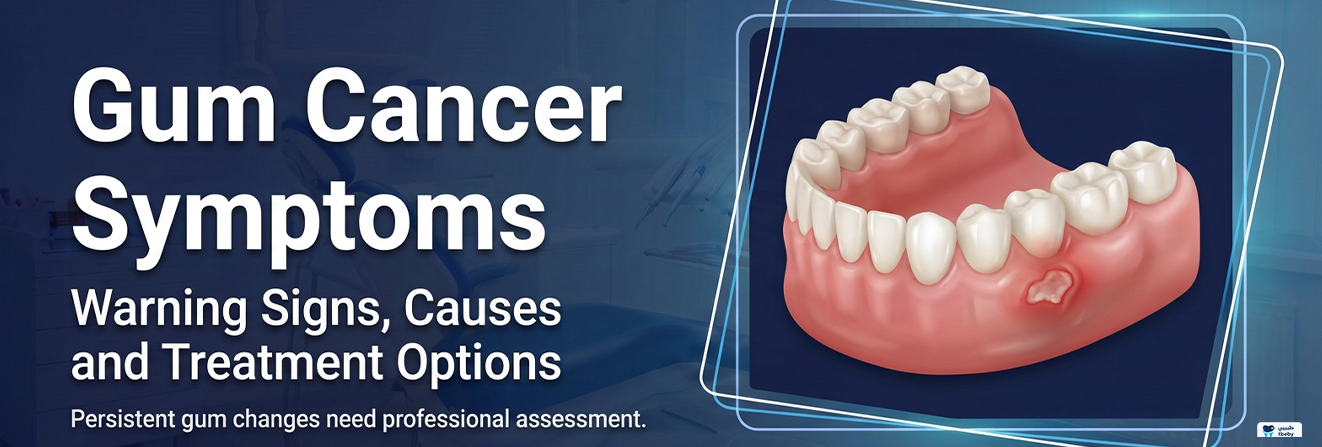

Gum cancer affects the tissues surrounding the teeth. Its warning signs can resemble gum disease, making professional assessment important.
Common gum cancer symptoms include a persistent sore, a red or white patch, unexplained bleeding, a lump, or numbness. These changes do not necessarily mean cancer, but they should be checked by a dentist or doctor. Treatment and outlook depend on the diagnosis and stage.
Causes and Risk Factors for Oral Cancer
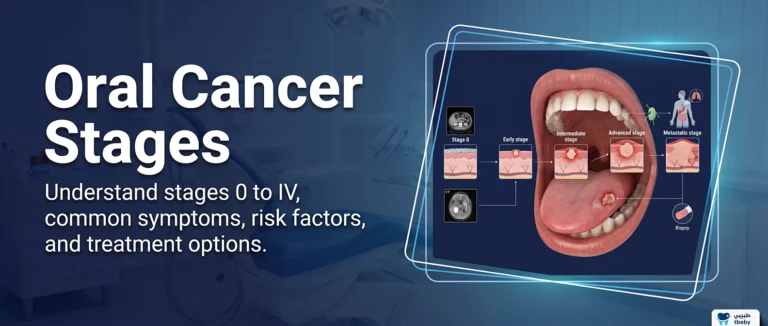
Gum cancer is a type of oral cancer. Gum cancer symptoms can resemble other dental conditions, and some cases initially cause few noticeable changes. Tobacco and heavy alcohol use are established risk factors, although cancer can develop without either.
1. Smoking:
Smoking is recognised as a major cause of several cancers, including oral cancer, tongue cancer, and lung cancer. It also has substantial adverse effects on overall health. The greater the amount of tobacco consumed, the greater the risk of cancer. Tobacco use is an established risk factor for oral cavity cancer.
2. Alcohol consumption:
Alcohol also plays a substantial role in the development of gum cancer. The risk is particularly high among people who both smoke and consume alcohol.
3. Precancerous Oral Conditions
Certain oral conditions, including proliferative verrucous leukoplakia, are associated with an increased risk of gum cancer. Persistent white patches need professional assessment, although not every patch is precancerous.
4. Smokeless Tobacco and Betel Nut
Chewing tobacco and betel nut use increase the risk of gum cancer. Products used without smoking should not be considered safe alternatives.
Ask your dentist whether toothpaste for sensitive gums is suitable for your daily brushing routine.
5. Certain viral infections:
Exposure to certain viruses, such as human papillomavirus, may cause gum cancer.
6. HPV and Other Head and Neck Cancers
Human papillomavirus is an established cause of oropharyngeal cancer, which affects the tonsils and base of the tongue. This differs from gum cancer, so the same causal relationship should not be assumed.
7. Changes in Cellular DNA
Cancer develops when DNA changes disrupt normal cell growth and division. These genetic changes are different from hormonal changes and do not necessarily mean the cancer is inherited.
8. Diet and General Health
A balanced diet supports overall health, but no particular food or dietary pattern guarantees protection against gum cancer.
Gum Cancer Symptoms
Several symptoms may suggest the possibility of gum cancer. The following are among the most commonly described symptoms:
Possible warning signs include:
- A gum sore or ulcer that does not heal.
- A persistent red or white patch.
- A lump, swelling, or thickened area.
- Unusual or unexplained bleeding.
- Persistent pain, tingling, or numbness.
- Loose teeth or a change in how dentures fit.
- A tooth extraction site that does not heal.
- Difficulty chewing, swallowing, or moving the tongue or jaw.
Other changes, such as bad breath, can occur with many dental conditions and do not identify cancer. Symptoms may be mild, and their severity alone cannot determine the diagnosis.
Gum Cancer Symptoms That Need Further Assessment
A persistent neck lump, unexplained weight loss, or increasing difficulty eating or swallowing needs medical assessment. These changes have several possible causes and cannot confirm cancer or determine its stage.
Gum cancer diagnosis requires clinical assessment and a biopsy when indicated. Some warning signs resemble those of gum disease or infection.
When Should You See a Dentist or Doctor?
Arrange an assessment if a mouth ulcer lasts more than three weeks, or if you notice a persistent red or white patch, a lump, unexplained bleeding, or ongoing mouth pain.
Difficulty swallowing or speaking also needs assessment. These signs often have other causes, but they should not be ignored.
Gum Cancer Treatment Options
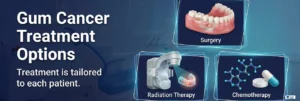
Treatment depends on the tumour’s location and stage, the patient’s overall health, and the goals of care. A specialist head and neck cancer team may recommend one treatment or a combination.
Before using a gum and tooth care gel during treatment, check its suitability with the care team. Oral care products do not treat cancer.
1. Surgical Treatment
Surgery is usually the main treatment for gum cancer. It removes the tumour and a surrounding margin of tissue. Depending on the extent of the cancer, treatment may also involve nearby bone, teeth, or lymph nodes in the neck.
Reconstructive surgery may help restore the appearance and function of the mouth or jaw after tumour removal. The extent of surgery depends on the individual diagnosis.
2. Radiation Therapy
Radiation therapy may be recommended after surgery to reduce the risk of recurrence or, in selected cases, as part of another treatment plan.
Radiation therapy uses high-energy radiation to damage cancer cells. Whether it is combined with surgery or chemotherapy depends on the stage and other clinical findings
3. Chemotherapy
Chemotherapy uses medicines to kill cancer cells or slow their growth. For some patients, it is combined with radiation therapy or used as part of treatment for recurrent or advanced disease.
Side effects depend on the medicines and treatment schedule. The care team explains the likely effects and how they can be managed.
How Long Can Someone with Oral Cancer Live?
Many people live for years after an oral cancer diagnosis. The outlook depends on the cancer’s location and stage, whether it has spread, the patient’s overall health, and the response to treatment.
Five-year survival statistics describe outcomes in groups of patients. They are not an average lifespan or a prediction of how long an individual will live. Gum cancer should not be assigned a general oral cancer survival figure without a clearly identified source and population.
Emotional support, faith, and counselling may help people cope with diagnosis and treatment. However, positive or negative feelings have not been shown to determine cancer survival. Patients should not feel responsible for their prognosis because they experience fear or sadness.
How Is Gum Cancer Diagnosed?
Gum cancer diagnosis begins with an examination of the mouth and neck. If an area looks suspicious, a biopsy allows a pathologist to check the tissue for cancer. Imaging may be needed to assess its extent.
Because gum disease or infection can cause similar changes, symptoms alone cannot establish the diagnosis. Have unexplained changes assessed before using gum care drops, and check their suitability with your dentist.
Frequently Asked Questions
What are gum cancer symptoms?
Symptoms described include persistent ulcers, unexplained bleeding, gum patches, lumps, pain, numbness, and loose teeth.
What causes oral cancer?
The article identifies smoking, alcohol consumption, certain diseases, medications, viral infections, and other possible contributing factors.
Does smoking increase the risk of oral cancer?
Yes, smoking is a major risk factor for oral cancer.
Does alcohol consumption contribute to gum cancer?
Yes, alcohol consumption increases the risk, particularly when combined with smoking.
Can gum cancer cause difficulty moving the tongue or jaw?
Yes, difficulty moving the tongue or jaw is among the symptoms described.
What treatment options are available for gum cancer?
The treatments discussed are surgery, radiation therapy, and chemotherapy.
Are all gum cancer treatments suitable for every patient?
No, treatment depends on the severity of the condition and the doctor’s assessment.
What does surgical treatment involve?
Surgical treatment involves removing the tumour and may include reconstruction of the affected area.
How does radiation therapy treat gum cancer?
Radiation therapy directs radiation at the tumour to destroy cancer cells.
Can surgery and radiation therapy be combined?
Yes, surgery and radiation therapy may be combined according to the patient’s condition.
Sources
- National Cancer Institute: Lip and Oral Cavity Cancer Treatment. Supports established risk factors, recognised symptoms, diagnostic assessment, and treatment options.
- Johns Hopkins Medicine: Gum Cancer. Supports information on gum cancer symptoms, diagnosis, and treatment. Symptoms alone do not confirm cancer.
- National Cancer Institute: Common Cancer Myths and Misconceptions. Clarifies that positive or negative attitudes have not been shown to determine cancer survival.