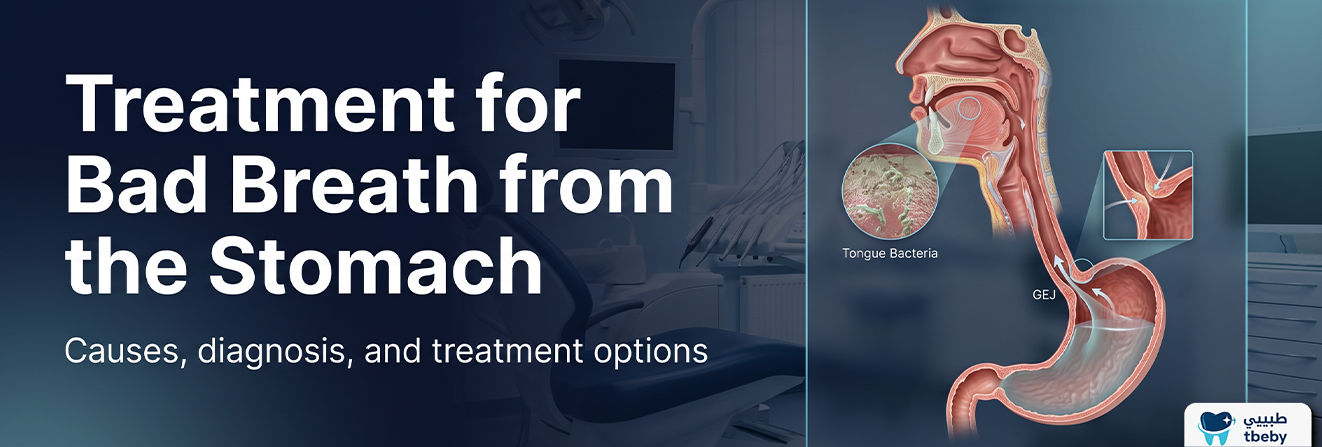

The most effective treatment for bad breath from the stomach depends on identifying its underlying cause. Although most cases of halitosis originate in the mouth, digestive disorders such as acid reflux and certain gastrointestinal infections may contribute to persistent unpleasant breath odors.
A dental examination is usually the first step, particularly when bad breath continues despite regular brushing, flossing, and tongue cleaning. If symptoms such as heartburn, regurgitation, or abdominal discomfort are also present, further medical evaluation may be appropriate.
Understanding the possible causes helps determine whether oral hygiene, lifestyle changes, or targeted medical treatment is necessary.
What Causes Bad Breath from the Stomach?
Bad breath, or halitosis, usually originates from oral bacteria, plaque, gum disease, or dry mouth, although digestive disorders may also contribute.
According to the NHS guidance on bad breath, dental problems, smoking, certain foods, and acid reflux are possible causes. Learn more in our guide to the causes of bad breath.
1. Gastroesophageal Reflux Disease (GERD)
Gastroesophageal reflux disease (GERD) occurs when stomach contents repeatedly flow into the esophagus, potentially causing unpleasant breath odor.
Common symptoms include heartburn, acid regurgitation, and a sour taste, as identified by the National Institute of Diabetes and Digestive and Kidney Diseases (NIDDK).
Bad breath alone does not confirm GERD. Treatment may include dietary changes, lifestyle adjustments, and medication when necessary.
2. H. pylori Infection and Gastric Ulcers
Helicobacter pylori (H. pylori) infection is a common cause of peptic ulcers and may be associated with bad breath, although this relationship is not established in every case.
According to the NIDDK, H. pylori infection and nonsteroidal anti-inflammatory drugs are the leading causes of peptic ulcers.
Confirmed H. pylori infection is generally treated with antibiotics and acid-suppressing medication. Persistent bad breath may still require dental evaluation.
3. Intestinal Obstruction
Intestinal obstruction occurs when intestinal contents cannot pass normally through the digestive tract. Severe cases involving prolonged vomiting may produce an unusually foul breath odor, although this is not a reliable diagnostic sign.
According to Mayo Clinic, symptoms include severe abdominal pain, vomiting, swelling, constipation, and inability to pass stool or gas.
Suspected intestinal obstruction requires immediate emergency medical evaluation, not home remedies.
4. Kidney Diseases and Changes in Breath Odor
Advanced kidney disease can cause ammonia-like or urine-like breath odor due to waste accumulation in the bloodstream, although it is not a stomach-related condition.
The National Kidney Foundation identifies this odor as a possible symptom of advanced chronic kidney disease.
Unusual breath odor accompanied by fatigue, swelling, or reduced urine output requires medical evaluation. Breath odor alone cannot confirm kidney disease.
If you use night guards for teeth grinding, clean them daily to prevent odor buildup.
How to Tell if Bad Breath Comes from the Stomach or Mouth
Bad breath cannot be reliably traced to the stomach by smell alone. Because most cases originate in the oral cavity, a dental examination is usually the first step in identifying the cause.
A dentist may examine the teeth, tongue, gums, and oral tissues for plaque accumulation, periodontal disease, cavities, infections, and dry mouth.
When no obvious oral cause is identified, accompanying symptoms may help determine whether further medical assessment is appropriate.
Frequent heartburn, acid regurgitation, or a persistent sour taste may raise suspicion of GERD. However, these symptoms do not prove that the digestive system is responsible for the breath odor.
If H. pylori infection is clinically suspected, a healthcare professional may recommend a urea breath test or stool antigen test. These tests can detect infection but cannot establish that the bacterium is the cause of bad breath.
For a more detailed explanation of the signs and possible causes, see our guide on how to know if bad breath comes from the stomach.
Six ways to treat bad breath caused by the stomach
What is the most effective treatment for bad breath from the stomach? It depends on the underlying cause. Oral hygiene helps control odors, but acid reflux, confirmed gastrointestinal infections, and dental conditions may require targeted treatment.
1. Treating Gastroesophageal Reflux Disease (GERD)
When GERD contributes to bad breath, treatment focuses on controlling acid reflux. According to the NIDDK, management may include:
- Avoiding foods and drinks that trigger reflux.
- Waiting at least three hours after eating before lying down.
- Maintaining a healthy weight.
- Elevating the head of the bed for nighttime reflux.
- Quitting smoking.
If symptoms persist, a healthcare professional may recommend antacids, H2 blockers, or proton pump inhibitors (PPIs). Antacids provide short-term relief, while H2 blockers and PPIs reduce stomach acid production.
These medications treat reflux rather than bad breath directly. Persistent odor may require further dental or medical evaluation.
2. Treating Confirmed H. pylori Infection
Helicobacter pylori is associated with gastritis and peptic ulcers, although its role in halitosis remains uncertain.
Confirmed H. pylori infection typically requires prescribed treatment involving:
- Two or more antibiotics.
- A proton pump inhibitor or another acid-suppressing medication.
- Bismuth-containing medication in certain regimens.
The American College of Gastroenterology’s 2024 guideline recommends a 14-day optimized bismuth quadruple regimen for many untreated patients when antibiotic susceptibility is unknown.
Patients should complete treatment as prescribed. Eradication testing is recommended at least four weeks after antibiotics, with PPIs generally withheld for two weeks beforehand under medical guidance.
Antibiotics should not be used solely for bad breath without confirmed infection and an appropriate medical indication.
3. Avoid Dietary Triggers
Spicy foods, high-fat meals, coffee, and certain dairy products may worsen digestive discomfort or acid reflux in susceptible individuals.
The NIDDK recommends identifying personal GERD triggers rather than unnecessarily eliminating entire food groups.
4. Chew Sugar-Free Gum
Chewing sugar-free gum stimulates saliva production, reducing dry mouth and helping clear food particles.
According to the American Dental Association, increased saliva supports oral health, although gum does not treat GERD, ulcers, or gastrointestinal infections.
5. Maintain Good Oral Hygiene
Brush twice daily with fluoride toothpaste and clean between teeth regularly using dental floss to remove plaque and food particles.
An appropriate mouthwash may help control oral bacteria but cannot replace brushing or flossing.
6. Adopt Healthy Lifestyle Habits
Healthy habits may help reduce bad breath and digestive discomfort:
- Quit smoking and limit alcohol.
- Reduce coffee and carbonated drinks if they trigger reflux.
- Stay hydrated to prevent dry mouth.
- Limit high-fat meals that worsen reflux.
- Use suitable mouthwash as part of oral hygiene.
These measures improve breath freshness but do not directly treat GERD, gastric ulcers, or bacterial infections.
If bad breath persists despite proper oral hygiene and lifestyle changes, consult a dentist or healthcare professional.
Using fluoride toothpaste helps protect teeth from decay as part of daily oral care.
Can Drinks Help with Stomach-Related Bad Breath?
Mint, cinnamon, and green tea may temporarily improve breath freshness. However, evidence that these drinks treat bad breath caused by gastrointestinal disorders remains limited.
1. Mint Tea: Breath Freshness and Reflux Precautions
Mint tea contains aromatic compounds that may temporarily mask unpleasant breath odors but cannot treat gastrointestinal infections or disorders.
People with GERD should be cautious, as mint may worsen acid reflux symptoms.
2. Can Cinnamon Tea Improve Bad Breath?
Cinnamon contains aromatic compounds with potential antibacterial effects.
A laboratory study published in Archives of Oral Biology found that cinnamon bark essential oil showed activity against Solobacterium moorei, a bacterium associated with halitosis.
However, these findings do not prove that drinking cinnamon tea treats bad breath or digestive conditions.
3. Green Tea and Its Short-Term Effects on Bad Breath
Green tea contains polyphenols that may temporarily reduce oral bacteria and volatile sulfur compounds associated with bad breath.
A study published in the Journal of Nutritional Science and Vitaminology found an immediate but short-lived reduction in certain odor-producing compounds after using green tea powder.
Unsweetened green tea may support oral health, but it cannot treat gastric ulcers, intestinal obstruction, or GERD.
Can Mouthwash Help Control Bad Breath?
Antiseptic mouthwashes may reduce oral bacteria and unpleasant breath odors but cannot treat gastrointestinal causes of halitosis.
According to the American Dental Association, therapeutic rinses can help control bad breath, plaque, and gum disease alongside brushing and flossing.
1. Orofex Mouthwash: Uses and Limitations
Orofex mouthwash is marketed for oral hygiene and breath freshness. Some formulations may contain aromatic ingredients such as thyme and mint.
Its effectiveness depends on the active ingredients. Follow product instructions, as mouthwash cannot treat underlying digestive disorders.
2. Listerine Mouthwash
Certain Listerine antiseptic formulations help reduce oral bacteria, plaque, and gingival inflammation while improving breath freshness.
Effectiveness varies by formulation. Learn more in our guide to Listerine mouthwash.
However, persistent bad breath caused by GERD or other gastrointestinal disorders requires treatment of the underlying condition.
3. Hexitol Mouthwash: Uses and Precautions
Hexitol formulations containing chlorhexidine may help reduce oral bacteria and gum inflammation.
According to the NHS, chlorhexidine is generally intended for short-term use, as prolonged use may cause tooth staining and taste changes.
Follow professional guidance or product instructions.
4. Betadine Gargle: Uses and Safety Precautions
Betadine gargle contains povidone-iodine, an antiseptic that reduces microorganisms in the mouth and throat.
According to official product information, its antiseptic sore throat gargle is primarily intended for temporary sore throat relief, not stomach-related bad breath.
It should not be swallowed. People with thyroid disorders, iodine-related sensitivities, or other relevant medical conditions should seek professional advice before use.
A stainless steel tongue scraper can help remove odor-producing buildup from the tongue.
Daily Oral Care Tips to Reduce Bad Breath
Maintaining fresh breath requires consistent oral hygiene, appropriate dietary habits, and timely treatment of underlying medical conditions.
Several practical recommendations may help reduce unpleasant breath odors and support long-term oral health.
1. Brush, Floss, and Clean Your Tongue
Brush your teeth at least twice daily using fluoride toothpaste. Clean between the teeth regularly and consider using a miswak as a supplementary oral hygiene method.
Gentle tongue cleaning may also help reduce odor-producing bacteria and maintain breath freshness.
2. Use Sugar-Free Gum to Support Saliva Production
Mint-flavored or cinnamon-flavored sugar-free gum may temporarily improve breath freshness while stimulating saliva production.
Avoid gum flavors that aggravate acid reflux symptoms, particularly if you frequently experience heartburn or regurgitation.
3. Treat Gum Inflammation and Dental Problems Early
If you experience bleeding, swelling, redness, or persistent discomfort in the gums, consult a dentist.
Untreated gum disease may contribute to chronic bad breath and other oral health complications.
If persistent bad breath is accompanied by heartburn, regurgitation, or abdominal discomfort, additional medical investigation may be necessary after oral causes have been assessed.
When Should You See a Dentist or Doctor for Persistent Bad Breath?
Persistent bad breath does not always indicate a serious medical condition. However, symptoms that continue despite good oral hygiene may require professional evaluation to identify the underlying cause.
The NHS recommends seeing a dentist when bad breath persists for several weeks despite self-care, particularly when accompanied by painful, swollen, or bleeding gums.
A dental examination can help identify common oral causes, including plaque accumulation, periodontal disease, tooth decay, and oral infections.
If no clear dental cause is found, a healthcare professional may investigate other conditions, particularly when bad breath occurs alongside:
- Frequent heartburn or acid regurgitation.
- Persistent sour or unpleasant taste.
- Recurrent upper abdominal discomfort.
- Difficulty swallowing.
- Unexplained weight loss.
More serious symptoms require prompt assessment. Seek urgent medical care for vomiting blood, black or tarry stools, or severe and persistent abdominal pain.
Severe abdominal pain accompanied by repeated vomiting, abdominal swelling, or an inability to pass stool or gas may indicate intestinal obstruction and requires emergency evaluation.
If bad breath continues despite consistent oral hygiene, arrange a dental examination. Persistent reflux or other digestive symptoms may also require medical assessment.
Conclusion
Bad breath from the stomach may be associated with several gastrointestinal conditions, including gastroesophageal reflux disease and certain infections. However, most cases of halitosis originate within the oral cavity.
Effective treatment for bad breath from the stomach depends on identifying and addressing the underlying cause rather than simply masking unpleasant odors.
Maintaining proper oral hygiene, avoiding individual dietary triggers, staying adequately hydrated, and using suitable oral care products can help improve breath freshness.
When symptoms persist, professional dental or medical evaluation is the most reliable approach to achieving lasting improvement.
For more oral health tips, explore Tbeby.
Frequently Asked Questions About Bad Breath from the Stomach
How do I get rid of bad breath permanently from my stomach?
Identify and treat the underlying digestive condition, such as GERD or H. pylori infection, while maintaining consistent oral hygiene.
How to know if bad breath is from the stomach or mouth?
Bad breath accompanied by heartburn or acid regurgitation may suggest a digestive cause, but a dental examination is necessary to rule out oral problems.
What is the best medicine for bad breath caused by the stomach?
Treatment depends on the diagnosis and may include acid-suppressing medications for GERD or prescribed antibiotic combinations for H. pylori infection.
What stomach problems cause bad breath?
Gastroesophageal reflux disease, certain gastrointestinal infections, and conditions associated with gastric ulcers may contribute to persistent bad breath.
Can bad breath from the stomach be cured?
Yes, stomach-related bad breath may resolve when the underlying digestive condition is successfully treated, provided no other causes are present.
What is the #1 cause of bad breath?
The most common cause of bad breath is bacterial activity in the mouth, particularly on the tongue, teeth, and gums.
What drink kills bad breath fast?
Water can help reduce dry mouth, while green tea may temporarily decrease odor-producing compounds, but no drink reliably eliminates bad breath instantly.
How do dentists treat bad breath?
Dentists identify oral causes, remove plaque and tartar, treat dental infections or gum disease, and recommend appropriate daily oral hygiene.
What organ failure causes bad breath?
Advanced kidney failure can produce ammonia-like breath, while severe liver disease may cause a distinctive musty or sweet breath odor.
What probiotic kills bad breath?
Certain probiotic strains have been investigated for reducing oral malodor, but evidence remains limited, and no probiotic reliably eliminates all causes of bad breath.
Sources
- NHS: Bad Breath — Causes of halitosis, oral hygiene recommendations, and when to see a dentist.
- NIDDK: Symptoms and Causes of GERD — Clinical information about heartburn, regurgitation, and related symptoms.
- National Kidney Foundation: Stage 5 Chronic Kidney Disease — Advanced kidney disease and ammonia-like breath odor.
- NIDDK: Symptoms and Causes of Peptic Ulcers — H. pylori, NSAIDs, and gastric ulcers.
- Mayo Clinic: Intestinal Obstruction — Symptoms, complications, and emergency assessment.
- NIDDK: Eating, Diet, and Nutrition for GERD — Dietary triggers and lifestyle changes.
- American Dental Association: Chewing Gum — Sugar-free gum and salivary stimulation.
- PubMed: Effect of Cinnamon Bark Essential Oil on Halitosis-Associated Bacteria — Laboratory research on cinnamon essential oil.
- PubMed: Effect of Green Tea on Volatile Sulfur Compounds in Mouth Air — Short-term effects of green tea powder on oral malodor.
- American Dental Association: Mouthrinse (Mouthwash) — Therapeutic mouth rinses and oral hygiene.
- NHS: About Chlorhexidine — Antiseptic uses, precautions, and side effects.
- Betadine: Antiseptic Sore Throat Gargle — Product indications and safe usage.
- NIDDK: Treatment for GERD — Acid-suppressing medications and other reflux treatments.
- NIDDK: Diagnosis of Peptic Ulcers — Urea breath tests, stool tests, and other diagnostic procedures.
- NIDDK: Treatment for Peptic Ulcers — Antibiotic therapy and ulcer treatment.
- American College of Gastroenterology: H. pylori Treatment Guideline — Recommended treatment regimens and confirmation of eradication.