

Bad breath is a condition that affects millions of people worldwide and causes significant social discomfort, yet its root cause is frequently misidentified. Understanding how to know if bad breath comes from the stomach rather than from poor oral hygiene is the first and most important step toward effective treatment. This distinction matters because masking the Odor with mouthwash or breath mints offers no lasting solution when the source lies deeper within the digestive system. In this comprehensive guide, we examine the gastrointestinal conditions most commonly associated with persistent oral malodour, explore both medical and natural treatment approaches, and provide clear indicators to help you identify the origin of your condition.
The Connection Between Digestive Health and Bad Breath
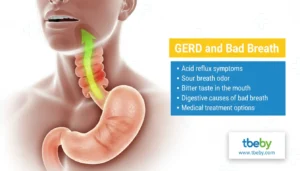
The gastrointestinal tract and the oral cavity are part of the same continuous system. When dysfunction occurs at any point along this pathway from the oesophagus to the intestines, volatile compounds and undigested matter can travel upward, producing Odors that are detectable at the mouth. Recognising this connection allows patients to pursue targeted treatment rather than symptomatic relief.
Persistent bad breath that does not respond to regular brushing and flossing is frequently a signal that the underlying issue extends beyond the mouth. Identifying the specific digestive cause requires careful observation of accompanying symptoms.
You can use Hydroxyapatite toothpaste to remineralise tooth enamel and reduce odour-causing bacteria, making it an effective daily solution for maintaining fresher breath from within.
Digestive Conditions That Cause Bad Breath
1. Gastroesophageal Reflux Disease (GERD)
Gastroesophageal reflux disease is among the most prevalent digestive causes of bad breath. In this condition, stomach acid travels backward into the oesophagus and, in more severe cases, reaches the throat and mouth.
The combination of stomach acid, undigested food particles, and erosion of the oesophageal lining produces a distinctly sour and unpleasant Odor. Patients frequently report a bitter taste in the mouth alongside the characteristic bad breath, particularly after meals or when lying down.
2. Gastric Ulcers and H. Pylori Infection
Gastric ulcers develop when excessive stomach acid erodes the protective lining of the stomach wall, often triggered or worsened by infection with Helicobacter pylori bacteria. This bacterial presence, combined with elevated acid secretion, generates harmful gases that travel upward through the digestive tract.
The result is a persistent change in both the odour and taste of the mouth that does not resolve with oral hygiene alone. In advanced cases, deep ulceration may lead to perforation of the stomach or intestinal wall, making prompt medical attention essential.
3. Intestinal Obstruction
An obstruction within the small or large intestine prevents the normal movement of digested material and waste through the digestive tract. As these materials accumulate, bacterial fermentation produces extremely foul-smelling gases.
The Odor associated with intestinal obstruction is particularly distinctive; it closely resembles faecal matter and is accompanied by severe abdominal pain. This condition requires immediate medical intervention and should not be managed at home.
4. Kidney Disease and Ammonia-Like Odour
Declining kidney function affects the body’s ability to filter waste products, including ammonia, from the bloodstream. As ammonia accumulates, it becomes detectable in the breath, producing an odour that is noticeably similar to that of the chemical compound.
If you observe an ammonia-like smell in your breath despite maintaining good oral hygiene, this warrants urgent kidney function testing. The presence of this specific Odour pattern is a clinically significant indicator of potential renal compromise.
You can use Tooth polishing powder, jet-assisted cleaning to remove deep bacterial deposits that contribute to persistent bad breath linked to digestive conditions.
How to Determine Whether Your Bad Breath Originates in the Stomach
Differentiating between oral and gastric sources of bad breath requires systematic observation of accompanying symptoms. The following indicators suggest a gastrointestinal origin:
| Indicator | What It Suggests |
| If brushing, flossing, and rinsing do not resolve the Odor, an internal source is likely. | |
| These specific Odor profiles are strongly associated with kidney dysfunction and intestinal obstruction, respectively. | |
| Frequent heartburn, chest burning, nausea, or stomach pain occurring alongside bad breath points toward reflux or ulceration. | |
| This symptom, particularly when persistent, is a hallmark of acid reflux reaching the oral cavity. | |
| The absence of cavities, gum disease, or infection following a dental examination redirects suspicion toward the digestive system. |
Medical Treatment for Stomach-Related Bad Breath
Effective treatment must address the underlying digestive condition rather than the Odor itself. Self-diagnosis and self-medication are insufficient for conditions such as GERD, gastric ulcers, or intestinal obstruction.
Recommended medical interventions include:
- Proton pump inhibitors (PPIs): Prescribed to reduce stomach acid production in cases of GERD and gastric ulceration.
- Antiemetic medications: Used to manage nausea and prevent reflux episodes.
- Antibiotic therapy: Administered when Helicobacter pylori infection is confirmed as the causative agent of gastric ulcers.
- Emergency surgical intervention: Required in cases of intestinal obstruction or gastric perforation, these conditions demand immediate hospital admission.
- Nephrology consultation: Essential when kidney function deterioration is identified as the source of ammonia-like breath.
The clinical principle is consistent: treat the cause, not the symptom. A gastroenterologist or internist can conduct the appropriate diagnostic investigations and establish a targeted treatment plan.
You can use Oral hygiene as part of your daily routine, alongside medical treatment, to maintain a clean mouth and reduce surface-level symptoms of stomach-related bad breath.
Natural Remedies to Temporarily Improve Breath Quality
While natural remedies do not treat the underlying digestive condition, they offer effective interim relief by reducing bacterial load, neutralising volatile compounds, and improving overall oral freshness.
1. Fresh Parsley
Parsley contains chlorophyll and antimicrobial compounds that actively neutralise sulphur-producing bacteria in the mouth, which are among the primary contributors to oral malodour. Chewing fresh parsley leaves provides immediate relief, while a warm parsley infusion consumed morning and evening offers more sustained benefit.
2. Fennel Seeds
Fennel and anise possess natural antibacterial and anti-inflammatory properties that support gum and oral tissue health. They can be consumed as a warm beverage or as lightly roasted seeds after meals.
3. Apples
Apples act as a natural mechanical cleanser for the teeth and gums due to their fibrous texture. Their antioxidant content supports gingival health, and their crisp composition stimulates saliva production, a natural defence against bacterial growth in the oral cavity.
4. Green Tea
Green tea is exceptionally rich in polyphenolic antioxidants that inhibit the growth of Odor-producing bacteria. Regular consumption not only improves breath quality but also contributes positively to overall oral and digestive health.
Long-Term Prevention of Bad Breath
Once the primary cause of bad breath has been identified and treated, sustaining good oral and digestive health requires consistent preventive habits.
Essential preventive practices include:
- Brushing teeth at least twice daily using fluoride toothpaste, combined with interdental flossing and antibacterial mouthwash.
- Scheduling professional dental cleanings every six months to remove accumulated plaque and tartar.
- Promptly treating any oral infections, including bacterial, fungal, or ulcerative conditions.
- Reducing consumption of Odor-persistent foods such as raw garlic, onions, and heavily spiced dishes.
- Maintaining adequate hydration to prevent dry mouth, which significantly accelerates bacterial proliferation.
- Adhering to a balanced diet that minimises excess acid production and supports gastrointestinal regularity.
Your Complete Guide to Eliminating Stomach-Related Bad Breath
The answer to the question of how to know if bad breath comes from the stomach lies in attentive symptom monitoring and an understanding of the body’s interconnected systems. Bad breath is not merely a social inconvenience; it is frequently a clinical signal indicating dysfunction within the digestive or renal systems that requires professional evaluation.
Natural remedies such as parsley and green tea provide temporary comfort, but a durable resolution begins with an accurate diagnosis. If you experience persistent bad breath accompanied by gastrointestinal symptoms, we strongly recommend consulting a gastroenterologist to determine the precise cause and initiate an evidence-based treatment plan. Your health and your confidence depend on addressing the source, not suppressing the symptom.
FAQs About Stomach-Related Bad Breath
Is the stomach the only cause of bad breath?
Does bad breath always originate from the digestive system?
No. Poor oral hygiene and dental or gum disease account for the majority of bad breath cases, while gastrointestinal conditions serve as a contributing factor when specific health conditions are present.
How do I determine whether my bad breath comes from my stomach rather than my teeth?
What signs confirm that bad breath is linked to the digestive system?
When the Odor persists despite thorough oral care and is accompanied by symptoms such as heartburn, stomach pain, or an ammonia-like smell, a gastrointestinal origin is the most likely explanation.
Does acid reflux cause unpleasant breath?
How does chronic stomach acidity affect the quality of one’s breath?
Yes. The upward movement of stomach acid and undigested food into the oesophagus and mouth causes significant irritation and produces a distinctly unpleasant Odor.
What is the fastest natural remedy for bad breath?
How can herbs be used to quickly freshen the mouth?
Chewing fresh parsley leaves or drinking a cup of green tea are among the most rapid natural methods for cleansing the mouth and improving breath quality.
Why does kidney disease cause ammonia-like breath?
What is the medical connection between reduced kidney function and oral malodour?
When the kidneys are unable to filter ammonia from the bloodstream effectively, this compound accumulates and becomes detectable in the breath.
Does a gastric ulcer contribute to changes in breath quality?
Can stomach bacteria produce bad breath?
Yes. The bacteria responsible for gastric ulcers, combined with increased acid secretion, generate harmful gases that travel upward through the digestive tract and manifest as bad breath.
Is it possible to permanently eliminate stomach-related bad breath?
What is the definitive solution for chronic digestive bad breath?
Yes, through accurate medical diagnosis and treatment of the root cause, whether gastric inflammation, intestinal obstruction, or another condition, permanent resolution is achievable.
I brush my teeth regularly, yet the bad breath persists. What could be the reason?
Why do toothpaste and mouthwash sometimes fail to eliminate bad breath?
Brushing addresses surface-level oral issues only. Persistent, treatment-resistant bad breath typically indicates an internal gastrointestinal problem that requires medical evaluation.
Which foods worsen both breath and stomach Odor simultaneously?
Are there specific foods to avoid to maintain fresh breath?
Reducing consumption of garlic, onions, and heavily spiced foods is advisable, as these increase stomach acidity and leave a prolonged impact on breath quality.
When should I consult a specialist about bad breath?
What symptoms require immediate medical attention in relation to bad breath?
Medical consultation is warranted when the condition persists despite excellent oral hygiene or when it is accompanied by severe abdominal pain or recurrent vomiting episodes.
Sources: