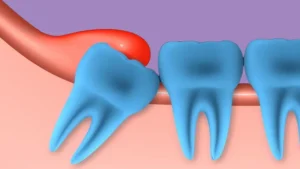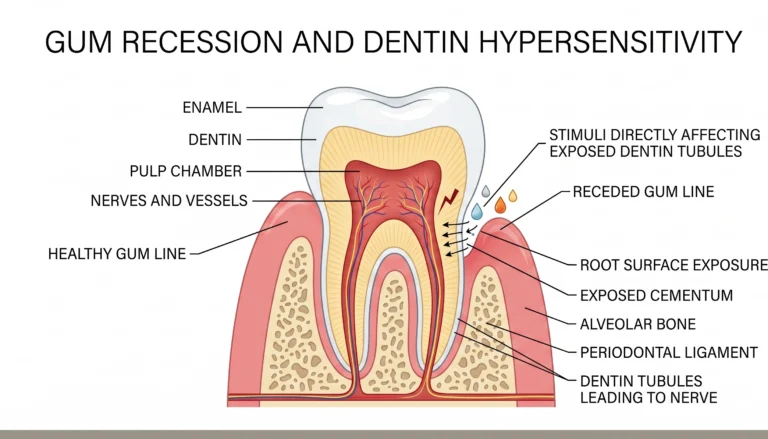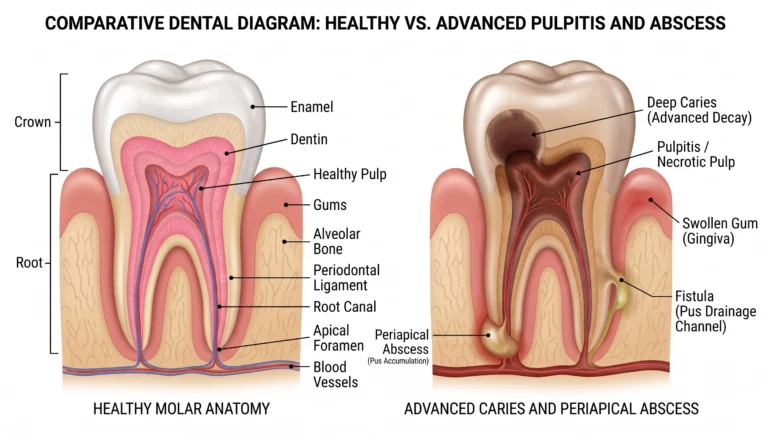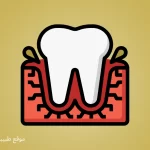


Wisdom teeth are the third molars that emerge during early adulthood, representing the final set of permanent teeth to develop in the human mouth. These teeth typically appear between the ages of eighteen and twenty-five, though the timing varies considerably among individuals. Most people develop four wisdom teeth two on each side of the mouth, positioned at the far ends of both the upper and lower dental arches.
Symptoms of Wisdom Tooth Eruption
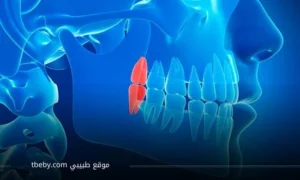
During the eruption of wisdom teeth, inflammatory changes frequently affect the soft gingival tissue surrounding the emerging molar, producing a range of symptoms that can significantly disrupt daily comfort and sleep quality. These symptoms include the following:
- Gingival Redness and Localized Heat:
Pronounced redness develops in the gum tissue immediately surrounding the wisdom tooth as a direct consequence of inflammation and ulceration. The affected area may feel noticeably warm to the touch.
- Pain During Oral Hygiene:
Considerable pain is experienced when a toothbrush or dental floss approaches the inflamed region. It is therefore advisable to avoid contact with the affected area until the condition has been properly treated and the discomfort subsides.
- Difficulty Chewing:
Mastication becomes particularly challenging on the side of the mouth where the inflamed wisdom tooth is located, often limiting dietary choices during the eruption period.
- Gingival Swelling and Facial Puffiness:
Soft tissue swelling of the gums may produce mild but visible puffiness in the cheek adjacent to the affected wisdom tooth.
- Elevated Body Temperature:
Inflammatory processes stimulate the release of biochemical mediators that reduce perspiration and consequently elevate core body temperature. Under normal circumstances, body temperature is maintained at 37°C; however, in cases involving wisdom tooth inflammation, fever may exceed 38°C.
Related Article: When Can I Smoke After Wisdom Tooth Extraction?
You can use Coconut Pulling Oil to support oral hygiene and reduce inflammation-related odor during wisdom tooth eruption.
How Is Wisdom Tooth Inflammation Treated?
In cases of severe inflammation resulting from wisdom tooth eruption, a dental consultation is essential to enable proper clinical assessment and appropriate pharmacological management. In select cases, the treating clinician may recommend extraction including for pregnant patients when clinically indicated.
The following home-based measures may provide temporary relief while awaiting professional dental care:
1. Saltwater Rinse:
Rinsing with a saline solution is a well-established method for oral antisepsis and pain reduction. Dissolve one teaspoon of table salt in a full glass of water, stir thoroughly until completely dissolved, and hold the solution in the mouth for no longer than thirty seconds, directing particular focus toward the affected side. Repeat this rinse four to five times daily for optimal effect.
2. Analgesic Medications:
When dental access is not immediately available and gingival pain is severe, non-steroidal anti-inflammatory drugs (NSAIDs) including aspirin, ibuprofen, and related agents may be taken to reduce inflammation and alleviate pain.
Always adhere strictly to the recommended daily dosage as indicated in the manufacturer’s prescribing information to prevent adverse effects associated with overdose.
3. Cold Compress Application:
Ice application effectively reduces pain through localized vasoconstriction. Place ice in a plastic bag and apply it to the cheek overlying the inflamed wisdom tooth for a minimum of fifteen minutes per session. The application may be repeated multiple times throughout the day as needed.
You can use Kids Toothbrush to maintain gentle oral hygiene during sensitive periods of tooth development and gum discomfort.
Wisdom Tooth Extraction at the Dental Clinic
When wisdom tooth pain demonstrates a progressive worsening trajectory, prompt dental consultation is warranted. The clinician will conduct a comprehensive oral examination and, in most cases, will order diagnostic radiographs to assess the positional anatomy of the wisdom tooth and determine whether extraction is clinically necessary.
If the dental examination reveals that the condition does not require extraction, the clinician will irrigate and debride the inflamed site using an antiseptic solution, followed by the prescription of an appropriate pharmacological regimen typically comprising analgesics, anti-inflammatory agents such as ibuprofen, and antibiotic therapy to address any underlying bacterial infection.
However, if wisdom tooth pain recurs persistently over an extended period, extraction is generally recommended as the definitive resolution. Since wisdom teeth do not contribute meaningfully to masticatory function, their removal does not impair the ability to chew effectively, as the remaining molar teeth adequately perform this role.
When extraction is indicated, the procedure is scheduled as a dedicated clinical appointment. Local anaesthesia is the standard approach, administered via direct gingival injection rather than intravenous sedation, thereby confining the anaesthetic effect exclusively to the oral cavity. This method leaves the patient fully conscious and cognitively unimpaired throughout the procedure.
In cases where general anaesthesia is employed, the patient must be accompanied by a responsible adult to facilitate safe transport home, as the systemic effects of general anaesthesia including drowsiness, reduced concentration, and impaired coordination preclude independent travel. Driving following general anaesthesia is strictly contraindicated. Local anaesthesia, by contrast, poses no restriction on driving, as the patient retains full cognitive function immediately following the procedure.
You can use Banana Baby Teether to soothe infant gum discomfort and support early oral hygiene habits during the teething stage.
Do Not Let Wisdom Tooth Pain Disrupt Your Life
Wisdom tooth eruption is a natural and expected phase of dental development. Although it may present as a challenging and painful experience, effective management options are more accessible than ever. Whether resolution is achieved through conservative home care and pharmacological treatment, or requires minor surgical extraction, the overarching objective remains the preservation of oral health and the protection of adjacent dentition.
If you are experiencing persistent pain or progressive swelling, do not delay consult a qualified dental professional to receive an accurate diagnosis and a tailored treatment plan, so that you may return to your daily life and natural smile, free from discomfort.
Related Dental Topics
FAQs About Wisdom Teeth
When do wisdom teeth typically appear?
At what age do wisdom teeth begin to develop?
Wisdom teeth generally emerge between the ages of 18 and 25 years.
Why are they called “wisdom teeth”?
What is the origin of the term “wisdom teeth”?
The name reflects their association with the onset of adulthood and intellectual maturity.
How many wisdom teeth does a person normally have?
What is the maximum number of wisdom teeth?
Most individuals develop four wisdom teeth two in the upper jaw and two in the lower jaw.
What are the symptoms of wisdom tooth eruption?
How do I know if my wisdom tooth is growing?
Common symptoms include gingival swelling and redness, pain during mastication, and a mild elevation in body temperature.
How can I relieve wisdom tooth pain at home?
What is a fast home remedy for wisdom tooth inflammation?
Warm saltwater rinses, cold compress application, and over-the-counter analgesics are effective first-line home measures.
Should wisdom teeth always be extracted?
When is wisdom tooth extraction necessary? Extraction is indicated only when
the tooth causes persistent pain, recurrent inflammation, or contributes to dental crowding.
Can I drive after wisdom tooth extraction?
Does the extraction procedure affect driving ability?
Driving is safe following local anaesthesia; however, it is strictly prohibited after general anaesthesia.
Why is aspirin contraindicated in patients under 18 for dental pain?
What are the risks of aspirin use in adolescents for wisdom tooth pain?
Aspirin administration in this age group carries a risk of Reye’s syndrome, a serious and potentially fatal condition involving cerebral and hepatic damage.
Does wisdom tooth extraction affect chewing ability?
Will I have difficulty eating after wisdom tooth removal?
No. Chewing and mastication remain fully functional using the remaining teeth, with no significant adverse effect on dietary capacity.
What is the most effective analgesic for inflamed wisdom tooth pain?
Which medications best relieve wisdom tooth pain and inflammation?
Non-steroidal anti-inflammatory drugs particularly ibuprofen are the first-line pharmacological choice, offering combined analgesic and anti-inflammatory efficacy.
Source:
https://my.clevelandclinic.org/health/body/23223-wisdom-teeth