

If you are searching for the best antibiotic for tooth abscess, you may be experiencing severe pain, swelling, or an unpleasant taste in your mouth. A dental abscess is a collection of pus caused by a bacterial infection, and it usually requires prompt treatment by a dentist.
Antibiotics may be prescribed if the infection is spreading or causing fever and general illness. However, they cannot remove the source of the infection on their own. The tooth may still require drainage, root canal treatment, or extraction.
What Causes a Tooth Abscess?
A tooth abscess develops when bacteria reach the deeper tissues of a tooth or gum.
Common causes include:
- Deep, untreated tooth decay.
- A cracked, chipped, or injured tooth.
- Advanced gum disease.
- A damaged filling or crown.
- Reinfection of a previously treated tooth.
- Poor oral hygiene and delayed dental treatment.
If the infection develops beneath an existing restoration, learning more about treating an abscessed filled tooth can help you understand its causes and available dental treatments.
Symptoms of a Tooth Abscess
The symptoms depend on the location and severity of the infection. Pain may improve if the abscess drains, but this does not mean the infection has healed.
Common symptoms include:
- Persistent or throbbing tooth pain.
- Pain spreading to the jaw, ear, or neck.
- Sensitivity to hot and cold.
- Pain when biting or chewing.
- Swelling of the gum, cheek, face, or jaw.
- A pimple-like bump on the gum.
- Pus or a bad taste in the mouth.
- Fever, fatigue, or swollen lymph nodes.
If the abscess begins to drain, clean medical gauze may be used to gently remove fluid from the mouth without squeezing or pressing the swollen area.
When Is a Tooth Abscess an Emergency?
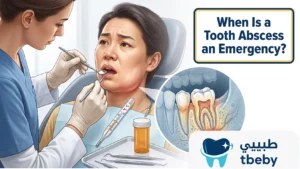
A suspected dental abscess should be examined promptly. Certain symptoms may indicate that the infection is spreading and requires emergency care.
| Warning sign | What it may indicate | Recommended action |
| Difficulty breathing or swallowing | Swelling may be affecting the airway. | Seek emergency medical care immediately. |
| Rapid facial or neck swelling | The infection may be spreading. | Obtain urgent same-day treatment. |
| Fever with facial swelling | The infection may have systemic involvement. | Contact urgent dental or medical care. |
| Eye swelling, confusion, or severe weakness | A serious complication may be developing. | Use emergency services immediately. |
Do All Dental Abscesses Need Antibiotics?
No. Antibiotics are not required for every toothache or localized dental abscess. In many cases, the most important step is treating the infected tooth directly.
Antibiotics are more likely to be prescribed when:
- The infection is spreading.
- Facial swelling is increasing.
- Fever or malaise is present.
- The patient has a higher risk of complications.
- Immediate dental treatment is unavailable in certain cases.
The best antibiotic for tooth abscess depends on the examination, allergy history, medical conditions, current medications, pregnancy status, previous antibiotic use, and local prescribing guidelines.
4 Antibiotics Used for Tooth Abscesses
The following antibiotics may be considered by a dentist. They are not listed as a ranking, and none should be taken without a prescription.
1. Amoxicillin or Penicillin V
Amoxicillin and penicillin V are commonly considered for spreading dental infections in patients who do not have a penicillin allergy.
Although amoxicillin is often described as the best antibiotic for tooth abscess, it is not suitable for everyone. A dentist must first review the patient’s allergies, medical history, and other medications.
2. Amoxicillin-Clavulanate
A dentist may prescribe amoxicillin-clavulanate for selected infections that have not responded as expected or when broader bacterial coverage is necessary.
Broader coverage does not automatically make it better for every infection. Unnecessary use can increase side effects and contribute to antibiotic resistance.
3. Metronidazole
Metronidazole targets anaerobic bacteria involved in some dental infections. Depending on the case, it may be used alone or alongside a penicillin-class antibiotic.
Metronidazole is not the best antibiotic for tooth abscess in every situation because it has important precautions and interactions with certain medications.
4. Azithromycin
Azithromycin may be considered for some patients with a true penicillin allergy. Its suitability depends on bacterial resistance, medical history, current medications, and possible heart rhythm problems.
| Antibiotic | When it may be considered | Important limitation |
| Amoxicillin or penicillin V | Spreading infection in a patient without penicillin allergy. | Not suitable for certain penicillin allergies. |
| Amoxicillin-clavulanate | Selected infections requiring broader coverage. | May cause more side effects and is not always necessary. |
| Metronidazole | Certain anaerobic infections, sometimes with another antibiotic. | Has important drug interactions and precautions. |
| Azithromycin | Selected patients with a true penicillin allergy. | Resistance and heart rhythm risks must be considered. |
What About Clindamycin?
Clindamycin was commonly used for dental infections, particularly in patients with penicillin allergies. However, it carries a significant risk of severe antibiotic-associated diarrhea and Clostridioides difficile infection.
A dentist may still prescribe it in specific circumstances, but it should not automatically be considered the best antibiotic for tooth abscess when safer alternatives are suitable.
How Is a Tooth Abscess Treated?
Even after choosing the best antibiotic for tooth abscess for a particular patient, dental treatment is usually necessary to eliminate the source.
Treatment may include:
- Drainage: Releasing pus to reduce pressure and control infection.
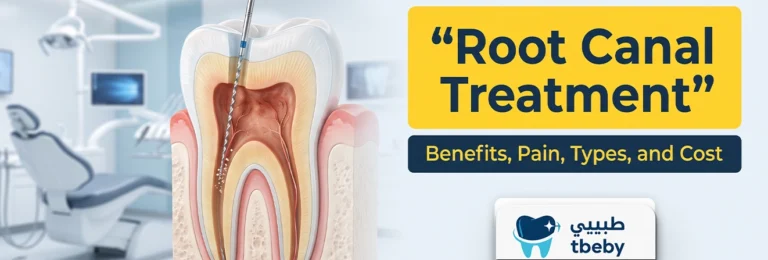
- Root canal treatment: The dentist removes the infected pulp before cleaning and sealing the tooth canals to preserve the natural tooth when possible.
- Extraction: Removing a tooth that cannot be saved.
- Periodontal treatment: Cleaning and draining an abscess caused by gum disease.
Antibiotics support these treatments when necessary but do not replace them.
Safe Home Care Before Seeing a Dentist
Home remedies cannot cure an abscess, but they may temporarily reduce discomfort while waiting for dental care.
1. Warm Salt-Water Rinse
Gently rinsing with warm salt water may soothe irritated tissues and keep the area clean. Spit the solution out after rinsing.
2. Cold Compress
Applying a cold compress wrapped in a clean cloth to the outside of the cheek for short intervals may temporarily reduce pain and swelling. Do not apply it directly to the skin.
3. Over-the-Counter Pain Relief
A suitable over-the-counter pain reliever may help control discomfort. Follow the product label and ask a pharmacist if you have medical conditions, take other medicines, or are pregnant.
4. Gentle Oral Care
Brush carefully with a soft toothbrush, choose soft foods, and avoid chewing on the painful side.
What Should You Avoid?
Unsafe home treatments can damage the gum or cause the infection to spread.
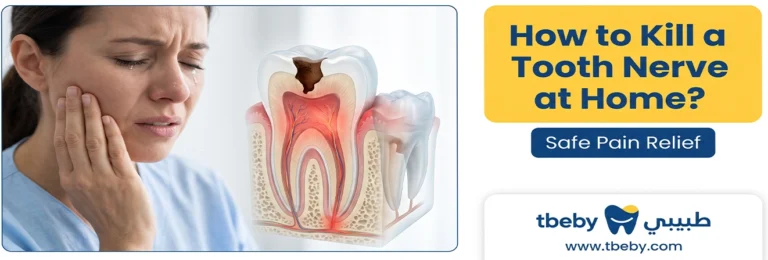
Some people search for ways to kill a tooth nerve at home, but attempting to destroy or drain the infected tissue yourself can cause burns, injuries, and further infection.
Avoid the following:
- Popping, cutting, or squeezing the abscess.
- Placing aspirin or crushed tablets on the gum.
- Applying bleach, alcohol, or other caustic substances.
- Using excessive amounts of undiluted clove oil.
- Taking leftover antibiotics.
- Sharing another person’s prescription.
- Stopping a prescribed antibiotic without consulting the prescriber.
- Assuming the infection has healed because the pain decreased.
Antibiotics for a Child’s Tooth Abscess
A child with facial swelling, fever, or a suspected abscess needs prompt dental care. The dentist chooses treatment based on the child’s diagnosis, weight, allergies, and medical history.
For children, the best antibiotic for tooth abscess is only the medicine selected by a qualified clinician. Never give a child an adult prescription or leftover antibiotics. The affected tooth may still require drainage, pulp treatment, or extraction.
How Long Does a Tooth Abscess Take to Heal?
The healing time depends on the size of the infection, the treatment performed, and the patient’s overall health. Pain and pressure may improve shortly after drainage, while the surrounding tissues may take longer to recover.
Contact the dentist if swelling spreads, symptoms worsen, or improvement does not occur as expected.
How to Prevent Another Abscess
Consistent dental care can reduce the risk of tooth decay, gum disease, and future infections.
- Brush twice daily using a fluoride anti-cavity toothpaste to help protect the enamel and reduce the risk of tooth decay.
- Clean between the teeth every day.
- Limit frequent sugary foods and drinks.
- Treat cavities and cracked teeth early.
- Replace damaged fillings or crowns.
- Attend regular dental examinations.
- Avoid smoking and other tobacco products.
The Right Treatment for a Tooth Abscess
The best antibiotic for tooth abscess is not necessarily the strongest or broadest medicine. It is the most appropriate option selected by a dentist for the patient’s specific condition.
Because antibiotics cannot remove the source of most dental abscesses, anyone experiencing persistent pain, swelling, fever, or pus should arrange urgent dental treatment rather than relying on medication or home remedies alone.
Frequently Asked Questions About the Best Antibiotic for Tooth Abscess
Can a tooth abscess heal without treatment?
Usually not. The pain may decrease after drainage, but the infection and its cause can remain.
What is the best antibiotic for tooth abscess?
There is no single option for everyone. The dentist chooses the medicine according to the infection, allergies, health conditions, and local guidelines.
Is amoxicillin always prescribed?
No. It may be suitable for some patients, but allergies and other medical factors can require a different treatment.
Can antibiotics permanently cure an abscess?
Not usually on their own. Drainage, root canal treatment, gum treatment, or extraction is often necessary.
How quickly do antibiotics work?
The response varies. Contact the prescriber if swelling spreads or symptoms worsen instead of changing the treatment yourself.
Can I drain the abscess at home?
No. Cutting or squeezing an abscess can injure the tissues and spread the infection.
Can salt water cure a dental abscess?
No. Salt water may soothe the area, but it cannot remove an infection inside a tooth or deep gum pocket.
What should I do if the abscess bursts?
Rinse gently and arrange dental care. The infection may remain even if the pain improves.
When should I seek emergency care?
Seek emergency help for breathing or swallowing difficulty, rapidly spreading swelling, eye involvement, confusion, or severe illness.
Can antibiotics be used during pregnancy?
Some may be used, when necessary, but a dentist or physician must select the appropriate medicine after reviewing the pregnancy and medical history.
Source
https://www.nhs.uk/conditions/dental-abscess/