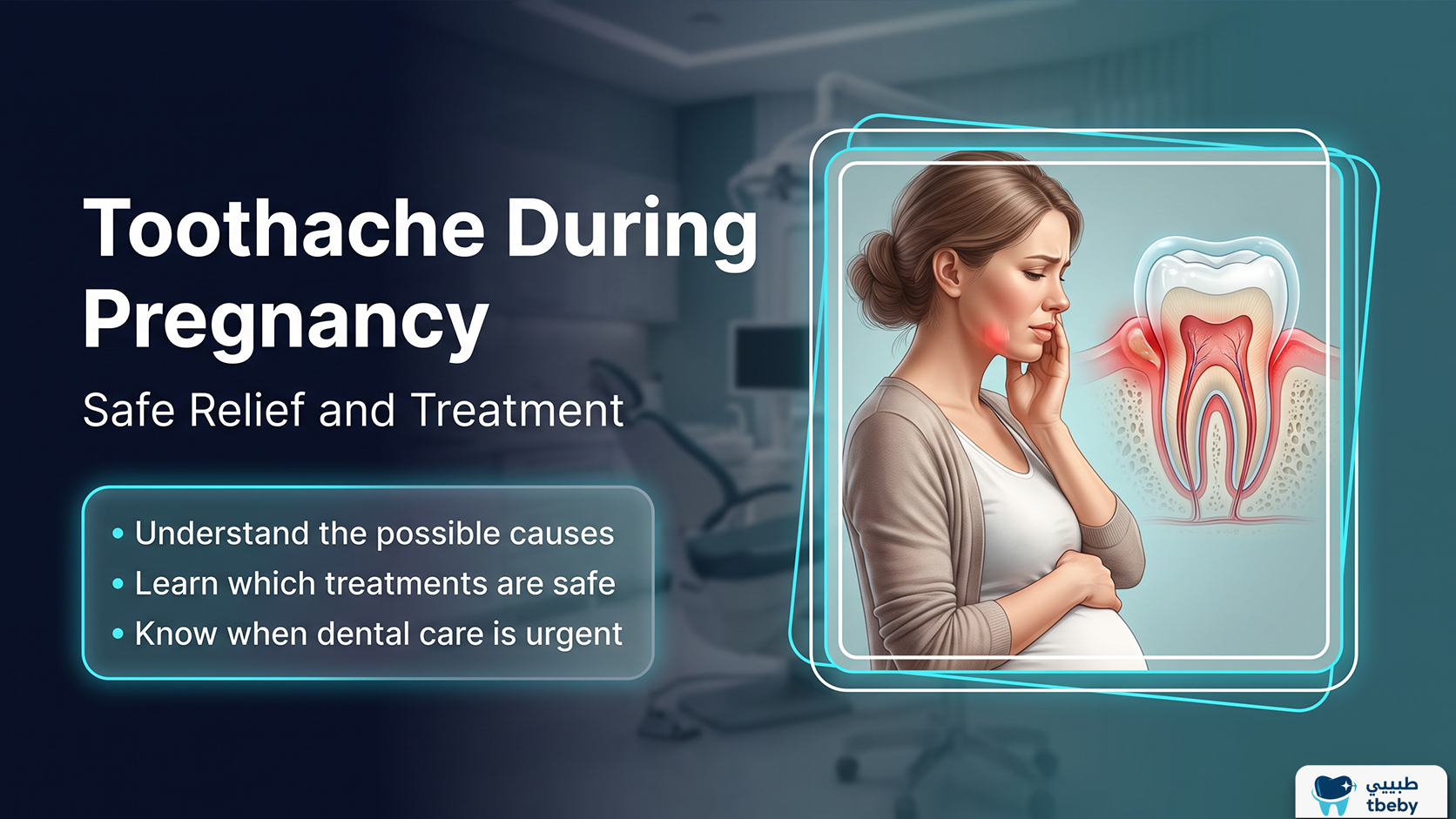

Toothache during pregnancy can be exhausting and may result from tooth decay, inflamed gums, infection, a cracked tooth, or enamel sensitivity.
Dental care is generally safe during pregnancy, and delaying necessary treatment may allow the problem to worsen. Home remedies can provide temporary comfort, but only a dentist can identify and treat the underlying cause.
Why Tooth Pain May Be More Common in Pregnancy
Hormonal, dietary, and daily routine changes can affect the mouth throughout pregnancy. These changes do not mean dental pain should be accepted as normal; they simply explain why some problems appear or worsen during this period.
| Possible factor | How it can affect the teeth or gums |
| Pregnancy gingivitis | Hormonal changes may intensify the gums’ response to plaque, leading to redness, swelling, tenderness, or bleeding. |
| Frequent snacking or cravings | Repeated exposure to sugary or starchy foods gives cavity-causing bacteria more opportunities to produce acid. |
| Morning sickness or reflux | Stomach acid can soften and erode enamel, increasing sensitivity and the risk of decay. |
| Dry mouth | Reduced saliva means less natural protection against acids, bacteria, and food debris. |
| Changes in oral care | Nausea, fatigue, or a stronger gag reflex may make brushing and flossing more difficult. |
| Existing dental disease | A cavity, loose filling, cracked tooth, or gum problem that began before pregnancy may become symptomatic later. |
What Are the Causes of Toothache During Pregnancy?
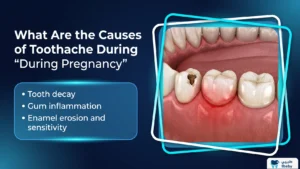
The location, timing, and triggers of the pain offer useful clues, but only a dental examination can confirm the diagnosis.
1. Tooth Decay
A cavity may cause sensitivity to sweet, cold, or hot foods. As decay moves closer to the pulp, pain can become stronger, last after the trigger is removed, or occur without warning. Using an anti-cavity toothpaste can help protect the enamel, but it cannot repair a cavity that has already formed.
2. Gum Inflammation
Pregnancy gingivitis usually causes red, swollen, or bleeding gums rather than pain inside one tooth. Consistent oral care and appropriate treatment for gum inflammation, including plaque removal and professional cleaning when needed, can help control it.
3. Dental Abscess or Pulp Infection
A deep cavity, crack, or failed restoration can allow bacteria to reach the dental pulp. Throbbing pain, pain when biting, swelling, fever, or a bad taste may signal an infection.
A dental abscess requires prompt treatment because pain relief alone does not remove the source of the infection.
4. Enamel Erosion and Sensitivity
Repeated vomiting or acid reflux exposes the teeth to stomach acid. The enamel may gradually become sensitive, especially near the gumline.
After vomiting, rinse the mouth with water or a mixture of one teaspoon of baking soda in one cup of water. Wait before brushing so the softened enamel is not scrubbed immediately.
Is Dental Treatment Safe During Pregnancy?
Preventive, diagnostic, restorative, and urgent dental care can generally be provided throughout pregnancy. Dental X-rays, local anesthesia, fillings, root canal treatment, and necessary extractions may be performed when clinically indicated.
Tell the dental team that you are pregnant, share your expected delivery date, and mention whether the pregnancy is considered high risk.
A dentist may consult your obstetric care professional before prescribing medication or using intravenous sedation, nitrous oxide, or general anesthesia. Elective treatment can sometimes wait for convenience, but urgent dental care should not be delayed simply because of pregnancy.
Treatment Options for Toothache During Pregnancy
Treatment depends on the cause and severity of the pain. The aim is to remove infection or repair damage while using appropriate precautions for the pregnant patient.
1. Dental Examination and X-Rays
A dental examination may reveal decay, gum disease, a damaged filling, or a cracked tooth.
If an X-ray is needed to diagnose the problem or plan treatment, current dental guidance considers it safe during pregnancy when clinically justified and performed using modern radiation-safety practices.
2. Fillings and Root Canal Treatment
A filling may repair a cavity before it reaches the dental pulp. When the pulp is irreversibly inflamed or infected, root canal treatment can remove the diseased tissue and preserve the tooth.
A temporary restoration may occasionally be used, but it should be part of a clear treatment plan rather than a substitute for necessary care.
3. Tooth Extraction
A tooth may need extraction when it cannot be restored or when an infection cannot be controlled in another way.
Local anesthesia is used to keep the procedure comfortable. Attempting to extract a tooth without appropriate anesthesia is unnecessary and unsafe. The dentist will choose the procedure and medication plan according to the patient’s health and stage of pregnancy.
4. Professional Gum Care
Professional cleaning removes plaque and hardened deposits that brushing cannot eliminate. At home, an extra-soft toothbrush can make daily cleaning gentler when the gums are swollen or tender.
Treating gum disease during pregnancy improves the mother’s oral health and is not a reason to postpone appropriate dental care.
What Medications Are Safe for Toothache During Pregnancy?
Do not start using toothache pain relief tablets, antibiotics, medicated mouthwash, or herbal products simply because they are available without a prescription. Pregnancy, other medical conditions, allergies, and current medications can change what is appropriate.
| Option | Practical safety note |
| Acetaminophen or paracetamol | Often used for pain during pregnancy when medically appropriate. Confirm the dose and duration with a healthcare professional and avoid combining products containing the same ingredient. |
| NSAIDs such as ibuprofen or naproxen | Do not use at 20 weeks of pregnancy or later unless specifically advised by a healthcare professional. They are generally avoided at around 30 weeks and later because of additional fetal risks. |
| Antibiotics | Needed only when a dentist diagnoses a bacterial infection. The dentist chooses an antibiotic compatible with pregnancy and the patient’s allergy history. |
| Local anesthetic | Common dental local anesthetics, including options used with epinephrine, may be administered during pregnancy by a dental professional. |
| Nitrous oxide or deeper sedation | Requires individual assessment and coordination with the obstetric care professional. Routine exposure to nitrous oxide is generally avoided during pregnancy. |
Pain medicine can reduce symptoms temporarily, but it does not repair decay or eliminate a dental infection.
Never place aspirin or a crushed pain-relief tablet directly on the painful tooth or gum because it can burn and damage the surrounding tissue.
Safe Ways to Ease Toothache During Pregnancy at Home
The following measures may provide short-term relief while you arrange an appointment with a dentist. Stop any method that causes burning, irritation, nausea, or worsening pain.
- Rinse gently with warm salt water to clear debris and soothe irritated tissues.
- Apply a cold compress wrapped in cloth to the outside of the cheek for short periods if swelling is present.
- Choose soft, lukewarm foods and chew on the opposite side of the mouth.
- Brush gently with a soft-bristled toothbrush and fluoride toothpaste twice daily.
- Clean between the teeth carefully unless the area is too painful or a dentist advises otherwise.
- Drink enough water and limit frequent sugary snacks and acidic drinks.
- Keep your head slightly elevated while resting if lying flat makes the throbbing feel worse.
Avoid applying concentrated clove oil, tea tree oil, garlic, turmeric paste, or other irritating substances directly to the gums. Natural products are not automatically safe during pregnancy, and some substances can cause chemical burns or increase irritation.
When Does Toothache During Pregnancy Require Dental Care?
Seek prompt dental assessment if the pain lasts longer than one or two days, repeatedly returns, interferes with eating or sleeping, or is accompanied by signs of infection.
Warning signs include:
- Facial, jaw, or gum swelling.
- A bad taste or discharge of pus.
- A pimple-like bump on the gum.
- Severe throbbing pain.
- Pain that becomes worse quickly.
- Pain when biting.
- A tooth that feels raised or loose.
- Difficulty opening the mouth.
Emergency medical care is needed if swelling reaches the eye or neck or if breathing, swallowing, or speaking becomes difficult. These symptoms may indicate that a dental infection or abscess is spreading.
How to Prevent Toothache During Pregnancy
A simple oral-care routine can reduce the chance that toothache during pregnancy will interrupt eating, sleeping, or daily life.
- Schedule a dental examination early in pregnancy or sooner if pain, bleeding, or swelling appears.
- Brush for two minutes twice daily using fluoride toothpaste and a soft-bristled toothbrush.
- Clean between the teeth once a day with floss or another interdental cleaner recommended by a dentist.
- Rinse the mouth after vomiting and wait before brushing to protect softened enamel.
- Choose water frequently and reduce sugary snacks and acidic drinks.
- Eat balanced meals rather than repeatedly snacking throughout the day.
- Tell the dentist about the pregnancy, medical conditions, allergies, and every medication or supplement being used.
A Safe Plan for Toothache During Pregnancy
Toothache during pregnancy deserves timely attention rather than fear or delay. Most necessary dental procedures can be completed safely, and treating the underlying cause is usually safer than allowing pain or infection to progress.
Contact a dentist, share all relevant pregnancy and medical information, and use medicines only with professional guidance. Temporary home care may reduce discomfort, but lasting relief comes from an accurate diagnosis and appropriate dental treatment.
Frequently Asked Questions About Toothache During Pregnancy
These brief answers address common concerns, but they do not replace an examination or personalized advice from a dentist and prenatal care professional.
Can toothache harm the baby?
The pain itself does not usually harm the baby. However, untreated infection, fever, poor nutrition, or unnecessary medication use may create avoidable risks.
Can I visit the dentist while pregnant?
Yes. Routine and urgent dental care can generally be provided throughout pregnancy. Always tell the dental team that you are pregnant.
Is local anesthesia safe during pregnancy?
Dental local anesthetics can be used when clinically needed. The dentist will select and administer the appropriate medication and dose.
Are dental X-rays safe while pregnant?
Yes, when an X-ray is clinically necessary and performed using current radiation-safety practices. It should not be delayed when needed for an accurate diagnosis.
Which painkiller can I take for dental pain?
Acetaminophen or paracetamol is commonly considered when medically appropriate. Confirm the product, dose, and duration with a healthcare professional.
Can I take ibuprofen for tooth pain during pregnancy?
Do not use ibuprofen at 20 weeks of pregnancy or later unless specifically advised by a healthcare professional. Ask before using it during any stage of pregnancy.
Can a root canal be performed during pregnancy?
Yes. A necessary root canal can be performed during pregnancy, and delaying treatment may allow the pain or infection to worsen.
Can a tooth be extracted during pregnancy?
Yes, when extraction is necessary. The dentist will use appropriate local anesthesia and plan any required medications with pregnancy in mind.
Does toothache during pregnancy always mean infection?
No. The pain may result from tooth decay, sensitivity, gum inflammation, a cracked tooth, or infection. A dental examination is needed to identify the cause.
What home remedy is safest while waiting for a dentist?
A gentle warm salt-water rinse and a cold pack placed on the outside of the cheek may provide temporary relief. Avoid applying harsh oils, powders, or crushed tablets to the gum.
source
https://www.hrsa.gov/oral-health/pregnancy?