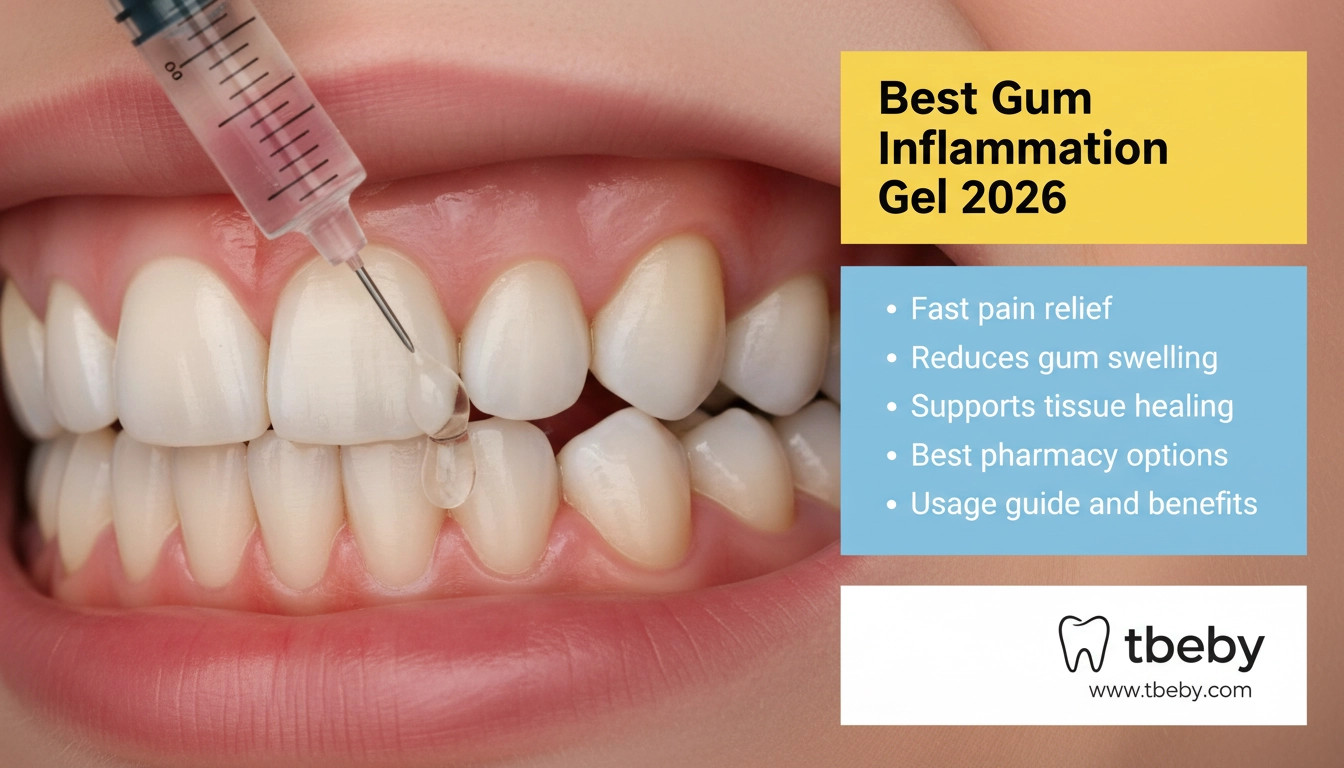

Gum Inflammation Gel is among the most sought-after dental remedies, as gum disease affects a significant portion of the population and causes intense discomfort, swelling, and persistent pain. Whether the condition stems from hormonal shifts, poor oral hygiene habits, or an underlying systemic illness, selecting the right topical treatment can make a decisive difference in the speed of recovery and symptom relief.
Gum inflammation tends to recur, often presenting with redness, tenderness, and visible swelling that disrupts daily comfort and nutritional intake. Fortunately, the pharmaceutical market offers several clinically formulated topical gels that address these symptoms effectively, alongside natural home remedies that complement professional treatment.
This comprehensive guide covers the leading Gum Inflammation Gel options available in pharmacies, examines the root causes of the condition, and outlines both pharmaceutical and natural therapeutic approaches, all in one place.
Causes of Gum Inflammation
Understanding why gum inflammation develops is essential for both treatment and prevention. The primary triggers fall into three broad categories.
1. Hormonal Fluctuations
Women are particularly susceptible to gum inflammation during periods of significant hormonal change, including puberty, pregnancy, breastfeeding, and menopause. During these life stages, fluctuations in oestrogen and progesterone levels sensitise gum tissue, lowering its threshold for inflammation and making it more reactive to bacterial presence.
The resulting hormonal imbalance increases blood flow to the gums and alters the immune response in oral tissue, creating conditions where even minor bacterial accumulation can trigger pronounced inflammation and swelling.
2. Poor or Aggressive Oral Hygiene Habits
Both neglecting and over-practising oral hygiene can contribute to gum disease. When dental cleanliness is ignored, bacterial colonies proliferate along the gumline, leading to plaque buildup, tooth decay, and progressive gum deterioration.
Conversely, brushing with excessive force or using a toothbrush with stiff bristles physically abrades gum tissue, causing micro-tears that become entry points for infection. Smoking and chronic alcohol consumption further compound gum vulnerability by impairing tissue repair mechanisms and reducing salivary protection.
3. Systemic and Chronic Diseases
Certain medical conditions directly compromise oral health. Immunocompromising diseases, including various cancers and HIV/AIDS, reduce the body’s capacity to fight oral infections, making gum inflammation both more frequent and more severe.
Diabetes mellitus stands out as one of the most significant systemic contributors to gum disease. The condition damages peripheral nerves, including those supplying oral tissues, and impairs microvascular function in the gums. This results in chronic inflammation, increased susceptibility to ulceration, spontaneous gum bleeding, and a markedly reduced capacity for tissue healing.
You can use Toothpaste for treating sensitive gums to soothe irritated gum tissue and reduce inflammation caused by hormonal changes, poor hygiene, or systemic conditions.
Best Gum Inflammation Gel: A Comparative Overview
The following pharmaceutical-grade topical gels represent the most effective Gum Inflammation Gel options available in pharmacies.
| Gel | Active Ingredient(s) | Primary Indication | Dosage | Price (EGP) |
| ORACURE GEL | Lidocaine + Cetylpyridinium chloride | Bacterial gum infection, mouth ulcers, and post-extraction care | 1–2× daily | 5.7 (small) / 9 (large) |
| DAKTARIN ORAL GEL | Miconazole | Fungal oral infection (candidiasis), white patches | 1× daily | 33.5 |
| JOGEL ORAL GEL | Lidocaine + Jojoba oil extract | Oral ulcers, dental abscesses, gum inflammation | 2–3× daily | 7 |
| MICONAZ ORAL GEL | Miconazole | Fungal oral ulcers and gum inflammation | As directed | 10.25 |
| Gengigel | Hyaluronic acid | Tissue regeneration, swelling, bleeding, and post-procedural repair | 3–4× daily for 3–4 weeks | 110 |
1. ORACURE GEL Dual-Action Topical Relief
Combines lidocaine (pain relief) and cetylpyridinium chloride (antibacterial) to treat mouth ulcers, tongue sores, post-extraction wounds, and general gum inflammation. Apply once or twice daily; do not swallow.
Price: Small tube 5.7 EGP | Large tube 9 EGP
2. DAKTARIN ORAL GEL Antifungal Specialist
Miconazole-based antifungal gel is indicated for oral candidiasis (white patches, cracking, pain on swallowing). Apply once daily under medical supervision; do not swallow.
Price: 33.5 EGP per tube
3. JOGEL ORAL GEL Herbal-Pharmaceutical Combination
Hybrid formula pairing lidocaine (fast pain relief) with jojoba oil extract (antibacterial) for oral ulcers, dental abscesses, and gum inflammation. Apply two to three times daily.
Price: 7 EGP per tube
4. MICONAZ ORAL GEL Targeted Antifungal Application
Same miconazole formula as DAKTARIN; treats fungal oral ulcers and gum inflammation. Apply topically under medical supervision; do not swallow.
Price: 10.25 EGP per tube
5. Gengigel Tissue Regeneration Gel
Hyaluronic acid gel that regenerates gum tissue reduces swelling, heals ulcers and abrasions, controls bleeding, and supports post-procedural repair. Safe if swallowed; apply three to four times daily for three to four weeks.
Price: 110 EGP | Available in formulations for dental inflammation, paediatric use, and as an oral rinse
You can use Tooth polishing powder to remove plaque buildup and bacterial deposits that lead to gum inflammation, complementing your topical gel treatment.
Fast-Acting Natural Remedies for Gum Inflammation
The following home-based approaches can be used alongside a Gum Inflammation Gel to accelerate symptom relief.
1. Lemon Oil Rinse
Lemon essential oil contains antimicrobial and anti-inflammatory compounds that can effectively soothe oral inflammation. Add two to three drops of lemon oil to a glass of warm water and use as a mouth rinse three times daily, ideally before applying any topical gel.
2. Aloe Vera Gel
Aloe vera is recognised for its pronounced soothing, antibacterial, and healing properties. Pure aloe vera gel can be applied directly to the inflamed gum tissue or diluted in water for use as a gentle antimicrobial rinse.
3. Tea Tree Oil Rinse
Tea tree oil is a potent natural antiseptic with well-documented activity against oral pathogens. It also contains antioxidants that reduce tissue inflammation and help control gum bleeding. Dissolve three drops in warm water and use as a therapeutic mouth rinse.
4. Turmeric Paste
Turmeric contains curcumin, a bioactive compound with significant anti-inflammatory and antibacterial properties. To prepare a therapeutic paste, combine two tablespoons of turmeric powder with a few drops of water or any of the oils listed above to form a thick, gel-like consistency.
Apply the paste to the affected gum area, leave it undisturbed for ten minutes without swallowing, then rinse thoroughly with warm water.
5. Guava Leaf Decoction
Guava leaf extract has demonstrated antimicrobial activity against oral bacteria and inhibits plaque accumulation on teeth and gum surfaces. To prepare, boil fresh guava leaves in water, strain, allow to cool completely, and use the cooled liquid as a mouth rinse. The addition of cloves can enhance the antimicrobial effect.
You can use Gum Repair Foam to enhance the effect of natural remedies and accelerate gum tissue healing between rinse applications.
Your Path to Healthy, Inflammation-Free Gums
Oral health is a direct reflection of overall systemic well-being, and untreated gum inflammation can escalate from a temporary nuisance to a chronic condition that affects daily quality of life. By understanding the causative factors, whether hormonal imbalances, systemic diseases such as diabetes, or habitual oral hygiene errors, individuals can take preventive action before symptoms intensify.
Combining an evidence-based Gum Inflammation Gel, such as ORACURE or Gengigel, with complementary natural remedies like turmeric paste or guava leaf rinse provides both immediate symptom relief and a longer-term therapeutic strategy. Maintaining a disciplined oral hygiene routine and consulting a qualified dentist for accurate diagnosis remain the most reliable foundations of lasting gum health.
FAQs About Gum Inflammation and Its Treatment
What is the fastest Gum Inflammation Gel that relieves pain immediately?
Which oral topical gel works best for rapid gum swelling relief?
ORACURE GEL and Gengigel are among the fastest-acting options, effectively reducing pain, redness, and supporting gum tissue renewal.
Can natural home remedies effectively treat gum inflammation?
What are the quickest home-based solutions for oral and gum pain?
Yes, warm lemon oil rinse, natural aloe vera gel, and turmeric paste all function as effective natural anti-inflammatory agents for gum relief.
When is DAKTARIN ORAL GEL the appropriate treatment choice?
Is DAKTARIN suitable for all types of oral inflammation?
DAKTARIN is specifically indicated when gum or oral inflammation is caused by a fungal infection rather than bacterial or mechanical causes.
Do hormonal changes directly affect gum health and inflammation risk?
How are pregnancy or menopause linked to increased oral inflammation?
Yes, hormonal fluctuations during pregnancy, puberty, and menopause increase gum tissue sensitivity and raise the likelihood of inflammation and swelling.
Does aggressive toothbrushing cause gum recession or inflammation?
Which daily habits are most damaging to gum tissue health?
Brushing with excessive force abrades and weakens gum tissue, causing microabrasions that trigger inflammation, erosion, and sensitivity over time.
Does diabetes directly impact gum and dental health?
Why are diabetic patients more prone to gum bleeding and inflammation?
Diabetes impairs nerve function and tissue repair in the oral cavity, significantly increasing the risk of gum bleeding, ulceration, and chronic inflammation.
What active ingredient makes Gengigel distinct from other gum gels?
Is it safe to swallow Gengigel accidentally during use?
Gengigel’s key ingredient is hyaluronic acid, which regenerates gum tissue at the cellular level and is entirely safe if swallowed.
How can tea tree oil be used as an effective oral treatment?
Can tea tree oil extract stop gum bleeding when used as a rinse?
A few drops of tea tree oil diluted in warm water create a rinse that eliminates harmful oral bacteria and effectively reduces gum bleeding.
What is the correct method for using guava leaves as a dental remedy?
Does guava leaf rinse eliminate bad breath caused by oral bacteria?
Boil guava leaves, cool the liquid, then rinse to disinfect the mouth, prevent plaque accumulation, and neutralise odour-causing bacteria.
What makes JOGEL a natural antibiotic for oral use?
Does JOGEL contain herbal extracts beneficial for gum tissue?
JOGEL contains jojoba oil extract, which combats oral infection naturally, combined with lidocaine for fast-acting anesthetic pain relief.