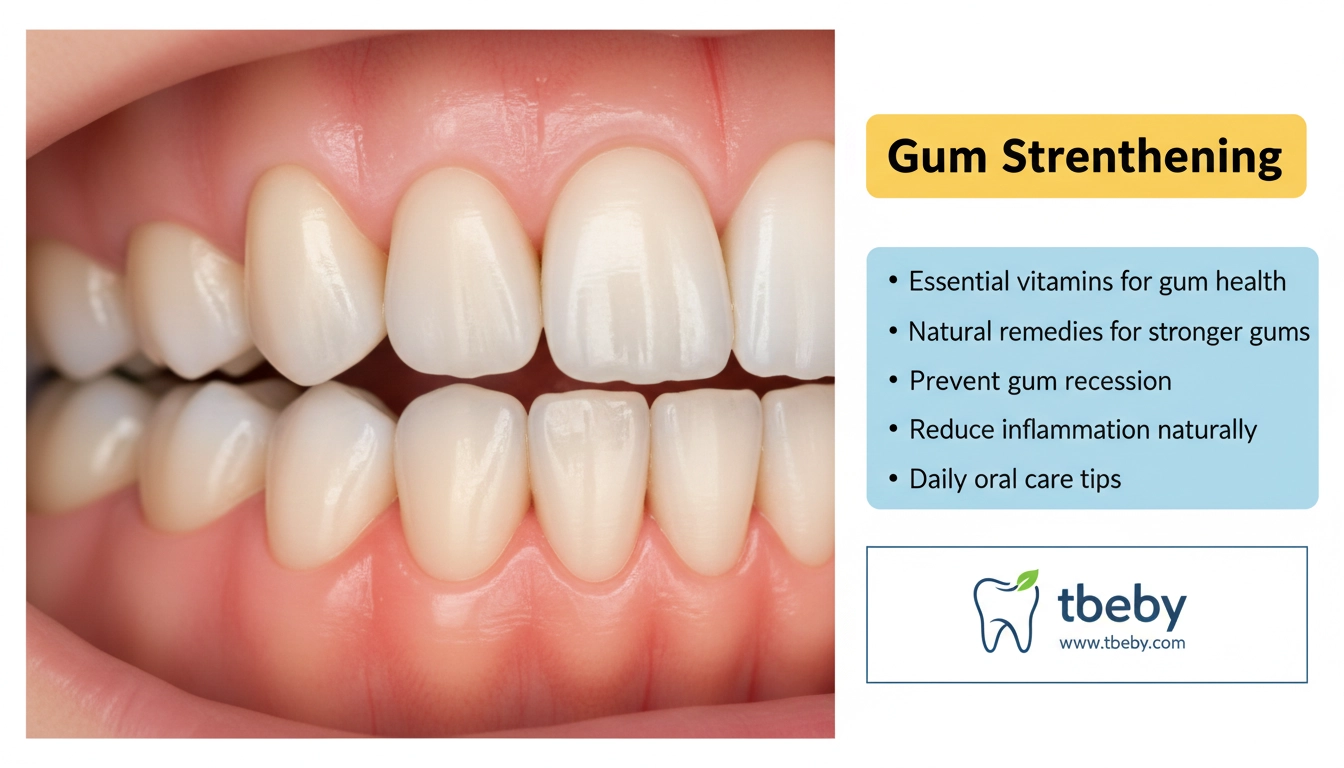

Gum strengthening is one of the most important steps toward maintaining long-term oral health and protecting teeth from damage and loss.
A large number of people suffer from gum infections and related conditions, where gum tissue becomes progressively weakened due to various contributing factors, including poor oral hygiene, smoking, hormonal changes, and genetic predisposition.
In this article, we present a comprehensive guide covering the most common gum problems, their underlying causes, and evidence-based methods for gum strengthening through vitamins, minerals, and natural remedies.
Common Gum Problems
Gum tissue may undergo erosion, inflammation, or structural damage for a variety of reasons. Understanding these conditions is essential before pursuing any gum strengthening strategy.
1. Gum Inflammation (Gingivitis)
Gum inflammation develops as a result of several factors, including improper toothbrushing technique and the proliferation of bacterial infections within the oral cavity. This condition manifests as redness, swelling, and tenderness of the gum tissue.
If left untreated, gingivitis can lead to progressive tissue fibrosis, destabilization of the teeth, and ultimately tooth loss. Early intervention is therefore critical to effective gum strengthening and long-term oral health.
2. Gum Recession
Gum recession occurs when the gum tissue gradually pulls away from the teeth, exposing the roots and making them vulnerable to bacterial attack, plaque accumulation, and tartar buildup. This condition significantly accelerates tooth decay and can lead to tooth erosion and loss if not properly managed.
Exposed root surfaces are particularly susceptible to the fermentation of food debris, making regular oral hygiene practices indispensable for those experiencing recession.
3. Gum Bleeding
Gum bleeding is often a clinical indicator of advanced inflammation or underlying systemic conditions such as diabetes. Even minor contact, such as light brushing, may trigger bleeding in weakened gum tissue. This symptom should not be overlooked, as it frequently signals the need for targeted gum strengthening and professional dental evaluation.
You can use Gum Repair Foam to help soothe inflamed gum tissue, reduce redness, and support the natural healing process between dental visits.
Causes of Gum Weakness
Identifying the root causes of gum deterioration is a prerequisite for any effective gum strengthening approach.
1. Harmful Lifestyle Habits
Smoking is among the most damaging habits for oral health. The harmful chemical compounds, including tobacco by-products and nicotine, create an environment highly conducive to bacterial and fungal growth. Chronic smoking impairs the gum cells’ capacity for regeneration and slows the natural healing process, resulting in progressive tissue degradation over time.
2. Inadequate Oral Hygiene
Failure to brush and floss consistently allows food debris to accumulate, providing an ideal medium for bacterial colonization. Equally, improper use of dental tools such as hard-bristle toothbrushes or wooden toothpicks can cause direct mechanical trauma to the gum tissue, contributing to inflammation and bleeding.
3. Hormonal Changes
Fluctuations in hormone levels, particularly during pregnancy, puberty, or menopause, can render gum tissue more sensitive and reactive to bacterial presence, increasing the risk of inflammation and bleeding.
4. Genetic Predisposition
Hereditary factors play a documented role in periodontal health. Individuals with a family history of gum disease carry a higher baseline susceptibility to gum weakness and related conditions.
5. Medication Side Effects
Certain medications, including anticonvulsants and some anti-inflammatory drugs, interfere with saliva production and compromise the structural integrity of gum tissue, making it more prone to inflammation and infection.
You can use Medical Gauze as a gentle, non-abrasive tool to apply topical treatments directly to sensitive or affected gum areas, minimising further irritation.
Vitamins for Gum Strengthening

| Vitamin | Key Role for Gum Health | Main Benefit |
| Vitamin A | Stimulates saliva production to maintain a moist oral environment | Natural antiseptics inhibit bacterial and fungal growth |
| B-Complex Vitamins | Supports cellular division and tissue renewal | Repairs damaged gum tissue and promotes healthy cell turnover |
| Vitamin C | Essential for collagen synthesis, the structural foundation of gum tissue | Potent antioxidant that combats inflammation, bleeding, and recession |
| Vitamin K | Core component of the blood clotting cascade | Antimicrobial inhibits harmful bacteria in the oral cavity |
| Vitamin D | Enables calcium absorption and distribution | Protects against gum recession, inflammation, and recurrent infections |
Gum Strengthening with Clove
Clove is widely regarded as the foremost natural remedy for dental and gum-related conditions. Scientific evidence supports its effectiveness as both an analgesic and antimicrobial agent. Applying a cotton ball soaked in clove oil directly to the gum tissue for ten minutes significantly reduces inflammation and suppresses bacterial activity.
Clove infusion can also be prepared as a daily mouth rinse. To make this rinse, boil whole cloves in water for several minutes, allow the solution to cool, and use it as a gargle after each meal and before bedtime, following routine tooth brushing.
You can use Toothpaste for Treating Sensitive Gums as part of your daily brushing routine to strengthen gum tissue, reduce sensitivity, and complement the antibacterial benefits of clove-based care.
Natural Methods for Gum Tissue Regeneration
Several herbal and natural agents have demonstrated measurable efficacy in supporting gum tissue regeneration and gum strengthening:
1. Green Tea
Rich in antioxidants, vitamins, and beneficial minerals, green tea can be used either as a daily mouth rinse or consumed as a regular beverage to support periodontal health.
2. Peppermint Oil
Peppermint oil functions as a natural antimicrobial agent, effectively neutralizing oral infections and alleviating gum inflammation. Applying a cotton ball soaked in peppermint oil to the gums daily can provide sustained therapeutic benefit.
3. Marjoram Oil
Marjoram oil is a powerful anti-inflammatory and antiseptic agent used in the treatment of gum inflammation and recession. It can be incorporated into a daily mouth rinse, used as a topical compress, or introduced into the diet as a culinary supplement.
Practical Tips for Gum Strengthening
Selecting the appropriate oral care tools is a fundamental aspect of any gum-strengthening regimen. A soft-bristle medical-grade toothbrush minimizes mechanical trauma to the gum tissue, while a toothpaste with a reduced chemical load decreases the risk of irritation.
Dental floss of an appropriate gauge should be used at least twice daily to remove interproximal debris. A dedicated mouth rinse formulated for sensitive gums should be incorporated into the daily oral hygiene routine to safeguard against infection and bacterial colonization.
Dietary choices also significantly influence gum health. Foods rich in calcium, phosphorus, iron, vitamin C, and B-complex vitamins, such as fish, leafy vegetables, and fresh fruits, should be prioritized as part of a gum-supportive nutritional strategy.
The Final Step Toward Strong, Healthy Gums
Oral health begins not with the teeth, but with the foundational tissue that supports them, the gums. This article has examined the most prevalent gum conditions, including inflammation, recession, and bleeding, and has established that lasting improvement requires a dual approach: the adoption of sound daily oral hygiene habits and a diet consistently rich in essential vitamins such as C, D, and K.
Natural remedies, including clove, peppermint oil, and green tea, have demonstrated their value as antiseptics and tissue-regenerating adjuncts to conventional care. Consistent prevention through the use of a soft toothbrush and disciplined daily hygiene remains the most reliable foundation for gum strengthening over the long term.
Begin implementing these recommendations today to restore the strength and resilience of your gum tissue. Regular dental checkups provide an additional layer of protection, ensuring a healthy, attractive, and pain-free smile.
FAQs About Gum Health and Strengthening
How can I strengthen weak gums using natural substances?
What are the best herbs and oils for treating gum weakness at home?
Clove infusion, green tea, and peppermint oil serve as effective daily natural antiseptics that reduce inflammation and eliminate harmful bacteria.
Does vitamin C play a role in treating recurrent gum bleeding?
How does vitamin C help maintain the health of oral tissues?
Yes, vitamin C is essential for collagen production, which supports gum tissue structure, stops bleeding, and fights inflammation as a powerful antioxidant.
What are the primary causes of gum recession and tissue loss?
Why do tooth roots become exposed and gum levels deteriorate over time?
Recession results from severe bacterial infections, tartar accumulation, or aggressive brushing with a hard-bristle toothbrush.
Is clove effective in relieving gum pain and inflammation?
What are the benefits of rinsing with clove water for oral health?
Clove is an outstanding natural antibacterial agent; its oil or infusion used as a mouth rinse provides immediate pain relief and reduces the spread of infection.
How does smoking directly impact gum health?
Do cigarettes and nicotine increase the likelihood of gum tissue deterioration?
Smoking impairs blood circulation in the gums and diminishes cellular regenerative capacity, creating a bacterial-favourable environment that accelerates tissue breakdown.
Can gum problems be hereditary?
What role does genetic inheritance play in susceptibility to gum weakness?
Yes genetic factors are clinically significant, as hereditary predisposition substantially increases an individual’s risk of developing periodontal disease and gum weakness.
Which vitamins are responsible for stopping recurrent gum bleeding?
What vitamins do I need to prevent bleeding from the gums during tooth brushing?
Vitamins K and C are most critical for controlling gum bleeding, as they enhance clot formation and strengthen the integrity of small blood vessels.
Can hormonal changes cause gum swelling and inflammation?
Why do gum problems increase in women during pregnancy or puberty?
Hormonal fluctuations increase blood flow to gum tissue and heighten its sensitivity and reactivity to bacteria, making swelling and bleeding more likely.
How do I choose the right toothbrush that will not damage my gums?
What is the correct brushing technique to avoid injuring gum tissue?
Use a soft-bristle medical-grade toothbrush and apply gentle circular motions without exerting excessive pressure on the gums.
When does gum disease require an urgent dental visit?
What warning signs indicate that immediate professional treatment is needed?
Consult a dentist immediately if you experience persistent uncontrolled bleeding, severe swelling accompanied by pain, or tooth mobility and shifting.
https://www.cdc.gov/oral-health/about/gum-periodontal-disease.html