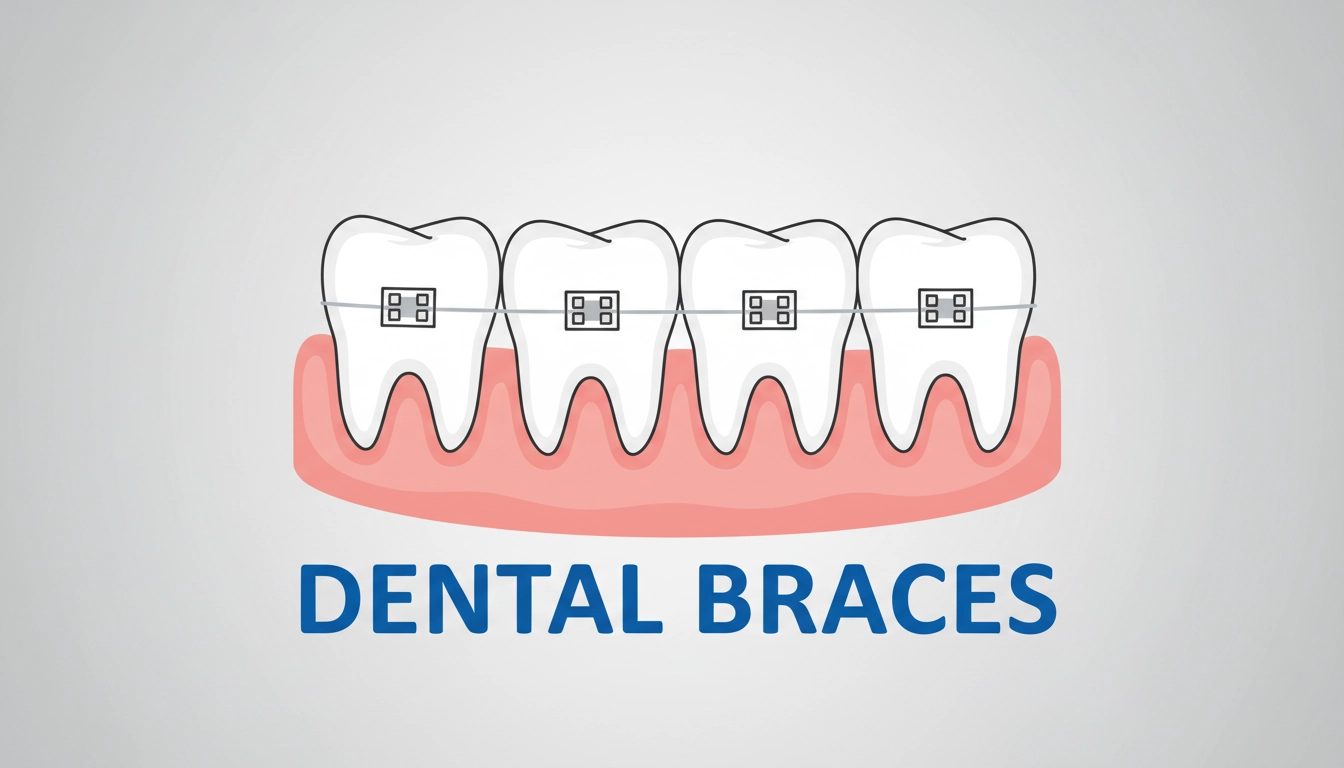

Dental braces are among the most effective orthodontic solutions available today, offering patients across Jeddah and the broader Saudi Arabia region a proven pathway to achieving properly aligned, aesthetically pleasing smiles. Whether addressing mild crowding or severe misalignment, modern orthodontic treatment has transformed the lives of countless patients from young children to adults by restoring both dental function and personal confidence.
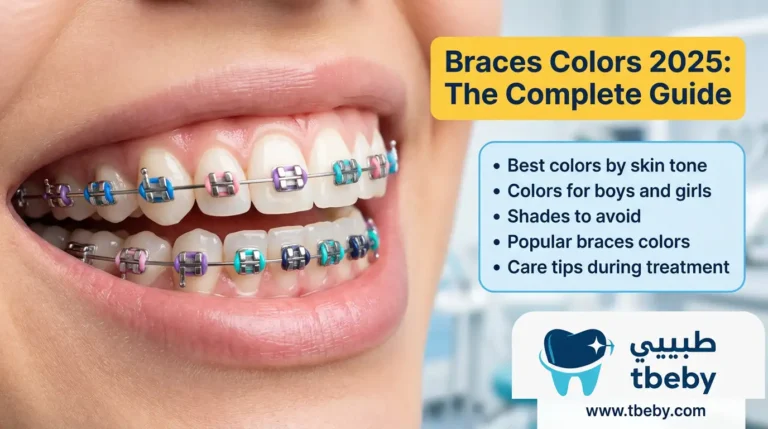
Orthodontic braces are corrective dental appliances designed to reposition misaligned teeth into their natural, anatomically correct alignment. The device applies consistent, controlled pressure over an extended period, gradually shifting teeth into their ideal positions. Available in multiple configurations, fixed or removable, visible or transparent, metallic or ceramic dental braces accommodate a wide range of clinical needs and patient preferences.
Braces are typically applied to the upper or lower dental arch, or both simultaneously, depending on the specific pattern of misalignment identified during the initial clinical examination.
Why Childhood Is the Best Time for Dental Braces?
While dental braces can be successfully fitted at virtually any age, childhood and early adolescence represent the clinically preferred window for orthodontic intervention. During these developmental stages, oral tissues retain a higher degree of flexibility and responsiveness, enabling more efficient tooth movement with reduced treatment duration.
This does not preclude adults from undergoing orthodontic correction. Adult patients remain excellent candidates for braces, provided their periodontal tissues, particularly the gingival structures, are in sufficiently healthy condition to withstand the sustained pressure orthodontic appliances generate. The prevalence of braces among younger populations in Jeddah primarily reflects the fact that dental irregularities are typically first identified during childhood, prompting parents to pursue early corrective intervention.
You can use Teeth Whitening Toothpaste to maintain a bright and clean smile throughout your orthodontic treatment journey.
Cost of Dental Braces in Jeddah: Key Factors That Influence Pricing
The cost of dental braces in Jeddah varies considerably based on several interdependent variables. Understanding these factors allows patients to make informed financial decisions when planning orthodontic treatment.
Primary cost determinants include:
1. Patient age
: Younger patients may present less structural complexity
2. Clinic selection
specialist orthodontic centres in Jeddah vary in pricing structure and service tier
3. Appliance type
Clear aligners and ceramic brackets carry a higher production cost than conventional metal systems
4. Severity of misalignment
: More complex cases require extended treatment and additional clinical visits
It is worth noting that transparent or invisible aligners command a premium price point not because of superior clinical efficacy, but due to the advanced manufacturing processes involved in their fabrication.
You can use Coconut Oil Teeth Whitening to maintain optimal oral hygiene and support a healthier smile, regardless of the appliance type you choose.
Dental Braces Offers in Jeddah: What to Expect After Fitting
Upon placement of dental braces, the orthodontist initiates controlled movement of mispositioned teeth, repositioning them into a harmonious and symmetrical arrangement. Patients typically experience a degree of discomfort and pressure sensitivity in the days following each adjustment appointment, particularly during eating and speaking.
Potential side effects during the initial adaptation period may include:
- Temporary gingival irritation or lip sensitivity
- Mild speech interference
- Soreness when chewing firm foods
These effects are transient and generally resolve within one to two weeks as the oral tissues acclimate to the appliance. Dentists in Jeddah routinely prescribe analgesics such as paracetamol to manage post-fitting discomfort, and patients are advised to perform saltwater rinses multiple times daily to reduce inflammation, inhibit bacterial activity, and promote tissue recovery.
Regular use of an oral irrigator is strongly recommended throughout treatment. The directed water pressure effectively dislodges food debris trapped between wires and brackets, protecting gingival health and preventing carious lesions during the two-year treatment course.
Types of Dental Braces Available in Jeddah Clinics
Advances in orthodontic technology have produced a diverse array of appliance systems, allowing patients in Jeddah and across Saudi Arabia to select the option most compatible with their clinical requirements, lifestyle preferences, and budgetary parameters.
1. Metal Braces “Metal Braces.”
Fabricated from high-grade stainless steel alloys, metal braces remain the most widely utilised orthodontic system globally and in Jeddah clinics. Their widespread adoption is attributable to their competitive cost profile, structural rigidity, and superior capacity for precise tooth positioning, particularly in cases involving significant misalignment.
2. Ceramic Braces “Ceramic Braces.”
Constructed from a translucent, glass-like composite material, ceramic brackets offer enhanced aesthetic discretion compared to their metal counterparts. A notable clinical advantage of ceramic systems is their reduced propensity for causing gingival irritation. However, ceramic braces carry a higher price point and are susceptible to staining from chromogenic substances such as coffee, tea, and tobacco products.
3. Invisible Braces “Invisible Braces.”
Comprising a series of fully transparent, custom-fabricated plastic aligners, invisible braces are entirely imperceptible during wear and can be removed independently by the patient without clinical assistance. This system is ideally suited to mild-to-moderate cases of malocclusion; however, it is generally contraindicated for patients presenting with severe dental irregularities.
Daily use of a dedicated orthodontic floss is essential for patients wearing removable aligners. This specialised flossing tool enables thorough access to interdental spaces and subgingival regions before reinsertion of the aligner tray, preventing bacterial accumulation, surface discolouration, and periodontal inflammation throughout the course of treatment.
4. Lingual Braces “Lingual Braces.”
Distinguished by their placement on the lingual (inner) surfaces of the teeth rather than the labial (outer) surfaces, lingual braces offer complete visual concealment comparable to clear aligners. Constructed from metal, they deliver mechanical performance consistent with conventional fixed appliances. The primary clinical limitation of this system lies in its proximity to the tongue, which necessitates a longer adaptation period for speech and mastication. Lingual brace placement additionally demands a highly experienced specialist, as the technical complexity of fitting is substantially greater than with conventional systems.
Essential Pre-Treatment and Post-Treatment Guidelines
Prior to initiating dental brace therapy, a comprehensive clinical and radiographic assessment must be conducted to identify any underlying dental pathology, including periodontal disease, carious lesions, or structural anomalies that would require resolution before orthodontic appliances are placed.
Following placement, patients in Jeddah should maintain consistent follow-up appointments with their treating orthodontist to monitor progress, perform necessary adjustments, and verify that tooth movement is proceeding as planned. Any concerns regarding pain intensity, appliance integrity, or persistent gingival inflammation lasting beyond one month should be communicated to the clinician promptly for re-evaluation.
Patients fitted with removable appliances must receive explicit instruction from their orthodontist on correct insertion and removal technique to ensure independent, damage-free use between appointments.
You can use Teeth Polishing Powder to gently remove surface stains and keep your teeth looking their best before and after each orthodontic appointment.
Treatment Duration: How Long Do Dental Braces Take?
The standard treatment duration for dental braces spans approximately two years, though this figure represents an average rather than a fixed timeline. The precise duration is determined by the severity of the presenting malocclusion, the patient’s biological response to treatment, and the appliance type selected. In the vast majority of cases, total treatment time does not exceed three years.
Invest in Your Smile: A Commitment to Lasting Confidence
Ultimately, the decision to pursue dental brace treatment constitutes a meaningful investment in both physical health and psychological well-being. For families in Jeddah and across Saudi Arabia seeking orthodontic solutions for their children, or adults pursuing aesthetic and functional dental improvement, the breadth of available options from conventional metal systems to virtually invisible aligners ensures that an optimal solution exists for every clinical profile and financial circumstance.
The initial challenges of adaptation and heightened oral hygiene demands are temporary. The outcome of a well-aligned, functionally sound, and aesthetically refined smile represents a lasting benefit that justifies the commitment. Patients are encouraged to consult a qualified orthodontic specialist in Jeddah to commence their personalised treatment journey.
FAQs About Dental Braces Clinic
When is the most appropriate time to begin orthodontic treatment?
What is the ideal age to start dental braces therapy?
Childhood and adolescence are clinically preferred due to tissue flexibility, though braces are suitable for all ages, provided periodontal health is adequate.
Does fitting dental braces cause significant pain?
Will I experience discomfort after my braces are placed?
Mild soreness and pressure sensitivity are common initially but resolve gradually with analgesics and regular saltwater rinses.
How long does orthodontic treatment with braces typically last?
What is the expected duration before braces can be removed?
Treatment generally ranges from two to three years, depending on the degree of misalignment and the patient’s individual response.
What types of dental braces are currently available?
What orthodontic appliance options do Jeddah clinics offer? Available systems include traditional metal braces, ceramic braces, invisible (clear) aligners, and lingual braces fitted to the inner tooth surfaces.
Are metal braces more effective than clear aligners?
Is transparent orthodontic treatment as efficient as conventional braces?
Metal braces offer superior rigidity and fixation efficiency; clear aligners provide aesthetic advantage only and are not inherently more clinically effective.
What factors determine the cost of dental braces in Jeddah?
Why does orthodontic treatment pricing differ between patients?
Pricing is influenced by patient age, appliance type, severity of the case, and the clinic selected for treatment.
How should I maintain oral hygiene while wearing braces?
What is the best daily care routine for teeth and orthodontic appliances?
Use an oral irrigator and orthodontic-specific dental floss daily to remove debris, protect gingival tissue, and prevent inflammation throughout treatment.
What are lingual braces, and how do they differ from other types?
How does a hidden inner-surface orthodontic appliance function?
Lingual braces are metal appliances bonded to the inner tooth surfaces for full concealment, requiring a highly skilled specialist due to placement complexity.
What are the disadvantages of ceramic orthodontic braces?
Are there any drawbacks to choosing ceramic brackets over metal?
Ceramic braces are more costly than metal alternatives and are prone to rapid staining from coffee, tea, and tobacco.
What side effects should I expect after dental braces are fitted?
Are there any complications common in the first days of orthodontic treatment?
Temporary gingival and lip irritation, mild speech difficulty, and chewing discomfort may occur initially, resolving quickly as the mouth adapts.
Sources:
https://www.moh.gov.sa/en/Ministry/MediaCenter/News/Pages/News-2019-12-10-004.aspx