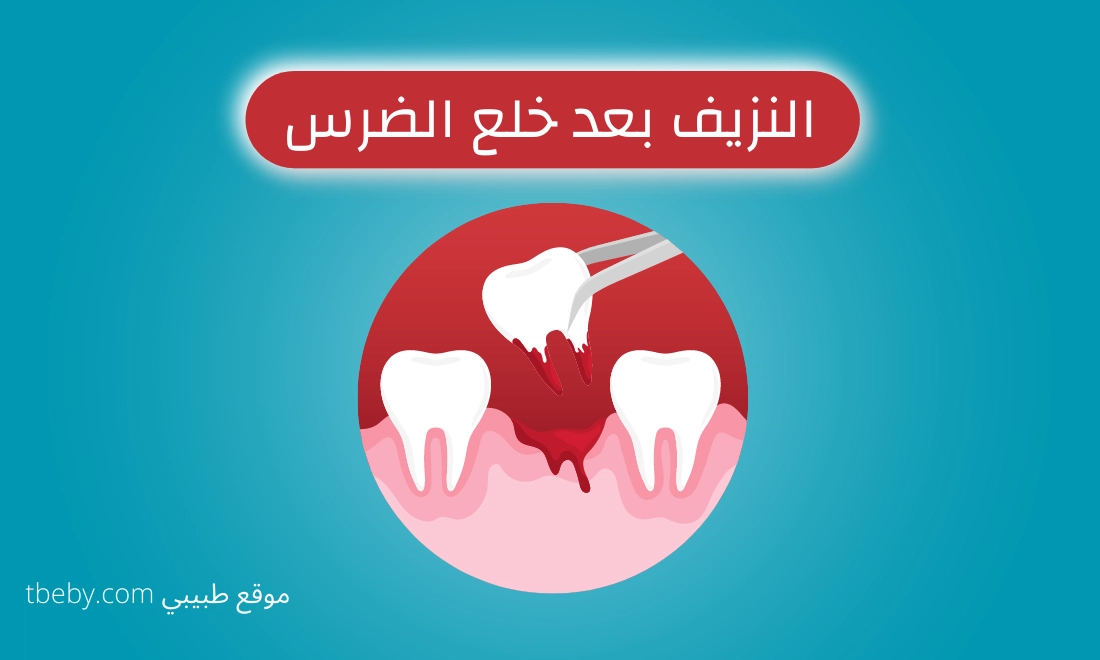

When does bleeding stop after tooth extraction? this is the question that dominates every patient’s mind after the procedure, alongside one equally urgent concern: How can I stop the bleeding at home without an emergency dental visit?
This guide answers both questions with full clinical clarity covering causes, management steps, warning signs, and recovery protocols used by dental professionals across Egypt and internationally.
What Is Post Extraction Bleeding?

Toothache is among the most disruptive forms of physical pain, frequently requiring immediate dental consultation. In specific clinical scenarios, extraction becomes the only viable treatment whether due to advanced decay, severe crowding, or impacted wisdom teeth.
While extraction is largely safe and straightforward, post operative complications do occur. The most common is haemorrhage, followed by localized swelling and infection. Understanding how to manage bleeding at home is essential knowledge for every dental patient particularly in Egypt, where patients often seek immediate practical guidance before returning to the clinic.
You can use White Gauze Medical Bandage to apply direct compression over the extraction socket and control bleeding effectively from the first hour post-procedure.
Why Do Teeth Get Extracted?
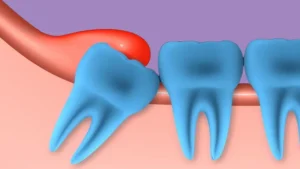
1. Wisdom Tooth Impaction
Third molars frequently erupt in abnormal angulations or remain fully impacted within the alveolar bone, causing pain, pericoronitis, and structural damage to adjacent teeth.
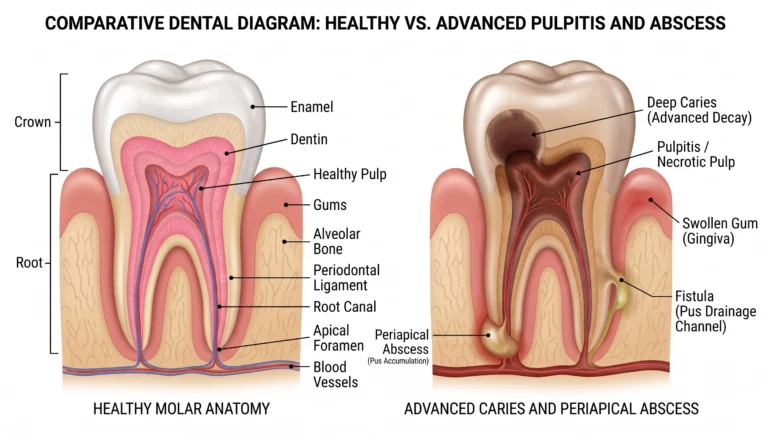
2. Advanced Dental Caries
When carious destruction progresses beyond the scope of restorative intervention, extraction becomes the definitive solution.
3. Dental Crowding
Orthodontic treatment planning may require strategic extraction to create sufficient arch space for proper alignment.
4. Systemic Medical Conditions
Patients undergoing chemotherapy or organ transplantation may require removal of compromised teeth to prevent systemic infection and preserve overall oral health.
How to Stop Bleeding After Tooth Extraction
Gauze Compression
Immediately following extraction, the dentist places a gauze pad over the socket. The patient must apply firm, sustained biting pressure for a minimum of 30 minutes. This mechanical compression initiates blood clot formation the biological foundation of wound healing.
Replace the gauze every hour maximum. Do not remove it until bleeding has fully ceased.
Dietary and Behavioural Restrictions
Avoid all food, drink, and smoking on the affected side for the first 24 hours. Physical disruption of the forming clot significantly increases infection risk and prolongs haemorrhage.
Prescribed Medications
The treating dentist will typically prescribe:
- Analgesics
for post operative pain control
- Anti-inflammatory medications
to reduce swelling
- Antibiotics
to prevent bacterial colonization of the socket
Never take analgesics on an empty stomach, as most cause gastric irritation. Full pharmacological compliance is non-negotiable throughout the prescribed course.
While waiting for your permanent dental treatment, you can use Resin Temporary Tooth Repair Granules to fill gaps or protect broken teeth temporarily before your next dental appointment.
When Does Bleeding Stop After Tooth Extraction?
In the vast majority of clinical presentations, post extraction bleeding does not extend beyond 24 hours. Patients in Egypt and globally can apply the following protocol with confidence:
- Place a clean gauze pad firmly over the extraction socket
- Maintain sustained biting pressure
- Replace gauze at maximum one-hour intervals
- Continue until bleeding ceases entirely
Do not be alarmed by blood-tinged saliva. A minimal volume of blood dispersed through saliva creates a visually exaggerated impression of significant haemorrhage. The actual blood loss is typically negligible.
The Critical First 24 Hours
The first 24 hours post extraction represent the most decisive recovery window. During this period:
1. No rinsing of any kind
even if you taste blood in your mouth
2. No hot food or beverages
heat promotes vasodilation and amplifies haemorrhage
3. No smoking
tobacco significantly delays wound healing and increases bleeding risk
4. No physical exertion
activity increases systemic blood pressure and disrupts clot stability
5. Do not touch the socket
neither with fingers nor with the tongue
After 24 hours, gentle saline rinsing is permitted warm water with salt, three to four times daily.
Sleeping Position on Night One
Elevate your head using an additional pillow to maintain a position slightly above horizontal. This reduces regional hydrostatic blood pressure and attenuates post extraction bleeding overnight.
When Does Bleeding Stop After Wisdom Tooth Extraction?
Wisdom tooth extraction carries greater surgical complexity than routine extraction. Post operative bleeding following third molar removal typically ceases within 24 to 48 hours.
Seek Immediate Care If:
- Bleeding persists beyond 48 hours without reduction
- Bleeding is accompanied by fever or escalating pain
- Pronounced facial swelling extends to the opposite cheek
- Complete inability to open the mouth develops
- Sharp bony projections become palpable at the socket
you can use Resin False Teeth Solid Gums as a temporary restorative solution to protect and fill the affected area until your follow-up dental appointment.
What to Do When Bleeding Persists
Escalation Protocol
First:
Stop all rinsing immediately. Vigorous mouth rinsing mechanically destroys the forming blood clot and reinitiates haemorrhage.
Second:
Apply a moistened tea bag to the extraction site. Tea contains tannic acid a natural astringent that induces vasoconstriction and promotes local haemostasis. This is a clinically supported adjunctive measure.
Third:
If continuous, sustained compression applied for more than 30 consecutive minutes fails to achieve haemostasis contact your dentist immediately for emergency assessment.
Swelling Management After Extraction
Transient swelling and localized inflammation are physiologically expected following extraction surgery. These symptoms typically resolve within one week. Persistence beyond this period requires a formal clinical review.
Cold compress protocol: Apply an ice pack wrapped in a clean cloth to the affected cheek 20 minutes on, then rest. This reduces inflammatory enema and alleviates pain through vasoconstriction without disrupting the internal healing process.
Post Extraction Care: Complete Checklist
| Timeframe | Permitted | Prohibited |
| First 24 hours | Gauze pressure, rest, cold compress, prescribed medications | Rinsing, hot food/drinks, smoking, physical exertion, touching the socket |
| After 24 hours | Gentle saline rinsing, soft cool foods, gentle toothbrushing away from socket | Smoking (minimum 1 week), vigorous rinsing, hard or hot foods |
| After 1 week | Resume normal oral hygiene | N/A — consult dentist if symptoms persist |
Proper Care Is the Foundation of Safe Recovery
Minor bleeding and mild swelling following tooth extraction are entirely physiological responses manageable through structured home care. Dental patients across Egypt who adhere consistently to post operative protocols gauze compression, thermal restriction, tobacco abstinence, and clot protection ensure rapid, complication free healing.
If bleeding persists beyond the normal recovery window, or if any warning sign described in this article develops, do not delay professional consultation. Prompt clinical intervention prevents minor post extraction complications from escalating into serious oral health problems.
Related Dental Topics
- Tooth Extraction
- Smoking After Wisdom Tooth Extraction
- Surgical Wisdom Tooth Extraction
- Relieving Tooth Extraction Pain
- Tips after tooth extraction
FAQs about Bleeding Stop After Tooth Extraction
When does bleeding stop completely after tooth extraction?
How long does post extraction haemorrhage take to fully cease?
Bleeding typically stops within 24 to 48 hours following extraction under normal clinical conditions.
How do I stop bleeding at home quickly?
What are the immediate first aid steps to arrest post extraction bleeding?
Apply firm, continuous pressure using a clean gauze pad directly over the socket for a full 30 minutes to initiate blood clot formation.
Can I rinse my mouth immediately after extraction?
When is saline rinsing permitted following dental surgery?
Rinsing is strictly prohibited during the first 24 hours. Gentle saline rinsing is permitted only after this period has elapsed.
Does hot tea or coffee increase post extraction bleeding?
When can I resume hot beverages after tooth removal?
Hot beverages must be avoided entirely during the initial recovery days, as heat promotes vasodilation and increases haemorrhagic flow at the socket.
Does smoking harm the extraction wound?
How long must I abstain from smoking after extraction?
Smoking must be avoided for a minimum of one week, as it significantly delays wound healing and increases the risk of both haemorrhage and infection.
Can a tea bag stop post extraction bleeding?
How do I use tea to stop persistent bleeding after removal?
Yes, biting on a cool, moistened tea bag is effective, as tannic acid within the tea induces vasoconstriction and assists local haemostasis.
When does post extraction bleeding become dangerous?
What warning signs require an immediate dental visit?
Seek immediate care if heavy bleeding persists beyond 48 hours or is accompanied by severe pain and pronounced facial swelling.
Is blood-tinged saliva after extraction a concern?
I notice reddish saliva after my extraction what should I do?
This is entirely normal on the first day, resulting from minimal blood mixing with saliva, and does not indicate significant hemorrhage.
How should I sleep after extraction to avoid increased bleeding?
What is the recommended head position on the first night?
Sleep with your head elevated on an additional pillow to reduce cranial blood pressure and minimize post extraction bleeding.
When can I brush my teeth after extraction?
Is toothbrushing permitted on the same day as extraction?
Gentle toothbrushing is permitted after 24 hours, while strictly avoiding direct contact with the extraction wound site.
Source:
https://bmjopen.bmj.com/content/6/3/e010471