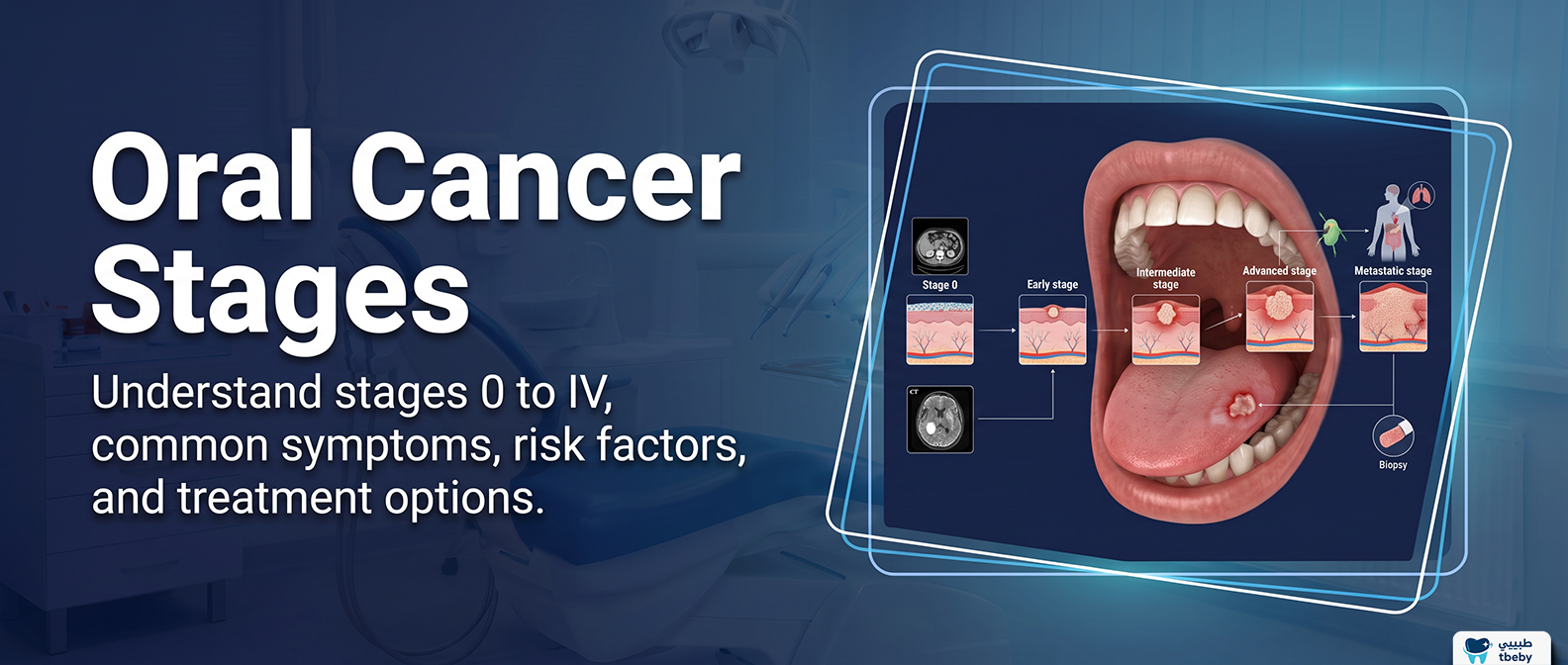

Oral cancer stages describe how far cancer has developed and help doctors choose the most appropriate treatment. A persistent mouth sore, unusual patch, or unexplained lump can feel worrying, but these changes do not automatically mean cancer. The important step is to have lasting symptoms examined.
Understanding oral cancer stages can make medical conversations easier to follow. This guide explains what each stage means, which symptoms deserve attention, and how treatment decisions are made.
What Is Oral Cancer?
Oral cancer develops in the tissues of the mouth, including the gums, inner cheeks, floor of the mouth, hard palate, and front portion of the tongue. Most cases are squamous cell carcinomas, which begin in the flat cells lining these surfaces.
Cancer affecting the tonsils or base of the tongue is called oropharyngeal cancer. Its risk factors and staging can differ from those of oral cavity cancer, so identifying the exact location matters.
How Are Oral Cancer Stages Determined?
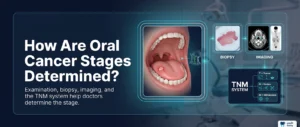
Doctors determine oral cancer stages through examination, biopsy findings, and imaging. The appearance of a sore alone cannot reveal the stage.
1. Mouth and Neck Examination
A dentist or doctor examines the mouth for unusual sores, patches, or thickened areas. They may also feel the neck and jaw for lumps and ask about symptoms, tobacco use, and medical history.
White patches can have several causes, including oral thrush. A dental examination helps distinguish these changes from lesions that need further testing.
An abnormal finding may lead to a specialist referral. This does not necessarily mean cancer is present; it means further assessment is needed.
2. Biopsy and Imaging Tests
A biopsy involves removing a small tissue sample to check for cancer cells. Imaging tests such as CT, MRI, or ultrasound can help assess the tumor and nearby lymph nodes.
A PET scan may be recommended when more information about possible spread is needed. Not everyone requires every type of scan.
3. Understanding the TNM System
The TNM system helps doctors classify oral cancer stages:
- T, Tumor: Describes the tumor’s size, depth of invasion, and involvement of nearby structures.
- N, Nodes: Describes whether cancer has reached regional lymph nodes.
- M, Metastasis: Indicates whether cancer has spread to distant parts of the body.
Depth of invasion matters alongside size. A tumor that looks small on the surface may extend more deeply into the surrounding tissue.
What Do Oral Cancer Stages 0 to IV Mean?
Oral cancer stages range from stage 0 to stage IV. The following table provides a simplified overview rather than a way to diagnose or stage a tumor yourself.
| Stage | General meaning |
| Stage 0 | Abnormal cells remain within the surface lining without invading deeper tissue. This is called carcinoma in situ. |
| Stage I | A small, shallow invasive tumor with no regional lymph node or distant spread. |
| Stage II | A larger or deeper tumor without regional lymph node or distant spread. |
| Stage III | A larger or more deeply invasive tumor, or limited involvement of a lymph node on the same side of the neck. |
| Stage IVA | Locally advanced disease or more extensive regional lymph node involvement. |
| Stage IVB | Very advanced local disease or substantial lymph node involvement. |
| Stage IVC | Cancer has spread to a distant part of the body. |
These categories bring together several findings. The exact stage depends on the complete examination, imaging results, and pathology report.
Among oral cancer stages, stage IV includes different situations. Stages IVA and IVB do not necessarily mean cancer has spread to distant organs. Stage IVC indicates distant spread.
What Symptoms Can Occur Across Oral Cancer Stages?
Symptoms can overlap across oral cancer stages. Their appearance or severity cannot reliably show how advanced a cancer is.
1. Persistent Changes Inside the Mouth
Changes that deserve assessment include:
- A mouth sore or ulcer that does not heal.
- A persistent red, white, or mixed patch.
- A lump or thickened area.
- Unexplained bleeding or numbness.
- Difficulty moving the tongue or jaw.
- Jaw swelling or dentures that begin fitting poorly.
These changes can have other causes. Mouth and tongue numbness, for example, does not establish a cancer diagnosis, but persistent or unexplained loss of sensation should be assessed.
2. Difficulty Eating, Swallowing, or Speaking
Possible symptoms also include difficulty swallowing, speech changes, persistent hoarseness, a neck lump, or unexplained weight loss.
Some of these symptoms may relate to conditions elsewhere in the head and neck, including the throat. A healthcare professional can assess where the problem is coming from.
3. When Should You See a Dentist or Doctor?
Arrange an appointment for an unexplained lump, persistent patch, or continuing mouth pain. A mouth ulcer lasting more than three weeks should also be examined.
Swelling around a painful tooth may have a dental cause. However, persistent or unexplained tooth swelling should be examined rather than assumed to be an infection or a sign of cancer.
A painless change can still need attention. Having these symptoms does not establish a cancer diagnosis, but checking them promptly can help identify the cause.
What Increases the Risk of Oral Cancer?
Understanding oral cancer stages helps after diagnosis. Knowing the risk factors can also guide practical choices before a problem develops.
1. Tobacco and Alcohol Use
Smoking and smokeless tobacco increase oral cancer risk. Alcohol is another established risk factor, particularly with heavier consumption.
Using tobacco and alcohol together raises the risk more than either exposure alone. Stopping tobacco use is an important step toward reducing that risk.
2. HPV Infection
Certain types of human papillomavirus, especially HPV type 16, are strongly associated with oropharyngeal cancer involving the tonsils and base of the tongue.
HPV vaccination helps prevent infection with HPV types associated with cancer. It does not treat an existing infection or tumor.
3. Other Recognized Risk Factors
Other risks include:
- Chewing betel quid or areca nut, with or without tobacco.
- A previous head and neck cancer.
- Prolonged ultraviolet exposure, particularly for lip cancer.
Having a risk factor does not mean cancer is inevitable. People without obvious risk factors can also develop the disease.
How Are Different Oral Cancer Stages Treated?
Treatment across oral cancer stages depends on the tumor’s location, extent, pathology, and the person’s overall health.
1. Treatment for Early Disease
Early oral cavity cancers may be treated with surgery or radiation, depending on the site and the expected effects on function and appearance.
Surgery removes the tumor. Some patients also need treatment of neck lymph nodes or reconstruction to help restore the affected area.
2. Treatment for More Advanced Disease
More advanced oral cancer stages often require a combination of treatments. Surgery may remain an important part of care, followed by radiation and, in selected cases, chemotherapy.
When surgery is unsuitable, other approaches may be considered, including radiation combined with chemotherapy. The treatment plan is tailored to the individual case.
The dental team may recommend fluoride toothpaste as part of an individual oral care plan, especially when treatment causes dry mouth and increases the risk of tooth decay.
3. Treatment for Recurrent or Metastatic Cancer
Cancer that returns or spreads to distant organs may be treated with immunotherapy, targeted medicines, chemotherapy, or selected combinations.
When cure is unlikely, treatment can still help control the disease and relieve symptoms. Palliative care provides support with discomfort and other difficulties.
What Support Is Needed During and After Treatment?
Care extends beyond treating the tumor. Eating, speaking, dental health, and emotional health may also need attention.
- Nutrition support: Helps when eating becomes difficult.
- Speech and swallowing therapy: Supports function and recovery.
- Dental care: Gentle cleaning with a soft toothbrush, as advised by the dental team, can support oral hygiene during treatment.
- Regular monitoring: Checks for recurrence and lasting treatment effects.
- Emotional support: Gives patients and families space to discuss concerns.
The specialist team can explain which services are relevant to the treatment plan.
How Can You Lower Your Oral Cancer Risk?
Avoiding tobacco and betel quid and reducing alcohol exposure are practical steps toward lowering risk. Ask a healthcare professional about support for quitting tobacco and whether HPV vaccination is appropriate for you.
Protecting the lips from excessive sun exposure is also relevant to lip cancer risk. Routine dental visits offer an opportunity to examine the mouth, but no fixed appointment schedule guarantees that every cancer will be detected.
Alongside regular dental visits, dental floss can help clean between the teeth. During cancer treatment, follow your dental team’s advice about whether flossing is suitable for your mouth.
Frequently Asked Questions About Oral Cancer Stages
These short answers address common questions about oral cancer stages, symptoms, diagnosis, and treatment.
How Many Oral Cancer Stages Are There?
They range from stage 0 to stage IV. Stage IV is divided into IVA, IVB, and IVC.
What Is Stage 0 Oral Cancer?
It is carcinoma in situ, where abnormal cells remain in the surface lining without invading deeper tissue.
Does Stage IV Always Mean Distant Spread?
No. Stages IVA and IVB may involve advanced local or regional disease. Stage IVC indicates distant spread.
Can Symptoms Tell You the Stage?
No. Examination, biopsy findings, and appropriate imaging are needed to determine the stage.
Is Oral Cancer Always Painful?
No. A persistent painless lump, sore, or patch also needs assessment.
Does a Mouth Ulcer Mean Cancer?
An ulcer can have many causes. One lasting more than three weeks should be checked by a dentist or doctor.
Can People Who Have Never Smoked Get Oral Cancer?
Yes. Tobacco is a major risk factor, but oral cancer can occur without a history of smoking.
Is Throat Cancer Associated With HPV the Same as Oral Cavity Cancer?
No. It usually involves the tonsils or base of the tongue and can have different staging and treatment considerations.
Can Early Oral Cancer Be Cured?
Early disease can often be treated successfully. The outlook depends on the site, stage, and individual clinical findings.
Why Are Appointments After Treatment Important?
They help check for recurrence, identify new cancers, and manage lasting treatment effects.
source
https://www.cancer.gov/types/head-and-neck/patient/adult/lip-mouth-treatment-pdq?