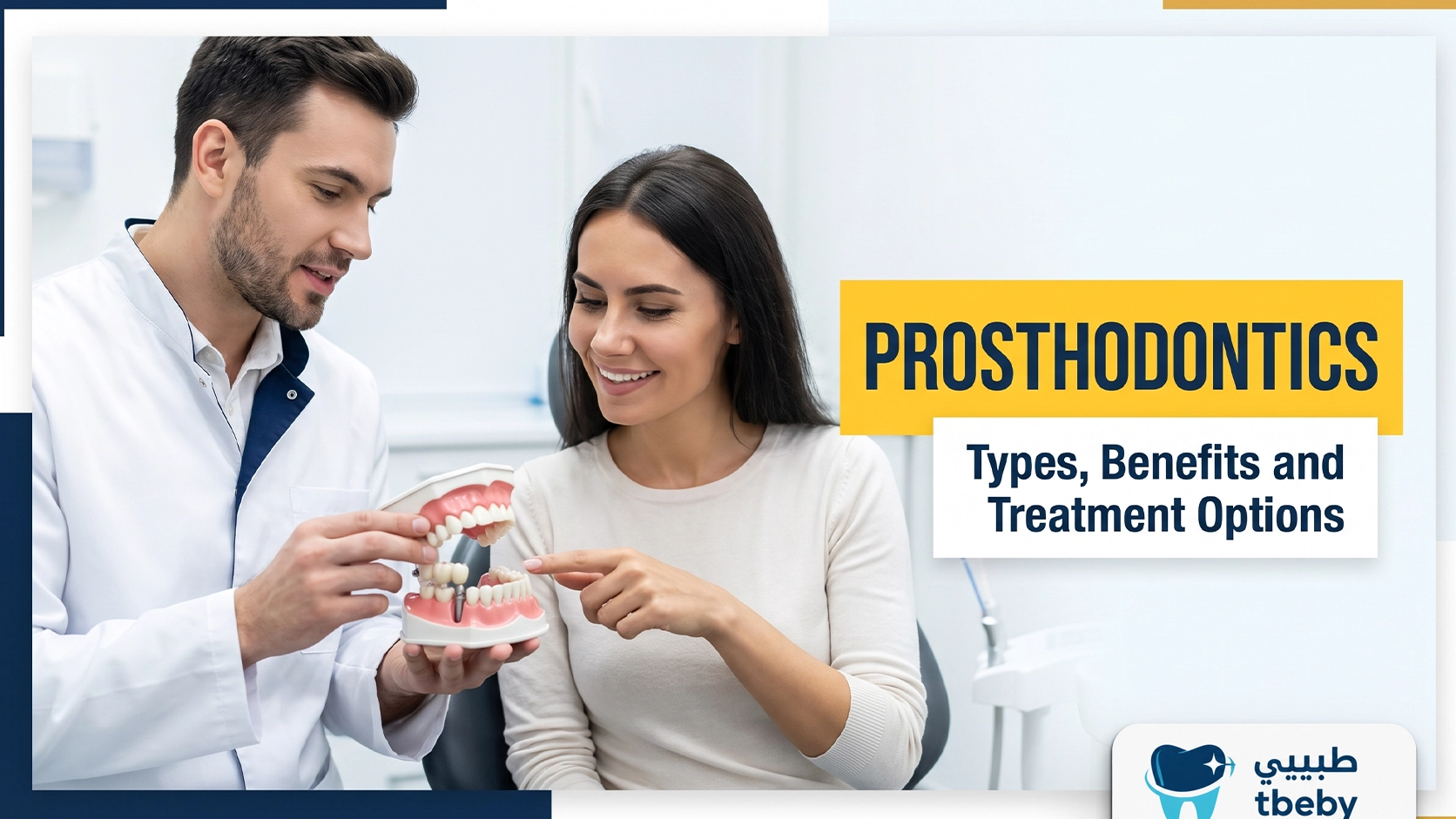

Prosthodontic Dentistry is one of the important fields of dentistry, focusing on replacing missing teeth, restoring damaged teeth, and improving both oral function and appearance. This specialty includes a wide range of treatments that many people may need at different stages of life.
In this guide, we will cover the most important aspects of prosthodontic dentistry, including the main types of dental restorations, their benefits and drawbacks, the difference between dental prostheses and implants, and tips for maintaining your restorations.
What Is the Dental Prosthodontics Specialty?
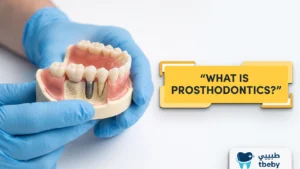
Prosthodontic Dentistry focuses primarily on replacing missing teeth and restoring or protecting weakened teeth that may be at risk of further damage.
The main goals of this specialty are to:
- Preserve as much healthy natural tooth structure as possible.
- Restore missing teeth.
- Improve chewing and speaking.
- Restore the natural appearance of the teeth and face.
- Improve the patient’s confidence and quality of life.
- Protect weakened teeth from further damage.
Depending on the patient’s condition, the dentist may recommend fixed or removable dental restorations, dental implants, crowns, bridges, or other restorative solutions.
Types of Dental Prostheses
Dental prostheses vary depending on the number of missing teeth, oral health, and the patient’s treatment needs.
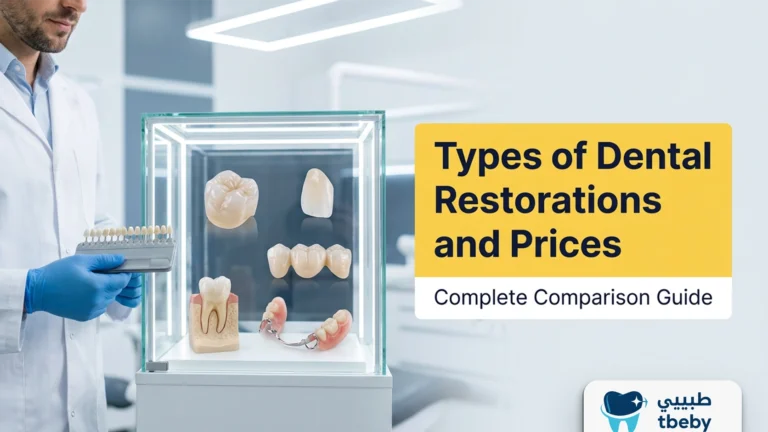
1. Fixed Dental Prostheses
These are permanently attached and include:
- Dental Crowns: Restore and protect damaged or weakened teeth.
- Fixed Bridges: Replace one or more missing teeth and restore chewing and appearance.
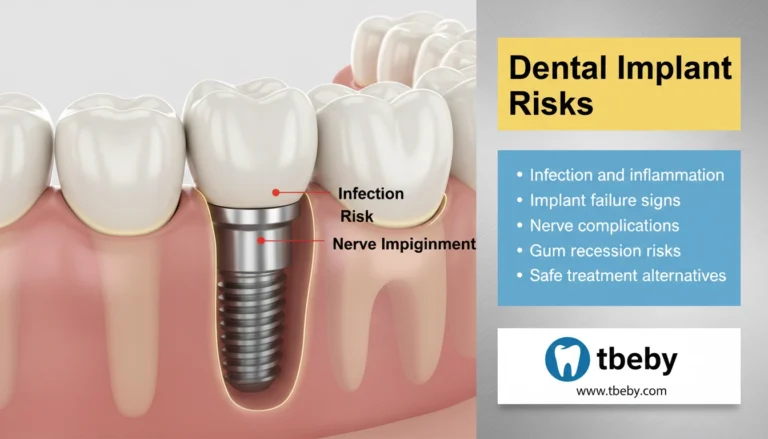
- Implant-Supported Prostheses: Use dental implants to provide stable support for artificial teeth.
2. Removable Dental Prostheses
These can be removed by the patient for cleaning and maintenance. They may replace several missing teeth or an entire dental arch.
3. Fixed vs. Removable
The main differences between fixed and removable dental prostheses are summarized in the table below:
| Type | Description |
| Fixed | Permanently attached and not normally removable by the patient. |
| Removable | Can be removed for cleaning and daily use. |
The suitable type depends on the patient’s oral health, number of missing teeth, and treatment goals.
Benefits of Dental Prostheses
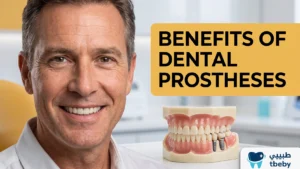
The benefits of treatment depend on the type of restoration selected and the patient’s individual dental condition.
1. Benefits of Fixed Prostheses
Fixed restorations may help:
- Restore the natural appearance of the teeth.
- Improve the appearance of the smile.
- Support normal facial appearance.
- Improve chewing.
- Improve speech and pronunciation.
- Protect weakened teeth.
- Restore missing dental function.
2. Benefits of Removable Prostheses
Removable restorations may offer several advantages:
- Lower cost compared with some fixed alternatives.
- Relatively straightforward treatment.
- No surgical procedure is required in many cases.
- Easy removal for cleaning.
- Suitable for patients who may not be candidates for more complex treatment.
Possible Problems After Dental Restoration
Although dental restorations can provide functional and cosmetic benefits, they may also cause temporary or long-term problems depending on the type of restoration and the patient’s oral health.
Temporary sensitivity may occur after dental restoration, especially with hot or cold foods. Using a toothpaste for sensitive teeth may help reduce discomfort. Persistent or severe sensitivity should be evaluated by a dentist.
1. Problems Associated With Fixed Prostheses
Potential issues include:
- Temporary tooth sensitivity, particularly to hot and cold.
- Mild discomfort while adapting to the restoration.
- The need for careful oral hygiene around crowns and bridges.
- Risk of decay or gum problems if plaque accumulates around the restoration.
- The need for occasional professional evaluation and maintenance.
2. Problems Associated With Removable Prostheses
Possible concerns include:
- Movement or lack of stability.
- Discomfort if the fit or design is not appropriate.
- Difficulty adapting to the prosthesis initially.
- Changes in speech or chewing during the adjustment period.
- The need for regular cleaning and proper storage.
Keeping sterile medical gauze available may also be useful for managing minor irritation or bleeding that can occasionally occur during the adjustment period.
Dental Prostheses and Dental Implants
Dental prostheses and dental implants are related but serve different purposes.
A dental prosthesis replaces or restores missing or damaged teeth, such as a crown, bridge, or denture. A dental implant is an artificial tooth root placed in the jawbone to support a prosthesis.
1. What Determines the Best Option?
The appropriate treatment depends on several factors, including:
- Number and location of missing teeth.
- Condition of the remaining teeth and gums.
- Jawbone health.
- Aesthetic and functional needs.
- Treatment time and budget.
2. Dental Prostheses vs. Implant-Supported Prostheses
The main differences can be summarized as follows:
| Feature | Conventional Prostheses | Implant-Supported Prostheses |
| Support | Natural teeth or oral structures | Dental implants |
| Surgery | Usually does not require implant surgery | Requires implant placement |
| Stability | Depends on the type of prosthesis | Usually provides greater stability |
| Treatment time | Often shorter | Usually longer due to healing |
| Cost | Generally more affordable | Usually more expensive |
| Maintenance | Regular oral hygiene and dental visits | Requires care for both implants and prosthesis |
Both options can provide effective results. The best choice depends on the patient’s oral condition, treatment goals, and clinical needs.
A dental examination is recommended to determine the most suitable treatment.
How to Care for Dental Prostheses
Proper care can help extend the life of dental prostheses and protect your teeth and gums.
Important tips include:
- Brush regularly with fluoride toothpaste.
- Clean carefully around crowns, bridges, and other restorations.
- Avoid very hard or sticky foods that may damage the restoration.
- Remove and clean removable prostheses as directed by your dentist.
- Store removable dentures properly when not in use.
- Follow your dentist’s cleaning recommendations.
- Schedule regular dental checkups.
In some situations, a clear temporary filling kit can provide a short-term solution for a damaged or lost filling until you are able to visit a dentist. These products are designed for temporary use only and should not replace professional dental treatment.
How Long Do Dental Prostheses Last?
The lifespan of a dental restoration varies according to its type, material, oral hygiene, bite forces, and general dental health.
Regular maintenance can help extend the useful life of the restoration.
Factors that may affect longevity include:
- Oral hygiene.
- Gum health.
- Tooth decay.
- Teeth grinding or clenching.
- The type and quality of the restoration.
- Eating habits.
- Regular dental examinations.
There is no single lifespan that applies to every restoration, so your dentist should assess the condition of your specific prosthesis during routine appointments.
Choosing the Right Dental Restoration
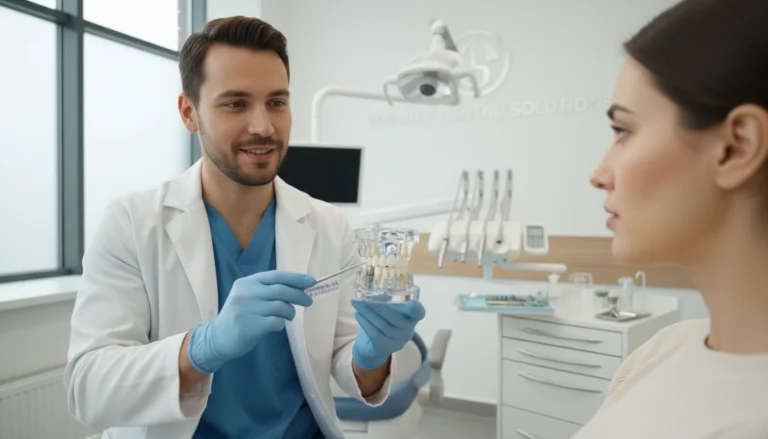
There is no single restoration that is ideal for every patient. The appropriate option should be selected after examining the teeth, gums, bite, bone condition, and overall oral health.
A dentist may compare several options based on:
| Consideration | Why It Matters |
| Number of missing teeth | Determines which restoration options may be appropriate |
| Condition of remaining teeth | Healthy supporting teeth may influence the treatment choice |
| Gum and bone health | Important for the stability and long-term success of treatment |
| Aesthetic goals | Helps determine the most suitable material and design |
| Budget | Different treatments have different costs |
| Treatment duration | Some options require considerably more time than others |
| Maintenance requirements | Patients should understand the care required after treatment |
A Final Word on Prosthodontic Dentistry
Modern restorative dentistry offers many ways to replace missing teeth and restore damaged ones. From crowns and bridges to removable prostheses and implant-supported restorations, the appropriate solution depends on each patient’s individual needs.
The main goal of the Prosthodontic Dentistry is not simply to improve the appearance of the smile, but also to restore comfortable chewing, speaking, oral function, and long-term dental health.
A professional dental examination is the best starting point for determining which restoration is most appropriate for your condition.
Frequently Asked Questions About Prosthodontic Dentistry
What Does Prosthodontic Dentistry Mean?
Prosthodontic Dentistry focuses on replacing missing teeth and restoring damaged or weakened teeth.
Its goal is to restore oral function, appearance, and comfort.
What Are the Main Types of Dental Prostheses?
The main categories are fixed and removable prostheses.
Crowns, bridges, implants, and dentures are among the commonly used options.
When Is a Dental Crown Recommended?
A crown may be recommended when a tooth is significantly weakened, damaged, or worn.
It helps restore the tooth’s shape, strength, and appearance.
Are Dental Implants Better Than Bridges?
Implants can offer stable support and generally do not require neighboring teeth to support the replacement tooth.
However, the best option depends on the patient’s bone, gum health, clinical needs, and budget.
Can Removable Dentures Replace All Missing Teeth?
Yes, complete dentures can replace all teeth in an upper or lower dental arch.
They can also be removed by the patient for cleaning and maintenance.
Can Dental Prostheses Cause Pain?
Some patients may experience temporary sensitivity or discomfort after receiving a new restoration.
Persistent pain should be evaluated by a dentist to identify the underlying cause.
How Should Fixed Dental Prostheses Be Cleaned?
Crowns and bridges should be cleaned regularly just like natural teeth.
Special attention should be given to the gum line and areas around the restoration.
Should Removable Dentures Be Removed at Night?
Your dentist may recommend removing removable dentures while sleeping, depending on your individual situation.
They should also be cleaned and stored correctly when they are not being worn.
How Long Do Dental Prostheses Last?
Their lifespan depends on the material, type of restoration, oral hygiene, bite, and overall dental health.
Regular dental examinations can help identify problems early and extend their useful life.
How Do I Choose the Right Dental Prosthesis?
The appropriate option depends on the number of missing teeth, gum and bone health, remaining teeth, aesthetic goals, and budget.
A dental examination is necessary before making a final treatment decision.