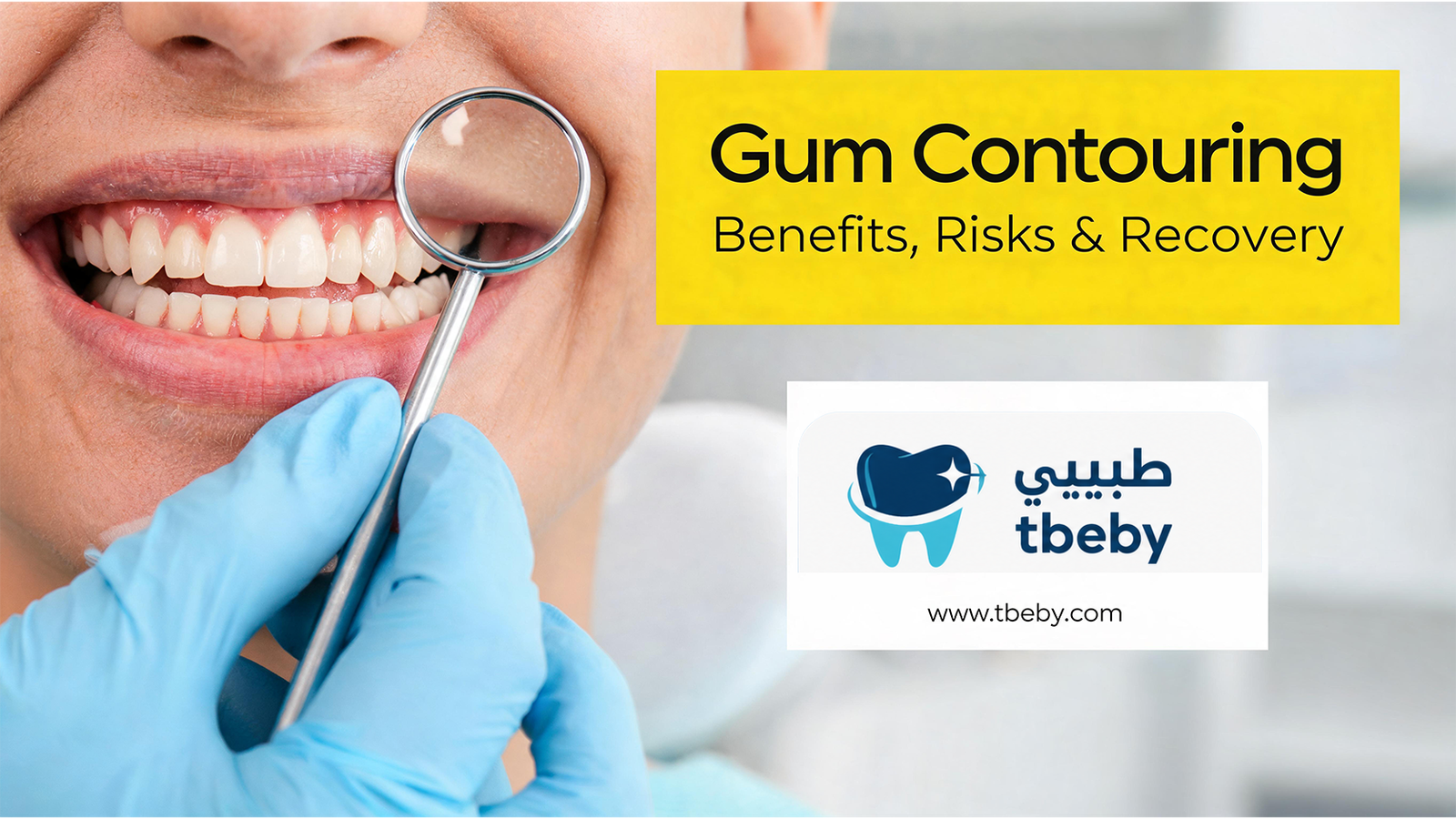

Gum Contouring is a dental procedure designed to reshape excess gum tissue and create a more balanced relationship between the gums and teeth. It may be recommended for cosmetic reasons, such as a gummy smile, or for certain periodontal and restorative needs.
The procedure can be performed using traditional surgical instruments or laser technology. The right approach depends on the amount of excess tissue, gum health, tooth position, and the overall treatment plan
What Is Gum Contouring and Why Is It Done?
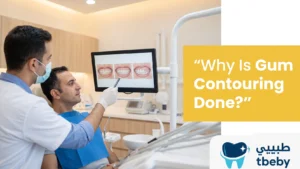
The treatment involves removing or reshaping excess gum tissue so that the visible portion of the teeth is more proportionate. The aim is not simply to remove gum tissue, but to create a healthy, symmetrical, and natural-looking gum line.
It may be considered when:
- Excess gum tissue makes the teeth appear unusually short.
- The gum line is uneven from one tooth to another.
- Gum enlargement affects the appearance of the smile.
- The gums need to be reshaped before certain restorative treatments.
- Periodontal treatment requires access to areas beneath or around the gum line.
Before treatment, the dentist should examine the teeth, gums, bite, and supporting structures. In some cases, the appearance of a gummy smile is not caused by excess gum tissue alone.
Why Is Gum Contouring Performed?
The procedure may have both cosmetic and functional purposes.
| Reason | What it may help address |
| Gummy smile | Excessive gum display when smiling |
| Uneven gum line | Different amounts of gum covering adjacent teeth |
| Gum enlargement | Excess tissue that changes tooth proportions |
| Restorative treatment | Creating appropriate gum contours around certain restorations |
| Periodontal treatment | Improving access to areas that require treatment |
| Post-orthodontic concerns | Improving the appearance of an uneven gum line |
A gummy smile can have several causes. Genetics and natural anatomy may contribute, while gum inflammation, certain medications, tooth position, lip movement, or jaw development can also influence how much gum appears when a person smiles.
That is why a professional evaluation is important. Removing gum tissue without identifying the underlying cause may not produce the desired result.
Gum Contouring for a Gummy Smile
One of the most common cosmetic reasons for reshaping the gums is a gummy smile, in which a noticeable amount of gum tissue is visible when a person smiles.
However, not every gummy smile is caused by excess gum tissue. The appearance may also be influenced by:
- The length and shape of the teeth.
- The position of the upper jaw.
- The movement of the upper lip.
- The position of the teeth.
- The relationship between the gums, lips, and teeth.
If excessive gum tissue is the main cause, reshaping the gum line may improve the proportions of the smile. In other situations, a dentist may recommend another treatment or a combination of procedures.
The goal should always be a natural result that preserves healthy gum tissue rather than removing as much tissue as possible.
How Is Gum Contouring Performed?
The procedure commonly involves:
- Examining the teeth and gums.
- Planning the desired gum line.
- Applying local anesthesia.
- Removing or reshaping excess gum tissue.
- Checking the final contours and symmetry.
- Placing sutures if needed.
1 Traditional Surgical Technique
With the conventional technique, the dentist uses specialized surgical instruments to remove or reshape excess gum tissue.
The method can be effective when a relatively significant amount of tissue needs to be removed or when the case requires more extensive periodontal treatment.
In some patients, the dentist may also need to reshape a small amount of bone beneath the gum tissue. This is different from simple soft-tissue reshaping and is performed only when clinically necessary.
2 Laser Technique
Laser technology can be used to reshape soft gum tissue with a high degree of precision. It may reduce bleeding during treatment because the laser can help seal small blood vessels as it works on the tissue.
Potential advantages of laser treatment include:
- Precise soft-tissue shaping.
- Less bleeding during some procedures.
- No sutures in certain cases.
- Potentially less postoperative discomfort.
- Convenient treatment of localized areas.
However, laser treatment is not automatically the best choice for every patient. The appropriate technique depends on the patient’s anatomy, periodontal health, and treatment objectives, as well as the overall approach to maintaining healthy gums, which may include products such as gum repair drops.
Benefits of Gum Contouring
When the procedure is appropriately planned, it can offer both cosmetic and practical benefits.
Potential benefits include:
- Creating a more symmetrical gum line.
- Making more of the natural tooth surface visible.
- Improving the proportions of the smile.
- Reducing the appearance of a gummy smile when excess gum tissue is the main cause.
- Improving gum contours around certain dental restorations.
- Supporting periodontal treatment in selected cases.
The result should be assessed after the tissues have had enough time to heal. Immediately after treatment, swelling can make the gum line appear different from its final appearance.
Gum Contouring: Recovery and Expected Results
Mild soreness, sensitivity, or swelling can occur after the local anesthetic wears off. The level of discomfort depends on the extent of treatment and the patient’s individual response.
Recovery can vary considerably. Some patients return to many normal activities relatively quickly, while more extensive periodontal procedures require a longer healing period.
| Recovery stage | What you may experience |
| First 24 hours | Mild discomfort, swelling, or minor bleeding |
| First few days | Gradual reduction in discomfort and swelling |
| First week | Continued tissue healing; soft foods may be preferred |
| Following weeks | Gum tissue continues to mature and settle |
| Later follow-up | Dentist evaluates healing and final gum contours |
The final appearance should not be judged immediately after treatment. Gum tissue can change as swelling decreases and healing progresses.
Your dentist may schedule a follow-up appointment to assess healing, check the gum line, and remove sutures if they were used.
Possible Risks and Side Effects
Although complications are not common when treatment is properly planned and performed, no surgical procedure is completely risk-free.
Possible side effects include:
- Temporary pain or discomfort.
- Minor bleeding.
- Increased sensitivity to hot or cold.
- Changes in the appearance of the gum line.
- Gum recession in certain situations.
- Teeth appearing longer because more tooth structure becomes visible.
- Uneven healing or an aesthetic result that requires further assessment.
The risk profile depends on the patient’s gum health, the amount of tissue removed, the treatment technique, and compliance with aftercare instructions.
Contact your dentist if you experience persistent bleeding, severe or worsening pain, significant swelling, fever, pus, or other symptoms that seem unusual.
Gum care after gum contouring surgery
Proper aftercare is important for protecting the treated area and supporting normal healing. Your dentist’s instructions should always take priority because recommendations can vary depending on the procedure.
1. Choose Soft Foods
During the early healing period, soft foods are generally easier to eat and less likely to irritate the treated area.
Good options may include:
- Soft eggs.
- Mashed potatoes or vegetables.
- Soft pasta.
- Smooth soups served at a comfortable temperature.
- Soft rice or other foods recommended by your dentist.
Avoid:
- Hard and crunchy foods.
- Very spicy foods.
- Foods that can become trapped around the surgical area.
- Extremely hot foods and drinks.
- Foods that require vigorous chewing.
2. Maintain Gentle Oral Hygiene
Keeping the mouth clean is important, but the treated area should be handled carefully.
Depending on the procedure, your dentist may recommend:
- Using a soft toothbrush.
- Avoiding direct brushing over the surgical site temporarily.
- Using a prescribed or recommended mouthwash.
- Avoiding flossing directly around the treated area until you are told it is safe.
your gums are sensitive during the healing period, your dentist may also recommend using a toothpaste formulated for sensitive gums to help maintain oral hygiene while minimizing irritation.
3. Avoid Smoking
Smoking can interfere with normal healing and may increase the risk of complications following periodontal procedures.
It is best to avoid smoking during the recovery period for as long as your dentist recommends.
4. Use Cold Compresses
A cold compress applied externally to the face can help reduce swelling during the first day after treatment.
For safer use:
- Wrap the cold pack in a thin cloth.
- Apply it externally rather than placing ice directly on the skin.
- Use it for short intervals with breaks between applications.
- Follow the specific instructions provided by your dentist.
5. Avoid Strenuous Exercise
Rest is generally recommended immediately after oral surgery. Intense physical activity may increase discomfort or contribute to bleeding.
For the first period of recovery, avoid strenuous exercise and gradually return to your normal activities according to your dentist’s advice.
6. Attend Follow-Up Appointments
Follow-up visits allow the dentist to:
- Check how the tissue is healing.
- Assess the gum line.
- Monitor signs of infection or other complications.
- Remove sutures when necessary.
- Determine whether additional care is required.
Once your dentist allows you to resume brushing around the treated area, use a very soft toothbrush to clean your teeth gently and minimize irritation. Avoid applying pressure to the healing gums, and follow your dentist’s instructions about when and how to clean the surgical site.
Is Gum Contouring Permanent?
The results can be long-lasting, particularly when the underlying cause has been addressed and the patient maintains good oral health.
However, the gum line can change over time. Periodontal disease, inflammation, trauma, poor oral hygiene, smoking, and other factors may affect the gums after treatment.
If gum enlargement is associated with an underlying condition or medication, managing that cause is important to help maintain the result.
Regular dental examinations and good oral hygiene can help protect the health and appearance of the gums.
For patients who grind or clench their teeth, nighttime oral guards may also help protect the gums and teeth from excessive pressure.
Gum Contouring Cost in 2026
There is no universal price because the total cost depends on the patient’s individual treatment plan and the clinic providing the service.
Common factors affecting the price include:
| Cost factor | Possible effect on the final price |
| Number of teeth | More teeth generally require more treatment time |
| Treatment technique | Laser and surgical procedures may have different fees |
| Case complexity | More complex cases may require additional procedures |
| Dentist’s experience | Specialist care may have a higher fee |
| Clinic location | Dental prices vary between cities and countries |
| Diagnostic tests | X-rays or periodontal assessments may be charged separately |
| Additional procedures | Bone reshaping or restorative treatment can increase the total cost |
An older price range of EGP 7,000–8,000 has been mentioned in previous versions of this information, but it should not be presented as a reliable 2026 price. Dental fees can change significantly over time, so patients should request a current quotation after an examination.
Gum Contouring With Surgical vs. Laser Treatment
The following table highlights the main differences between Gum Contouring using traditional surgery and laser treatment.
| Feature | Traditional surgery | Laser treatment |
| Main use | Soft-tissue reshaping and periodontal procedures | Precise soft-tissue reshaping in suitable cases |
| Anesthesia | Usually local anesthesia | Usually local anesthesia |
| Bleeding | May occur | Often reduced during treatment |
| Sutures | May be required | May not be required in some cases |
| Precision | High when performed by an experienced clinician | High for suitable soft-tissue procedures |
| Recovery | Depends on the extent of treatment | May be relatively comfortable in selected cases |
| Best choice | Depends on the clinical condition | Depends on the clinical condition |
There is no single technique that is best for everyone. The dentist should select the approach based on the patient’s gum health, anatomy, aesthetic goals, and clinical requirements.
A Final Word on Gum Health
Reshaping excess gum tissue can improve the balance of the smile and, in selected cases, support periodontal or restorative treatment. The best results come from an accurate diagnosis, realistic expectations, and careful aftercare.
If you are considering the procedure, start with a consultation with a qualified dentist or periodontist. An examination can determine whether excess gum tissue is actually responsible for your concern and whether surgical, laser, or another treatment approach is appropriate for your case.
Frequently Asked Questions About Gum Contouring
Does Gum Contouring Hurt?
The procedure is normally performed under local anesthesia, so pain during treatment should be minimal or absent.
Some soreness, swelling, or sensitivity may occur after the anesthetic wears off.
How Long Does It Take for the Gums to Heal?
Healing time varies according to the amount of tissue treated and the type of procedure performed.
The gums may continue changing in appearance for several weeks as the tissues heal and mature.
Is Laser Treatment Better Than Traditional Surgery?
Laser treatment can provide precise soft-tissue reshaping and may reduce bleeding during suitable procedures.
However, the best technique depends on the patient’s condition rather than the technology alone.
When Can I Eat Normally After Treatment?
Soft foods are generally easier to tolerate during the early recovery period.
Your dentist will advise you when you can gradually return to your regular diet.
Can I Brush My Teeth After the Procedure?
Oral hygiene remains important, but the treated area may need to be protected temporarily.
Follow your dentist’s instructions regarding brushing, flossing, and mouthwash.
Does Smoking Affect Healing?
Yes, smoking can interfere with normal gum healing and may increase the risk of complications.
It is advisable to avoid smoking for the period recommended by your dental professional.
Can the Gums Grow Back After Treatment?
The result can be long-lasting, but the gum line may change if inflammation, periodontal disease, or other problems develop.
Maintaining good oral hygiene and attending regular dental checkups can help preserve the result.
How Much Does the Procedure Cost in 2026?
There is no fixed price because costs vary according to the clinic, dentist, technique, and complexity of the case.
An examination is usually needed before a clinic can provide an accurate quotation.
Is Swelling Normal After Treatment?
Mild swelling can occur after oral or periodontal surgery and may be more noticeable during the first few days.
A cold compress applied externally can help manage swelling during the initial recovery period.
When Should I Contact My Dentist?
Seek dental advice if you have persistent bleeding, severe or worsening pain, significant swelling, fever, or signs of infection.
Prompt assessment allows potential complications to be identified and treated appropriately.