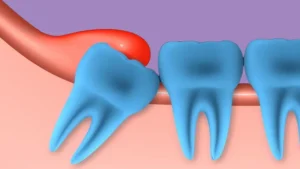
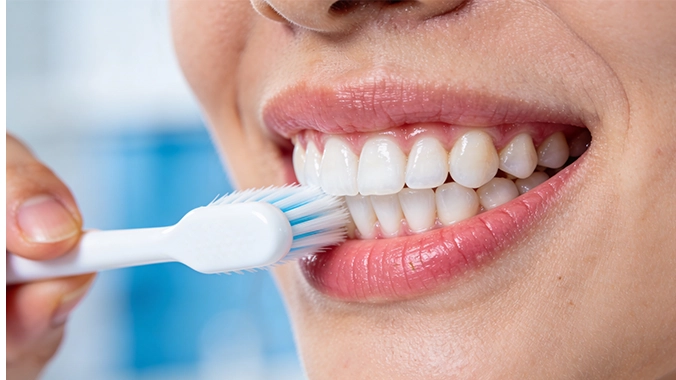

Gum Inflammation is a common oral condition marked by redness and swelling of the gums.
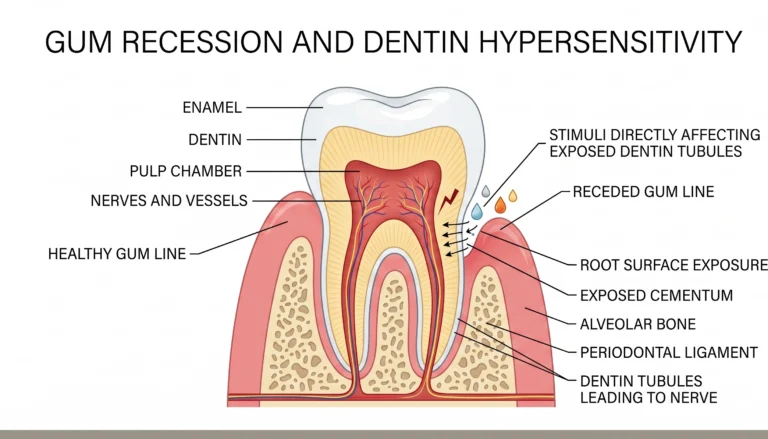
If untreated, it can lead to serious complications, including tooth loss, as gums provide essential support by covering the underlying bone.
The condition often results from poor oral hygiene, such as irregular brushing and lack of flossing, which allows bacterial buildup that triggers inflammation.
Symptoms of Gum Inflammation
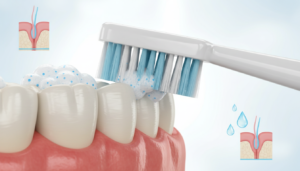
Early detection of gum inflammation in Saudi Arabia is crucial for effective management and prevention of complications. The following table summarizes the common symptoms and recommended care:
| Symptom | Description | Recommended Care |
| Gum Swelling | Can be localized around specific teeth or involve the entire gum line in severe cases. | Gentle cleaning with a soft or electric toothbrush to reduce irritation. |
| Bleeding | Gums may bleed during brushing or spontaneously without stimulation. | Use gentle brushing techniques; consult a dentist if bleeding persists. |
| Color Changes | Inflamed gums appear redder than normal. | Maintain proper oral hygiene; monitor changes; professional cleaning if needed. |
| Pain | Discomfort varies and increases while chewing or applying pressure. Distinguish from tooth pain. | Use gentle brushing; avoid excessive pressure; seek dental evaluation if needed. |
| Altered Breath Odor | Mildly unpleasant mouth odor may occur in some cases. | Rinse with antibacterial mouthwash; maintain regular brushing and flossing. |
| Effective Cleaning | Electric toothbrushes remove plaque more efficiently than manual brushes, reducing redness and tissue damage. | Incorporate electric brushing into daily oral care routine for best results. |
Causes of Gum Inflammation
Key contributors to gingivitis include:
- Poor oral hygiene, leading to plaque and tartar buildup.
- Smoking: Directly contributes to gum disease and slows healing.
- Certain medications that reduce saliva flow, such as allergy drugs, anticonvulsants, antihypertensives, and antidepressants. Patients should inform their dentist of all medications to identify potential causes.
- Genetic predisposition.
- Hormonal changes in women, including menstruation, pregnancy, and menopause.
Research indicates correlations between gum disease and systemic conditions such as cardiovascular disease. Oral bacteria can enter the bloodstream, potentially reaching the heart. Additionally, diabetes is associated with a higher incidence of gum disease, though studies continue to investigate the exact mechanisms.
Daily use of mouthwash is advised to eliminate bacteria from areas inaccessible to brushing, preventing infection progression and protecting overall health.
Promote oral health by targeting users interested in gum inflammation prevention, plaque removal, and teeth whitening.
Treatment Methods for Gum Inflammation
Preventive care is essential for maintaining gum health in Saudi Arabia. Key measures include:
- Daily brushing with a soft-bristled toothbrush and fluoride toothpaste, ideally twice a day, to avoid recurrent bleeding.
- Daily flossing to remove debris from interdental spaces.
- Regular dental visits (at least once annually) for professional cleaning to remove tartar deposits.
- Avoidance of harmful habits, such as smoking.
Upon diagnosis, a dentist may remove plaque and prescribe medications to control infection. Home remedies such as warm saltwater rinses, green tea, and clove oil may alleviate discomfort, but they do not replace professional treatment. Early intervention ensures better outcomes, whereas delayed care may allow bacteria to spread and cause additional systemic health issues.
“For healthier gums and a brighter smile, try V34 Tanden Whitening Toothpaste clinically designed to remove plaque, protect sensitive gums, and whiten teeth.”
Complications of Untreated Gingivitis
If untreated, gum inflammation can escalate to serious complications:
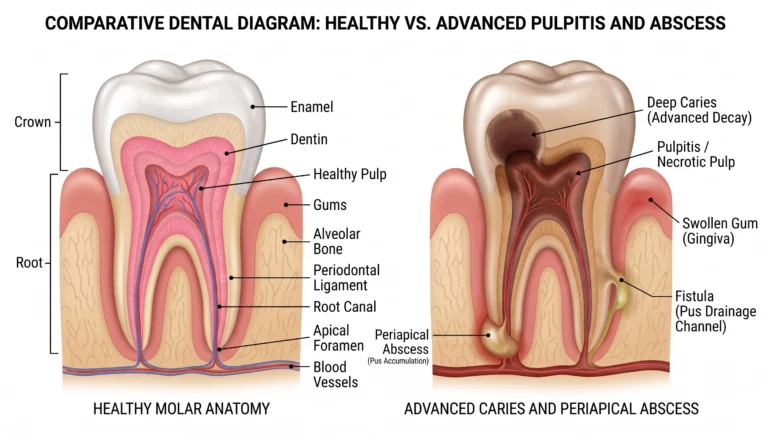
- Gum abscess formation.
- Periodontal bone inflammation, which threatens the structural support of teeth.
- Links to cardiovascular events, including heart attacks.
- Associations with chronic diseases affecting the lungs and kidneys.
- Severe symptoms such as fever, increased gum pain, spontaneous bleeding, fatigue, and metallic taste.
In severe cases, dentists may prescribe antibiotics and analgesics, including ibuprofen, paracetamol, or aspirin (note: aspirin is not recommended for children under sixteen). Daily flossing remains critical to remove plaque from gum pockets, preventing abscess formation and preserving jawbone integrity.
Preventing Gum Inflammation
Neglecting oral hygiene is the primary cause of gum disease, tooth decay, and discoloration in Saudi Arabia. Proper oral care is essential to prevent discomfort and maintain daily functionality. Recommendations include:
- Consistent daily brushing with fluoride toothpaste and flossing.
- Annual dental check-ups for professional cleaning and early detection of issues.
- For individuals with chronic conditions such as diabetes or immune deficiencies, monthly dental assessments are advisable to mitigate increased risk.
Prioritizing oral hygiene ensures long-term dental health, reduces the risk of systemic complications, and maintains overall well-being.
Promotes gum health, removes plaque, and prevents gingivitis in users who prioritize oral hygiene. Encourages the use of orthodontic appliances to reach areas inaccessible to a regular toothbrush.
Effective Management and Prevention of Gum Inflammation
Gum inflammation, if not properly managed, can progress to severe dental and systemic complications. Maintaining rigorous oral hygiene through regular brushing, flossing, and dental check-ups is essential to prevent the onset of gingivitis. Early intervention, combined with professional care, not only alleviates symptoms but also safeguards teeth and overall health. Awareness of contributing factors, including smoking, medications, and hormonal changes, further enhances prevention efforts. Prioritizing gum health ensures both oral and general well-being.
Related Dental Topics
FAQs about Gum Inflammation
What is gum inflammation?
Can you explain what gum inflammation is?
Gum inflammation, also known as gingivitis, is redness and swelling of the gums caused by bacterial accumulation.
What causes gum inflammation?
Why do gums become inflamed?
Poor oral hygiene, smoking, certain medications, hormonal changes, and genetic factors can cause gum inflammation.
What are the symptoms of gum inflammation?
How can I tell if I have gum inflammation?
Common symptoms include swollen or red gums, bleeding while brushing, pain, and occasional bad breath.
How can gum inflammation be treated?
What treatments are available for gingivitis?
Treatment includes professional dental cleaning, proper brushing and flossing, and, in some cases, prescribed medications.
Can gum inflammation cause tooth loss?
Is it possible to lose teeth from gingivitis?
Yes, untreated gum inflammation can damage the supporting structures of teeth, leading to tooth mobility and loss.
How can gum inflammation be prevented?
What are the best ways to prevent gum disease?
Regular brushing, flossing, dental check-ups, avoiding smoking, and using antibacterial mouthwash help prevent gum inflammation.
Does smoking affect gum health?
How does smoking impact gums?
Smoking increases the risk of gum disease and reduces the healing capacity of gum tissues.
Are there home remedies for gum inflammation?
Can I treat gum inflammation at home?
Saltwater rinses, green tea, and clove oil may reduce discomfort, but professional treatment is essential for complete healing.
Can medications cause gum inflammation?
Do some drugs trigger gum problems?
Yes, certain medications like antihypertensives, antidepressants, and allergy drugs can reduce saliva and contribute to gum inflammation.
Is gum inflammation linked to other health issues?
Can gingivitis affect overall health?
Yes, studies show connections between gum disease and cardiovascular disease, diabetes, and other chronic conditions.
Sources
https://ca.crest.com/en-ca/oral-care-tips/teeth-sensitivity/new-gum-sensitivity-toothpaste