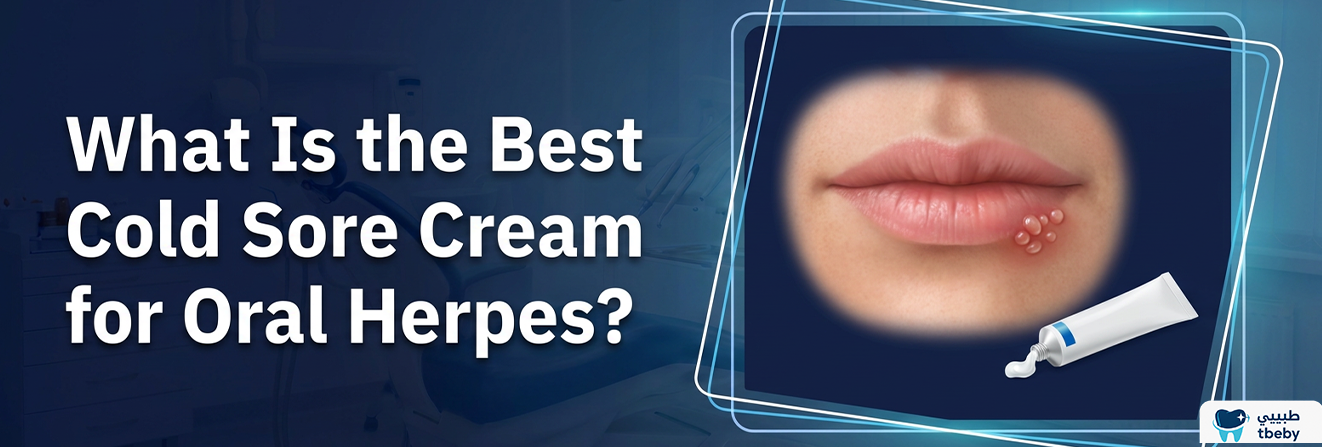

The best cold sore cream is usually an antiviral cream used as soon as the first tingling or burning begins. Aciclovir 5% is a common option for sores on the lips and face. It may help the sore heal sooner, but it does not remove the herpes virus from the body.
Choosing a cream is only part of managing an outbreak. It also helps to recognize the symptoms, prevent the virus from spreading, and know when a sore needs medical attention.
What Is Oral Herpes, and When Might You Need a Cream for Treatment?
Oral herpes is usually caused by herpes simplex virus type 1 (HSV-1). It often appears as small, painful blisters on or around the lips. After the first infection, the virus remains in the body and may become active again. Illness, stress, and sun exposure are possible triggers.
Cold sore cream is intended for an outbreak on the lips or face. It works best when treatment begins at the first sign of a sore, before blisters develop. If you have painful sores inside your mouth, ask a healthcare professional for advice before applying a skin cream. Other conditions, including oral thrush, need a different treatment.
Can Oral Herpes Spread?
Yes. Using cold sore cream does not stop a sore from being contagious. Oral herpes spreads through close contact with an infected area or saliva. It is most easily passed on when a sore is present, though transmission can also happen without visible symptoms.
To reduce the chance of spreading it:
- Avoid kissing while you have a cold sore.
- Do not share lip balm, cups, or other items that have touched your mouth.
- Wash your hands after touching the sore or applying cream.
- Avoid oral sex until the sore has completely healed.
Keep personal items to yourself during an outbreak. If brushing feels uncomfortable, use a very soft toothbrush and avoid rubbing the sore.
A cold sore can be contagious from the first tingling sensation until it has fully healed.
What Symptoms Might Lead You to Use Cold Sore Cream?
A cold sore often starts with tingling, itching, or burning. Small blisters may then appear, break, form a crust, and gradually heal.
A first oral herpes infection can sometimes cause more noticeable symptoms, such as:
- Painful sores around or inside the mouth
- Swollen or tender gums
- Fever or tiredness
- Swollen lymph nodes
- Difficulty eating or drinking
Swollen gums do not always point to herpes; gingival inflammation can have several other causes.
Not every sore on the lip is herpes. If you are unsure what is causing it, ask a healthcare professional before choosing a cold sore cream.
If a child’s gums feel tender, a soft children’s toothbrush can make gentle brushing more comfortable. If mouth pain makes it difficult for the child to drink, seek medical advice.
Which Cold Sore Cream Works Best?
There is no single cold sore cream for everyone. Aciclovir 5% cream is a commonly used antiviral treatment for sores on the lips and face, while penciclovir is another topical option. Availability and brand names vary, so check the active ingredient.
| Option | Purpose | What to know |
| Aciclovir 5% cream | Antiviral treatment for cold sores on the lips and face | Start at the first tingling or itching and follow the product directions. |
| Penciclovir cream | Another topical antiviral option | Directions and availability vary; ask a pharmacist whether it is suitable for you. |
| Cold sore patch | Covers and protects the area while it heals | A patch is not an antiviral treatment. |
The benefit of topical antivirals is generally modest and depends in part on starting early. If sores are very large, painful, or frequent, a clinician may consider antiviral tablets.
Can Children Use Cold Sore Cream?
Some children can use aciclovir cream, but the right treatment depends on their age, symptoms, and the product’s instructions. Ask a pharmacist or doctor before using cold sore cream on a child. A child with painful sores inside the mouth, swollen gums, or trouble drinking needs medical assessment rather than cream alone.
If a child has white patches on the tongue rather than blisters around the lips, the cause may be different. These tongue conditions in infants need to be identified before choosing a treatment.
Newborns need special care. Do not kiss a baby if you have a cold sore. Herpes infection in a newborn can be serious. If a newborn develops blisters, seems unwell, or feeds poorly, seek urgent medical care.
How Can You Ease Discomfort While Using Cold Sore Cream?
A cold sore cream addresses the outbreak, while simple measures can make healing more comfortable:
- Drink enough fluids, especially if eating or drinking hurts.
- Avoid acidic or salty foods if they irritate the sore.
- Ask a pharmacist about suitable pain relief if needed.
- Do not pick at the blister or scab.
- Consider a lip balm with sun protection when outdoors if sunlight triggers your outbreaks.
A cold compress wrapped in a clean cloth may also help ease soreness for a short time Hold it gently against the area without rubbing or picking at the blister.
When Should You See a Doctor Instead of Relying on Cold Sore Cream?
Seek medical advice if a cold sore has not started to heal within about 10 days, is unusually large or painful, or appears alongside swollen gums and sores inside the mouth. You should also get advice if you have a weakened immune system. A sore near the eye, eye pain, or changes in vision need prompt assessment.
Frequently Asked Questions About Cold Sore Cream
The answers below cover the practical questions people often have when choosing and using a treatment.
Which Cold Sore Cream Is Suitable for a First Outbreak?
Aciclovir 5% cream is a common option for a sore on the lips or face. A first outbreak with extensive mouth sores or difficulty drinking should be assessed by a clinician.
When Should You Start Using Cold Sore Cream?
Start at the first tingling, itching, or burning sensation. Antiviral creams may be less effective after blisters appear.
How Often Should You Apply Aciclovir Cold Sore Cream?
The NHS advises applying a thin layer five times daily, about four hours apart. Check your own product’s directions.
Can Cold Sore Cream Cure Oral Herpes?
No. Antiviral cream may help manage an outbreak, but it does not remove the virus from the body.
Can You Put Cold Sore Cream Inside Your Mouth?
Do not put standard aciclovir cold sore cream inside your mouth. It is intended for affected skin on the lips and face.
Is Antibiotic Cream the Same as Cold Sore Cream?
No. Antibiotics do not treat the herpes virus. If you think the sore has developed a separate bacterial infection, ask a clinician to examine it.
Can You Spread Herpes Before Applying Cold Sore Cream?
Yes. A cold sore can be contagious from the first tingling sensation, before a blister becomes visible.
Is Cold Sore Cream Enough to Protect a Baby?
No. Do not kiss a baby while you have a cold sore, and wash your hands after touching the affected area. Neonatal herpes can be serious.
Why Do Sores Return Despite Using Cold Sore Cream?
The virus remains in the body after an outbreak heals and can reactivate. Cream treats the current sore; it does not prevent every future outbreak.
When Might You Need Antiviral Tablets Instead of Cold Sore Cream?
Ask a clinician if your outbreaks are very large, painful, or frequent, or if you have a weakened immune system. Tablets may be more suitable in some cases.
source
https://www.who.int/news-room/fact-sheets/detail/herpes-simplex-virus