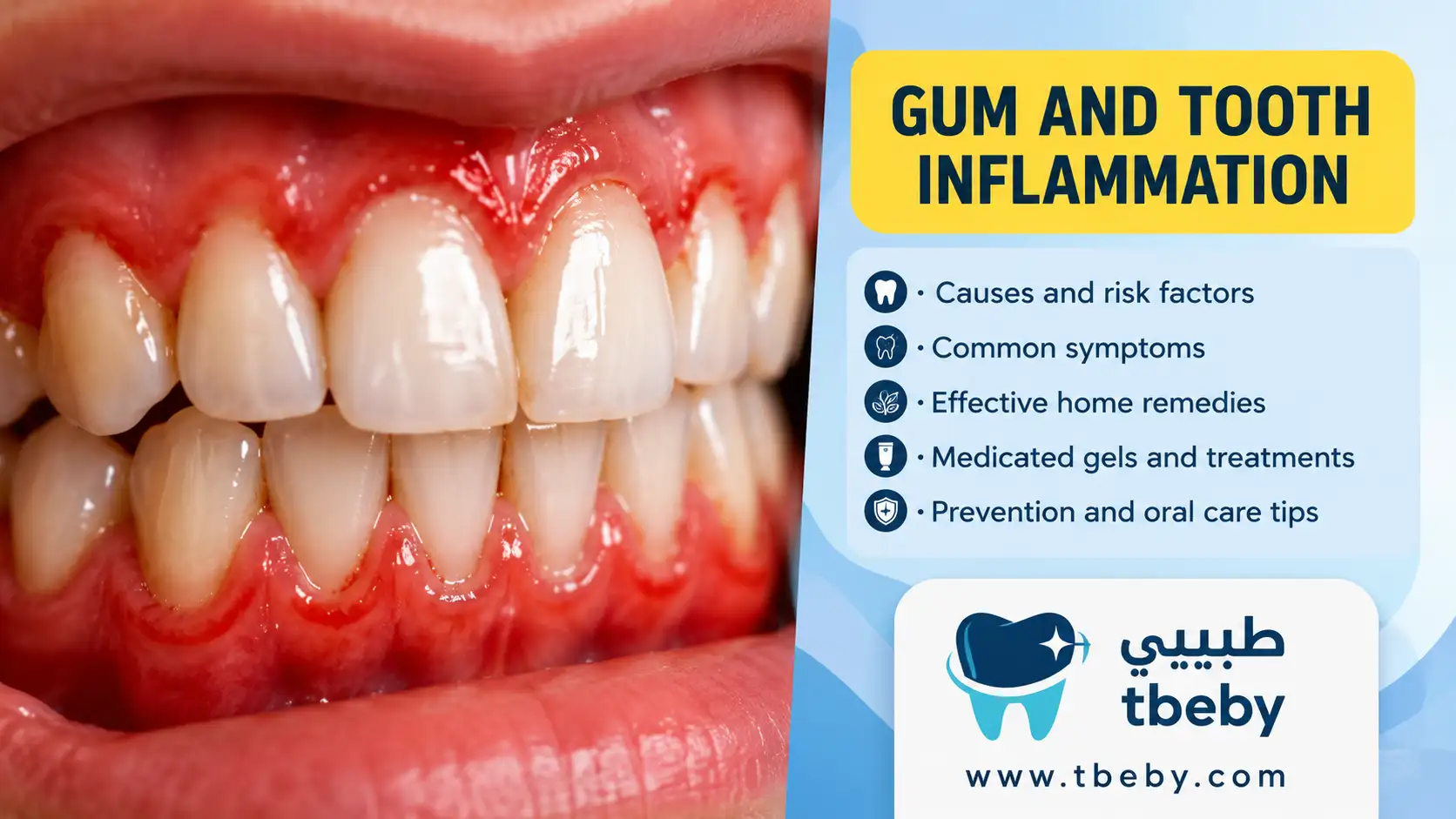

Gum and tooth inflammation is one of the most common oral health conditions affecting millions of people worldwide. Understanding its causes, symptoms, and treatment options is essential for maintaining a healthy smile. In this comprehensive guide, we explore the most effective home remedies and medicated gels available for managing this painful condition.
What Is Gum and Tooth Inflammation?
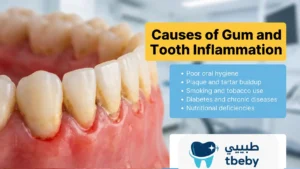
Gum and tooth inflammation is a common oral condition affecting the gums, teeth, and surrounding soft tissues. Bacterial and fungal overgrowth within the oral cavity is the primary cause of this problem and is often linked to poor oral hygiene.
If left untreated, the condition can gradually worsen, causing significant damage to the teeth and surrounding tissues. In advanced cases, the supporting structures of the teeth may deteriorate, leading to tooth mobility and eventual tooth loss. The condition may also be associated with genetic factors or systemic diseases such as diabetes and cardiovascular disorders.
In most cases, naturally occurring oral bacteria multiply rapidly when oral hygiene is neglected, resulting in inflammation, swelling, and discomfort.
To support daily oral care and help manage gum sensitivity, you can use Sensitive Gum Relief Toothpaste, specially formulated for sensitive gums and teeth.
Causes of Gum and Tooth Inflammation
Before discussing treatment options, it is important to understand the primary causes of gum and tooth inflammation:
- Poor oral hygiene and inadequate brushing or flossing.
- Accumulation of food debris between the teeth.
- Certain medications that increase susceptibility to oral infections.
- Chronic diseases such as diabetes, heart disease, and HIV/AIDS.
- Genetic predisposition to periodontal disease.
- Tooth sensitivity and weakened enamel.
- Poor nutrition and vitamin deficiencies.
- Excessive sugar consumption.
- Smoking and tobacco use.
- Plaque and tartar buildup on tooth surfaces.
Herbal Remedies for Treating Gum Inflammation at Home
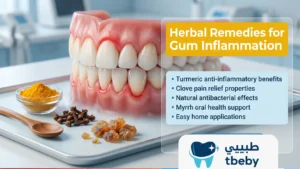
Many people prefer natural approaches to relieve oral discomfort and support gum health.
1. Turmeric Gel
Turmeric is one of the most effective natural remedies for gum and tooth inflammation. It contains curcumin, a compound known for its powerful anti-inflammatory, antibacterial, and antifungal properties.
2. How to Use:
Mix one teaspoon of turmeric powder with one teaspoon of coconut oil until a smooth paste forms. Apply the mixture directly to the affected area and leave it for approximately seven minutes before rinsing thoroughly with water.
3. Myrrh for Gum Infections
Myrrh (Commiphora myrrha) has been used for centuries as a natural oral antiseptic. It may help reduce pain, promote healing of oral ulcers, and combat bad breath caused by bacterial overgrowth.
4. Clove for Dental Pain Relief
Clove is one of the most popular natural remedies for oral discomfort. It contains eugenol, a natural compound that acts as a local anaesthetic and possesses strong anti-inflammatory and antibacterial properties.
Clove can be used in several ways:
- Chew a whole clove near the affected area.
- Place a clove directly on the painful tooth.
- Prepare a clove mouth rinse by boiling cloves in water for five minutes.
- Apply clove oil carefully to the inflamed area.
For additional benefits, combine turmeric powder with crushed cloves and a small amount of water to create a paste. Apply it to the gums for five minutes, then rinse thoroughly.
For additional support in soothing irritated gums and promoting gum recovery, you can use Gum Repair Foam as part of your daily oral care routine.
Medicated Gels for Managing Gum Inflammation
The following table summarises some of the most commonly used medicated gels for managing gum and tooth inflammation:
| Product | Main Benefits | Common Uses |
| Orature Gel | Pain relief, antibacterial, and antiviral effects | Tooth inflammation, oral ulcers, teething discomfort, and post-extraction pain |
| Goo gel Gel (Jojoba-Based) | Anti-inflammatory, antibacterial, and contains lidocaine | Gum swelling, oral ulcers, cheek inflammation |
| Daktarin Gel (Miconazole) | Antifungal and antibacterial properties | Fungal infections, gum irritation, oral pain, and tonsillitis |
| Gingi Gel | Protective barrier, pain relief, suitable for children over 3 years | Gum inflammation, bleeding gums, oral irritation |
1. Orature Gel
Orature Gel contains anaesthetic ingredients that help reduce pain while combating microorganisms responsible for oral infections.
2. Goo gel Gel (Jojoba-Based Gel)
This formulation contains jojoba oil, which is known for its anti-inflammatory and antibacterial properties. It also contains lidocaine to help relieve pain and discomfort.
3. Daktarin Gel (Miconazole)
Daktarin Gel is particularly effective against fungal infections of the oral cavity. It helps eliminate a broad range of microorganisms and is commonly used for oral irritation and inflammatory conditions.
4. Gingi Gel
Gingi Gel is suitable for children over three years of age. It helps protect the gums from irritation and bleeding while creating a protective barrier against bacterial contact.
To help strengthen tooth enamel and support long-term oral health, you can use Hydroxyapatite Toothpaste, a modern fluoride-free option designed to remineralise teeth and protect sensitive areas.
Your Next Step Toward a Healthy Smile
Gum and tooth inflammation should never be ignored. Natural remedies such as turmeric, clove, and myrrh may provide temporary relief, while medicated gels can help manage symptoms more effectively. However, maintaining excellent oral hygiene remains the most important step in preventing future problems.
If symptoms persist or worsen, consult a qualified dental professional for proper diagnosis and treatment.
Frequently Asked Questions
How can gum inflammation be treated at home?
What are the best home remedies for swollen gums?
Warm saltwater rinses and natural remedies such as turmeric or clove may help reduce discomfort.
What is the best gel for gum inflammation?
Which medicated gel is commonly used for gum pain?
Oral and Daktarin are among the most commonly used options, depending on the cause.
Can gum disease lead to tooth loss?
Is tooth loss a possible consequence of untreated gum inflammation?
Yes, advanced periodontal disease can damage supporting tissues and lead to tooth loss.
How does clove help relieve tooth pain?
Why is clove recommended for dental discomfort?
Clove contains eugenol, a natural anaesthetic with anti-inflammatory properties.
What causes gum and tooth inflammation?
Why do gums become swollen and painful?
The most common cause is plaque and bacterial accumulation due to poor oral hygiene.
Is Gingi Gel safe for children?
Can children use Gingi Gel for gum problems?
Yes, it is generally considered suitable for children over three years old.
Does diabetes increase the risk of gum disease?
Can diabetes affect oral health?
Yes, diabetes can weaken the body’s ability to fight oral infections.
How do I prepare a turmeric paste for gums?
What is the correct way to use turmeric for gum inflammation?
Mix turmeric powder with coconut oil and apply it briefly to the affected area.
Does smoking affect gum health?
How does tobacco use contribute to gum disease?
Smoking reduces blood flow to the gums and increases the risk of infection.
What are the benefits of myrrh for oral health?
Why is myrrh used for gum and dental problems?
Myrrh acts as a natural antiseptic that may help reduce pain and oral irritation.
https://www.cdc.gov/oral-health/data-research/facts-stats/fast-facts-gum-disease.html