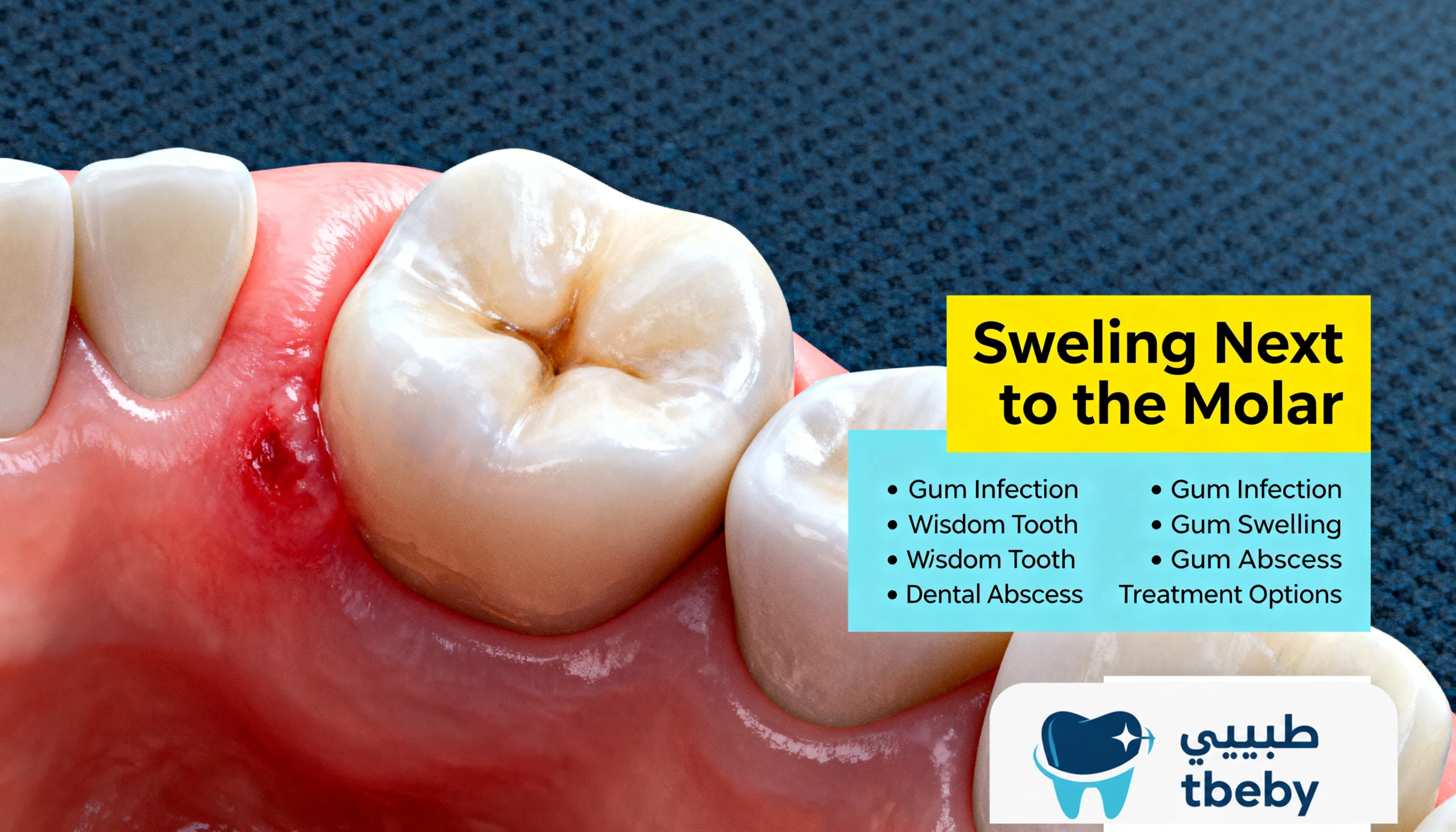

Swelling next to the molar is a condition that some individuals may notice, particularly around the wisdom teeth. This swelling is often accompanied by severe redness, inflammation, and pain in the gums and surrounding teeth. Several factors can contribute to this swelling, and a range of treatment and preventive approaches are available to address it.
This article provides a comprehensive overview of the causes, symptoms, and treatment options associated with this condition, offering readers the information needed to identify the problem and seek timely care.
Gum Swelling Under the Molar
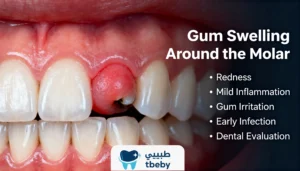
Several factors can lead to gum swelling beside or beneath the molar, and the condition may be diagnosed in more than one way. In many cases, the swelling results from an abscess forming beneath the molar or within the gum tissue, leading to visible inflammation.
The swelling may also stem from a mild infection of the mouth and gums that has not yet progressed into a collection of pus, or it may result from inflammation of the soft tissue surrounding the tooth.
This condition frequently occurs near the wisdom teeth, which emerge at the back of the jaw during the later stages of adolescence. As the wisdom tooth erupts, it pushes against the gum and surrounding tissue, creating a small space beneath the gumline.
Over time, this space accumulates food debris and bacteria, which can result in swelling beside the molar and, in some cases, the formation of a pus collection that requires immediate treatment.
You can use Medical Gauze to apply gentle pressure and help reduce swelling and minor bleeding under the molar.
Causes of Swelling Next to the Molar
Several factors may lead to swelling next to the molar, including the following:
1. Oral Infection
An active bacterial or fungal infection in the mouth is among the leading causes of this swelling. The spread of infection leads to inflammation, redness, and swelling of the gums and may eventually progress into a collection of pus that appears as a mass beside the molar.
The infection is not necessarily confined to the mouth itself; infections elsewhere in the body can also affect dental and gum health. An upper respiratory tract infection, for instance, allows bacteria to travel more easily to the mouth and settle within the mucosal cells of the gums, resulting in swelling and other gum-related complications.
2. Neglecting Dental Hygiene
Poor oral hygiene is one of the primary causes of swelling beside the molar. Failing to brush the teeth after meals, or at least twice daily, leaves the mouth vulnerable to bacterial activity and the spread of germs, which in turn causes swelling.
The accumulation of plaque and tartar on the teeth and gums increases gum sensitivity and recession, making the tissue more susceptible to severe inflammation and swelling.
Excessive smoking or alcohol consumption may also contribute to swelling around the teeth, as both habits are known to damage gum and dental health.
3. Swelling Next to the Wisdom Tooth
As mentioned earlier, the growth of wisdom teeth increases the likelihood of swelling beside the tooth due to the space that forms beneath the gum or the development of gum flaps that trap food debris and bacteria, eventually leading to inflammation and swelling.
This issue is particularly common with wisdom teeth because of their position at the back of the mouth, which makes them difficult to reach with a regular toothbrush. It is also challenging to use interdental brushes or dental floss in this area, allowing food debris and tartar to accumulate and infection to spread.
4. Dental Restorations
Certain dental restorations, such as fillings, braces, crowns, and bridges, can cause gum sensitivity and swelling. Additionally, some medications or materials used during treatment may lead to dry mouth, which can contribute to swelling beside the molar.
5. Other Causes
Several other factors may contribute to gum swelling around the molar, including diabetes and immune system disorders such as HIV. Psychological stress and nervous tension can also lead to gum swelling, and genetic factors may play a role as well.
You can use Gum Repair Foam to support gum tissue recovery while addressing the underlying cause of swelling next to the molar.
Symptoms of Swelling Next to the Molar
Several symptoms indicate the presence of gum swelling that requires prompt diagnosis and treatment. The most common and significant symptoms include:
| Symptom | Description |
| Visible gum swelling | Noticeable enlargement of the gum tissue |
| Fluid retention | Swelling caused by fluid buildup in the gums |
| Pus or abscess formation | A pus-filled mass appears in the gum beside the molar. |
| Pain or difficulty opening the mouth. | Discomfort when opening the mouth or speaking |
| Pain while swallowing | Discomfort felt during swallowing. |
| Elevated body temperature | Fever accompanying the swelling |
| Reduced appetite | Decreased desire to eat |
| Lymph node swelling | Swollen lymph nodes in the neck beneath the jaw |
Gum Swelling Around the Molar Without Pain
Swelling beside the molar is not always accompanied by severe pain. In some cases, the gum may appear swollen without any accompanying discomfort, which is a relatively common presentation.
This condition often results from mild gum inflammation caused by improper use of dental hygiene tools, such as a hard-bristled toothbrush or an overly aggressive electric toothbrush, which can cause minor erosion of the surface gum cells and lead to swelling.
Excessive or forceful use of dental floss can also cause gum swelling around the molar or other teeth. In addition, certain gum diseases may initially present as painless swelling without any other noticeable symptoms.
Hormonal changes, particularly in women during pregnancy, breastfeeding, or puberty, can also cause gum swelling, which is generally a normal occurrence that resolves over time.
If swelling next to the molar is observed without pain, it should not be ignored. Seeking prompt dental evaluation is essential to identify the underlying cause and prevent the condition from progressing into a more serious, chronic problem.
You can use Sensitive Gum Toothpaste to help soothe painless swelling around the molar with regular use.
When Does Swelling Next to the Molar Subside
Gum inflammation around the teeth typically lasts from one week to several weeks, depending on the severity of the condition and how promptly the patient seeks treatment. It is therefore advisable to consult a dentist within two weeks of noticing the swelling to prevent the problem from worsening.
When treatment is initiated promptly and followed as prescribed, the swelling can subside within approximately one week of starting medication. If no improvement is noted, it is important to return to the dentist for further evaluation.
Treatment for Swelling Next to the Molar
If the swelling results from a pus collection or abscess in the gum, the dentist may perform a minor surgical procedure to drain the pus or carry out a root canal treatment and cleaning of the molar if the abscess is located beneath the tooth.
In cases of severe swelling near a wisdom tooth, the dentist may recommend complete extraction of the tooth along with sterilization of the surrounding area to resolve the swelling.
Following the procedure, antibiotics are typically prescribed to prevent further bacterial activity and reduce the likelihood of recurring swelling. Anti-inflammatory medications and pain relievers may also be used to manage discomfort.
In some cases, dental restorations may need to be adjusted or removed to resolve the swelling. In essence, identifying and addressing the root cause of the problem is the most effective way to treat the swelling itself.
Maintaining proper dental hygiene is essential for managing this condition, along with using a toothpaste suited to gum sensitivity and a soft-bristled toothbrush to avoid further irritation.
In conclusion, this article has provided a comprehensive overview of the causes and treatment methods associated with swelling beside the molar. We hope this information proves helpful.
Your Smile Deserves Care: A Comprehensive Guide to Overcoming Gum Swelling and Pain
The appearance of swelling next to the molar is a warning sign that should not be ignored. It may range from minor inflammation caused by improper brushing to a pus collection or abscess requiring urgent care. Recovery relies on consistent oral hygiene and prompt consultation with a dentist to identify the underlying cause. Do not let the pain worsen; explore more expert guidance at tbeby.com.
FAQs About Swelling Next to the Molar
What are the main causes of gum swelling besides the molar?
Why does sudden swelling occur in the tissue surrounding the teeth?
Swelling is often caused by bacterial infection, poor hygiene, an emerging wisdom tooth, or complications from dental restorations.
Can the gum swell beside the tooth without any pain?
What does noticeable, painless swelling around the molar mean?
Yes, this can result from surface-level irritation due to aggressive brushing or hormonal changes and should still be evaluated by a dentist.
When does the swelling beside the molar completely disappear?
How long does gum swelling around the teeth typically last before resolving?
Swelling generally lasts one to two weeks and resolves faster with prescribed treatment and diligent oral hygiene.
Why does the gum become inflamed and swollen specifically near the wisdom tooth?
What causes the recurring swelling associated with wisdom tooth growth?
Its hard-to-reach position allows bacteria and food debris to accumulate beneath the gum, leading to significant inflammation.
What is the effective medical treatment for gum swelling beside the molar?
How can I permanently get rid of swelling around the teeth?
Treatment includes professional dental cleaning, antibiotics, or surgical drainage and root canal therapy when necessary.
How can I distinguish between simple gum inflammation and a serious dental abscess?
What signs indicate that swelling has developed into a pus collection?
An abscess typically causes severe, throbbing pain, a visible pus-filled mass, fever, and difficulty swallowing.
How should I care for my teeth daily to prevent this type of swelling?
What home prevention methods protect the gums from swelling and inflammation?
Brush gently with a soft toothbrush at least twice daily and use dental floss and mouthwash carefully and regularly.
When should I see a dentist immediately after noticing swelling?
What warning signs require urgent dental care for gum swelling?
Seek immediate care if swelling persists beyond two weeks or is accompanied by fever, weakness, or difficulty swallowing or opening the mouth.
Can dental restorations or braces cause gum swelling?
Are crowns, bridges, and fillings linked to inflammation of the surrounding tissue?
Yes, certain restorations can cause sensitivity or friction leading to gum inflammation, requiring adjustment or removal.
Do chronic conditions like diabetes affect gum health and cause swelling?
Is there a link between general health issues and persistent gum weakness or swelling?
Yes, chronic conditions such as diabetes and a weakened immune system, along with stress, significantly increase susceptibility to gum inflammation.
Sources: https