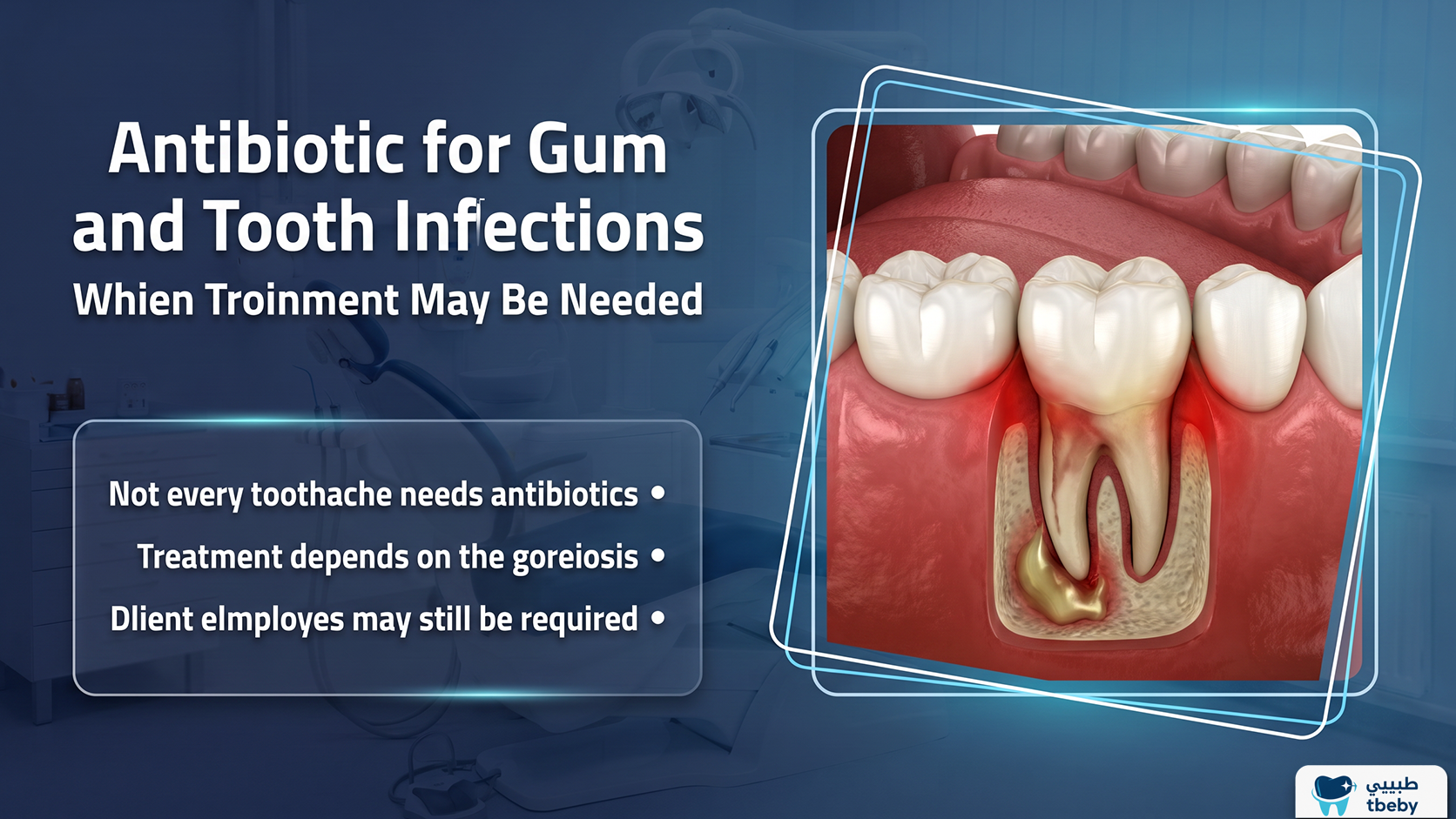

Choosing an antibiotic for gum and tooth infections starts with identifying the cause. Bleeding gums, toothache, and swelling can have different explanations, and many cases need dental treatment rather than antibiotics.
There is no single medicine that is the strongest or best for everyone. The right treatment depends on the diagnosis, the severity of the infection, and your medical history.
What Causes Gum Inflammation?
Plaque buildup is the main cause of gingivitis. Certain health conditions and habits can also make the gums more vulnerable.
1. Plaque and Cleaning Habits
Plaque is a sticky bacterial film that collects on teeth. When it remains around the gumline, it can cause redness, swelling, and bleeding common signs of gum disease. Hardened deposits, called tartar, require professional removal.
Brushing too hard can injure the gums. Use gentle pressure and a soft toothbrush rather than stopping brushing because your gums bleed.
2. Health Conditions and Other Risk Factors
Factors associated with gum disease include:
- Smoking and other tobacco use.
- Diabetes, especially when blood sugar is poorly controlled.
- Hormonal changes, including during pregnancy.
- Medicines that affect saliva production or gum tissues.
- Genetic susceptibility and certain underlying illnesses.
Tell your dentist about your medicines and medical history before discussing an antibiotic for gum and tooth infections.
When Is an Antibiotic for Gum and Tooth Infections Needed?
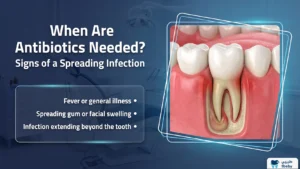
A dentist considers the diagnosis, signs of spreading infection, and your overall health before prescribing treatment.
1. Gingivitis and Periodontal Disease
Simple gingivitis usually needs professional cleaning and better daily plaque removal. Using appropriately sized interdental brushes can help clean between teeth as part of this routine. Advanced periodontitis may require cleaning below the gumline or specialist treatment.
An antibiotic for gum and tooth infections may be used in selected periodontal cases, but it does not replace cleaning. Certain acute conditions, such as necrotising gum disease, sometimes require antibiotics when systemic symptoms or persistent swelling are present.
2. Tooth Infections and Dental Abscesses
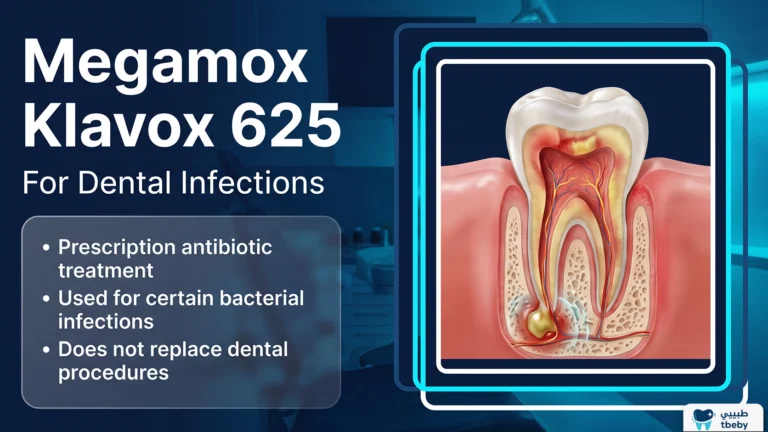
A tooth abscess may need drainage, root canal treatment, or extraction. Antibiotics are more likely to be needed when infection spreads or causes fever or general illness. Treatment requires individual assessment when immediate dental care is unavailable.
An antibiotic for gum and tooth infections cannot remove decay or repair an infected tooth.
Which Antibiotic for Gum and Tooth Infections Is Suitable?
Selecting an antibiotic for gum and tooth infections depends on the diagnosis, allergy history, and other medicines. When an abscess is involved, the best antibiotic for tooth abscess depends on whether medication is needed alongside drainage or other dental treatment.
| Medicine | Possible Role | Main Consideration |
| Penicillin V | Selected bacterial dental infections when antibiotics are indicated | Avoid with a relevant penicillin allergy |
| Amoxicillin | Another option for selected dental infections | Belongs to the penicillin family and can cause allergic reactions |
| Metronidazole | Certain acute periodontal infections or other selected dental infections | Has important medicine interactions and alcohol precautions |
| Clindamycin | Reserved for particular circumstances after clinical assessment | Carries a significant risk of antibiotic-associated colitis |
Safe Use and Possible Side Effects
Once an antibiotic for gum and tooth infections is prescribed, follow the exact dose, duration, and review instructions provided.
- Do not use leftover antibiotics or share them.
- Do not increase the dose or combine medicines yourself.
- Discuss pregnancy, breastfeeding, kidney disease, allergies, and other medication.
- Contact the prescriber if symptoms worsen or fail to improve as expected.
- Follow any instructions to change or stop treatment after reassessment.
Nausea, diarrhoea, and rash can occur. Seek emergency help for breathing difficulty or swelling of the lips, tongue, or throat. Severe, persistent, or bloody diarrhoea needs prompt medical attention.
Can Oral Gels Treat Inflamed Gums?
Oral gels contain different ingredients and serve different purposes. They should not all be described as antibiotics.
1. Daktarin Oral Gel
Daktarin contains miconazole, an antifungal used for oral thrush. It is not an antibiotic for gum and tooth infections and does not treat an ordinary bacterial tooth abscess.
White patches or a sore mouth need assessment rather than self-diagnosis. Miconazole can interact dangerously with warfarin; people taking warfarin should not use the over-the-counter gel.
2. Hyaluronic Acid Gum Gels
Products such as Gengigel contain hyaluronic acid rather than an antibiotic. They may be used as supportive products when appropriate, but they cannot remove tartar, drain an abscess, or replace periodontal treatment.
Follow the product instructions and age restrictions, especially when considering a gel for a child.
3. Teething Gels for Children
Teething gels are not treatments for bacterial gum infections. Formulations differ, so check the ingredients rather than assuming a brand is suitable for every child.
A child with bleeding gums, pus, or facial swelling needs professional assessment.
Home Care for Sore Gums and Teeth
Supportive care can reduce discomfort and plaque buildup. It cannot replace an antibiotic for gum and tooth infections when one is clinically necessary.
1. Daily Cleaning and Temporary Relief
- Brush twice daily with fluoride toothpaste and gentle pressure.
- Clean between teeth daily with a suitable interdental tool.
- Choose soft foods if chewing hurts.
- Avoid very hot or cold foods that trigger pain.
- Ask a pharmacist about suitable pain relief and follow the label.
- Avoid tobacco while the tissues heal.
An electric toothbrush can help with daily brushing when used correctly.
2. Are Natural Remedies a Substitute for Antibiotics?
Garlic, olive leaf extracts, coconut oil, cloves, and tea have not been established as reliable treatments for a dental abscess.
Applying raw garlic or concentrated oils can irritate or injure oral tissues. Do not swallow tea tree oil.
Temporary relief does not mean an infection has resolved. Avoid relying on herbal remedies while swelling or tooth pain continues.
When to Seek Urgent Dental Care
A suspected abscess needs urgent dental assessment. Seek emergency medical help if swelling affects breathing, swallowing, or the eye.
Other warning signs include:
- Fever with dental swelling.
- Rapidly increasing facial swelling.
- Marked difficulty opening the mouth.
- Severe or worsening pain with swelling.
Even if you have started an antibiotic for gum and tooth infections, worsening symptoms require reassessment.
Frequently Asked Questions About an Antibiotic for Gum and Tooth Infections
These answers address common concerns, but the right treatment depends on a dental examination.
What Is the Strongest Antibiotic for Gum and Tooth Infections?
There is no universally strongest option. The best choice depends on the diagnosed infection and your medical history.
Does Gingivitis Always Need Antibiotics?
No. Plaque-related gingivitis usually responds to professional cleaning and consistent oral hygiene.
Can Amoxicillin Treat a Tooth Abscess?
It may be prescribed when indicated, but the affected tooth usually also needs drainage, root canal treatment, or extraction.
Is Clindamycin Suitable for Everyone With Penicillin Allergy?
No. Its serious diarrhoea risk means alternatives and the nature of the allergy should be assessed first.
How Long Should I Take Dental Antibiotics?
Follow your prescription and review instructions. Duration varies with the infection, medicine, and response to treatment.
Is Daktarin an Antibiotic?
No. It is an antifungal used for oral thrush, not a treatment for a bacterial tooth abscess.
Can Gum Gels Replace Professional Cleaning?
No. Gels cannot remove hardened tartar or treat the underlying damage caused by advanced gum disease.
Are Dental Antibiotics Safe During Pregnancy?
Some may be used when needed. Tell your dentist you are pregnant so they can select an appropriate medicine.
Can Garlic or Clove Oil Cure a Dental Infection?
They are not reliable cures. Direct application may also irritate or burn oral tissues.
What if Swelling Gets Worse While Taking Antibiotics?
Seek urgent reassessment. Breathing or swallowing difficulty, eye involvement, or rapidly spreading swelling requires emergency help.
Source:
National Institute of Dental and Craniofacial Research — Periodontal (Gum) Disease