
Relieving tooth extraction pain is one of the most common concerns among dental patients, and in Egypt, it is a leading reason for many delays in necessary procedures.
The truth is, tooth extraction pain can be significantly minimized when patients follow the right steps before, during, and after the procedure. Egyptian dental specialists consistently emphasize that inflammation control, oral hygiene, and psychological readiness all play a critical role in how much discomfort a patient experiences.
This guide offers a clear, evidence-based roadmap for relieving tooth extraction pain at every stage of the process.
Relieving Tooth Extraction Pain
Many people seek to understand the best methods for relieving tooth extraction pain, which can be considerably distressing. It can be stated that minimizing this pain requires certain practices on the part of the patient, both before and after the extraction, as well as measures taken by the dentist during the procedure itself. These aspects will be examined throughout this article.
You can use 80 Piece Interdental Brushes to gently clean around the extraction site and maintain oral hygiene during recovery.
Before the Extraction
The following practices contribute meaningfully to relieving Tooth Extraction pain:
- Treat Existing Inflammation. Inflamed tissues reduce anesthetic effectiveness, causing pain during and after extraction. Address inflammation before proceeding.
- Maintain Oral Hygiene. Reducing bacterial load before extraction lowers the risk of post-operative infection and discomfort.
- Inform Your Dentist: Fully disclose all medications and medical conditions to avoid drug interactions and allow proper treatment planning.
- Ensure Psychological Readiness. Anxiety and stress lower the pain threshold, making discomfort more likely even under normal circumstances.
During the Extraction
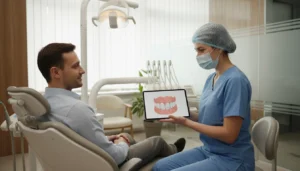
The patient’s adherence to all pre-operative practices contributes substantially to relieving tooth extraction pain. The dentist also employs specific anesthetic techniques during the procedure, summarized below:
| Anesthesia Type | How It Works | Consciousness | Best For |
| Local Anesthesia | Topical gel on the gum + injectable solution to numb the tooth | Fully conscious | Most routine extractions |
| Sedation Anesthesia | Oral tablet or IV sedative to calm the patient | Conscious but relaxed | Moderately complex procedures |
| General Anesthesia | Inhaled or IV agent; monitored by specialists | Fully unconscious | Complex or high-anxiety cases |
You can use White Gauze Medical Bandage to protect and cover the extraction site immediately after the procedure, helping control bleeding and support initial healing.
Methods for Relieving Pain After Tooth Extraction
Post-extraction pain, whether following wisdom tooth removal or any other dental extraction, can be effectively managed through adherence to the following essential practices:
1. Following all the dentist’s instructions
This can be considered the most effective single measure for relieving wisdom tooth extraction pain, specifically, and all dental extractions in general.
2. Taking prescribed medications
particularly analgesics. As for the question of which painkiller is best after tooth extraction, this varies from case to case, and the treating dentist is best positioned to determine the most appropriate option for each individual patient.
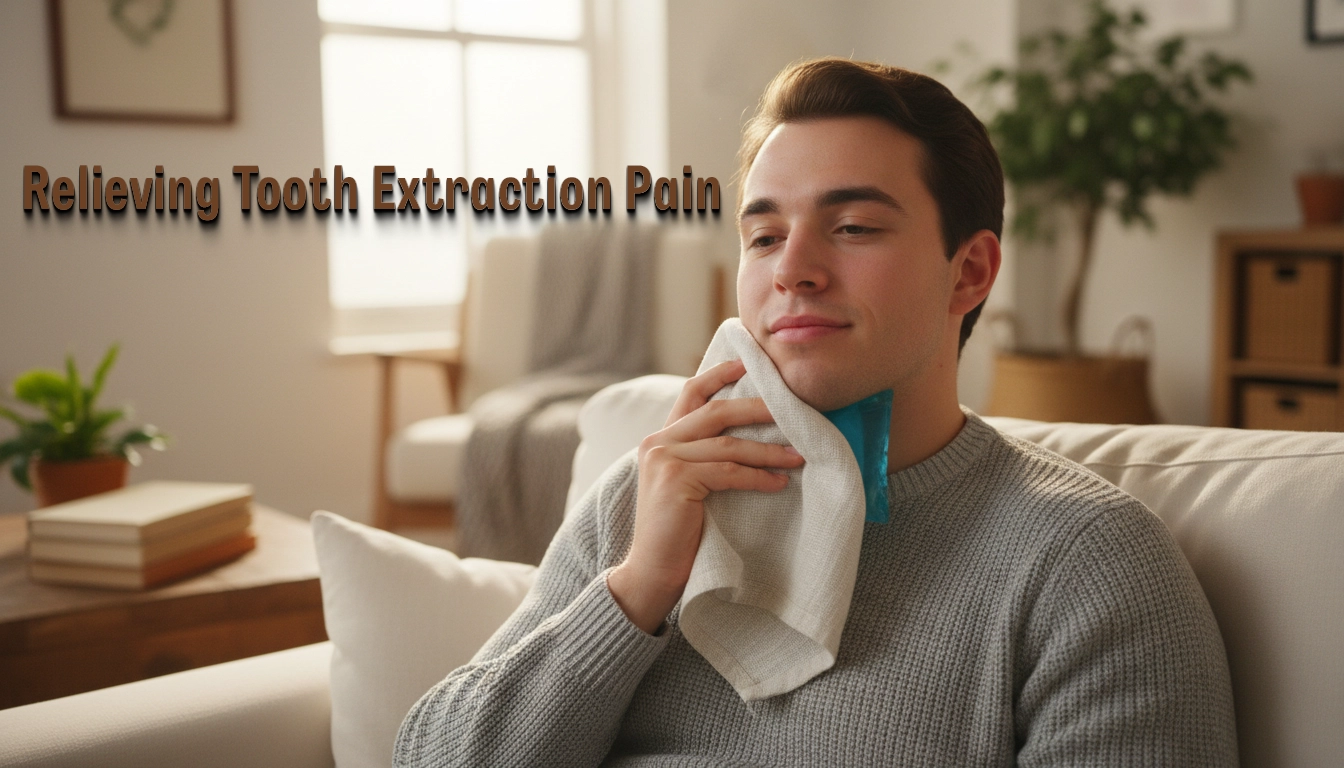
3. Applying ice packs
to the skin overlying the extraction site, but only within the first 24 hours. Beyond this period, cold compresses may become ineffective or may actually prolong the healing process.
4. Transitioning to warm compresses
After the initial 24-hour period, replace the cold application entirely.
5. Ensuring complete rest
to enable blood cells to carry out their healing function, reduce post-extraction complications, and achieve multiple additional recovery benefits.
6. Consuming only soft, non-hot foods
during the initial recovery period.
- Performing warm saline rinses
After the first 24 hours have elapsed, use water with a small amount of dissolved salt.
- Elevating the head slightly
With a pillow during rest, keeping the head at a marginally higher level than the rest of the body a measure that contributes to pain relief after extraction.
To assist in maintaining oral hygiene and preventing bacterial accumulation following tooth extraction, daily use of dental floss is recommended. Floss gently removes food debris from between the teeth and supports faster gingival healing.
Post-Extraction Care Recommendations
The following represent some of the most important recommendations to observe after tooth extraction in order to prevent such complications:
1. Controlling bleeding
In accordance with the dentist’s instructions, persistent bleeding may result in failure of the wound to heal and exposure of the jawbone, leading to significant pain.
2. Preventing and managing inflammation
through cold compresses on the first day and warm compresses thereafter, as inflammation is frequently accompanied by considerable discomfort.
3. Refraining from smoking
particularly on the first day, as smoking impairs healing and may result in pain due to delayed recovery.
4. Prioritizing rest
especially on the first day, excessive physical activity may dislodge the blood clot from the extraction site, leading to persistent bleeding, impaired healing, and resultant pain.
5. Avoiding any manipulation of the wound
with fingers, tongue, or any other object, for the same reason stated above.
6. Abstaining from using drinking straws
As the suction generated may displace the blood clot from its position.
7. Avoiding hot food and beverages
particularly during the first 24 hours, as heat can dissolve the blood clot after it has formed.
Confident Steps Toward Comfortable Recovery and a Healthy Smile
A tooth extraction does not have to mean prolonged suffering, and patients across Egypt who follow evidence-based guidance consistently recover faster and with less discomfort.
Success depends on treating pre-existing inflammation beforehand, selecting the appropriate anesthesia during the procedure, and committing to disciplined home care afterward. Rest, timely compresses, and avoiding harmful habits like smoking form the true bridge to rapid healing.
Pain is temporary, and with the right approach, oral comfort and smile health can be fully restored within just a few days.
Related Dental Topics
- Smoking After Wisdom Tooth Extraction
- Care after tooth extraction
- When Does Tooth Extraction Bleeding Stop
- Broken Tooth Extraction
FAQs About Relieving Tooth Extraction Pain
When does pain completely stop after a tooth extraction?
How long does recovery from extraction soreness take?
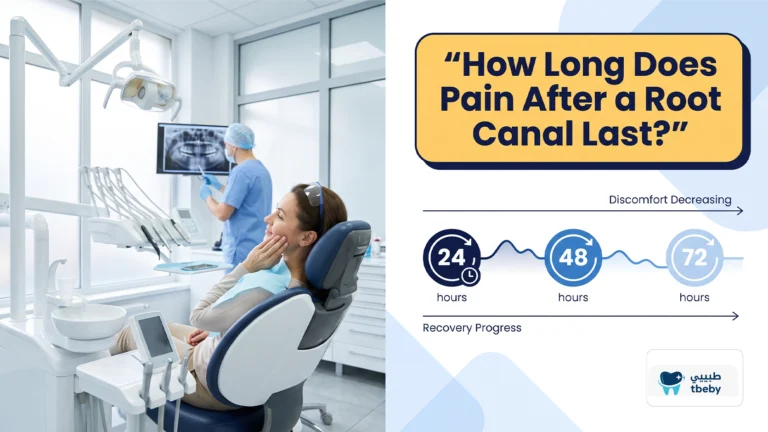
Pain typically resolves entirely within two to three days following the procedure.
Does smoking affect healing after tooth extraction?
Why do dentists advise against smoking after extraction?
Yes, smoking impairs healing and significantly increases the risk of infection and severe pain at the wound site.
When should I use cold versus warm compresses?
What is the correct timing for ice packs and warm water compresses?
Apply ice during the first 24 hours to reduce swelling; switch to warm compresses thereafter to promote healing.
What can I eat after a tooth extraction?
Which foods are appropriate on the first day after extraction?
Consume only soft, cool foods and avoid anything hot entirely.
When is it safe to rinse with salt water?
Is salt water rinsing beneficial immediately after extraction?
Begin warm saline rinses at least 24 hours after the extraction.
Why is using a drinking straw prohibited after extraction?
What is the harm of using a straw for liquids after extraction?
Suction force may displace the blood clot from the socket, causing bleeding and delayed healing.
Does pre-existing inflammation affect how well the anesthetic works?
Why must gum inflammation be treated before tooth extraction?
Yes, inflammation reduces the efficacy of local anesthesia and may cause pain during the procedure.
How does elevating the head with a pillow reduce pain?
What is the best sleeping position after a tooth extraction?
Elevating the head reduces blood pressure in the area, thereby minimizing bleeding and pain.
What is the best painkiller to take after an extraction?
How do I choose the right medication for tooth extraction pain?
The treating dentist is responsible for selecting the most appropriate analgesic based on the patient’s health status and medication history.
When must I return to the dentist immediately?
What warning signs require an urgent return to the clinic?
Return promptly if pain persists beyond three days or if intensity increases suddenly rather than gradually subsiding.
Sources:
https://www.mayoclinic.org/tests-procedures/wisdom-tooth-extraction/about/pac-20395268