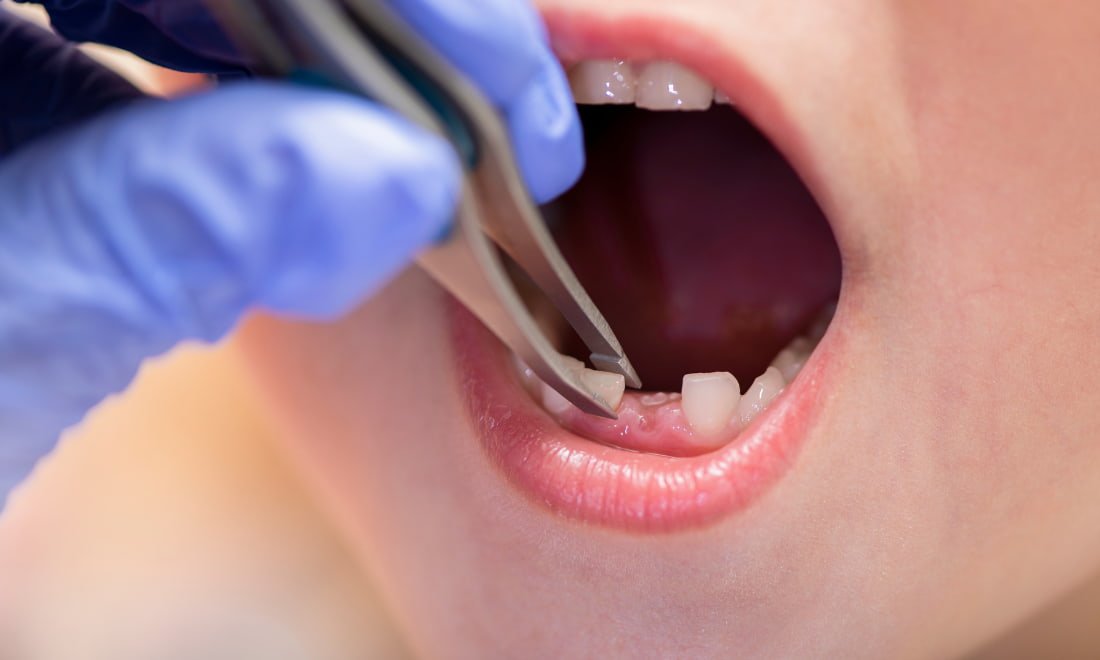

Tooth extraction for children is one of the most frequently searched dental health topics among parents in Egypt, with statistics indicating that approximately 30% of children require primary tooth extraction at an early age.
This procedure may be tied to a specific developmental stage or triggered by particular clinical circumstances, including severe decay, dental crowding, or delayed natural shedding.
Understanding when and why tooth extraction for children becomes necessary equips Egyptian parents to make informed decisions and provide appropriate support throughout the process.
With proper guidance and a child-centered approach, this experience can be managed effectively while fostering confidence and long-term oral health awareness in children across Egypt.
Overview of Primary Tooth Extraction in Children

Many parents in Egypt are unfamiliar with the nature of primary teeth. In essence, primary teeth, also referred to as milk teeth or deciduous teeth, are the first set of teeth that emerge during early childhood. They serve a critical function in guiding the proper development of the jaw, oral cavity, and subsequent permanent dentition. Under normal circumstances, primary teeth shed gradually when the time comes for permanent teeth to erupt in their place, allowing for healthy and correctly aligned permanent tooth emergence.
However, there are cases in which tooth extraction for children becomes clinically necessary, particularly when primary teeth exceed their natural shedding timeline, when they impede the proper eruption of incoming permanent teeth, or when they are affected by severe dental caries. In such instances, extraction must be performed by a qualified dental professional.
Following extraction, the affected area may require specific post-operative care. Parents in Egypt should adhere closely to the dentist’s instructions regarding oral hygiene and wound management to prevent potential complications.
You can use Coconut Pulling Oil to support post-extraction oral hygiene and maintain fresh, clean breath during the healing period.
Causes of Primary Tooth Extraction in Children
Several primary factors may necessitate tooth extraction for children, the most notable of which include:
1. Tooth Weakness
Primary teeth may exhibit structural fragility, rendering them more susceptible to fractures and decay, ultimately requiring extraction.
2. Dental Crowding In certain cases
The number of teeth exceeds the available space within the oral cavity, preventing normal alignment and development, which may necessitate the removal of select teeth.
3. 3. Trauma and Accidents
Primary teeth may sustain fractures or decay as a result of physical injuries or accidents, making tooth extraction for children necessary in such cases.
4. Harmful Oral Habits
Persistent habits such as prolonged thumb-sucking can cause dental misalignment and may contribute to the premature extraction of affected teeth, a concern commonly reported among families in Egypt.
5. Permanent Tooth Eruption
Primary teeth are gradually extracted as permanent teeth begin to emerge, with the deciduous dentition being replaced by the permanent set.
Maintaining proper oral hygiene is essential in preventing these conditions and avoiding premature tooth loss. When tooth extraction for children becomes unavoidable, consultation with a qualified dental specialist is strongly recommended to determine the most appropriate course of treatment and to safeguard long-term oral health.
You can use the Banana Baby Teether to gently massage an infant’s gums and support healthy oral development from the earliest stages.
When Is Tooth Extraction for Children Indicated?
The timing of tooth extraction for children varies according to the type of tooth involved and each child’s individual developmental trajectory. In general, tooth loss is a natural component of dental development. The following general guidelines may prove useful for parents in Egypt:
1. Primary Molars
Primary molars typically begin to loosen between the ages of 6 and 7 years and continue to shed until approximately age 12. As these molars remain in the oral cavity longer than other primary teeth, their extraction may become more common during the later stages of this developmental window.
2. Permanent Molars
Permanent molars emerge following the shedding of the primary molars and continue to develop over approximately a decade. The first permanent molar to typically appear is the third molar commonly referred to as the wisdom tooth, which generally begins to erupt between the ages of 17 and 25.
In general, children vary considerably in the timing of primary tooth shedding. In some cases, a tooth may loosen and fall out naturally without any intervention. However, if a tooth fails to shed within a reasonable timeframe, or if complications such as dental crowding arise, a dental consultation should be sought to evaluate tooth extraction for children options.
3. Clinical tip:
Engaging children in age-appropriate, positive conversations about the extraction process can help alleviate anxiety and foster a constructive association with dental care.
Tooth extraction for children is generally recommended in the following clinical scenarios:
- When teeth are causing the child significant pain that interferes with eating or sleeping
- When permanent teeth erupt behind primary teeth and begin to exert pressure
- When primary teeth have not shed by ages 12–13 and are disrupting the eruption path of permanent teeth
- When the dentist suspects infection or abscess formation in a primary tooth
- When teeth are extensively decayed and cannot be restored with fillings
- When a tooth has been structurally compromised due to trauma or injury
- When primary teeth are impacted and unable to erupt normally
Extraction is commonly performed between ages 6 and 13; however, in exceptional circumstances, earlier intervention may be warranted depending on the child’s dental health status a pattern consistently observed in pediatric dental clinics across Egypt.
Home Management of Loose Teeth in Children
In cases involving naturally loose primary teeth, it is generally preferable to allow the teeth to shed spontaneously without intervention. However, if a loose tooth is causing the child notable discomfort, the following home management strategies may be applied by parents in Egypt:
- Avoid forcibly pulling or extracting loose teeth; allow natural shedding to occur without aggressive intervention
- If a tooth is nearly ready to fall out, gently encourage the child to wiggle it using their tongue or a clean finger
- During the initial days of loosening, avoid hard or crunchy foods; soft and mashed foods are preferable to minimize discomfort
- Following natural tooth loss, a mild saline rinse prepared by dissolving a small teaspoon of salt in warm water may be used to reduce swelling and inflammation at the extraction site
- Continue to brush the remaining teeth and gums gently using a soft-bristled toothbrush with warm water
Simplified Steps for Tooth Extraction for Children
Tooth extraction for children requires a thoughtful, child-centered approach to ensure a comfortable and low-stress experience. The following steps provide a general framework:
1. Pre-Procedure Communication
Speak with the child about the procedure in age-appropriate language. Explain that the tooth will be gently removed to make room for a new permanent tooth. Use positive and encouraging language.
2. Anxiety Management
Acknowledge the child’s anxiety and provide reassurance. Encourage them to ask questions and express their concerns openly.
3. Clinical Assessment
The dentist may obtain dental radiographs to evaluate root status and surrounding bone structure. Local anesthesia will typically be administered to ensure the child’s comfort and minimize pain during the procedure.
4. Post-Procedure Encouragement
Offer the child consistent praise and positive reinforcement throughout and after the procedure. Supportive language significantly aids in calming and motivating the child.
Following tooth extraction for children, mild discomfort, including slight pain or swelling is expected. Paracetamol or mild analgesics may be administered as appropriate, and a cold compress may be applied to reduce swelling.
The Extraction Procedure and Anesthetic Approaches in Pediatric Dentistry
Tooth extraction for children is a routine clinical procedure performed safely and effectively under protocols specifically adapted to the child’s age and health status.
1. Initial Assessment
The dentist evaluates the clinical situation to determine whether extraction is indicated and identifies the most appropriate treatment plan.
2. 2. Anesthesia
The tooth and surrounding gingival tissue are anesthetized using appropriate agents. Two primary forms of anesthesia are utilized:
General Anesthesia:
The child is placed in a state of deep sedation; this approach requires close monitoring and is reserved for complex cases.
Local Anesthesia:
The oral cavity is anesthetized via injection of a local anesthetic agent. The child remains conscious throughout the procedure. This modality is considered safer for routine tooth extraction for children and is more widely employed in Egyptian dental clinics.
3. Extraction Specialized
dental instruments are used to mobilize and extract the tooth through controlled, gentle movements until it is fully separated from the surrounding gingival tissue.
4. Post-Operative Care
Following the procedure, the parent or guardian receives detailed instructions for maintaining oral hygiene and promoting healing. Analgesic medications may be prescribed at the dentist’s discretion.
Potential Complications of Tooth Extraction for Children
Understanding the indications for tooth extraction for children is critical for avoiding preventable complications. Delayed or unmonitored extraction of an infected tooth may result in adverse outcomes, including:
- Persistent pain and swelling
- Significant post-operative bleeding
- Infection requiring medical intervention
- Damage to adjacent teeth or surrounding tissues
- Disruption of permanent tooth eruption and development
Conclusion
Having thoroughly examined tooth extraction for children, it is evident that this procedure represents a clinically necessary intervention in select circumstances, aimed at preserving oral health and ensuring proper dental development. Tooth extraction for children plays a pivotal role in guiding the eruption of permanent teeth and preventing future orthodontic and periodontal complications. While the experience may be challenging for both children and parents, particularly in Egypt where dental anxiety remains common appropriate care, informed guidance, and effective communication can significantly reduce anxiety and facilitate a smooth, well-managed recovery.
Related Dental Topics
- Tooth Extraction
- Broken Tooth Extraction
- Decayed Tooth Extraction
- Does Tooth Extraction Affect Pregnant Women
FAQs About Tooth Extraction for Children
When should a child’s tooth be extracted?
At what age is tooth extraction recommended for children?
Tooth extraction for children is typically recommended between the ages 6 and 13, depending on the individual clinical condition of the child.
Can a child’s tooth be extracted at home?
Is it safe to remove a loose tooth at home?
It is generally safer to allow natural shedding; however, gentle wiggling of a nearly-loose tooth using a clean finger or the tongue is acceptable.
What anesthesia is used for tooth extraction in children?
s general anesthesia necessary for pediatric tooth extraction?
Local anesthesia is most commonly used; general anesthesia is reserved for complex cases requiring deeper sedation.
What are the risks of delayed tooth extraction in children?
What happens if a child’s infected tooth is not removed?
Delayed tooth extraction for children may lead to abscess formation, spread of infection, and disruption of permanent tooth eruption.
How long does recovery take after a tooth extraction for children?
When can a child eat normally after a tooth is pulled?
Most children recover within a few days; soft foods are recommended for approximately 2–3 days post-extraction.
Do primary teeth have roots?
Are baby teeth anchored to the jawbone like permanent teeth?
Yes, primary teeth have roots that anchor them to the alveolar bone, fulfilling their functional role until natural shedding occurs.
Will a new tooth grow after a baby tooth is extracted?
Does permanent tooth eruption occur after primary tooth removal?
The extracted primary tooth will not regrow, but the underlying permanent tooth will gradually erupt in its place.
What foods should be avoided after a tooth extraction for children?
What dietary restrictions apply following pediatric tooth extraction?
Hard, crunchy, hot, and acidic foods should be avoided; soft and cool options such as yogurt, soup, and fruit juice are recommended.
What are the signs that a child’s tooth needs to be extracted?
How do I know if my child’s tooth requires removal?
Indicators include severe pain, visible infection or abscess, significant crowding, impaction, or extensive irreparable decay.
What is the difference between primary and permanent teeth?
How do baby teeth differ from adult teeth in structure and function?
Primary teeth are smaller, simpler in structure, and temporary; permanent teeth are larger, more durable, and designed for lifelong oral function.
Sources
https://www.dental-tribune.com/news/childrens-tooth-extractions-highlight-gaps-in-nhs-dental-access/