
White teeth enhance your smile and strengthen self-confidence. Fortunately, professional dental whitening is not the only option. Teeth can be whitened at home using baking soda in a simple and cost-effective manner when applied correctly and cautiously.
How to Whiten Teeth Using Baking Soda
are two primary methods for using baking soda as a whitening agent in Egypt:
First: The Basic Method
- Preparing the Paste
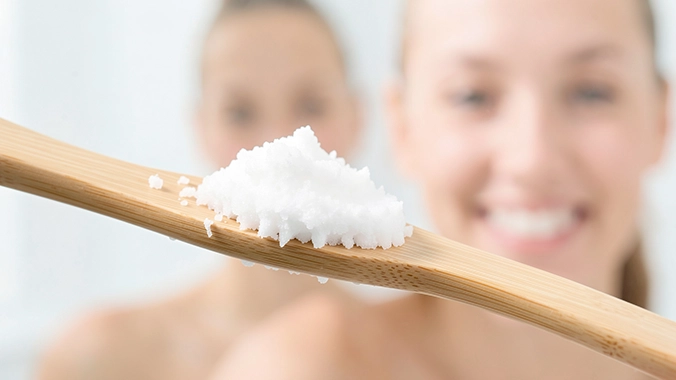
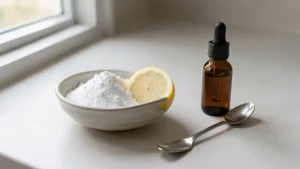
Mix baking soda with a small amount of water or lemon juice until it forms a paste-like consistency. Use a toothbrush to dip into the paste, or apply it gently using your fingers.
- Brushing Application
Brush your teeth using the baking soda paste. If a specific stain requires attention, apply the paste directly to the affected area and leave it for a few minutes before gently brushing.
Important:
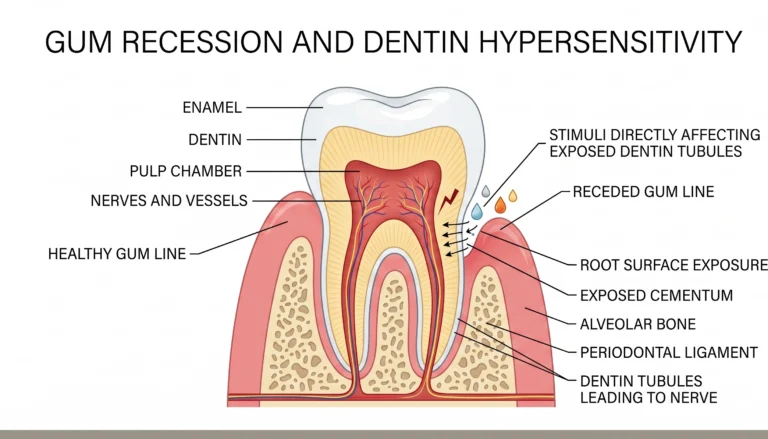
Do not exceed two minutes of brushing. Baking soda is a mild abrasive substance that can erode the enamel the outer protective layer of the teeth if used excessively.
If general whitening is desired, you may dip a wet toothbrush directly into baking soda powder. The powder will adhere to the bristles; however, the taste may be notably strong and unpleasant. Always use a soft-bristled toothbrush to minimize enamel damage.
you can use the ready-made Baking Soda Teeth Whitening Powder for a safer, mess-free experience with a much better taste
Safer Alternatives
Dentists often recommend whitening strips as a safer and more advanced alternative. These strips contain carefully formulated whitening agents that penetrate stains without requiring mechanical abrasion, delivering noticeable results while preserving enamel integrity.
Dental professionals advise limiting the use of baking soda whitening to no more
than once per day.
- Rinsing
After brushing, rinse your mouth thoroughly with water or mouthwash in Egypt to ensure no residue remains. Clean your toothbrush properly after each use.
- Duration of Use
Repeat this method daily for one to two weeks. A slight improvement in tooth color may be noticeable within a few days, with more visible results after two weeks of consistent use.
After two weeks, reduce usage to once or twice per week at most. Frequent use can contribute to enamel erosion, particularly with long-term overuse.
It is essential to understand that brushing with baking soda does not replace regular oral hygiene. Teeth should still be brushed at least twice daily with fluoride toothpaste to prevent decay, plaque buildup, and tartar formation.
Before beginning any whitening method, consult a dentist to ensure your teeth and gums are healthy enough for such treatment.
To avoid enamel erosion caused by harsh abrasives, you can use this innovative purple teeth whitening powder to safely neutralize yellow tones and instantly brighten your smile.
Whiten Teeth Using Baking Soda: Professional Whitening Option
Cold-light professional whitening lamps are also recommended. These devices produce bright whitening results through a controlled light-activated process that breaks down deep stains without mechanically scratching enamel.
Second: The Alternative Method
Another option involves combining baking soda with hydrogen peroxide, a common household product also used for whitening.
Preparation
Mix:
- ½ teaspoon of hydrogen peroxide (3% solution)
- 1 teaspoon of baking soda
Blend thoroughly until a toothpaste-like paste forms.
Application
Brush your teeth using the mixture in Egypt. Leave it on for two minutes, then rinse thoroughly with water or mouthwash.
It is critical to rinse completely after using hydrogen peroxide. Even diluted solutions may contain reactive compounds that can cause irritation, nausea, or other adverse effects if swallowed.
Hydrogen peroxide (3%) is commonly available in pharmacies. It may also be used as a mouth rinse when diluted with an equal amount of water.
To avoid the risks and acrid taste of hydrogen peroxide, you can use professional teeth polishing powder for a safe, worry-free daily shine.
Conclusion
Whitening teeth using baking soda can offer mild improvement in surface stains when applied carefully and in moderation. However, excessive or improper use may damage enamel and increase tooth sensitivity. Sustainable oral health depends on balanced hygiene practices, professional guidance, and informed decision-making. For long-term and safe whitening outcomes, consulting a dental professional remains the most reliable option.
Related Dental Topics
FAQs about Whitening Teeth Using Baking Soda
Is baking soda effective for whitening teeth?
Does baking soda really make teeth whiter?
Yes. It can remove surface stains, but it does not change the natural internal color of teeth.
How often should I use baking soda for whitening?
Can I brush with baking soda every day?
Limit use to once daily for up to two weeks, then reduce to once or twice weekly.
Can baking soda damage tooth enamel?
Is baking soda harmful to teeth?
Yes, excessive use can gradually wear down enamel due to its abrasive nature.
How long should I leave baking soda on my teeth?
What is the safe brushing time with baking soda?
Do not exceed two minutes per application.
Can I mix baking soda with lemon juice?
Is lemon and baking soda safe for teeth whitening?
It can be used occasionally, but the acidity of lemon may increase enamel erosion risk.
Is hydrogen peroxide safe for teeth whitening?
Can I use 3% hydrogen peroxide on my teeth?
Yes, in diluted form (3%) and for short durations, followed by thorough rinsing.
Does baking soda replace regular toothpaste?
Can I stop using toothpaste if I use baking soda?
No. Fluoride toothpaste is essential for cavity prevention and enamel protection.
How quickly will I see results?
When does baking soda start whitening teeth?
Minor changes may appear within a few days; noticeable results may take up to two weeks.
Are whitening strips better than baking soda?
Which is safer: baking soda or whitening strips?
Whitening strips are generally safer and more effective because they do not rely on abrasion.
Should I consult a dentist before whitening?
Do I need professional advice before using baking soda?
Yes. A dental evaluation ensures your teeth and gums are healthy enough for whitening treatments.
Sources
https://www.healthline.com/health/baking-soda-toothpaste