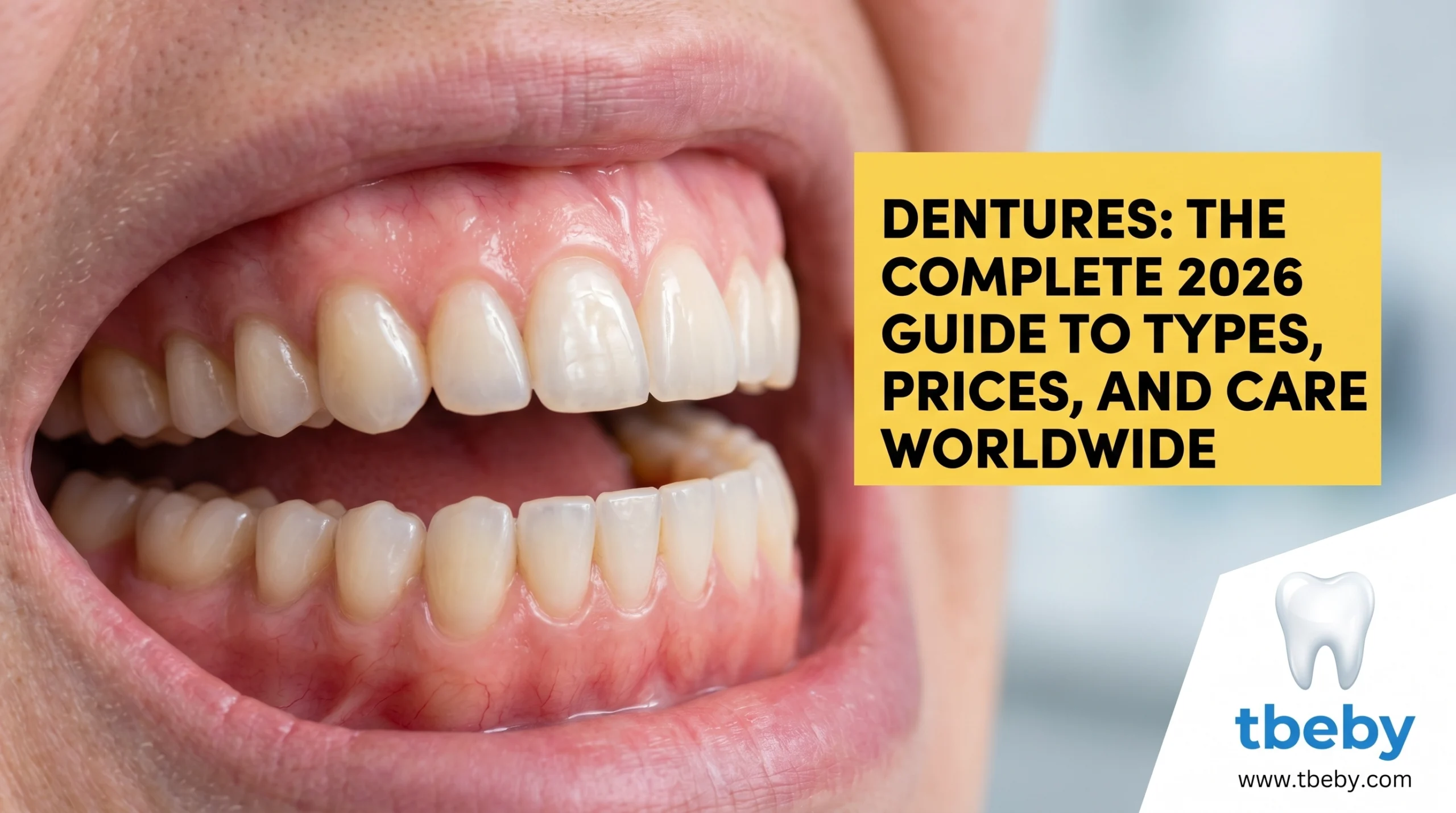

Dentures are among the most widely adopted dental prosthetic solutions globally, offering patients a reliable way to restore lost oral function and aesthetic confidence after tooth loss. Whether you have lost a single tooth, a partial arch, or a full row of teeth, this comprehensive guide covers everything you need to know, from the different types of dentures available to their costs across major world regions and essential care instructions.
When Do You Need Dentures?
Dental practitioners typically recommend that a patient has experienced tooth loss resulting from one or more of the following conditions:
- Trauma or injury that causes a tooth fracture or complete displacement
- Severe tooth decay that has progressed beyond the reach of fillings or restorative treatment, necessitating extraction
- Age-related tooth loss is a common occurrence in older adults due to gradual bone and gum deterioration
- Nutritional deficiencies, particularly low levels of calcium and vitamin D, can weaken tooth structure over time
You can use Teeth whitening toothpaste to help preserve the brightness of your remaining natural teeth while you adjust to life with dentures.
Types of Dentures
Complete vs. Partial Dentures
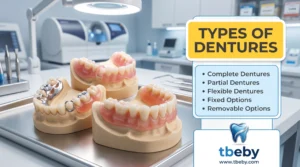
replace an entire arch of missing teeth, either the upper jaw, the lower jaw, or both. By contrast, replace only a specific number of missing teeth within a partially intact arch. Partial sets are connected by precision attachments or clasps and are custom-designed to integrate seamlessly with the patient’s remaining natural teeth.
Fixed vs. Removable Dentures
Fixed dentures are permanently anchored to the gum or bone and cannot be removed without professional dental intervention. Removable dentures, on the other hand, can be taken out by the patient for daily cleaning and maintenance, making them the most widely used option worldwide.
Denture Materials
| Material | Key Characteristics |
| Metal (Chrome-Cobalt) | Highly durable, compact, long-lasting |
| Acrylic (PMMA) | More flexible than metal, widely available |
| Flexible (Polyamide) | Maximum flexibility, gum-friendly, aesthetically superior |
Regardless of material, they are finished with an outer coating that closely mimics the natural appearance of gum tissue and teeth, ensuring a realistic look and comfortable daily function.
Flexible Dentures: The Premium Choice
Manufactured from Polyamide resin, they are widely regarded as the superior option among all denture types. Their growing global popularity is attributed to the following advantages:
| Feature | Description |
| Exceptional durability | High resistance to pressure during chewing and speaking |
| Superior flexibility | Capable of bending without cracking or fracturing |
| Translucent pink tone | Closely replicates natural gum color with strong stain resistance. |
| Gum compatibility | The soft material minimizes friction against gum tissue, reducing the risk of inflammation and bleeding. |
| Ideal for sensitive gums | Particularly recommended for patients with gum sensitivity or recurring irritation |
The only noted limitation of flexible is that changes in jawbone density or gum shape over time may require refitting or replacement of the prosthetic to maintain a proper fit.
You can use Tooth polishing powder to safely remove surface stains from your flexible dentures and keep them looking naturally clean.
Pre-Treatment Considerations Before Getting Dentures
Before committing to a solution, patients should be aware of the following clinical and personal factors:
- Comprehensive diagnostic tests, including X-rays, must confirm that the gum tissue and jawbone are sufficiently healthy to support a prosthesis
- If only one or two teeth are missing, dental implants may be a more appropriate long-term solution than
- Patients should ideally be at least 18 years of age to ensure full jawbone maturity and structural stability
- Smokers are strongly advised to reduce or eliminate tobacco use, as smoking negatively affects gum health, stains prosthetic materials, and shortens the lifespan of the appliance
Key Factors That Influence Denture Costs Worldwide
| Cost Factor | Details |
| Type of denture and material | Flexible polyamide dentures cost more than acrylic or standard metal options |
| Number of teeth replaced. | Full arch replacements are priced significantly higher than partial sets. |
| Diagnostic procedures | X-rays, impressions, and consultations are typically added to the total cost. |
| Clinic quality and dentist expertise | Specialist clinics with advanced technology command premium pricing globally |
Global Denture Pricing Overview (2026)
Denture costs vary considerably across different countries and healthcare systems. The following regional breakdown reflects approximate market pricing in 2026:
Denture Costs by Region
| Country / Region | Estimated Cost Range |
| Egypt | EGP 900 – 5,000 (varies by type and clinic) |
| Saudi Arabia | SAR 2,000 – 10,000 |
| Kuwait | KWD 2,000 – 9,000 |
| United Arab Emirates | AED 2,500 – 12,000 |
| United States | USD 1,800 – 11,000 |
| United Kingdom | GBP 500 – 2,500 (NHS vs. private) |
| Germany | EUR 800 – 3,500 |
| Canada | CAD 1,500 – 6,000 |
| Australia | AUD 1,000 – 4,500 |
| India | INR 15,000 – 80,000 |
Essential Care Tips for Your Dentures
Proper maintenance significantly extends the lifespan of and protects the surrounding oral tissues. Follow these clinically recommended guidelines:
Dietary Adjustments
- Begin with soft foods during the initial adaptation period
- Distribute chewing pressure evenly across both sides of the jaw
- Gradually introduce firmer foods as comfort increases
- Avoid sticky, hard, or chewy foods that may dislodge or damage the prosthesis
Daily Cleaning Protocol
- Use a soft-bristle brush and a cleaning solution specifically formulated
- Clean over a basin filled with water to cushion any accidental drops
- Never use regular toothpaste, which can scratch the prosthetic surface
- Rinse thoroughly after every meal when possible
Nighttime Storage
- Remove removable items before sleeping each night
- Store them in a prescribed soaking solution to maintain shape, hygiene, and moisture
- This also allows gum tissue to rest and recover overnight
Professional Follow-Up
- Schedule routine dental check-ups to monitor gum and jawbone changes
- Refitting or adjustment may be necessary if the denture begins to feel loose or uncomfortable over time
You can use Teeth cleaning for braces brushes to effectively reach the tight spaces around your denture clasps and ensure a thorough clean every day.
Implants vs. Dentures: Which Is Right for You?
| Consideration | Dental Implants | Dentures |
| Number of missing teeth | 1–3 teeth | Multiple or full arch |
| Permanence | Permanent, fixed | Fixed or removable options |
| Cost | Higher initial investment | More affordable overall |
| Maintenance | Like natural teeth | Daily removal and cleaning |
| Bone preservation | Excellent | Moderate |
| Ideal candidate | Younger patients, good bone density | Elderly patients, multiple extractions |
Your Smile Deserves the Best
Choosing the right denture solution is a significant step toward restoring your oral function, confidence, and quality of life following tooth loss. From traditional acrylic options to the increasingly popular flexible polyamide dentures, the market in 2026 offers solutions suited to every clinical need and financial situation worldwide.
Invest in proper care, follow your dentist’s guidance, and schedule regular professional evaluations to ensure you remain comfortable, functional, and aesthetically pleasing for years to come.
FAQs About Dentures
When should I consider getting dentures?
What clinical conditions make dentures a necessary treatment?
Dentures are recommended when multiple teeth are lost due to aging, severe decay, trauma, or nutritional deficiencies affecting bone and tooth integrity.
What is the best type of denture available today?
Which denture material offers the most advantages for patients?
Flexible polyamide dentures are currently considered the gold standard due to their durability, gum compatibility, and natural appearance.
Are flexible dentures resistant to breaking under pressure?
How durable are polyamide dentures compared to other types?
Yes, polyamide material allows the denture to bend under stress without fracturing, making it the most structurally resilient option available.
What factors determine the final cost of dentures?
Why does denture pricing vary so significantly between patients?
Cost depends primarily on the material used, the number of teeth replaced, the diagnostic procedures required, and the dentist’s level of expertise.
How should I clean my dentures safely every day?
What is the correct daily maintenance routine for denture hygiene?
Use a denture-specific brush and solution, clean over a water-filled basin, and rinse thoroughly after meals to prevent bacterial buildup.
Should removable dentures be taken out at night?
Is it necessary to remove my dentures before sleeping?
Yes, removing dentures nightly and soaking them in a solution allows the gum tissue to rest and prevents premature wear on the prosthesis.
Can I eat all types of food while wearing new dentures?
What dietary restrictions apply after getting dentures fitted?
Begin with soft foods, distribute chewing evenly across both sides, and introduce harder foods gradually while avoiding sticky or chewy items.
Is smoking harmful to dentures and the surrounding oral tissue?
How does tobacco use affect the longevity of dental prosthetics?
Smoking accelerates gum deterioration, stains prosthetic materials, and significantly reduces the functional lifespan of dentures.
When is a dental implant a better choice than dentures?
How do I decide between implants and dentures for tooth replacement?
Implants are preferred for replacing one to three missing teeth, while dentures are the more appropriate solution for extensive or full-arch tooth loss.
How long do dentures typically last before needing replacement?
What is the average lifespan of a well-maintained denture?
With proper daily care and regular dental check-ups, dentures typically last between 5 and 10 years before refitting or replacement becomes necessary.