
antibiotic for tooth infection in pregnancy is one of the most frequently searched medical concerns among expectant mothers worldwide, as dental infections during pregnancy require careful clinical management to protect both maternal health and fetal development. This article provides a comprehensive, evidence-informed guide to the safest pharmaceutical and natural options available.
What Is a Tooth Infection?
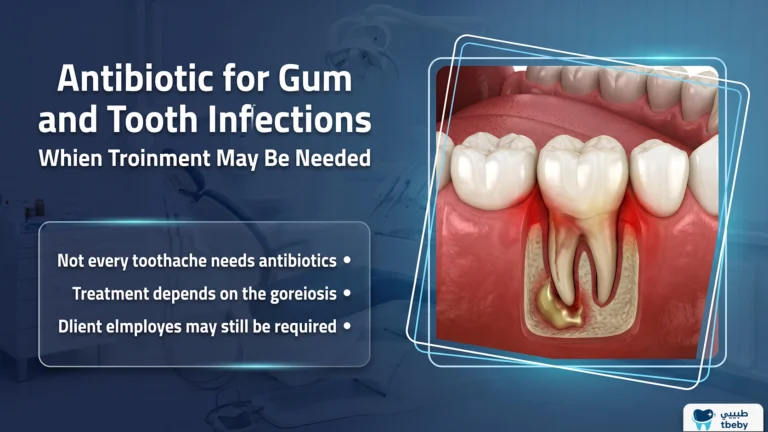
Dental infection is a well-recognized oral condition characterized by the proliferation of pathogenic bacteria and fungi within the oral cavity. Without timely intervention, the infection can extend to the gingival tissues, resulting in significant complications that compromise systemic health.
The primary causes of dental infections include:
- Poor oral hygiene practices
- Genetic predisposition to periodontal disease
- Pre-existing chronic conditions such as diabetes mellitus or cardiovascular disease
Pregnant women are particularly susceptible to oral infections due to hormonal fluctuations that alter gingival tissue integrity. This makes the selection of an appropriate antibiotic for tooth infection in pregnancy a critical clinical decision.
To reduce bacterial load and prevent the progression of oral inflammation, consistent use of an antiseptic mouth rinse is strongly recommended. It effectively eliminates pathogenic microorganisms while reducing irritation and halitosis.
You can use Sensitive Gum Anti-Inflammation Toothpaste to soothe gum irritation and reduce bacterial buildup that contributes to dental infections.
Best Antibiotic for Tooth Infection in Pregnancy
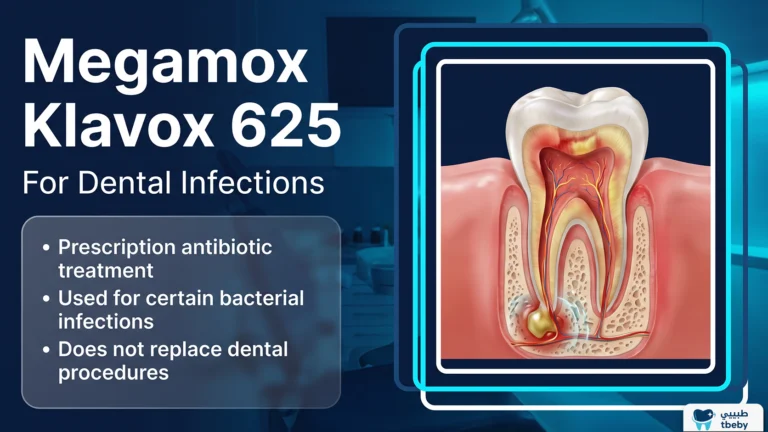
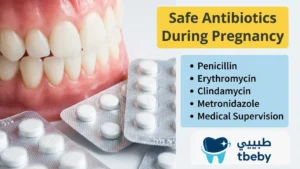
Selecting a safe and effective antibiotic for tooth infection in pregnancy requires careful consideration of gestational age, infection severity, and fetal safety profiles. The following pharmaceutical agents are widely recognized as appropriate options:
1. Erythromycin
Erythromycin is a macrolide antibiotic with an established safety record in obstetric medicine. Extensive clinical use has demonstrated no documented cases of fetal harm when administered to pregnant patients suffering from dental infections. It remains a reliable first-line antibiotic for tooth infection in pregnancy, particularly for patients with penicillin sensitivity.
2. Clindamycin
Clindamycin is considered an effective antibiotic for tooth infection in pregnancy, particularly during the first trimester. Animal studies have consistently failed to demonstrate teratogenic effects, supporting its clinical use in early pregnancy.
Its mechanism of action targets both bacterial and fungal pathogens responsible for oral inflammation, making it a dual-action therapeutic option. A prescription must be obtained through a licensed physician.
3. Metronidazole
Metronidazole represents a potent antibiotic for tooth infection in pregnancy when prescribed appropriately. It demonstrates broad-spectrum efficacy against anaerobic bacteria commonly associated with dental abscesses and periodontal infections.
Dosage and treatment duration must be determined by a qualified obstetrician or dental specialist based on gestational week, as self-administration is contraindicated.
4. Penicillin
Penicillin is widely regarded as the safest antibiotic for tooth infection in pregnancy across all trimesters. Its long-established safety profile, combined with high efficacy against streptococcal and anaerobic dental pathogens, makes it the preferred first-line agent recommended by most dental and obstetric practitioners globally.
To further support oral health during pregnancy and reduce the risk of infection progression, the routine use of dental floss is essential. It effectively removes interdental food debris and plaque accumulation at the gumline, areas inaccessible to standard brushing.
You can use Anti-Cavity Toothpaste to strengthen tooth enamel and prevent bacterial activity that can lead to dental infections during pregnancy.
Natural Alternatives: Antibiotic Remedies for Pregnant Women
For expectant mothers who prefer to minimize pharmaceutical intervention, several evidence-supported natural remedies may provide symptomatic relief. These options complement, but do not replace, medical treatment when infection is clinically significant.
1. Pomegranate
Pomegranate possesses well-documented anti-inflammatory and antimicrobial properties. Fresh, unsweetened pomegranate juice used as an oral rinse can help reduce bacterial populations in the oral cavity and alleviate gingival inflammation.
2. Aloe Vera
Aloe vera gel contains bioactive compounds with potent antibacterial and anti-inflammatory properties. Topical application to inflamed gingival tissue can reduce swelling, bleeding, and microbial colonization.
3. Tea Tree Oil
Tea tree oil is a recognized natural antimicrobial agent with broad-spectrum activity. Application of diluted tea tree oil drops directly to the affected area can reduce bacterial activity and alleviate associated pain. Daily application is advised until symptomatic improvement is observed.
4. Garlic
Garlic contains allicin, a naturally occurring compound with demonstrated antibiotic and antifungal properties. Thorough mastication of a fresh garlic clove followed by direct application to the affected tooth can provide localized antimicrobial activity, despite its characteristic odor.
5. Sodium Bicarbonate
Sodium bicarbonate effectively neutralizes oral acidity, inhibiting bacterial proliferation and reducing infection spread. Application using a soft toothbrush twice daily provides progressive symptomatic relief.
6. Neem Leaves
Neem leaves contain potent antimicrobial compounds that suppress bacterial and fungal growth in the oral cavity. They also reduce gingival swelling and hemorrhage. Chewing two fresh neem leaves daily is the most direct method of application, though availability may vary by region.
7. Turmeric
Turmeric contains curcumin, a bioactive compound with powerful anti-inflammatory and antimicrobial properties, making it one of the most effective natural remedies for dental inflammation during pregnancy. A paste prepared by combining one teaspoon of turmeric powder with mustard oil can be applied directly to the affected area and massaged gently for optimal results.
8. Milk
Warm milk soothes inflamed oral tissues and provides a coating effect that may reduce localized irritation. Daily consumption of one glass of milk, or topical application using a cotton ball soaked in milk, can offer mild symptomatic relief.
9. Clove
Clove is recognized as one of the safest and most effective natural analgesics for dental pain during pregnancy. Eugenol, the active compound in clove, acts as a local anesthetic and natural antimicrobial agent. Direct chewing of whole cloves or application of clove oil via a cotton ball to the affected site provides rapid pain relief.
You can use Medical Gauze to apply natural remedies such as clove oil or tea tree oil directly to the affected area for safe and targeted pain relief.
Clinical Advisory
All pregnant women are strongly advised against self-medicating with any pharmaceutical agent, including antibiotics, without prior consultation with a licensed obstetrician or dental specialist. The selection of an appropriate antibiotic for tooth infection in pregnancy must be individualized based on gestational age, infection type, and overall maternal health status.
FAQs About Antibiotics for Tooth Infections in Pregnancy
Are antibiotics for tooth infections safe to take during pregnancy?
Can dental antibiotics harm fetal health or development?
Yes, certain antibiotics are medically safe during pregnancy, but they must only be used under strict medical supervision to prevent complications.
What is the best medical antibiotic for a tooth infection in pregnancy?
Which antibiotic is most suitable for pregnant women with dental pain?
Penicillin and erythromycin are considered the safest and most effective pharmaceutical options throughout pregnancy.
Can a pregnant woman use clove to relieve tooth pain?
How safe is clove oil for treating gum inflammation during pregnancy?
Yes, clove acts as a natural local anesthetic and antimicrobial agent that is safe and fast-acting for pain relief.
Is metronidazole permitted for pregnant women?
Is metronidazole a safe medical option for treating dental infections in pregnancy?
Yes, it may be used safely, but requires physician consultation to determine the appropriate dose based on gestational week.
What are the best natural remedies for tooth infection in pregnancy?
How can pregnant women relieve tooth pain safely using home remedies?
Clove, tea tree oil, garlic, and sodium bicarbonate rinses are among the safest and most effective natural options.
What are the risks of neglecting dental infection treatment during pregnancy?
What happens if a pregnant woman leaves gum and tooth infections untreated?
An untreated infection allows bacterial spread through the bloodstream, potentially compromising both maternal and fetal health.
How can pregnant women prevent dental infections?
What are the most effective ways to protect oral health from bacteria during pregnancy?
Consistent brushing, daily flossing, and antiseptic mouth rinse use form the most effective preventive regimen.
Is clindamycin safe for pregnant women during the first trimester?
Can clindamycin be prescribed for oral bacterial infections in early pregnancy?
Yes, it is medically recommended during the first trimester due to its proven efficacy and safety against oral pathogens.
How is garlic used as a natural antibiotic for dental infections in pregnancy?
Does applying raw garlic to an inflamed tooth help relieve pain for pregnant women?
Yes, due to its allicin content, garlic is applied by thoroughly chewing it and placing it directly on the affected site.
When should a pregnant woman seek immediate dental care?
Under what circumstances does dental pain in pregnancy require urgent medical attention?
Immediate consultation is required upon experiencing persistent pain, gingival swelling, or bleeding to ensure safe and timely treatment.
Sources
https://www.mayoclinic.org/ar/diseases-conditions/periodontitis/diagnosis-treatment/drc-20354479