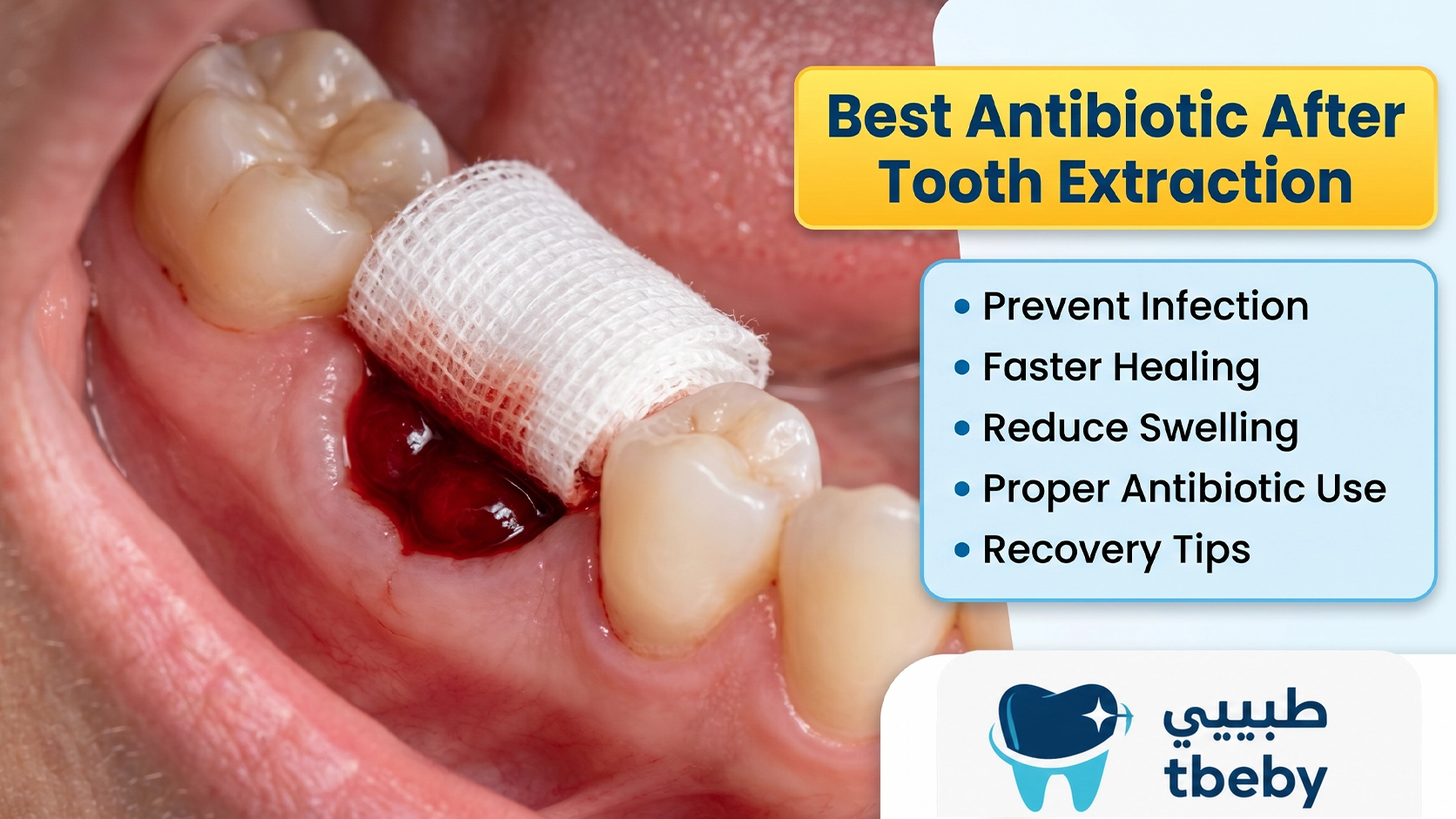

The best antibiotic after tooth extraction is a subject that deserves close attention, given how directly it affects recovery outcomes.
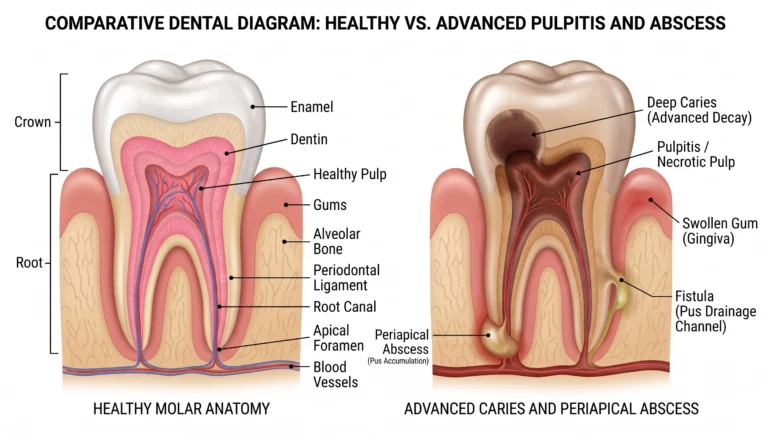
When a tooth or molar is removed, the small wound left behind becomes an open pathway for potential infection and inflammation.
This is precisely where antibiotics play an indispensable role: they help prevent bacterial infection and support a smoother, faster healing process.
Reasons for Tooth and Molar Extraction
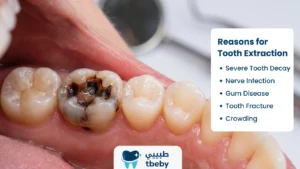
Understanding why extractions are performed helps explain why post-operative care, including antibiotic use, matters so much. Tooth or molar extraction is typically recommended when preserving the tooth is no longer possible or advisable, for reasons such as:
- Severe tooth decay.
- Nerve inflammation, which can cause sharp pain and swelling.
- Developmental abnormalities affecting the mouth or gums.
- Overcrowding, where teeth must be removed to correct alignment.
- Fractures resulting from injury that cannot be repaired.
- Severe, chronic gum disease (such as deep periodontitis).
You can use Medical Gauze to control bleeding and protect the extraction site during the initial healing hours.
Best Antibiotic After Tooth Extraction
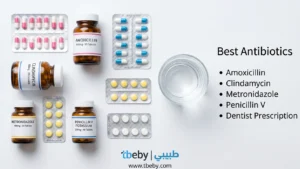
When patients ask about the best antibiotic after tooth extraction, dental professionals typically recommend one of the following options:
Amoxicillin, a member of the penicillin family, is used to treat a wide range of bacterial infections. It is absorbed quickly and takes effect rapidly. The typical recommended dose is 500 mg, three times daily.
Clindamycin, belonging to the lincosamide class, works by inhibiting bacterial growth and is used to treat various bacterial infections. It is commonly prescribed at 300 mg, three to four times daily.
Metronidazole, part of the nitroimidazole antimicrobial class, is an excellent option following tooth extraction. It helps eliminate parasites and bacteria responsible for infection, with a typical dose of 500 mg, three to four times daily.
Penicillin V, first discovered in 1943, remains one of the most effective antibiotics available. It is offered in various forms, tablets, injections, or syrup, with recommended doses reaching up to 500 mg, four times daily.
Best Antibiotic After Wisdom Tooth Extraction
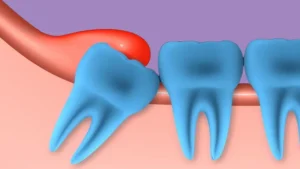
Many patients wonder whether an antibiotic is necessary after wisdom tooth removal and specifically search for the best antibiotic for this procedure. Several options are commonly prescribed to prevent infection and support healing:
- Amoxicillin: The most widely used antibiotic after wisdom tooth extraction, offering broad coverage against most oral bacteria.
- Amoxicillin/Clavulanic Acid: This combination enhances treatment effectiveness and helps address resistant bacterial strains.
- Clindamycin: Often used as an alternative for patients with penicillin sensitivity.
- Metronidazole: Used to treat bacterial infections and severe gum inflammation, sometimes in combination with another antibiotic.
Should I Take Anti-Inflammatory Medication After Wisdom Tooth Extraction?
In certain cases, anti-inflammatory medication may be appropriate following wisdom tooth removal, depending on the expected severity of inflammation and the dentist’s specific guidance.
For mild swelling or inflammation, a dentist may recommend such medication to reduce pain and swelling, provided the patient consults their doctor, follows dosage and timing instructions, and monitors symptoms for continued improvement.
Reusable ice packs can also help ease inflammation and swelling safely and effectively during this period.
Strongest Painkiller After Tooth Extraction
Some patients experience significant pain after extraction and search for the strongest available painkiller, though “strongest” does not always mean “best.” The right choice depends on pain severity and individual health status. Common options include:
- Acetaminophen (Paracetamol)
- Opioid-based painkillers such as Codeine or Hydrocodone
- Non-steroidal anti-inflammatory drugs (NSAIDs) such as Ibuprofen and Naproxen
- Combination painkillers, which may include additional agents such as caffeine
- Topical pain relief options, such as gels and ointments
You can use Gum Protection Foam to shield the extraction site while managing pain from prescribed or over-the-counter medications.
Drinks After Tooth Extraction
Hot beverages should be avoided in the first few days after extraction, as they can increase swelling and irritate the affected area. Water is generally the best choice for hydration and supporting the healing process.
Cold beverages such as unsweetened natural fruit juices, milkshakes, and natural yogurt drinks are also recommended. Hot drinks can be gradually reintroduced with caution after this initial period.
What Is the Appropriate Treatment After Tooth Extraction?
Several measures can help ease pain and support recovery following extraction:
- Rest and avoid strenuous physical activity for a few days.
- Apply an ice pack to the affected side during the first few hours after extraction.
- Use prescribed pain medication as directed by your dentist.
- Avoid touching the wound with your tongue or any object, and avoid vigorous rinsing in the first few days to protect the healing blood clot.
- Take any prescribed antibiotics exactly as directed to prevent infection.
- Avoid smoking, chewing tobacco, and alcohol consumption, as these can slow healing.
A single-use portable mouthwash can help maintain oral hygiene during healing, gently cleansing the mouth and reducing bacteria without disturbing the blood clot.
Important Tips After Tooth Extraction
- Avoid forceful rinsing during the first 24 hours; afterward, a gentle saline rinse can be used.
- If minor bleeding occurs, apply gentle pressure with clean gauze; consult your dentist if bleeding is heavy or persistent.
- Avoid chewing on the affected side and minimize excessive talking or gum strain.
- Keep all follow-up appointments and follow your dentist’s post-extraction instructions.
- Smoking can disrupt healing and increase infection risk.
- Stay hydrated to support faster recovery.
How Long Does Pain Last After Wisdom Tooth Extraction?
Pain is typically most intense during the first few days and gradually subsides. In most cases, discomfort lasts from several days up to approximately two weeks, decreasing steadily over that period.
1. Is an Antibiotic Important After Wisdom Tooth Extraction?
Antibiotics are sometimes prescribed after extraction, though most people do not require them, as the mouth is generally effective at self-cleaning. Since the mouth also contains beneficial bacteria, unnecessary antibiotic use can eliminate helpful bacteria alongside harmful ones, potentially hindering, rather than helping, recovery.
2. Does Panadol Relieve Tooth Pain?
Yes. Panadol (Paracetamol) is a commonly used painkiller effective for tooth pain, working by reducing pain and fever through its effect on the brain’s pain and temperature regulation centres.
3. Tbeby Advice
Consulting a dentist remains essential when selecting the best antibiotic after tooth extraction, as only a qualified professional can assess individual health conditions and determine the safest, most effective option to prevent infection and support recovery. While several antibiotics are commonly used after extraction, their use always requires precise medical guidance and strict adherence to the dentist’s instructions.
You can use Toothpaste for Sensitive Gums to ease lingering discomfort as the gum tissue continues to heal.
Recovery Journey After Tooth Extraction: Today’s Commitment Is Tomorrow’s Health
Tooth extraction is a medical procedure that requires careful attention and awareness of the recovery process to avoid complications.
Whether it involves taking the best antibiotic after tooth extraction to prevent bacterial infection or using the appropriate painkillers to manage discomfort, the foundation of a smooth recovery always lies in strict adherence to your dentist’s instructions.
Maintaining oral hygiene, avoiding harmful habits such as smoking and vigorous rinsing, and following proper nutrition all contribute to safe, healthy healing. Never hesitate to contact your dentist if you notice unusual symptoms. Oral health is a reflection of overall health.
FAQs About the Best Antibiotic After Tooth Extraction
How many days does pain last after tooth extraction?
When does the pain fully disappear after removal?
Pain typically lasts from a few days to two weeks, gradually decreasing with prescribed pain medication.
Is taking an antibiotic always necessary after extraction?
Do I need antibiotics every time I have a tooth extracted?
Antibiotics are not always prescribed; they are only when there is a pre-existing infection or a real risk of bacterial infection.
What is the best medication for tooth extraction pain?
What is the strongest painkiller for post-extraction tooth pain?
Ibuprofen and Paracetamol are among the safest and most effective options, depending on your health and your dentist’s guidance.
When can I drink hot beverages after wisdom tooth extraction?
Are hot drinks harmful in the first days after extraction?
Hot beverages should be avoided entirely in the first few days to prevent bleeding; cold fluids and water are preferred.
When should I start using mouthwash or rinsing?
Can I rinse with saltwater immediately after extraction?
Avoid vigorous rinsing for the first 24 hours to protect the blood clot; gentle warm saline rinses can follow afterward.
What should I do if bleeding continues after extraction?
How do I stop bleeding from the extraction site?
Bite gently and firmly on sterile gauze for 30 minutes; seek immediate dental care if bleeding remains heavy.
Does smoking negatively affect wound healing?
When can I smoke after a tooth extraction procedure?
Smoking disrupts healing and increases the risk of painful dry socket, so it should be avoided entirely for several days.
How do I reduce cheek swelling after wisdom tooth extraction?
What is the treatment for swelling after tooth removal?
Apply ice packs to the outside of the cheek during the first few hours to reduce swelling and inflammation effectively.
Can I exercise immediately after tooth extraction?
Does physical exertion affect the wound after extraction?
Complete rest and avoidance of strenuous activity for a few days are recommended to prevent increased blood pressure and bleeding.
What is the most common antibiotic for post-extraction infections?
Which antibiotic do dentists typically prefer after extraction?
Amoxicillin is the most widely used option, thanks to its rapid absorption and strong effectiveness against oral bacteria.