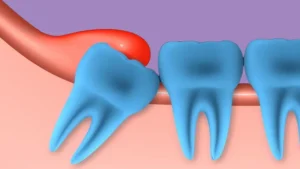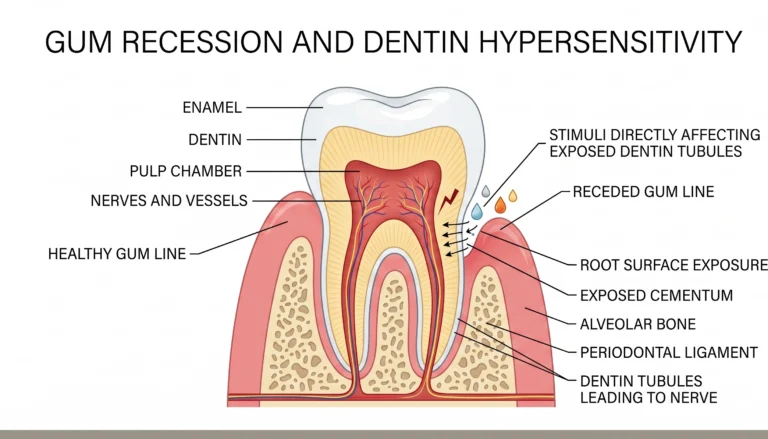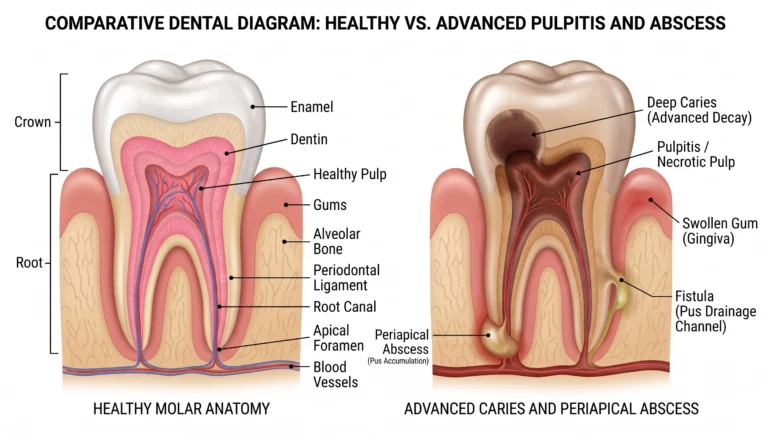


Decayed tooth extraction is one of the most common dental procedures, performed when a tooth can no longer be preserved due to severe caries, structural deformities, or jaw trauma.
The procedure is carried out by a qualified dentist or oral surgeon under local anesthesia, which ensures complete patient comfort throughout.
The clinician carefully detaches the tooth from the surrounding gingival tissue and alveolar bone before its complete removal from the oral cavity.
Post-operative care includes adherence to prescribed medications, applying ice packs to reduce swelling, avoiding hard foods, and maintaining proper oral hygiene during recovery.
Decayed Tooth Extraction: Clinical Overview

When a decayed tooth extraction becomes necessary due to persistent pain or functional impairment, such as difficulty chewing or speaking, the dentist will assess whether extraction represents the most appropriate clinical course of action.
The procedure is typically performed under local anesthesia administered to the gums and surrounding soft tissues. Specialized instruments are then employed to carefully loosen and remove the affected tooth. The patient may experience mild pressure during the procedure; however, pain should be entirely absent due to the anesthetic effect.
Following extraction, post-operative care requires the avoidance of hard, sticky, and hot foods for several days. Pain and swelling management tools may be utilized, and the patient must strictly follow the wound care instructions provided by the treating dentist to facilitate proper healing.
You can use the Banana Baby Teether to gently massage your infant’s gums and support healthy oral habits from an early age.
Decayed Tooth Extraction Procedure: Step-by-Step
If you are experiencing pain from a decayed tooth and require extraction, consultation with a dentist is essential to evaluate the case and determine the appropriate course of action.
Decayed Tooth Extraction may differ from routine tooth removal and can require specialized instruments and techniques. The following outlines the general procedural steps:
1. Clinical Assessment
The dentist evaluates the extent of tooth decay and the anticipated complexity of the extraction.
2. Local Anesthesia Administration
The area surrounding the decayed tooth is anesthetized to minimize pain throughout the procedure.
3. Instrument Preparation
The dentist selects and prepares the appropriate tools and determines the optimal extraction technique.
4. Tooth Separation and Removal
Specialized instruments are used to detach the decayed tooth from the surrounding gingival and osseous tissue, followed by complete removal from the oral cavity.
5. Hemorrhage Control
Post-extraction bleeding is monitored and managed by applying gentle pressure to the site for a brief period.
6. Post-Operative Instructions
The dentist provides the patient with comprehensive wound care guidelines, including medication protocols and recommended aftercare practices.
You can use Coconut Pulling Oil to support oral hygiene, freshen breath, and maintain a clean mouth environment during post-extraction recovery.
How Decayed Tooth Extraction Is Performed
Decayed tooth extraction is carried out by a licensed dental professional using specialized clinical instruments. The following details the key procedural steps involved:
1. Local Anesthetic Injection
A local anesthetic is administered via a small syringe into the target jaw area to numb the gums and adjacent soft tissues.
2. Gingival Incision
The gum tissue is carefully incised using a specialized instrument to expose the root and the tooth designated for extraction.
3. Tooth Mobilization
A specialized forceps is used to gently loosen the tooth from its socket through careful rotational movements until it is fully detached from the root.
4. Root Cleaning
Following removal, the root site is cleaned and may be treated with specialized instruments to ensure thorough debridement.
5. Suturing
In certain cases, the open gingival tissue is closed using absorbable sutures to promote healing and reduce the risk of infection.
6. Site Disinfection
The extraction site is thoroughly cleaned and disinfected using an antiseptic solution.
The exact procedure may vary depending on the clinical condition of the tooth and the individual patient’s needs; however, these represent the fundamental steps followed in decayed tooth extraction. Patients are advised to adhere strictly to post-operative instructions and avoid hard, sticky, and hot foods for several days to allow proper wound healing.
You can use a Children’s Soft-Bristled Toothbrush to establish healthy oral care habits in children and maintain proper dental hygiene from an early age.
Recommended Diet Following Decayed Tooth Extraction
Following decayed tooth extraction, patients must avoid hard, sticky, and hot foods for several days to allow the wound to heal properly. The following foods are generally suitable for consumption during the recovery period:
1. Soups and broths
Light soups and clear broths provide essential fluids and nutrients required by the body during recovery.
2. Soft and mashed foods
Options such as grated cheese, stewed apple, and mashed potatoes are well-tolerated and easy to consume.
3. Dairy and soft products
Yogurt, juices, and cooked fruit are appropriate soft food choices.
4. Cold foods
Ice cream and other cold soft foods help alleviate pain and reduce post-operative swelling.
5. Mild beverages
Warm tea, water, and mild fruit juices are recommended to maintain hydration without irritating the extraction site.
Home Extraction of a Decayed Tooth A Critical Warning
Attempting a decayed tooth extraction at home is strongly discouraged. The procedure requires specialized knowledge, technical skill, and professional instrumentation. Any attempt to extract a decayed tooth at home carries significant risks, including injury to the gums, cheeks, jaw, and adjacent teeth, as well as damage to the soft tissues surrounding the tooth.
Upon experiencing any dental pain or abnormality, patients should promptly contact a licensed dentist for proper clinical evaluation and an informed treatment decision. The dentist is trained to determine the optimal course of action and possesses the appropriate instruments to perform the procedure safely and effectively.
To alleviate pain and reduce swelling associated with dental issues or following a professionally performed extraction, the use of reusable hot/cold gel packs is recommended as a safe and effective first-aid measure for pain management.
Decayed Tooth Extraction in Children
Decayed tooth extraction in children follows the same fundamental approach as in adults; however, several important considerations must be taken into account:
1. Age- and weight-appropriate anesthesia
A local anesthetic is selected and dosed based on the child’s age and body weight to ensure safe and effective pain management.
2. Pediatric instruments
Specialized, proportionally sized instruments are used to accommodate the smaller dimensions of a child’s oral cavity.
3. Gingival suturing
In select cases, the open gum tissue is closed using absorbable sutures following the extraction.
4. Parental guidance
Parents and caregivers must receive thorough post-operative instructions regarding wound care, dietary restrictions, and pain management.
The child must be monitored closely following the procedure to ensure proper healing. Parents are advised to follow all post-operative instructions provided by the dentist, ensure the child consumes nutritious, soft foods, and avoid hard, sticky, spicy, or cold foods for several days.
Conclusion
Decayed tooth extraction, while effective as a last resort, may give rise to secondary complications, including alterations in the musculature and soft tissues surrounding the jaw, changes in overall facial aesthetics, migration of adjacent teeth, and an increased risk of caries in neighboring dentition.
In certain cases, additional restorative procedures may be required following extraction to rehabilitate jaw function and dental aesthetics such as the placement of dental prosthetics or implants. Individuals facing the prospect of tooth extraction are therefore strongly advised to consult a qualified dental professional for a thorough clinical evaluation and a comprehensive post-operative care plan.
It is worth emphasizing that prevention remains superior to treatment. Individuals are encouraged to maintain rigorous oral hygiene practices, consume a nutritionally balanced diet, avoid foods detrimental to dental health, and schedule routine dental examinations to preserve the health of both teeth and gingival tissue, particularly in Saudi Arabia, where awareness of preventive dental care continues to grow as part of broader public health initiatives.
Related Dental Topics
FAQs About Decayed Tooth Extraction
Is decayed tooth extraction painful?
Does the patient feel pain during decayed tooth extraction?
Local anesthesia eliminates pain during the procedure; however, mild discomfort or pressure may be felt.
How long does it take to recover from decayed tooth extraction?
What is the typical healing duration following decayed tooth extraction?
Recovery generally takes between three to seven days, depending on the complexity of the case and adherence to post-operative care instructions.
Can I take a painkiller after decayed tooth extraction?
Is it safe to use analgesics following the extraction procedure?
Pain medication should only be taken as prescribed by the treating dentist; self-medication without professional guidance is discouraged.
Can I drink water after a decayed tooth extraction?
Is water consumption permitted immediately following the procedure?
Yes, water consumption is safe and does not interfere with the healing process following extraction.
What foods should be avoided after decayed tooth extraction?
Are there dietary restrictions following a tooth extraction procedure?
Hard, sticky, hot, and spicy foods should be avoided for several days post-extraction to prevent disruption to the healing wound.
When should I contact my dentist after a decayed tooth extraction?
What symptoms following extraction require immediate dental consultation?
Contact your dentist if you experience excessive bleeding, severe pain, fever, or signs of infection at the extraction site.
Can a child undergo decayed tooth extraction safely?
Is decayed tooth extraction a safe procedure for pediatric patients?
Yes, the procedure is safe for children when performed by a qualified dentist using age-appropriate instruments and anesthetic dosing.
Does decayed tooth extraction affect surrounding teeth?
Can the extraction of a decayed tooth impact adjacent teeth?
Extraction may cause gradual shifting of adjacent teeth if the gap is not addressed with a prosthetic replacement; therefore, follow-up care is essential.
Is it possible to replace an extracted decayed tooth?
What are the available options for tooth replacement following extraction?
Yes, options include dental implants, fixed bridges, or removable dentures, depending on the patient’s clinical condition and preference.
How can decayed tooth extraction be prevented?
What dental hygiene practices help avoid the need for extraction?
Maintaining consistent oral hygiene, attending regular dental check-ups, reducing sugar intake, and using fluoride toothpaste significantly reduce the risk of tooth decay and the potential need for extraction.
Source:
https://www.mayoclinic.org/tests-procedures/wisdom-tooth-extraction/about/pac-20395268