Is root canal treatment painful? This is the first question that comes to mind for anyone preparing to undergo this procedure.
Dental pain is something we all dread, and the anxiety surrounding any dental intervention is entirely understandable.
In this comprehensive guide, we address everything you need to know about root canal treatment, from the procedure itself to post-treatment care, complications, and costs.
What Is Root Canal Treatment?
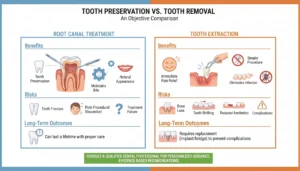
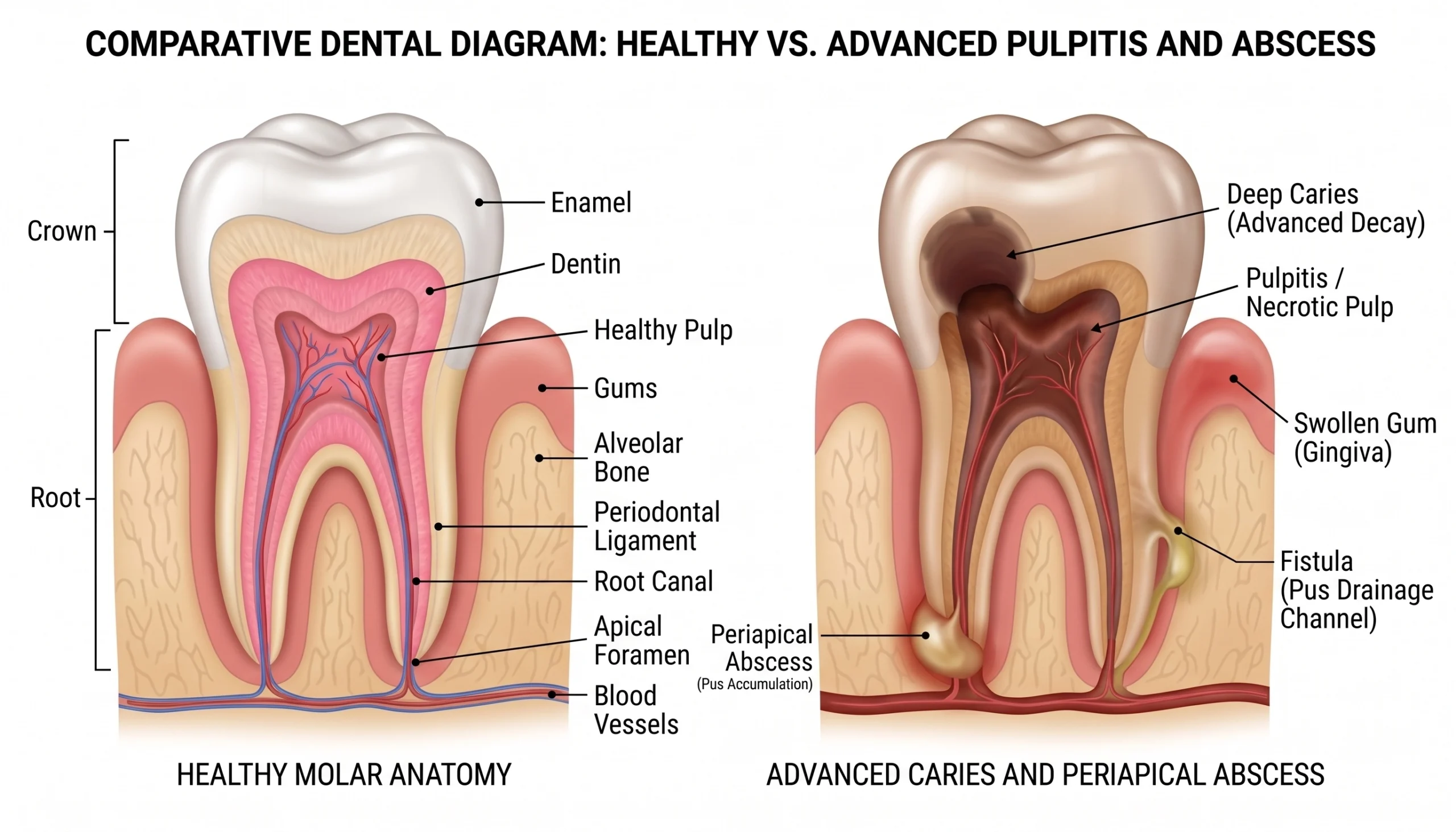
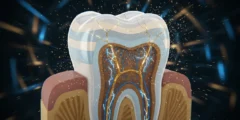
Root canal treatment is a dental procedure performed to repair or save a tooth with a dead or inflamed pulp. The pulp is the soft tissue located at the centre of the tooth, consisting of blood vessels, connective tissue, and the nerve itself.
When deep decay is left untreated, the nerve becomes inflamed. If the inflammation progresses without intervention, an abscess may form, and the surrounding tissue can become infected, leading to far more serious complications.
Some patients worry that removing the nerve will compromise the tooth’s overall health. In reality, the nerve’s primary function is sensory, detecting heat and cold, and its removal has minimal long-term impact on the structural integrity of the tooth.
You can use Temporary Dental Filling to protect the treated tooth between sessions and prevent bacterial re-entry until your final restoration is placed.
Is Root Canal Treatment Painful?
Is root canal treatment painful? Historically, the procedure carried a reputation for significant discomfort. However, modern dentistry has fundamentally transformed this reality. Thanks to advanced aesthetic techniques, cutting-edge instruments, and effective pain management protocols, the procedure is now considered largely painless for the vast majority of patients.
It is important to understand that individuals who require root canal treatment are typically already experiencing considerable pain due to infection or deep decay. The procedure is designed to eliminate that pain, not create it.
That said, is root canal treatment painful to the point of being unbearable? The honest answer is: mild discomfort may occur after the procedure, not during it. Patients generally return to normal function within a short recovery period with minimal residual discomfort.
Step-by-Step: How the Procedure Works
The procedure follows a precise clinical sequence:
1. Local Anaesthesia:
The dentist administers local anaesthesia to completely numb the affected area before any work begins.
2. Bacterial Removal:
The dentist carefully eliminates bacteria present between the internal and external layers of the tooth.
3. Canal Cleaning:
Using sodium hypochlorite solution, the dentist cleans the tooth from the outer layer down to the nerve, ensuring full disinfection of the root canal.
4. Sealing:
The dentist seals all cavities within the tooth to prevent bacterial re-entry into the internal layers.
You can use Medical Gauze to gently control any minor bleeding around the treated area and maintain cleanliness during the recovery period.
Why Does Pain Occur After Root Canal Treatment?
Is root canal treatment painful after the session ends? Yes, mild post-procedural discomfort is possible. The four primary causes are:
1. Gum Tissue Inflammation
Although the nerve is removed from the root canals during treatment, the surrounding gum tissue still contains small sensory nerves. These nerves may send pain signals if the gum becomes inflamed following the procedure.
2. Instrument-Related Tissue Irritation
The instruments used to clean the root canal may occasionally irritate the soft tissue surrounding the tooth, resulting in temporary post-procedural soreness.
3. Overfilled Temporary Restoration
If the temporary filling is placed slightly higher than the adjacent teeth, it creates additional pressure when the jaws close, causing localised pain that is easily corrected.
4. Incomplete Healing or Recurrent Issues
In cases where pain persists beyond the expected recovery window, the cause may be incomplete root canal cleaning, inadequate healing of the canal, or secondary decay. Immediate follow-up with your dentist is strongly advised in such cases.
How Many Sessions Does Root Canal Treatment Require?
Root canal treatment is typically completed in one to three sessions. The exact number depends on the severity of the infection and the clinical condition of the tooth.
If no complications arise following the first session, the dentist may proceed directly to the final restoration of the dental crown. Modern techniques now allow many cases to be resolved in a single appointment.
Tips to Manage Discomfort After Root Canal Treatment
The following evidence-based recommendations will help minimise post-procedural discomfort:
- Avoid hard foods during the first few days following treatment.
- Use over-the-counter analgesics such as ibuprofen or paracetamol as needed, strictly according to dosage instructions.
- Maintain rigorous oral hygiene, brush and floss regularly to prevent secondary infection.
- Engage in light distraction, such as reading or other calm activities, to redirect attention away from mild discomfort.
You can use Gum Restoration Foam to soothe and support gum tissue healing during your recovery period after root canal treatment.
Managing Facial Swelling After Root Canal Treatment
Swelling of the cheek is a common post-procedural finding. The following measures are clinically recommended:
- Apply cold compresses or an ice pack to the affected area of the face to reduce swelling effectively.
- Rinse with warm salt water. This promotes faster healing and reduces bacterial activity in the oral cavity.
Benefits of Root Canal Treatment
Despite the concerns many patients hold, root canal treatment offers significant clinical advantages:
- Enhanced dental aesthetics, the natural tooth is preserved, maintaining a complete and attractive smile.
- Permanent pain relief: the source of infection and discomfort is fully eliminated.
- Restored chewing function, patients regain full and comfortable chewing capacity without pain.
Complications of Root Canal Treatment
While root canal treatment is highly effective, certain complications may arise in specific cases:
- Bacterial re-infiltration resulting from a mismatch between the root canal dimensions and the filling material, leading to recurrent inflammation.
- Missed root canals. Some teeth have multiple roots with more canals than are immediately visible; any untreated canal may allow infection to spread to the surrounding bone.
- Root fracture or instrument separation during the procedure may complicate the ability to fully seal the tooth.
Does Root Canal Treatment Cause Cancer?
This claim is categorically false. The historical concern was related to free mercury found in older filling materials when mixing was performed manually and without standardised protocols. Contemporary filling materials are manufactured under strict quality controls and are entirely free of harmful substances. There is no scientific evidence linking modern root canal treatment to cancer.
Does Root Canal Filling Fall Out?
Root canal fillings may dislodge in the following circumstances:
- Use of low-quality filling materials that lack adequate durability.
- Chewing on hard substances, such as ice, places excessive mechanical stress on the restoration.
- Bacterial accumulation around the filling over time.
Proper material selection and adherence to post-treatment dietary guidelines significantly reduce this risk.
Potential Risks of Root Canal Treatment
While the benefits of root canal treatment are well-established, the following risks should be acknowledged:
- Re-infection due to bacteria accumulating in the microscopic branches of the root canal system, which antibiotics may not reach effectively.
- Dental abscess formation resulting from occlusal pressure on the treated tooth during chewing.
- Systemic complications in patients with pre-existing cardiac conditions, such as bacteria, may occasionally disseminate beyond the oral cavity following the procedure. Patients in this category should inform their dentist before treatment.
Root Canal Treatment Costs in
The following price ranges reflect general market rates at Ian dental clinics:
| Tooth Type | Approximate Cost (EGP) |
| General range | 400 – 1,000 EGP |
| Molar (back tooth) | ~1,000 EGP |
| Posterior premolar | ~600 EGP |
| Anterior (front tooth) | ~800 EGP |
Prices vary depending on clinic location, dentist experience, and case complexity.
Your Path to a Pain-Free, Healthy Smile
Root canal treatment is no longer the daunting procedure it was once perceived to be. Advances in dental technology, effective local anaesthesia, and modern instrumentation have transformed it into a routine, near-painless intervention.
Is root canal treatment painful? The procedure itself causes minimal to no pain during treatment. Any post-procedural discomfort is mild, temporary, and manageable with standard analgesics. The primary objective of root canal treatment is to save your natural tooth, eliminate infection, and restore your quality of life.
Do not delay seeking dental consultation when pain arises. Early intervention ensures the best possible outcomes, preserving your natural smile and returning you to comfortable, pain-free daily function.
FAQs About Is Root Canal Treatment Painful?
Does root canal treatment cause severe pain?
Will I experience unbearable pain during the root canal procedure?
Thanks to modern aesthetic techniques, pain during the procedure is virtually eliminated, with only mild post-procedural discomfort that resolves quickly with analgesics.
What exactly is root canal treatment in medical terms?
What does the dentist actually do during a root canal procedure?
It is a therapeutic procedure aimed at cleaning and removing the dead or inflamed nerve from the tooth roots to protect the tooth from extraction and eliminate pain.
How many sessions does root canal treatment typically require?
Can root canal treatment be completed in a single dental visit?
The procedure generally requires one to three sessions, determined by the condition of the tooth and the severity of the existing inflammation.
Why do I still feel pain in my tooth after root canal treatment is completed?
What causes tooth pain following a root canal session?
Temporary pain typically results from natural inflammation of the surrounding gum tissue or from a temporary filling placed slightly higher than the adjacent teeth.
How can I treat cheek swelling that occurs after root canal treatment?
What is the most effective way to reduce facial swelling after a root canal?
Apply ice compresses to the affected area and rinse with warm salt water to accelerate healing and reduce swelling.
What causes root canal filling to fall out after placement?
Why does a dental filling crack or dislodge while chewing?
Filling dislodgement is typically caused by low-quality filling materials, chewing hard substances such as ice, or progressive bacterial accumulation around the restoration.
Is there any connection between root canal treatment and cancer?
Do the materials used in root canal fillings actually cause cancer?
This claim is entirely false; modern filling materials are manufactured under strict medical standards and are completely free of harmful mercury.
When can I eat normally and manage pain after root canal treatment?
Are there specific foods I must avoid after completing a root canal?
It is strongly advised to avoid hard foods entirely during the first few days and to rely on soft foods to prevent pressure on the tooth during recovery.
What benefits and advantages will I gain from undergoing root canal treatment?
How will my oral health improve after completing root canal treatment?
The treatment guarantees permanent elimination of persistent pain, restoration of comfortable chewing function, and long-term preservation of your natural tooth aesthetics.
What is the approximate cost of root canal treatment?
What is the average price range for root canal sessions at Ian Dental Clinics?
Costs range approximately between 400 and 1,000 ian pounds, varying according to the tooth’s position, whether anterior or posterior, and the clinic’s location.
Source
https://www.mayoclinic.org/diseases-conditions/tooth-abscess/in-depth/root-canal/art-20585454?s=2