
Exposed dental nerve pain is one of the most intense and disruptive oral health conditions a person can experience, often striking without warning and significantly affecting daily quality of life. Understanding the underlying causes, recognising early symptoms, and pursuing appropriate treatment are essential steps toward lasting relief and the preservation of overall dental health.
In this article, we provide a comprehensive clinical overview of the exposed dental nerve, its causes, symptoms, and the full spectrum of available treatment options, both professional and home-based.
Causes of an Exposed Dental Nerve
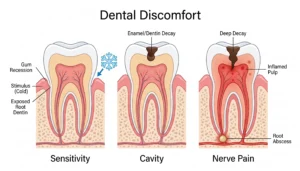
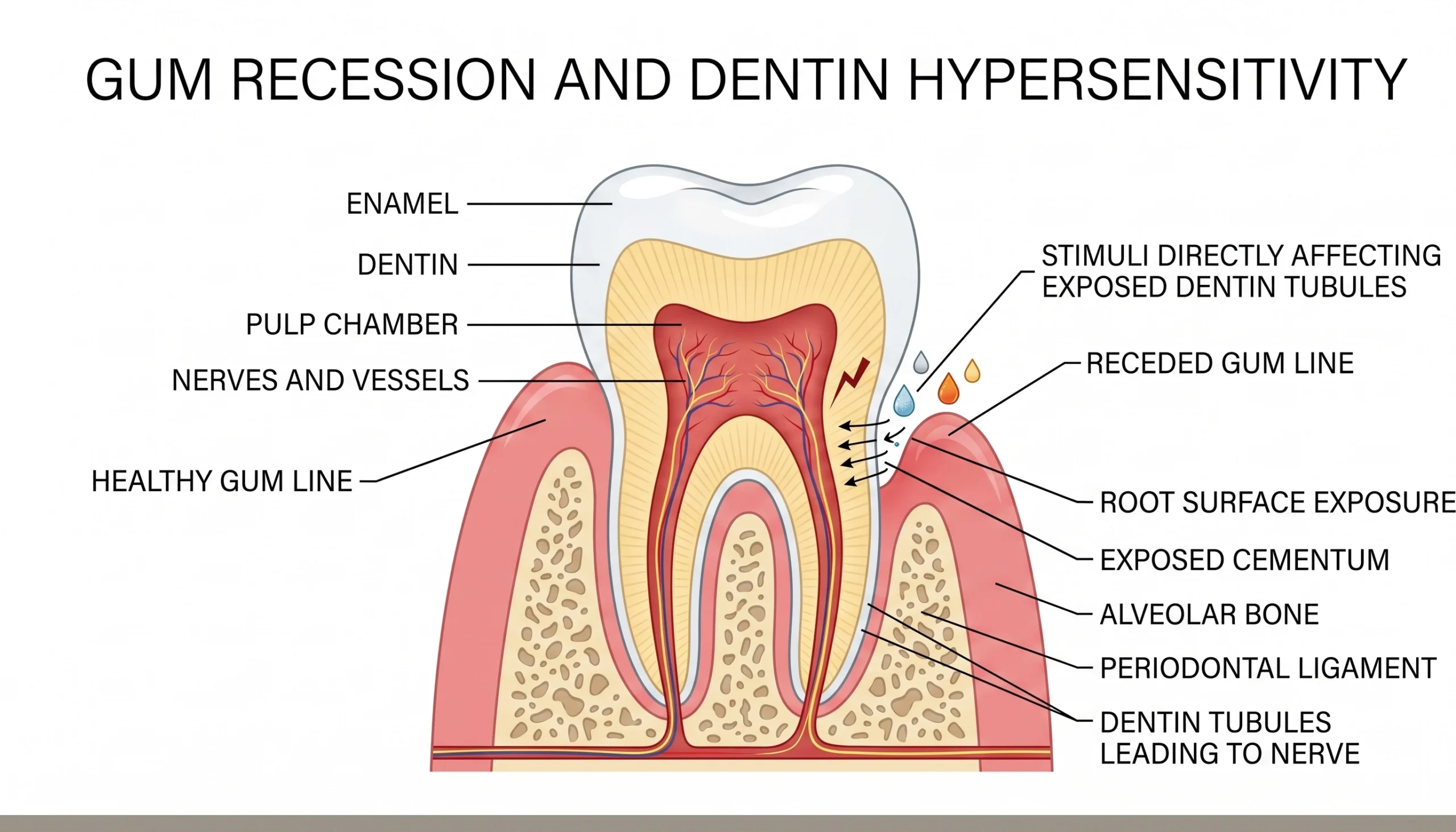
An exposed dental nerve occurs when the protective layers surrounding the nerve, including the enamel, cementum, and gum tissue, erode or recede to the point where the nerve itself becomes vulnerable to external stimuli. The following are the primary contributing factors:
1. Gum Disease and Gingival Recession
Various forms of periodontal disease can lead directly to nerve exposure. Severe gum inflammation or progressive gingival recession can leave the roots of the teeth and their surrounding nerve tissue unprotected.
Bacterial or fungal infections in the gum tissue can accelerate its deterioration, leading to significant tissue loss and, consequently, an exposed dental nerve.
2. Poor Oral Hygiene
Neglecting daily brushing and flossing creates an environment in which bacteria and plaque thrive. Over time, this leads to gum erosion, enamel breakdown, and ultimately nerve exposure.
The accumulation of tartar and plaque weakens the structural integrity of the teeth, promotes decay, and, if left untreated, allows the deterioration to reach the nerve canal.
3. Improper Use of Dental Cleaning Tools
While consistent oral hygiene is essential in both preventing and managing an exposed dental nerve, incorrect technique can paradoxically contribute to the problem.
Using a toothbrush with hard or medium bristles rather than soft ones can cause micro-abrasions on the enamel and gum tissue. Repeated aggressive brushing multiple times daily may progressively erode the protective layers surrounding the nerve.
Overuse of wooden toothpicks, application of excessive force during flossing, or using dental floss thicker than appropriate can also traumatise gum tissue and contribute to nerve exposure over time.
4. Abrasive and Chemical Dental Products
Certain mouthwashes and toothpaste formulations contain abrasive or chemical agents that weaken enamel and erode cementum, the calcified layer that covers and protects the tooth root and its nerve.
Teeth-whitening products, in particular, represent a significant risk factor for exposed dental nerve conditions. Whitening strips, pens, and adhesive patches often contain abrasive compounds capable of dissolving enamel and gradually exposing the underlying nerve tissue.
5. External Trauma and Genetic Predisposition
Physical injury to the mouth, teeth, or jawbone can compromise the protective structures surrounding the nerve. Trauma-induced damage may strip away the enamel and cementum, leaving the nerve vulnerable to irritation and infection.
Genetic factors also play a meaningful role; certain individuals are born with inherited tendencies toward thin enamel, rapid enamel wear, or accelerated cementum erosion, all of which increase susceptibility to nerve exposure.
You can use Temporary Dental Filling to cover and protect a damaged or exposed tooth following trauma until professional treatment is available.
Symptoms of an Exposed Dental Nerve
Recognising the clinical signs of an exposed dental nerve early enables more timely and effective intervention. Key symptoms include:
1. Dental Hypersensitivity
The most common and immediate indicator of nerve exposure is acute dental sensitivity. Patients typically describe sharp, electric-like pain triggered by exposure to extremely cold beverages, ice cream, or very hot foods. The pain is intense but tends to subside immediately after swallowing.
Pain may also be provoked by routine tooth brushing or any direct contact with the affected tooth, further signalling the presence of an exposed nerve.
2. Apparent Elongation of the Tooth
Under normal conditions, only the crown of the tooth is visible above the gumline. When gingival recession causes the roots and lower portions of the tooth to become exposed, the tooth appears visually longer than usual, a clinical indication of recession-associated nerve vulnerability.
3. Gum Pain and Inflammation
An exposed dental nerve frequently causes generalised oral discomfort, including inflammation and swelling of the surrounding gum tissue. This pain typically intensifies during meals or when breathing through the mouth, as airflow across the exposed area amplifies the sensation.
4. Tooth Discolouration
Yellowing or other changes in tooth colour may indicate enamel erosion or excessive plaque accumulation, both of which compromise the outer protective layer of the tooth and can eventually result in nerve exposure.
Professional Treatment of an Exposed Dental Nerve
There is no single universal surgical procedure for treating an exposed dental nerve; rather, treatment is guided by identifying and addressing the underlying cause.
When the root cause is a gum-related condition, the dentist will treat the affected periodontal tissue, prescribe appropriate antibiotics, and recommend anti-inflammatory agents to resolve the infection and reduce inflammation.
In cases where re-coverage of the nerve is necessary, the dentist may perform a gingival graft procedure or apply dental bridges, fillings, or crowns to shield the nerve from further external exposure and infection.
In less severe presentations, treatment of the exposed dental nerve may be as straightforward as recommending a low-abrasive, sensitivity-formulated toothpaste combined with an appropriate mouth rinse and the adoption of improved oral hygiene habits.
You can use Medical Gauze to gently manage post-procedure bleeding and protect the treated area following any dental intervention.
Distinguishing Between Cavity Pain and Nerve Pain
Before initiating treatment for an exposed dental nerve, it is important to determine whether the discomfort originates from dental caries or from nerve pathology.
Cavity pain is typically intermittent or persistent but is not necessarily linked to food or beverage consumption. Nerve pain, by contrast, is unrelenting, markedly intense, and does not respond to conventional analgesic measures.
Cavity pain resolves following the removal of decayed tissue and cessation of infection. Nerve pain, however, does not resolve with caries removal alone; it requires either extraction of the nerve, root canal therapy, or direct treatment of the condition responsible for the exposure.
In some cases, a complete cure for an exposed dental nerve may not be achievable, and treatment is focused on effective pain management, allowing the patient to maintain normal daily function.
Home-Based Pain Relief for an Exposed Dental Nerve
It is important to emphasise that nerve removal or desensitisation cannot be achieved through home remedies. However, certain herbal preparations may offer temporary pain relief until a dental consultation can be arranged.
1. Guava Leaf Decoction:
Guava leaves contain potent antioxidant compounds with documented anti-inflammatory properties. Boiling the leaves and using the resulting infusion as a mouth rinse can help reduce inflammation and alleviate discomfort temporarily.
2. Warm Saltwater Rinse:
A saline rinse serves as a natural antiseptic that cleanses the oral cavity and provides moderate pain relief. Dissolve one teaspoon of salt in a cup of boiled water and rinse several times daily.
3. Capsaicin or Clove Oil:
Capsaicin oil, derived from hot peppers, possesses well-documented anti-inflammatory properties. Applying a cotton swab soaked in the oil directly to the affected area for five to ten minutes can provide temporary relief. Peppermint oil and clove oil are equally effective alternatives due to their natural analgesic constituents.
You can use Sensitive Gum Toothpaste to reduce gum inflammation and provide lasting relief from nerve-related sensitivity as part of your daily oral care routine.
Restore Your Smile and Protect Your Dental Health
The pain associated with an exposed dental nerve is not merely a passing inconvenience; it is a physiological warning signal that demands prompt attention.
As detailed throughout this article, maintaining a consistent daily oral hygiene routine and avoiding harmful practices such as aggressive brushing or excessive use of whitening products represent the first line of defence against gingival recession and enamel erosion. Whether the solution lies in clinical intervention through fillings, crowns, or gingival grafts or in the adoption of a specialized care regimen, early diagnosis significantly reduces the risk of complications and long-term discomfort.
Do not allow dental sensitivity to diminish your quality of life. Schedule a consultation with a qualified dentist to have your condition properly evaluated, and consider sharing this article to raise awareness about the importance of preventive oral health care.
FAQs About the Exposed Dental Nerve
Can an exposed dental nerve heal on its own?
Will a dental nerve recover without professional treatment?
No, an exposed dental nerve does not self-heal and requires specialised dental intervention to address the underlying cause and protect the nerve.
How can I relieve nerve pain at home?
What home remedies help with exposed dental nerve pain?
Warm saltwater rinses, guava leaf decoctions, and clove oil applied to the affected area provide temporary pain relief until a dentist can be consulted.
What is the difference between cavity pain and nerve pain?
How do I distinguish between tooth decay pain and exposed nerve pain?
Cavity pain is intermittent and resolves with decay removal, while nerve pain is continuous, intensely sharp, and does not subside without targeted treatment.
Does teeth whitening cause nerve exposure?
Can whitening strips damage or expose the dental nerve?
Yes, excessive use of abrasive whitening products weakens enamel over time, which can progressively lead to an exposed dental nerve.
Can herbal remedies eliminate nerve pain permanently?
Is it possible to deaden a dental nerve using natural remedies at home?
No herbal remedies function only as temporary anti-inflammatories and analgesics; permanent nerve treatment requires professional dental care.
What are the main causes of dental nerve exposure?
Why does a tooth nerve become exposed and its roots visible?
The most common causes include gum inflammation and recession, tartar accumulation, poor oral hygiene, physical trauma, and genetic predisposition to thin enamel.
How does a dentist treat an exposed dental nerve?
What clinical procedures are used to eliminate nerve pain?
The dentist treats the inflamed gum tissue and may perform a gingival graft or place crowns and bridges to cover and protect the exposed nerve.
Does gum disease lead to nerve exposure?
What is the relationship between periodontal disease and dental nerve sensitivity?
Yes, untreated gum inflammation causes progressive tissue erosion and recession, eventually exposing the tooth roots and the protective layers surrounding the nerve.
What are the most common symptoms of an exposed dental nerve?
How do I know if my tooth nerve is exposed and damaged?
Primary symptoms include extreme sensitivity to hot and cold stimuli, gum swelling and tenderness, and a visually elongated appearance of the affected tooth.
Does aggressive brushing damage the dental nerve?
Can using a hard-bristle toothbrush expose the tooth nerve?
Yes, forceful brushing with a hard or medium-bristled brush causes enamel abrasion and gum erosion, which can progressively expose the underlying nerve.