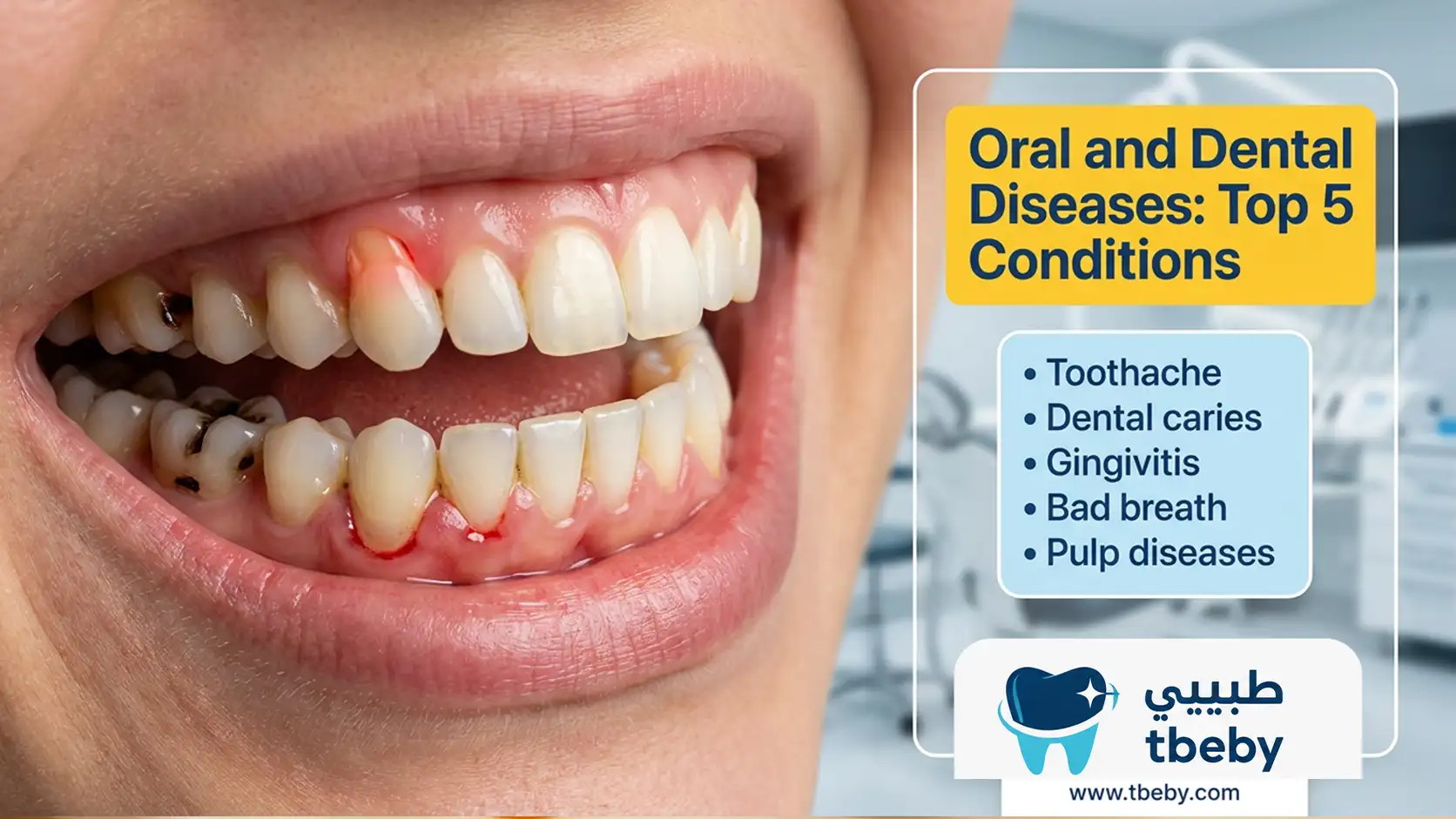

Oral and dental diseases represent some of the most prevalent health conditions affecting a significant proportion of the global population. The mouth serves as a direct reflection of the body’s overall health, making awareness of the most common oral and dental diseases, along with their treatment options and preventive measures, an essential component of general well-being for every individual.
It is important to emphasize, however, that clinical evaluation by a qualified dental professional remains the most reliable pathway to accurate diagnosis and effective treatment outcomes.
Types of Oral and Dental Diseases
Oral and dental diseases affect multiple structures within the oral cavity, and their classification depends on the anatomical site involved. Some conditions primarily compromise tooth integrity, others alter the color and appearance of the dentition, and still others target the periodontium, the supporting structures surrounding the teeth. Understanding these categories enables individuals to identify symptoms early and seek timely professional intervention.
You can use Toothpaste for Treating Sensitive Gum Inflammation to relieve gum sensitivity and reduce inflammation associated with common oral and dental diseases.
The 5 Most Common Oral and Dental Diseases
1. Toothache
Toothache is among the most frequently reported symptoms across the full spectrum of oral and dental diseases. It arises from damage or pathological changes to the dentin, the dental pulp, or the periodontium, and may result from a variety of underlying etiological factors.
Intraoral Symptoms
Toothache manifests through a distinct set of intraoral signs, particularly during eating and drinking:
- Acute pain upon biting, pressure, or mastication
- Thermal sensitivity to hot or cold beverages
- Inflammation and discomfort in the surrounding gingival tissue
- Localized gingival swelling in the affected region
- Recurrent oral ulceration
- Progression to persistent gingival bleeding in advanced cases
Extraoral Symptoms
In some cases, dental pathology produces referred pain experienced outside the oral cavity, including:
- Fever and elevated body temperature
- Lymph node swelling
- Persistent headache
- Referred pain in the ear region
You can use Gum Protection toothpaste to strengthen your gums and minimize pain triggered by pressure or temperature sensitivity.
2. Dental Caries (Tooth Decay)
Dental caries is among the most prevalent of all oral and dental diseases worldwide. It results from the accumulation of food debris and bacterial biofilm on tooth surfaces, which triggers the production of acidic metabolic by-products that progressively erode the protective enamel layer, ultimately leading to structural tooth decay.
Clinical Symptoms
- Pain during mastication or when pressure is applied to the affected tooth
- Visible pits, holes, or surface fractures detectable by the naked eye
- Thermal sensitivity accompanied by pain upon exposure to hot or cold stimuli
- Formation of ulcers and periapical abscesses around the affected tooth
Treatment Options
Treatment of dental caries is staged according to the severity of the lesion:
| Stage | Treatment Approach |
| Early-stage caries | Fluoride therapy sessions to remineralize enamel |
| Moderate decay | Dental restorations using composite or amalgam fillings |
| Advanced decay | Prosthodontic restorations following complete caries removal |
| Severe structural loss | Extraction of the non-restorable tooth |
3. Gingivitis and Periodontal Disease
Gingivitis and periodontal disease represent a progressive spectrum of oral and dental diseases caused by bacterial accumulation in the gingival sulcus surrounding the teeth. When left untreated, these conditions can advance to irreversible destruction of the periodontium, ultimately resulting in complete tooth loss.
Clinical Symptoms
- Gingival inflammation accompanied by erythema (redness)
- Generalized gingival edema (swelling)
- Spontaneous or stimulus-induced gingival bleeding
- Gingival recession, apical migration of the gingival margin, leading to tooth mobility or exfoliation
Prevention and Treatment Recommendations
- Adhere to a consistent oral hygiene regimen using both a toothbrush and fluoridated toothpaste
- Incorporate daily interdental flossing to prevent interproximal food accumulation
- Use an antimicrobial mouth rinse twice daily
- Adopt health-supportive lifestyle modifications, including reduction of sugar and refined carbohydrate intake, smoking cessation, avoidance of carbonated beverages, and management of nocturnal bruxism (teeth grinding)
4. Halitosis (Bad Breath)
Halitosis, the persistent emission of malodorous breath, is a widespread concern among oral and dental diseases that significantly impacts social confidence and interpersonal communication. Contributing factors include interproximal food retention, inadequate oral hygiene practices, tobacco use, active dental caries, and xerostomia (dry mouth) resulting from reduced salivary flow.
Management Protocol
Upon the onset of halitosis, prompt consultation with a dental professional is strongly recommended. Professional management typically involves:
- Supragingival and subgingival scaling to remove calculus deposits and bacterial biofilm
- Diagnosis and treatment of any existing intraoral pathology, including caries management
- Patient education on comprehensive oral hygiene, encompassing brushing technique, interdental flossing, and routine mouth rinse use.
You can use Anticavity Toothpaste to eliminate bacteria responsible for tooth decay and neutralize the underlying causes of persistent bad breath.
5. Pulp Diseases (Pulpitis)
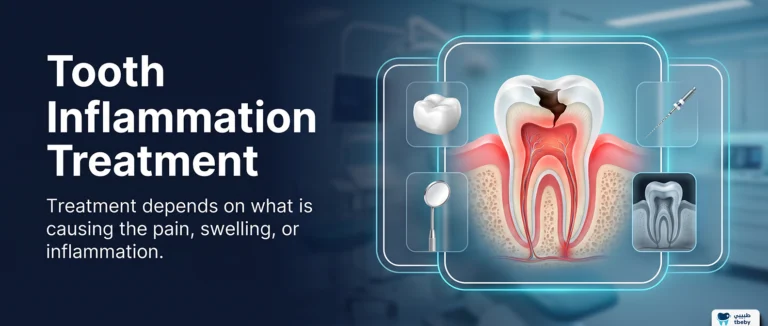
Pulpitis, inflammation of the dental pulp, represents one of the more complex categories of oral and dental diseases, requiring careful clinical differentiation between reversible and irreversible forms.
Reversible Pulpitis
In cases of reversible pulpitis, the pulpal tissue retains sufficient vitality to recover following conservative restorative treatment, negating the need for pulp extirpation.
Irreversible Pulpitis
Irreversible pulpitis necessitates endodontic therapy, commonly referred to as root canal treatment, which involves the following procedural stages:
- Complete removal of the necrotic or inflamed pulpal tissue
- Thorough chemo-mechanical debridement of the root canal system using antiseptic irrigants
- Obturation of the root canals with an appropriate biocompatible filling material
- Radiographic verification at each stage to ensure precision and completeness of treatment
Your Smile Reflects Your Health: The First Step Toward a Disease-Free Mouth
Oral and dental health is an inseparable component of overall systemic well-being. As demonstrated throughout this article, the most common oral and dental diseases, including caries, gingivitis, and pulpitis, are largely preventable through early intervention and consistent daily care. Effective oral hygiene is not merely a cosmetic routine; it constitutes the primary defense against the complications that these conditions can impose on quality of life.
Early diagnosis makes a decisive difference in the speed and success of treatment. Begin today by incorporating comprehensive dental hygiene tools into your daily regimen, and prioritize scheduling regular professional check-ups with a qualified dental practitioner, investing in a healthy, lasting smile that endures throughout your lifetime.
FAQs About Oral and Dental Health
What are the most common causes of dental pain?
Why am I experiencing sudden, unexplained tooth pain?
Toothache typically results from dental caries, deep periodontal inflammation, or exposure and damage to the dentin and dental pulp.
Can dental problems cause pain outside the mouth, such as headaches?
What external symptoms indicate the presence of oral or dental inflammation?
Yes, dental pathology can produce referred pain manifesting as persistent headaches, earache, or swelling of the surrounding lymph nodes.
How does dental caries develop and begin destroying tooth structure?
What is the primary cause of carious lesion formation?
Caries develops through the accumulation of food residue and bacterial activity, which produces acids that progressively erode the hard enamel layer of the tooth.
Why do my gums bleed persistently when I brush my teeth?
Why do I notice blood in my gums when using a toothbrush or dental floss?
Gingival bleeding is most commonly attributable to gingivitis caused by calculus and bacterial biofilm accumulation at the gingival margin due to inadequate deep-cleaning practices.
How can I permanently eliminate bad breath?
What is the most effective treatment for persistent oral malodor during speech?
Eliminating bad breath requires consistent dual oral hygiene (brushing and flossing), professional scaling at a dental clinic, and resolution of any existing carious lesions.
How important is daily dental floss use in an oral hygiene routine?
Is toothbrushing alone sufficient, or is dental floss also necessary?
Dental floss is essential for removing fine food particles and accumulated bacteria from interproximal spaces that a toothbrush cannot effectively reach.
Are fluoride therapy sessions an effective treatment for dental caries?
When does a dentist recommend fluoride as a treatment modality?
Yes, fluoride therapy is highly effective in the early stages of caries by reinforcing enamel mineralization and preventing further structural deterioration.
When does a dentist determine that root canal treatment is necessary?
What clinical conditions require pulp extirpation and root canal therapy?
Root canal treatment is indicated when deep inflammation or caries has reached the dental pulp, causing irreversible damage that cannot be managed through conservative local intervention.
Why do I experience sharp pain when consuming hot or cold beverages?
What causes tooth sensitivity to changes in temperature?
Thermal sensitivity results from enamel erosion or gingival recession, both of which expose the underlying nerve endings of the tooth to external stimuli.
How can I effectively protect myself from oral and dental diseases?
What daily health habits help prevent oral inflammation and tooth decay?
Maintain twice-daily brushing along with flossing and mouth rinse use, reduce sugar consumption, and visit your dentist regularly for professional examinations.
https://www.webmd.com/oral-health/ss/slideshow-tooth-problems