
A white layer on the gums after tooth extraction is one of the most common concerns patients report following a dental procedure, and understanding what it means can make all the difference between unnecessary anxiety and informed recovery. Whether you are recovering from a routine extraction in Cairo, Riyadh, Alexandria, or Jeddah, this article provides a comprehensive, clinically grounded explanation of why this white tissue appears, what it signals about your healing process, and exactly how to manage it safely at home.
What Is the White Layer on Gums After Tooth Extraction?
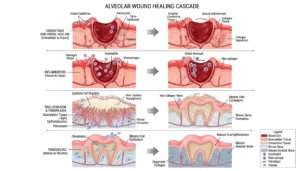
The appearance of a white layer on the gums after tooth extraction is not a sign of infection or complications in the vast majority of cases. On the contrary, it is a biological indicator that your body has initiated the natural wound-healing cascade.
This white tissue, known clinically as granulation tissue, forms as part of the body’s innate repair mechanism. It begins developing within the first 24 to 48 hours following extraction and serves a critical protective function over the exposed socket.
Understanding the sequential stages of this process helps contextualise why this layer appears and why it should not cause alarm.
You can use Medical Gauze to control bleeding immediately after extraction and protect the socket during the early stages of healing.
Causes of the White Layer on Gums After Tooth Extraction
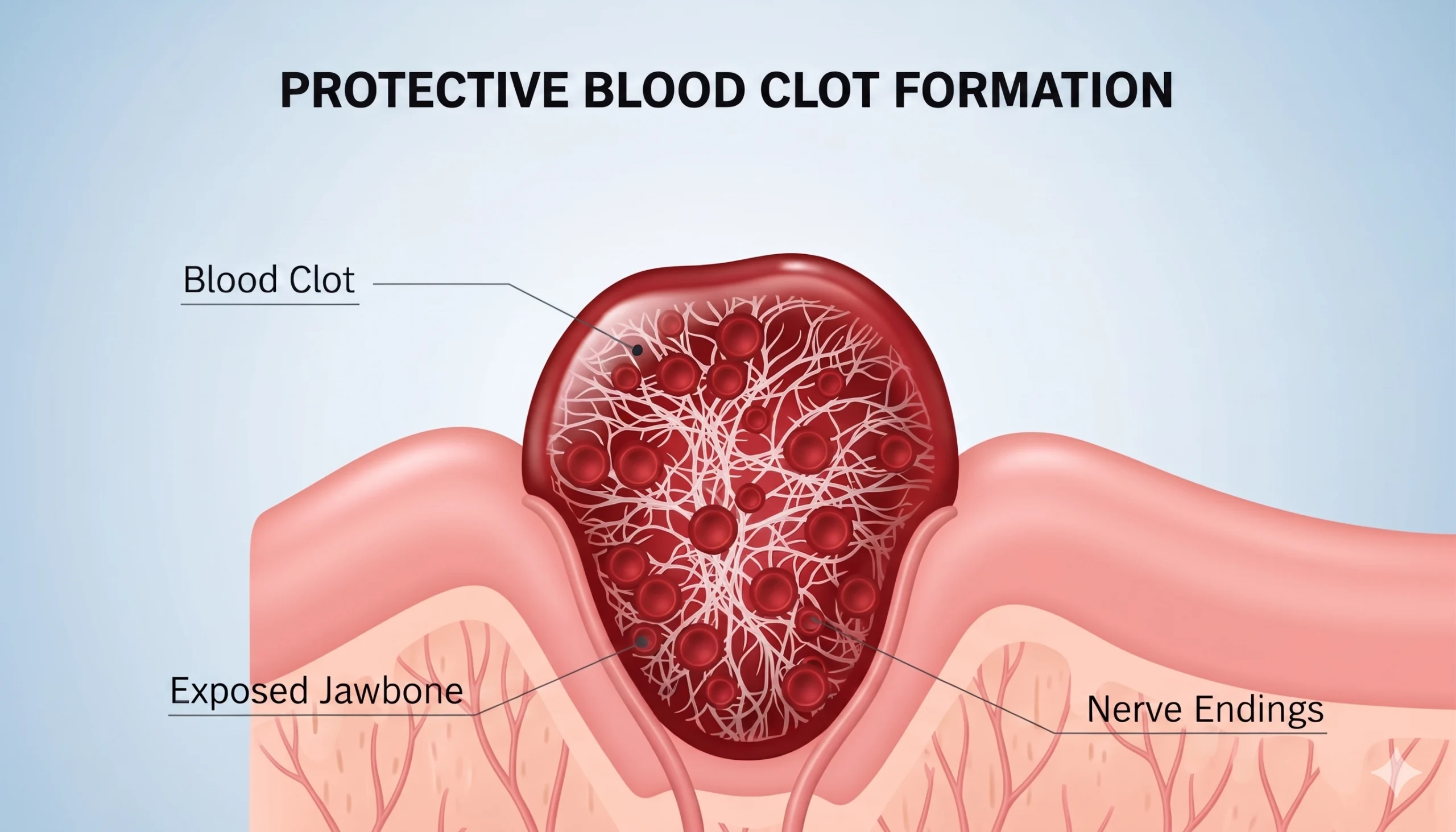
1. Blood Clot Formation (Day 1)
Within the first hours after extraction, a blood clot forms inside the empty tooth socket. This clot acts as a biological seal, halting the bleeding and protecting the underlying bone and nerve tissue from external exposure.
Patients in Egypt and Saudi Arabia who undergo extractions during warm-weather months should be particularly mindful to avoid activities that dislodge the clot, as heat and physical exertion can increase the risk of dry socket.
2. Granulation Tissue Development (Days 2–5)
Following clot formation, the body begins producing granulation tissue, a soft, white-to-cream-colored cellular matrix composed of collagen fibers, new blood vessels, and immune cells. This is the white layer on the gums after tooth extraction that most patients observe and question.
This tissue is clinically healthy. Its pale colouration is a result of the fibrin network and newly forming connective cells, not infection or necrosis.
3. Tissue Remodelling and Wound Closure (Days 7–10)
Approximately seven to ten days post-extraction, the white granulation layer gradually fades as new epithelial cells migrate across the wound surface. By this stage, bone cell activity has also commenced beneath the tissue, laying the foundation for complete socket closure.
The white layer on the gums after tooth extraction will naturally disappear during this phase without requiring intervention.
You can use Gum Repair Foam to support gum tissue regeneration and accelerate the natural healing process during the remodelling phase.
Symptoms and Complications Following Tooth Extraction
While the white granulation layer is a normal finding, certain accompanying symptoms may indicate a complication requiring professional evaluation. Patients should carefully distinguish between expected post-operative signs and pathological indicators.
1. Normal post-extraction findings include:
- White or cream-colored tissue over the socket
- Mild swelling of the cheek and jaw
- Low-grade sensitivity around adjacent teeth
- Slight metallic taste during the first 24 hours
2. Symptoms requiring immediate dental consultation include:
- A black or dark layer appearing on the gums
- Severe, unrelenting pain beyond day three (suggestive of dry socket)
- High-grade fever exceeding 38.5°C
- Profuse bleeding that does not respond to pressure
- Persistent numbness or paraesthesia of the lip or tongue
- A foul taste in the mouth is indicative of abscess formation
Does Tooth Extraction Affect Adjacent Teeth?
A frequently asked question among patients across Egypt and the broader Arab world is whether extracting one tooth compromises the structural integrity of neighbouring teeth. The clinical answer is nuanced and merits careful consideration.
1. Tooth Drifting and Misalignment
When a tooth is extracted and the socket is left unrestored, the adjacent and opposing teeth may gradually shift into the vacant space over weeks or months. This drift can disrupt occlusal alignment, complicate future restorative treatment, and alter the patient’s bite pattern.
Prosthodontic solutions, including dental implants, fixed bridges, or removable partial dentures, are strongly recommended to preserve arch integrity following extraction.
2. Impact on Chewing Function
The absence of a molar or premolar can significantly reduce masticatory efficiency on the affected side. Patients may unconsciously favour the opposite side, leading to uneven wear, temporomandibular strain, and increased loading on remaining teeth.
3. Risk of Secondary Inflammation
In some cases, the inflammatory response associated with extraction may extend to adjacent periodontal structures, particularly if pre-existing gingival disease was present. Maintaining meticulous oral hygiene around neighbouring teeth is essential during the recovery period.
To protect adjacent teeth from plaque accumulation, which can intensify post-extraction inflammation, use a medium-bristle toothbrush with a broad head to ensure thorough and gentle cleansing of all surrounding surfaces.
How to Treat the White Layer on Gums After Tooth Extraction at Home
Managing the white layer on gums after tooth extraction at home requires consistent oral hygiene and simple behavioural adjustments that support natural tissue healing.
1. Daily Tooth Cleaning
Brush gently twice daily using a soft-to-medium bristle toothbrush, carefully avoiding any direct contact with the extraction site.
2. Interdental Cleaning
Use dental floss around adjacent teeth to remove food debris that accumulates near the socket between brushing sessions.
3. Tongue Scraping
A tongue scraper reduces bacterial load on the tongue’s surface, minimising the risk of secondary oral infection during recovery.
4. Alcohol-Free Mouthwash
Rinse with an alcohol-free antiseptic mouthwash to lower intraoral bacterial counts without irritating the healing gum tissue.
5. Dietary Adjustments
Prioritise soft, nutrient-dense foods. Avoid spicy, heavily seasoned, or crunchy foods that may mechanically disturb the socket.
6. Avoid Tobacco and Alcohol
Both substances impair the microvascular supply essential for tissue regeneration. Patients in Riyadh, Cairo, and across the region should abstain for a minimum of 72 hours post-extraction.
7. Limit Whitening Products
Overuse of whitening agents irritates the oral mucosa and can delay epithelial recovery at the extraction site.
8. Modulate Analgesic Use
Use pain medications conservatively and strictly within the dosage prescribed by your dental practitioner.
You can use Hydroxyapatite Toothpaste to remineralise and strengthen the enamel of adjacent teeth while supporting overall oral tissue recovery after extraction.
Pre-Extraction Instructions to Minimise Complications
Preparing properly before a dental extraction significantly reduces the likelihood of post-operative complications, including the development of abnormal tissue responses.
1. Thorough Pre-Procedural Oral Hygiene
Patients should brush and floss their teeth thoroughly before attending their appointment. A clean oral environment facilitates the extraction procedure and reduces the risk of introducing bacteria into the wound site.
2. Address Active Infections First
If there is an active abscess or acute infection present in the tooth scheduled for extraction, your dentist may recommend a course of antibiotics before the procedure. Extracting through an active infection increases both the difficulty of achieving adequate anaesthesia and the risk of post-operative complications.
3. Disclose Anticoagulant Medications
Patients currently prescribed anticoagulant therapy, commonly used for cardiac conditions prevalent across the Egyptian and Saudi populations, must inform their dentist before the procedure. These medications substantially increase intraoperative and postoperative bleeding risk and may require temporary modification under physician supervision.
4. Psychological Preparation
Dental anxiety is a recognised clinical phenomenon. Understanding that the procedure is performed under local anaesthesia and that discomfort will be minimal can help patients approach the appointment with greater calm and cooperation.
Post-Extraction Care Instructions
Following evidence-based post-extraction protocols is the most effective way to prevent complications and ensure the white layer on the gums after tooth extraction resolves naturally.
1. Apply Cotton Gauze Immediately
Place a clean cotton gauze pad firmly over the socket and bite gently for 30 to 45 minutes. This stabilises the clot and controls initial bleeding.
To ensure safe and hygienic bleeding control right after extraction, dental cotton balls are the ideal post-operative care tool.
2. Avoid Rinsing for the First 24 Hours
Do not rinse, spit forcefully, or use mouthwash during the first 24 hours. The pressure from rinsing can dislodge the blood clot and trigger a dry socket.
3. Resume Gentle Rinsing on Day Two
From the second day, rinse gently with warm saltwater, one teaspoon of salt per glass, after every meal to reduce bacterial buildup and support healing.
4. Apply Ice for Swelling
If swelling develops, apply an ice pack to the cheek in 10-minute intervals. This limits the inflammatory enema and provides effective pain relief.
5. Use Cold Tea Compresses
Black tea contains tannic acid, which promotes vasoconstriction and clot stability. Place a cooled tea bag over the socket for several minutes for supplementary haemostatic support.
6. Restrict Physical Activity
Avoid strenuous exercise for at least 24 hours post-extraction. Elevated blood pressure can compromise clot integrity and reactivate socket bleeding.
7. Observe a Three-Hour Dietary Fast
Abstain from food for at least three hours after extraction to allow the clot to stabilise before any masticatory pressure is applied.
8. Cease Smoking for 24 Hours
The suction mechanics of smoking, combined with tobacco toxins, are a leading cause of dry socket. Complete cessation for a minimum of 24 hours is essential for safe healing.
Safe Recovery After Tooth Extraction: When to Worry and How to Respond
There is no doubt that tooth extraction can feel like an unsettling experience for many patients. However, the appearance of the white layer, specifically the granulation tissue on the gums afterwards, is a positive clinical sign and a healthy indication that wound healing has begun and new tissue formation is underway. It is not a cause for concern.
The key to navigating the post-extraction phase safely lies in strict adherence to your dentist’s instructions, maintaining consistent oral hygiene, and avoiding counterproductive behaviours such as smoking and aggressive rinsing during the critical early hours.
Always monitor for abnormal symptoms, including elevated temperature, severe haemorrhage, or an unexplained black discolouration of the gum tissue, and do not hesitate to contact your dental practitioner immediately if any of these arise.
FAQs About Tooth Extraction and Gum Recovery
Is a white layer on the gums after tooth extraction dangerous?
Should I be concerned if I notice a white patch on my gums following an extraction?
No, this layer is known as granulation tissue and is a completely normal sign indicating that the wound has begun healing naturally.
When does the white discolouration disappear and the gum fully heal?
How long does it take for the extraction wound to close and return to its normal appearance?
The white layer begins fading gradually, and the wound heals to form new cells within approximately ten days of the extraction.
Can my other teeth be damaged because of this extraction?
Does removing one tooth negatively affect the alignment of surrounding teeth?
Yes, the gap may sometimes cause adjacent teeth to shift or affect chewing, which can be addressed later with implants or dental prosthetics.
Can I rinse my mouth with water immediately after tooth extraction?
When am I allowed to wash my mouth or use mouthwash following the extraction?
Rinsing is prohibited on the first day to prevent bleeding; gentle saltwater rinsing is permitted from the second day onward.
When can I resume smoking after having a tooth extracted?
Does smoking harm the extraction wound immediately after the procedure?
Smoking must be avoided for at least 24 hours after extraction to prevent wound contamination and delayed healing.
When am I allowed to eat after visiting the dentist for an extraction?
How many hours should I fast from food and drink after my tooth has been removed?
It is advised to abstain completely from eating for three consecutive hours after the extraction to ensure blood clot stability.
What is the benefit of applying ice packs to the cheek after tooth extraction?
How can I reduce facial swelling resulting from a tooth extraction?
Applying ice for ten minutes effectively constricts blood vessels, reduces swelling, and relieves pain in the cheek area.
Can I brush my teeth normally after an extraction?
What is the correct method for cleaning my mouth while the wound is still fresh?
Yes, brushing is allowed, but exercise extreme caution and completely avoid touching the extraction site with the brush to prevent bleeding.
Can I take large amounts of painkillers to manage severe post-extraction pain?
What is the safe limit for using pain medications after tooth removal?
Analgesics should be minimised as much as possible and taken only when necessary, strictly within the dosage prescribed by your dentist.
When should I visit the dentist immediately after a tooth extraction?
What serious symptoms require urgent medical attention following the extraction?
Seek immediate dental care if you experience severe uncontrolled bleeding, a black gum layer, high fever, or unbearable pain.
Meta Description: Noticed a white layer on your gums after tooth extraction? Discover the real causes, whether it’s dangerous, and the best home care tips for safe recovery in 2026.
Source
https://www.nhs.uk/tests-and-treatments/wisdom-tooth-removal/