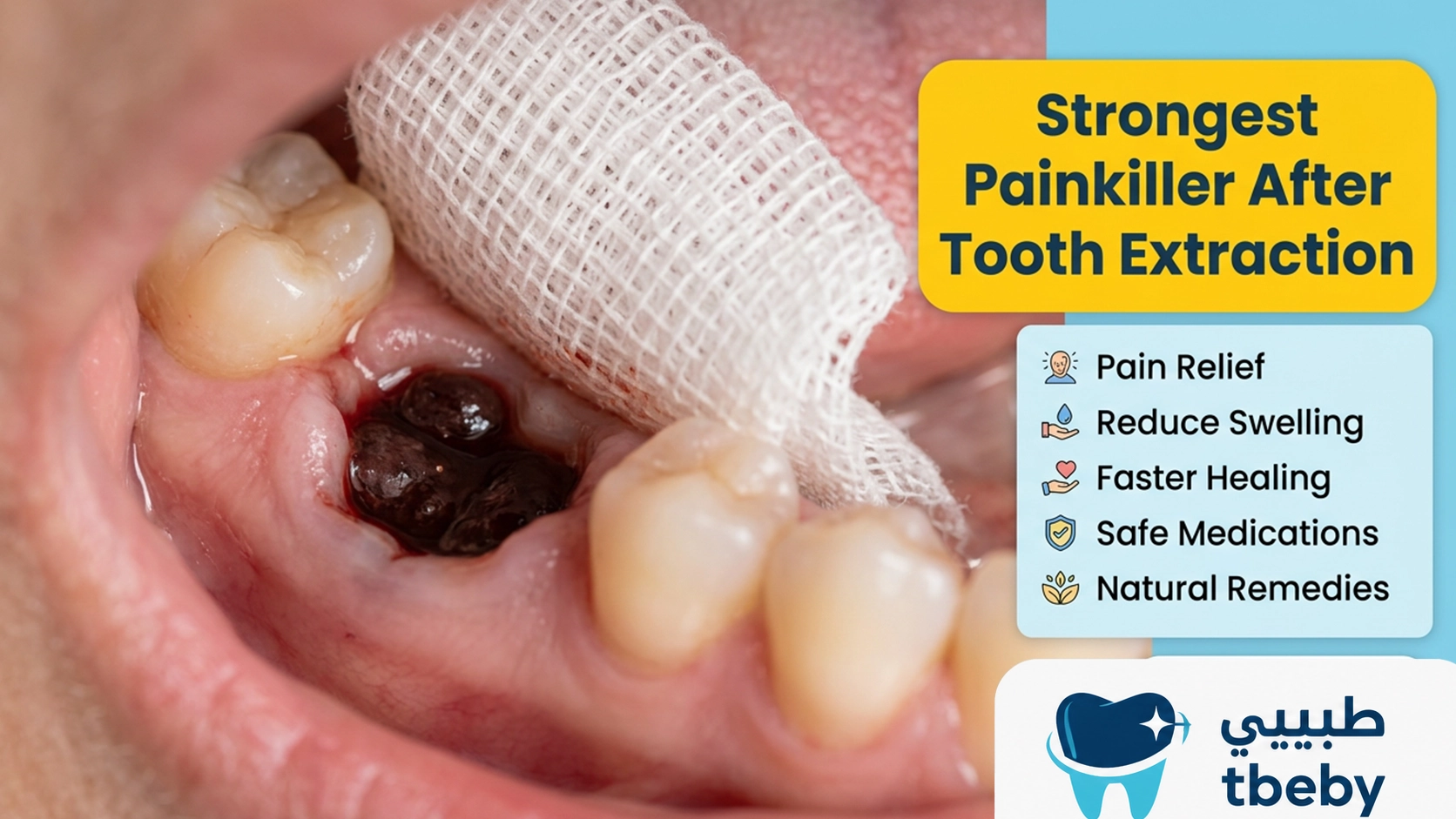

Strongest painkiller after tooth extraction is a phrase many patients search for once the anesthesia wears off and discomfort begins to set in. Tooth extraction is a necessary procedure for preserving overall oral health, but it often leaves patients facing a new challenge: managing pain and swelling in the days that follow.
For this reason, many people look for effective pain relief options that can help them get through this difficult period with minimal discomfort.
Causes of Tooth Extraction
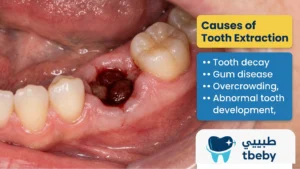
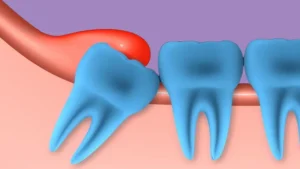
Tooth extraction is a procedure in which a tooth is removed from its socket in the gum. Several conditions may make extraction necessary, including the following:
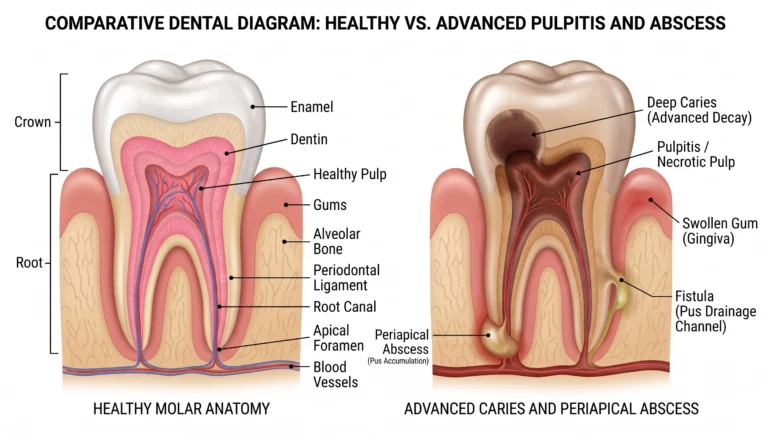
- Tooth decay is caused by the buildup of bacteria and sugars on the tooth surface, which erodes the outer enamel layer and forms a cavity.
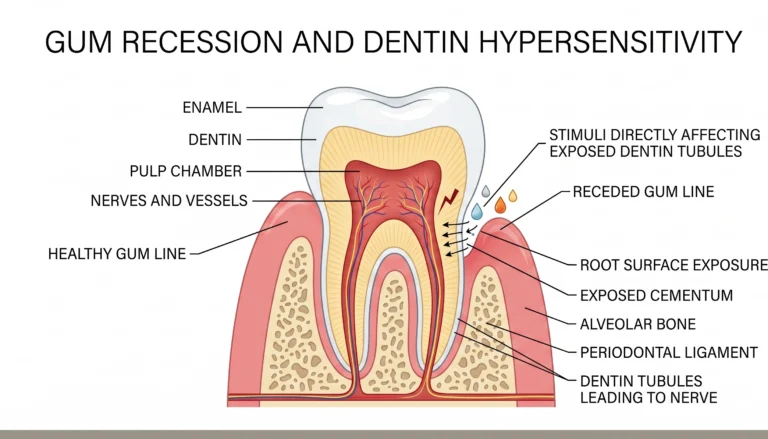
- Gum disease, which can damage the tissue surrounding the tooth to the point where it can no longer be saved and must be removed.
- Tooth damage resulting from fractures caused by falls, sports injuries, or other accidents.
- Overcrowding, a condition in which extra teeth cause misalignment and disrupt the natural arrangement of the teeth.
- Abnormal tooth development, which can prevent a tooth from settling properly into its socket.
To care for the extraction site afterward, sterile dental cotton balls can be used to absorb blood and protect the wound during the first few hours as healing begins.
You can use Medical Gauze to control bleeding and protect the extraction site during the initial healing hours.
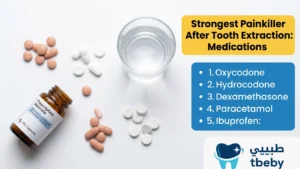
Strongest Painkiller After Tooth Extraction: Medications
It is essential to consult a dentist before taking any type of painkiller, since a professional can provide specific guidance based on your health condition and medical history.
The following are some medications commonly used as the strongest painkiller after tooth extraction:
1. Oxycodone:
A potent opioid used to relieve severe pain. It is typically available by prescription only and must be taken exactly as directed by a physician.
2. Hydrocodone:
Another strong opioid painkiller used for moderate to severe pain, requiring medical consultation before use.
3. Dexamethasone:
Not a painkiller in the strict sense, but a corticosteroid used to reduce inflammation and swelling.
4. Paracetamol:
An analgesic and fever reducer, generally less potent than opioids. It is commonly used for mild to moderate pain.
5. Ibuprofen:
A nonsteroidal anti-inflammatory drug (NSAID) that relieves both pain and inflammation.
Medication should always be taken according to a dentist’s instructions, since only a professional can advise based on your specific health history. Avoid taking medication irregularly or in doses higher than recommended.
Natural Painkiller for Tooth Extraction Pain
If you are experiencing pain following a tooth extraction, several natural methods may help relieve discomfort and speed up healing. However, always consult your dentist before trying any of these methods, particularly if the pain is severe or persistent.
Helpful natural methods include:
- Applying ice cubes wrapped in a soft cloth to the extraction area for 15–20 minutes, which can reduce inflammation and pain.
- Using natural anti-inflammatory substances such as turmeric and extra virgin olive oil, after consulting your dentist about safe usage.
- Rinsing with warm salt water, which helps cleanse the mouth and reduce inflammation.
You can use Temporary Dental Fillings to protect adjacent weakened teeth while managing discomfort during the recovery period.
Herbal Treatment After Tooth Extraction
Certain natural herbs may help relieve pain after tooth extraction and support wound healing. Always consult your dentist before using any herbal remedy to avoid negative interactions with medications or existing health conditions.
1. Cloves
Applying clove after tooth extraction offers anti-inflammatory properties and is considered the strongest painkiller after tooth extraction among natural remedies. Diluted clove oil can be applied by placing a few drops on a clean cotton swab and gently pressing it against the extraction site.
2. Cumin
Cumin is believed to have pain-relieving and anti-inflammatory properties. Drinking cumin infusion regularly may help ease discomfort.
3. Chamomile
Chamomile has calming and anti-inflammatory qualities. It can be prepared as a tea for drinking or used as a mouth rinse.
4. Aloe Vera Leaves
Aloe vera is a natural soothing agent known to support wound healing. The gel from a freshly cut aloe leaf can be applied directly to the wound.
5. Peppermint Oil
Peppermint oil has a refreshing and pain-relieving effect. A few drops mixed with a carrier oil, such as almond oil, can be gently massaged around the extraction area.
To enhance the effect of these natural remedies and reduce swelling, reusable ice compresses can be used, as they help soothe pain and support faster healing.
Benefits of Salt Water After Tooth Extraction
Using a saltwater rinse after tooth extraction offers several benefits for healing and comfort:
- Cleansing and disinfecting the wound area, reducing infection risk and supporting the healing process.
- Reducing swelling, such as by applying the solution to the wound, can help calm inflammation.
- Improving moisture balance around the wound, which is important for proper healing.
Most Important Tips After Tooth Extraction
Following a few simple guidelines after tooth extraction can help ensure proper healing and avoid complications:
- Avoid intense physical activity on the first day after extraction, as it can increase bleeding.
- Do not drink through a straw, as suction can dislodge the healing blood clot.
- Avoid biting the extraction area to prevent irritation and reduce infection risk.
- Apply an ice pack wrapped in cloth to the cheek for 15–20 minutes to reduce swelling and pain.
- Avoid hard foods on the extraction side for several days; replace them with liquids and soft foods.
- Follow your dentist’s instructions regarding prescribed painkillers, using them at the recommended dosage to help manage pain and swelling. This is often the strongest painkiller after tooth extraction when combined correctly with rest.
- Maintain oral hygiene by gently rinsing with warm salt water or an antibacterial mouthwash as recommended by your dentist.
- Avoid vigorous rinsing or forceful mouth movements during the first few days, as this can increase bleeding risk.
Despite following these precautions, some pain and discomfort are normal after extraction. If pain persists abnormally or signs of infection appear, such as fever, severe swelling, or ongoing redness, contact your dentist immediately.
You can use Toothache Relief Paste to ease lingering discomfort as part of your post-extraction care routine.
Tooth Extraction Healing Time
Healing time after tooth extraction depends on several factors, including the complexity of the extraction, the patient’s overall health, and how well post-extraction care is followed. Generally, wound healing can take anywhere from two weeks to several weeks.
Following your dentist’s instructions closely is essential for successful healing. In some cases, follow-up visits may be needed to monitor healing progress and rule out complications such as infection or delayed recovery.
How to Relieve Tooth Extraction Pain?
Pain after tooth extraction is normal, but several strategies can help ease discomfort and support healing, including applying ice, using appropriate painkillers, and avoiding hard foods and hot beverages.
Conclusion
In conclusion, after discussing the strongest painkiller after tooth extraction, it is clear that multiple effective solutions and treatments are available. However, it remains essential to consult your dentist before taking any medication, as they can best evaluate your condition and recommend the option most suitable for your health and pain level.
FAQs About Pain and Recovery After Tooth Extraction
What is the strongest painkiller after tooth extraction for wisdom teeth or regular molars?
Which pain medication is recommended for relieving tooth extraction pain?
Ibuprofen or paracetamol are commonly used for mild to moderate pain, while stronger prescription painkillers may be prescribed depending on severity.
How many days does pain last after tooth removal?
When does pain completely disappear after a tooth extraction procedure?
Pain typically peaks during the first two days and gradually fades, usually disappearing within one to two weeks.
When can I start rinsing with salt water after a decayed tooth extraction?
Is saltwater rinsing helpful after tooth extraction, and how should it be used?
Gentle rinsing with warm salt water is recommended starting 24 hours after extraction to disinfect the wound and reduce swelling.
How can I use cloves as a natural painkiller for the extraction site?
Does clove oil really relieve tooth extraction pain?
Yes, diluted clove oil can be applied with a clean cotton swab around the extraction area to relieve pain due to its anti-inflammatory properties.
When can I resume eating normally after extraction?
What foods are allowed or restricted in the first days after tooth extraction?
Soft foods and cold liquids are recommended in the first days, while chewing on the extraction side and hard or very hot foods should be avoided.
Why is drinking through a straw prohibited after tooth extraction?
What is the reason for avoiding straws after a molar is removed?
Suction can dislodge the protective blood clot, leading to bleeding or a painful condition known as dry socket.
How do I reduce cheek swelling after an extraction procedure?
What is the fastest way to treat swelling caused by tooth removal?
Apply an ice pack wrapped in cloth to the outer cheek for 15 minutes at a time, repeated during the first 24 hours.
How long does it take for the gum wound to heal after extraction fully?
What is the normal healing period for the extraction site to close?
Surface healing usually takes about two weeks, while the underlying jawbone may require several weeks or months to fully recover.
Can I brush my teeth on the day of the extraction?
What is the correct way to clean teeth without disturbing the extraction site?
Yes, continue brushing the rest of your teeth gently to prevent bacterial buildup, but avoid the extraction area entirely during the first few days.
What warning signs require an immediate visit to the dentist after extraction?
When is pain or bleeding after tooth removal considered abnormal?
See your dentist immediately if you experience heavy, continuous bleeding, pain unrelieved by medication, or signs of infection such as fever.