
Tooth decay in children is one of the most prevalent and concerning oral health challenges facing families worldwide. Our children reflect our care and attention as parents; their discomfort becomes our own, and their oral health is a direct indicator of the guidance and habits we instill in them from an early age. Across all global communities, pediatric dental caries remains a leading chronic childhood condition, affecting millions of children regardless of geographic or socioeconomic background. Throughout this article, we will explore the symptoms, causes, forms, and both home-based and clinical treatment options for tooth decay in children, providing parents with the comprehensive knowledge needed to protect their children’s smiles at every stage of development.
Symptoms of Tooth Decay in Children
Tooth decay in children presents through several identifiable signs that parents and caregivers can recognize before the condition progresses to more severe stages.
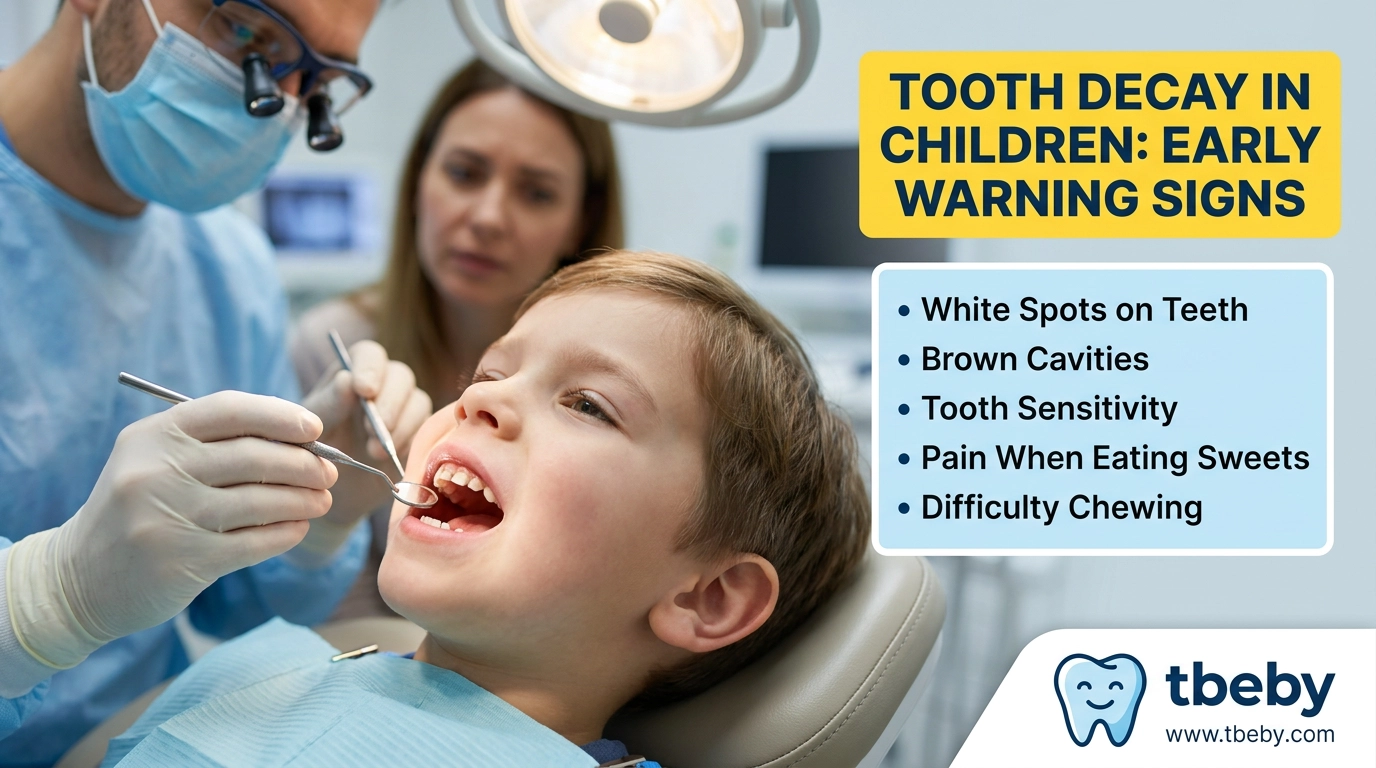
1. Appearance of White Spots
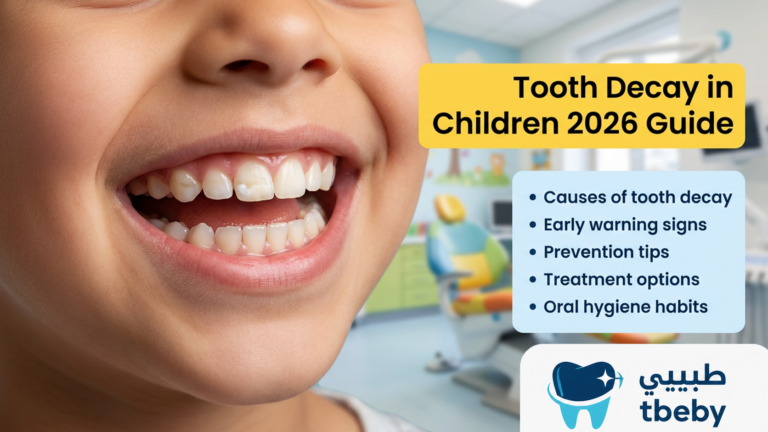
White spots on the surface of a child’s teeth are among the earliest visible indicators of decay. These spots signal the beginning of enamel erosion, the protective outer layer of the tooth, and represent the initial stage of the caries process. Early identification at this phase allows for non-invasive intervention.
2. Formation of a Light Brown Cavity
As decay progresses, a visible cavity develops on the tooth surface. Over time, this cavity deepens, and its color transitions from light brown to dark black. This darkening indicates advancing bacterial infiltration into the tooth structure.
3. Sensitivity to Temperature and Sweets
Tooth decay in children is commonly accompanied by heightened sensitivity to hot foods, cold beverages, and sugary items. Children may express discomfort when consuming ice cream, cold drinks, or sweets and may have difficulty chewing due to the associated pain.
To help limit the progression of dental caries, parents may consider using a sonic toothbrush, which provides deep-cleaning action and effectively removes plaque, the primary contributor to tooth decay.
You can use a Children’s Toothbrush to gently clean your child’s teeth and gums twice daily, effectively removing plaque from all tooth surfaces and helping to prevent the early decay signs outlined above.
The Clinical Presentation of Tooth Decay in Children
Recognizing the visible characteristics of tooth decay in children is essential for timely intervention. Many parents incorrectly assume that decay in primary (baby) teeth carries no long-term consequences for permanent dentition, a misconception that can lead to avoidable complications.
The clinical presentation of pediatric tooth decay typically includes:
| Clinical Sign | Description |
| White/Brown Spots | Multiple spots on tooth surfaces, particularly on the anterior (front) teeth |
| Crying or Irritability | When consuming cold beverages, frozen treats, or sweet foods |
| Gum Inflammation | Visible swelling, accompanied by complaints of throat discomfort |
| Chewing Difficulty | Inability to apply adequate biting pressure |
Tooth Decay in Children’s Front Teeth
Children are particularly susceptible to decay of the anterior teeth, owing to several interconnected factors:
1. Harmful Bacterial Growth
The proliferation of harmful bacteria within the oral cavity is among the primary drivers of anterior tooth decay. These bacteria consume residual sugars and carbohydrates, producing acidic by-products that erode enamel. Mineral deficiency, particularly fluoride, further compromises the tooth’s natural defense mechanisms.
2. Carbonated and Acidic Beverages
Frequent consumption of carbonated soft drinks and acidic juices accelerates enamel erosion. The acid content in these beverages directly degrades the enamel layer, leaving teeth structurally vulnerable to bacterial infiltration and decay.
3. Dry Mouth
Reduced saliva production creates an environment favorable to harmful bacterial growth. Saliva plays a critical protective role by neutralizing acids and rinsing away food particles. Children who experience chronic dry mouth face an elevated risk of developing caries.
4. Fluoride Deficiency
Inadequate fluoride exposure is a significant contributing factor to pediatric tooth decay. Fluoride is essential for enamel remineralization and serves as a primary defense against the caries process. Insufficient fluoride, whether through diet, water supply, or dental products, leaves teeth more susceptible to acid attack.
5. Poor Oral Hygiene Practices
Inadequate brushing and cleaning of the front teeth, particularly after consuming sweets or prior to bedtime, allows plaque and bacteria to accumulate on tooth surfaces, accelerating decay.
To support the protection of children’s front teeth, dental floss designed specifically for children can be used to gently remove food debris between teeth and reduce post-meal plaque accumulation.
You can use Medical Gauze wrapped around your finger to carefully wipe your child’s front teeth and gumline after meals, removing food residue and bacteria before they erode the enamel.
Tooth Decay in Children at Two Years of Age
Tooth decay in children can develop as early as infancy, and toddlers are not immune to the condition. Several key factors contribute to early childhood caries:
1. Oral Bacteria
Bacteria present in the oral cavity feed on residual sugars from sweets and carbohydrates that remain on teeth after feeding. These bacteria produce acidic compounds that damage the enamel of baby teeth, initiating the decay process.
2. Insufficient Oral Hygiene
Neglecting the oral hygiene of infants and toddlers, including failure to clean the gums and emerging teeth, allows bacteria to thrive. Parents who overlook early symptoms of decay inadvertently allow the condition to escalate.
3. Genetic Factors
Hereditary predisposition plays a documented role in pediatric tooth decay. Certain genetic profiles influence enamel thickness, mineral density, and the overall resilience of tooth structure, making some children inherently more susceptible to caries than others.
4. Daily Lifestyle Habits
Several routine habits increase a child’s risk of developing tooth decay:
- Reduced salivary flow, which compromises the mouth’s natural cleansing mechanism
- High dietary intake of sugars and refined starches
- Low fluoride concentration in drinking water, which limits the protective remineralization of enamel
You can use a Hydroxyapatite Toothpaste formulated for toddlers to gently strengthen developing enamel and support remineralization, providing an effective layer of protection against early childhood tooth decay.
Home-Based Treatment for Tooth Decay in Children
Tooth decay in children can be managed at home in mild cases, though treatment approaches vary according to the severity of the condition. The following home remedies may provide symptomatic relief and support oral health:
1. Fluoride Treatments
Fluoride-based treatments can assist in restoring enamel in early-stage decay and help prevent the formation of cavities. Maintaining consistent oral hygiene at the onset of decay symptoms is critical to preventing deterioration.
2. Warm Saltwater Rinse
A warm saltwater rinse is a traditional and effective method for alleviating dental pain. Salt acts as a natural antibacterial agent, reducing harmful oral bacteria, while warm water helps decrease gum swelling. This solution serves as a gentle oral antiseptic when used as a mouth rinse.
3. Garlic Paste
Garlic contains potent antibacterial compounds that may inhibit the growth of decay-causing bacteria. A small amount of garlic paste applied to the affected tooth using a cotton swab can provide temporary pain relief.
4. Cold Water Compress
Applying a cold compress to the child’s cheek in the area of the affected tooth can help reduce the intensity of pain and alleviate associated inflammation.
5. Peppermint and Thyme
Peppermint oil functions as a natural analgesic, offering temporary relief from toothache and reducing gum inflammation. Thyme oil, recognized for its antibacterial and antioxidant properties, can be diluted in water, applied to a cotton swab, and placed on the affected tooth.
6. Aloe Vera Gel
Aloe vera gel may be gently massaged onto the affected teeth for several minutes. Its anti-inflammatory properties can help reduce pain intensity and support a healthier oral environment.
7. Lemon and Green Tea
Lemon, rich in Vitamin C, possesses antimicrobial properties that help combat oral bacteria and provide mild pain relief. Green tea is similarly beneficial, as it supports oral health by inhibiting bacterial activity and reducing plaque formation.
8. Eggshell Paste
Ground eggshell combined with coconut oil can be blended into a paste and used as a natural toothpaste alternative, providing a calcium-rich option that may support enamel remineralization.
Root Canal Treatment in Children
In cases where tooth decay in children has progressed significantly, root canal therapy may be indicated. This procedure aims to treat the dental pulp and preserve the tooth until the natural time of replacement by the permanent dentition. Two primary approaches exist:
- Complete pulpectomy: Full removal of the dental pulp tissue
- Partial pulpotomy: Removal of the coronal pulp while preserving the radicular portion
Preserving the primary tooth through root canal therapy is generally preferred over extraction, as it maintains the space necessary for proper permanent tooth eruption and prevents structural misalignment of surrounding teeth.
The procedure is typically conducted across multiple sessions:
- First session: Thorough cleaning of the tooth, management of any existing infection, and initiation of antibiotic or medicament therapy
- Subsequent sessions: Pulp filling and tooth restoration to maintain structural integrity without the need for extraction
However, root canal therapy is contraindicated in certain cases, including:
- Severe structural damage rendering the tooth unsalvageable
- Significant root involvement resulting from trauma or injury
- Advanced resorption of the tooth root
To maintain oral hygiene following root canal sessions, a niacinamide-based whitening toothpaste formulated for sensitive teeth may be used, as it gently cleanses while reducing gum irritation without affecting the treated tooth.
Conclusion
Throughout this comprehensive review of tooth decay in children, we have examined the clinical symptoms that enable early detection, the primary causes that contribute to the condition, and a range of natural home remedies that may offer symptomatic relief and support preventive care. It is essential to emphasize that while home-based approaches can serve as complementary measures, professional dental consultation remains indispensable for accurate diagnosis and definitive treatment. Proactive oral hygiene education and routine dental check-ups are the most effective strategies for safeguarding children’s dental health globally.
FAQs About Tooth Decay in Children
Does decay in primary teeth affect permanent teeth?
Can untreated cavities in baby teeth pose a future risk to adult dentition?
Yes, neglected decay in primary teeth can transmit infection and negatively impact the development and health of emerging permanent teeth.
What are the earliest signs of tooth decay in children?
How can I detect dental caries in my child at an early stage?
The earliest indicators include white spots on the tooth surface, which gradually progress to brown or black cavities if left untreated.
Can tooth decay in children be treated at home?
Are home remedies sufficient to eliminate dental caries in children?
Home remedies such as saltwater rinses may temporarily relieve pain and reduce bacterial load, but they do not replace professional dental treatment for removing active decay.
Why are children’s front teeth particularly prone to decay?
What causes rapid deterioration of my child’s anterior teeth?
Anterior tooth decay in children is primarily attributed to bacterial accumulation, weakened enamel, and frequent consumption of sugars and acidic beverages without adequate post-meal oral hygiene.
Are sweets the sole cause of tooth decay in children?
Is excessive sugar intake the primary driver of pediatric dental caries?
While sugars are a significant contributor, providing fuel for acid-producing bacteria, other factors including poor hygiene, fluoride deficiency, and genetic predisposition also play important roles.
Is root canal treatment safe for children?
Can pulp therapy be performed on a primary tooth severely affected by decay?
Yes, root canal therapy in children is a safe, well-established, and clinically necessary procedure for preserving a severely decayed primary tooth and preventing premature extraction.
What is the role of fluoride in protecting children’s teeth?
How does fluoride defend my child’s teeth against caries?
Fluoride strengthens tooth enamel and facilitates the remineralization of demineralized areas, forming a protective barrier that resists acid attack and prevents cavity formation.
Do genetic factors contribute to tooth decay in children?
Can dental caries in children be hereditary?
Yes genetic factors influence enamel thickness and mineral density, meaning some children may be inherently more susceptible to tooth decay due to their inherited dental characteristics.
Can garlic help relieve a toothache in children?
How is garlic paste used to treat dental pain in pediatric patients?
Garlic contains powerful antibacterial compounds; when applied as a paste to the affected tooth, it can temporarily alleviate pain and inhibit the growth of decay-causing bacteria.
When should I begin cleaning my child’s teeth to prevent decay?
At what age is it recommended to start caring for a child’s oral health?
Oral care should begin in the first months of life by cleaning the gums with a soft cloth, transitioning to a soft-bristled toothbrush as soon as the first primary tooth erupts.
Sources:
https://www.cdc.gov/oral-health/about/cavities-tooth-decay.html